
5 Smart Garden Tools Worth the Investment This Season
Gardening used to mean a hose, a pair of gloves, and a lot of trial and error. That’s still true in a lot of ways, but the tools available now can take over the parts of gardening that eat up your weekends without adding much joy.
Watering on a schedule, mowing the lawn, checking soil moisture by hand, these are the tasks that turn a hobby into a chore. The good news is that smart garden tech has gotten a lot more practical and a lot less gimmicky over the past few years.
Below are the tools worth spending money on this season, the ones that save time, cut down on waste, and make it easier to keep a garden thriving without living in it.
- Smart Irrigation Controllers
Overwatering and underwatering are two of the most common ways gardens fail, mostly because of the guesswork. A smart irrigation controller replaces that guesswork with data. The devices connect to your home Wi-Fi, pull local weather forecasts, and adjust your watering schedule automatically. Rain in the forecast? The system skips the cycle. Dry spell coming? It waters a little longer.
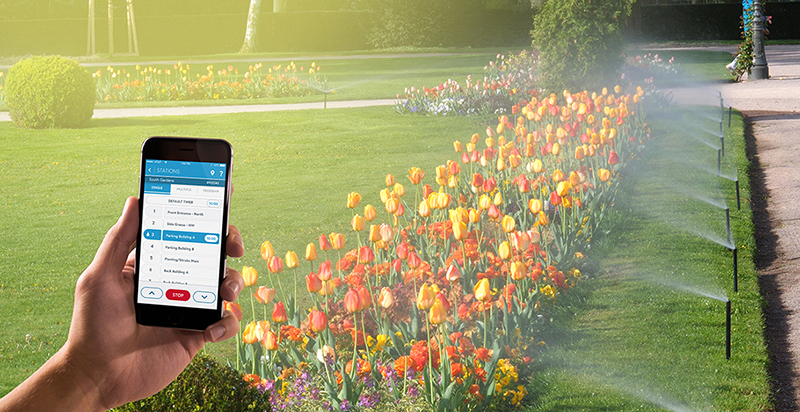
Most models pair with soil moisture sensors placed directly in garden beds, so watering decisions reflect actual conditions rather than a fixed timer. Over a season, that precision adds up. Homeowners typically report noticeably lower water bills once they switch from manual or timer-based systems to weather-aware controllers.
Water quality matters here too. If you’re relying on well water or municipal tap water with heavy mineral content, it’s worth reading up on whether you should filter your garden water before investing in an automated system, since some sensors and drip lines clog more easily with hard water over time.
Installation is usually simpler. Most controllers replace an existing hose timer or sprinkler valve box, and setup happens through a phone app rather than any rewiring. Once it’s connected, you can adjust zones individually, so a shaded bed of ferns gets a different schedule than a sunny row of tomatoes.
- Robotic Lawn Mowers
Mowing is the task most people would happily hand off if they could, and now they can. A robotic lawn mower operates on a set schedule, navigating your yard using GPS or boundary mapping rather than a physical wire buried underground. It handles the mowing while you’re at work, asleep, or just doing anything else.
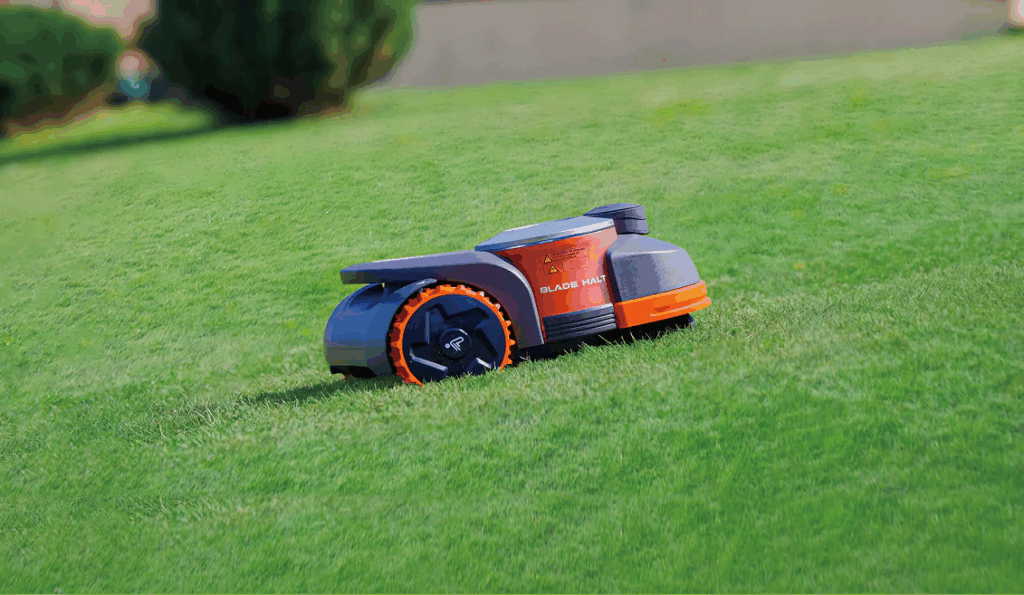
Segway Navimow is one of the more talked-about options in this category, mostly because it skips the traditional buried boundary wire altogether. Setup is app-based: you walk the perimeter once with your phone, and the mower uses that map plus onboard sensors to stay in bounds after that.
Beyond convenience, there’s a real efficiency argument. Gas mowers burn fuel and require regular maintenance, oil changes, blade sharpening, the occasional carburetor headache. Robotic models run on electricity, need far less upkeep, and mow in shorter, more frequent sessions that put less stress on the grass than one long weekly cut.
There’s also a noise factor worth mentioning. Gas mowers are loud enough to disrupt an entire block for the better part of an hour. A robotic model runs quietly enough that most neighbors won’t notice it working, which means it can mow during the day without becoming a nuisance.
Battery life and terrain handling have also improved a lot in recent years as well. Many models now handle slopes, narrow passages between garden beds, and multiple connected zones, so a mower can service a front yard and a separate side yard without needing to be manually moved between them.
- Soil and Plant Sensors
Not every smart tool needs to be a big investment. Handheld and stake-style soil sensors measure moisture, light exposure, and sometimes nutrient levels, and they cost far less than a full irrigation system. Stick one into a garden bed or a potted plant, and it’ll tell you in real time whether that spot is getting what it needs.
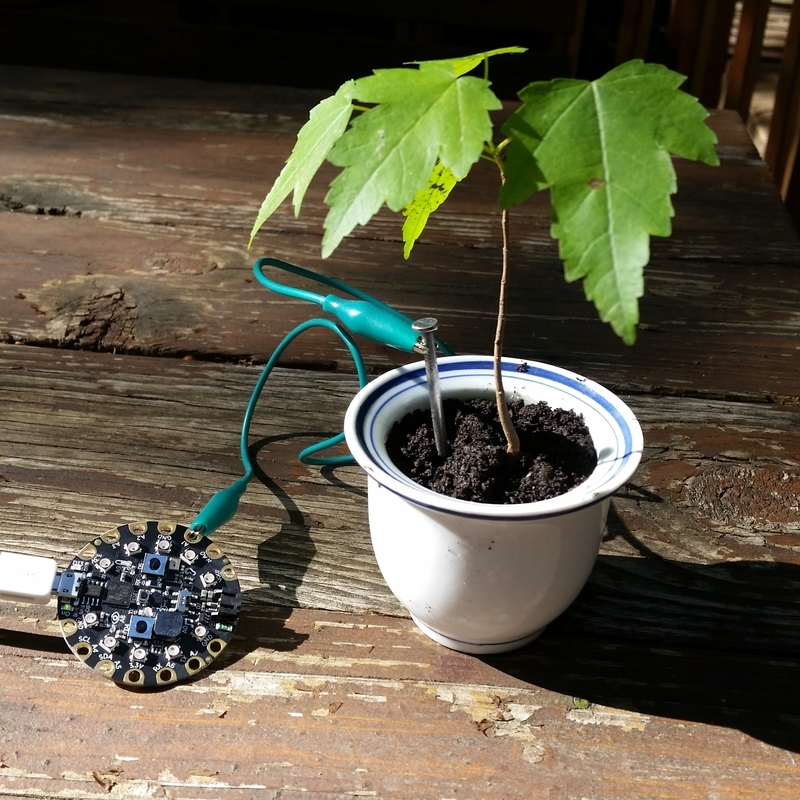
These are especially useful indoors, where light conditions vary wildly by room and season. If you’ve been experimenting with indoor planters as part of your home decor, a plant sensor takes the guesswork out of care. Instead of wondering why a fern keeps yellowing, you can see immediately if the problem is light, water, or something else.
Some models sync with an app and send alerts when conditions drift outside the ideal range, which is a fairly low-effort way to catch problems before they show up as wilted leaves.
For outdoor beds, multiple sensors placed around a yard can reveal patterns you’d never notice just walking through. A corner that seems fine visually might be drying out faster than the rest of the bed because of a slope or a nearby tree pulling moisture. Once you know that, you can adjust mulch coverage or change watering frequency in that spot.
- Automated Composting Tools
Composting is one of the best things a gardener can do for soil health, but the traditional outdoor bin approach takes months and a fair amount of turning. Electric composters, the countertop kind, break down food scraps into usable compost in a matter of hours or days rather than weeks.
They’re not a full replacement for a large-scale compost pile if you’re managing a big vegetable garden, but for smaller households, they’re a useful middle ground. Less food waste going to landfill, and a steady supply of nutrient-rich material to work into garden beds or potted soil.
Most countertop units process a few pounds of scraps at a time and don’t produce the odor problems people tend to associate with composting. That makes them practical for apartments and smaller kitchens.
- Smart Pest Deterrents
Pests are the most frustrating parts of gardening, and a lot of gardeners default to chemical solutions out of convenience. Motion-activated sprinklers and ultrasonic repellents are a convenient way to keep animals and some insects away without spraying anything on the plants themselves.
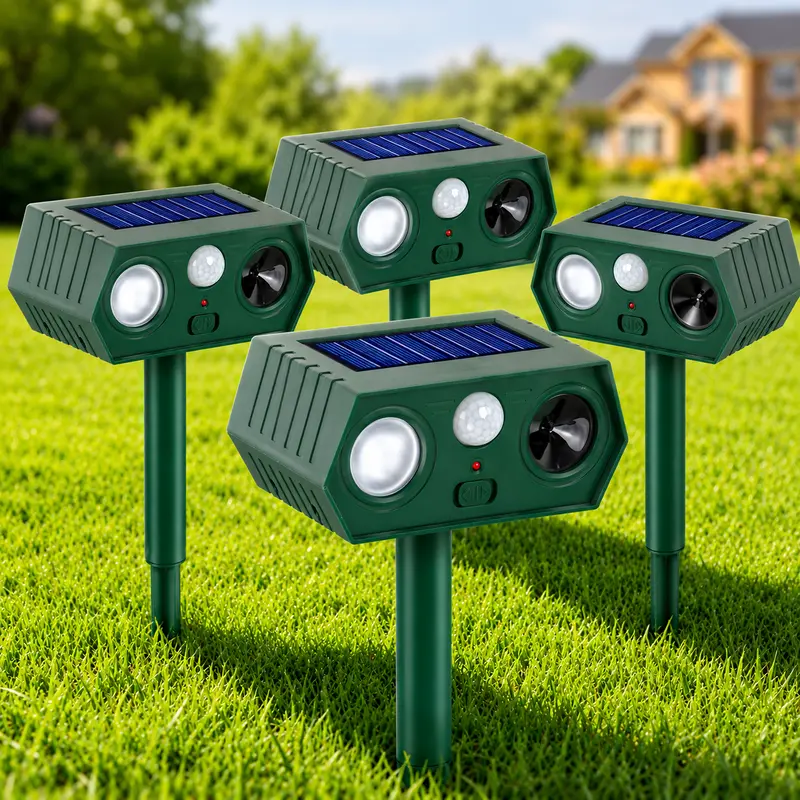
Motion-sensor sprinklers work well against deer, rabbits, and other larger visitors, releasing a short burst of water when they detect movement. It’s startling enough to send animals elsewhere without doing any harm.
If you’d rather go the fully natural route, it’s worth pairing this kind of tech with something like a homemade non-toxic weed killer, so both the pest and weed sides of garden maintenance stay chemical-free.
Getting Started Without Overspending
None of this requires overhauling your entire yard in one go. Start with whichever task drains the most time or patience.
If watering is the chore you dread, start with a smart controller. If mowing is what eats your weekends, a robotic mower pays for itself in time saved alone. Add sensors and composting tools as budget allows.
The point of smart garden tools isn’t to remove you from the process. It’s to hand off the repetitive, time-consuming parts so you can spend your energy on the parts of gardening that feel rewarding, i.e., experimenting with new plants and enjoying the space you’ve built.