Do Dog Diapers Help? What Do Vets Say?
Finding puddles on your floor or dealing with your dog’s heat cycle can be frustrating and exhausting. Many pet owners wonder whether dog diapers offer a practical solution or just create new problems. Dog diapers are absorbent garments designed to contain urine, feces, or menstrual discharge in dogs who can’t control their elimination for various reasons.
This article examines what veterinarians actually recommend about dog diapers, when they’re helpful, and when they might do more harm than good. You’ll learn about the specific situations where diapers work well, potential health concerns to watch for, and how to use them correctly without interfering with your dog’s wellbeing or training.
What Veterinarians Say About Dog Diapers
So, do vets recommend dog diapers? The answer is yes, but with important qualifications. Veterinarians view diapers as a management tool for specific medical and practical situations, not as a standalone solution to underlying health problems.
Veterinarians commonly recommend diapers for dogs with age-related incontinence, which affects approximately 20% of senior dogs. As dogs age, weakened sphincter muscles can cause involuntary urine leakage, especially during sleep. For these cases, diapers protect your home while maintaining your dog’s quality of life. The American Animal Hospital Association (AAHA) recognizes diaper use as part of comprehensive incontinence management alongside medical treatment.
Post-surgical recovery is another vet-approved use case. After spay surgery, orthopedic procedures, or abdominal operations, dogs may temporarily lose bladder control or need protection from licking wounds. Veterinarians often suggest diapers for the 1-2 week recovery period to keep surgical sites clean and dry.
Female dogs in heat also benefit from diapers according to veterinary guidance. Heat cycles last 2-4 weeks and produce vaginal discharge that can stain furniture and floors. Diapers contain the mess and prevent male dogs from attempting to mate, though they shouldn’t replace proper supervision.
When Vets Caution Against Diaper Use
Veterinarians emphasize that diapers should never replace proper diagnosis and treatment. If your dog suddenly develops incontinence, bladder control issues, or changes in urination patterns, the first step is always a veterinary examination – not purchasing diapers. Underlying conditions like urinary tract infections, diabetes, kidney disease, or neurological problems require medical intervention.
Vets also warn against using diapers as a shortcut during house training. Puppies need to learn appropriate elimination behaviors, and over-reliance on diapers can significantly delay this learning process. The diaper becomes a crutch that prevents the dog from developing bladder control and communicating their need to go outside.
The Pros of Dog Diapers
Dog diapers offer several practical advantages when used appropriately. Understanding these benefits helps you determine whether they’re right for your situation.
The most obvious benefit is containment and home protection. Diapers prevent urine and feces from soaking into carpets, furniture, and bedding, which saves money on cleaning and replacement costs. For households with hardwood floors or expensive furnishings, this protection provides significant peace of mind.
Hygiene improvement extends beyond your home. Dogs wearing diapers stay cleaner and drier, reducing the unpleasant odor that can develop when dogs repeatedly soil themselves. This is particularly important for dogs with mobility issues who can’t easily clean themselves or move away from accidents.
For senior dogs with incontinence, diapers offer dignity and comfort. Rather than being confined to a single room or crate due to accidents, elderly dogs can continue accessing all areas of the home and sleeping in their preferred spots. This maintains their quality of life during their final years.
Specific Use Case Benefits
Owners managing female dogs in heat find diapers invaluable for maintaining normalcy during the 2-4 week cycle. Dogs can continue participating in household activities, sitting on furniture, and sleeping in bedrooms without creating mess or attracting unwanted attention from intact males.
Post-surgery patients benefit from the barrier diapers provide against infection. By keeping the surgical area clean and preventing the dog from licking or contaminating wounds, diapers support faster healing. This is especially helpful for dogs recovering from abdominal or urogenital procedures.
Multi-pet households appreciate diapers for preventing other animals from investigating or cleaning up accidents. Some dogs and cats are drawn to urine or feces from other pets, which can spread bacteria and create additional hygiene problems.
For elderly or disabled pet owners, diapers reduce the physical demands of constant cleanup. Individuals with limited mobility or health conditions may find it difficult to clean floors multiple times daily. Diapers minimize this burden while allowing them to continue caring for their beloved pets.
The Cons of Dog Diapers
Despite their benefits, dog diapers come with legitimate drawbacks that responsible owners must consider. Are dog diapers a good idea for every situation? Definitely not, and understanding the potential problems helps you make an informed decision.
Health Risks
The most serious concern is skin irritation and infection. Dogs wearing diapers for extended periods, especially if not changed frequently, can develop diaper rash, hot spots, and bacterial or yeast infections. The warm, moist environment inside a soiled diaper creates ideal conditions for microorganism growth. Female dogs face particular risk of urinary tract infections (UTIs) if bacteria from feces migrate to the urethral opening.
Prolonged contact with urine can cause urine scald, a chemical burn that damages skin and causes painful inflammation. Dogs with sensitive skin are especially vulnerable. Warning signs include redness, hair loss, odor, and your dog excessively licking the diaper area.
Behavioral Concerns
Some dogs become overly dependent on diapers, losing motivation to signal when they need to eliminate or hold their bladder. This is particularly problematic in younger dogs still developing bladder control, as the diaper essentially trains them that eliminating anywhere is acceptable.
Many dogs initially resist wearing diapers. They may try to remove them constantly, develop anxiety about the sensation, or show behavioral changes like decreased activity or appetite. Some dogs never fully adjust, making diaper use stressful for both pet and owner.
Practical Drawbacks
Cost adds up quickly, especially with disposable diapers. Depending on your dog’s size and how frequently you change diapers, expect to spend $30-100 monthly on disposables. Reusable diapers have higher upfront costs ($15-30 each, with 3-5 needed for rotation) but become more economical over time.
Environmental impact is significant with disposables. A single dog can generate substantial landfill waste over months or years of diaper use. While Reusable Dog Diapers reduce this impact, they require regular washing with hot water and detergent, increasing your household’s water and energy consumption.
Maintenance requirements are substantial. Diapers need changing every 3-4 hours at minimum, more frequently if soiled. Each change involves cleaning your dog’s genital area, inspecting for skin problems, and properly disposing of or laundering soiled diapers. This time commitment can be overwhelming for busy households.
Do Dog Diapers Help with Potty Training?
This question deserves careful examination because the answer is nuanced. Do dog diapers help with potty training? Not as a primary training method, but they can serve as a supplementary tool in specific circumstances.
The fundamental principle of potty training is teaching dogs where they should eliminate and helping them develop bladder and bowel control. Dogs learn through consistency, positive reinforcement, and clear communication about appropriate elimination spots. Diapers interfere with this learning process by removing consequences and preventing dogs from signaling their need to go outside.
When Diapers Can Supplement Training
Diapers can play a limited role during potty training under these specific conditions:
Overnight accidents in puppies who can’t yet hold their bladder for 8 hours. A diaper prevents middle-of-the-night cleanup while you work on extending their bladder control. However, you should still take the puppy out for a late evening and early morning bathroom break.
During transport or vet visits when accidents are likely due to anxiety or excitement. A temporary diaper prevents mess in the car or waiting room without disrupting your established home training routine.
For puppies with medical conditions that temporarily affect bladder control. Some urinary tract infections or medications cause increased urination that makes normal house training temporarily impossible. Diapers manage the situation while treatment addresses the underlying problem.
Using Diapers Correctly in Training Context
If you use diapers during potty training, follow these critical guidelines. Remove the diaper immediately before scheduled potty breaks so your puppy learns to eliminate in the designated area. Put the diaper back on only after giving the puppy adequate opportunity to go outside.
Maintain a strict potty break schedule regardless of diaper use. Your puppy still needs regular outdoor trips every 2-3 hours, after meals, after play, and upon waking. The diaper is backup protection, not a replacement for training opportunities.
Track your puppy’s progress and actively work toward eliminating diaper use. Set a timeline for phasing out diapers as your puppy’s bladder control improves. Most puppies can hold their bladder through the night by 4-6 months old.
Never scold or punish your puppy for eliminating in a diaper. This creates confusion and anxiety without teaching the appropriate behavior. Instead, focus on rewarding outdoor elimination with treats, praise, and play.
When Dog Diapers Are and Aren’t Appropriate
Understanding the appropriate and inappropriate uses of dog diapers helps you make decisions that support your dog’s health and wellbeing.
Appropriate Use Cases
Senior dogs with age-related incontinence represent the most common legitimate use for diapers. As sphincter muscles weaken with age, many older dogs experience involuntary urine leakage, particularly during sleep. This is a normal part of aging, and while medications may help, diapers provide dignity and comfort.
Post-surgical recovery for dogs who need protection during healing. Spay/neuter surgeries, orthopedic repairs, and abdominal procedures often cause temporary incontinence or require keeping the area clean and dry. Veterinarians frequently recommend diapers for the 1-2 week recovery period.
Female dogs in heat benefit from diapers during their cycle. The 2-4 week heat cycle produces vaginal discharge that diapers contain effectively. This allows female dogs to maintain their normal lifestyle without restrictions.
Medical incontinence from diagnosed conditions like urethral sphincter mechanism incompetence (USMI), neurological disorders, or chronic kidney disease. When medical management doesn’t fully resolve incontinence, diapers provide quality of life improvement while ongoing treatment continues.
Temporary situations like long car trips, staying in hotels, or visiting friends’ homes where your housetrained dog might have accidents due to stress or unfamiliar environments. Short-term diaper use prevents problems without establishing long-term dependency.
When Diapers Aren’t Appropriate
Using diapers as a substitute for house training represents misuse that harms your dog’s development. Puppies need to learn appropriate elimination behaviors through consistent training, and diapers delay or prevent this learning.
Long-term dependency on diapers for dogs without legitimate medical or age-related reasons indicates an underlying problem that needs addressing. If your adult dog suddenly needs diapers, investigate the cause rather than treating it as normal.
Behavioral elimination problems like marking territory or anxiety-related urination require behavioral modification, not physical containment. Diapers don’t address the root cause and may worsen anxiety.
Red Flags Requiring Veterinary Attention
Certain symptoms require immediate veterinary evaluation rather than diaper use. Sudden onset of incontinence in previously housetrained dogs could indicate urinary tract infections, bladder stones, diabetes, or neurological problems.
Blood in urine, straining to urinate, or frequent attempts to urinate with little output are emergency symptoms that need same-day veterinary care. Diapers might hide these warning signs and delay critical treatment.
Changes in drinking habits, lethargy, vomiting, or loss of appetite accompanying incontinence suggest systemic illness. These require comprehensive veterinary workup, not home management with diapers.
Choosing the Right Diaper Type and Fit
Selecting appropriate diapers significantly impacts effectiveness and your dog’s comfort. Two main categories exist, each with distinct advantages.
Disposable vs. Reusable Comparison
Disposable diapers offer maximum convenience. You use them once and throw them away, which is ideal for short-term needs like post-surgery recovery or managing heat cycles. They’re available at most pet stores and online retailers in various sizes and absorbency levels. However, ongoing costs accumulate quickly, and environmental impact is substantial.
Reusable washable diapers require higher upfront investment but become cost-effective over time. They’re environmentally friendlier and often more comfortable for dogs due to breathable fabrics. You’ll need 3-5 diapers to rotate while washing, and they require regular laundering. Reusable options work best for long-term needs like senior dog incontinence or chronic medical conditions.
Getting the Right Fit
Proper sizing is crucial for effectiveness and comfort. Measure your dog’s waist at the narrowest point, typically just in front of the hind legs. Most manufacturers provide sizing charts based on waist measurement and weight, but waist measurement is more reliable since dogs of the same weight can have different body shapes.
The diaper should fit snugly without being tight. You should be able to fit two fingers between the diaper and your dog’s body. Too loose allows leaks and accidents; too tight causes chafing and restricts movement.
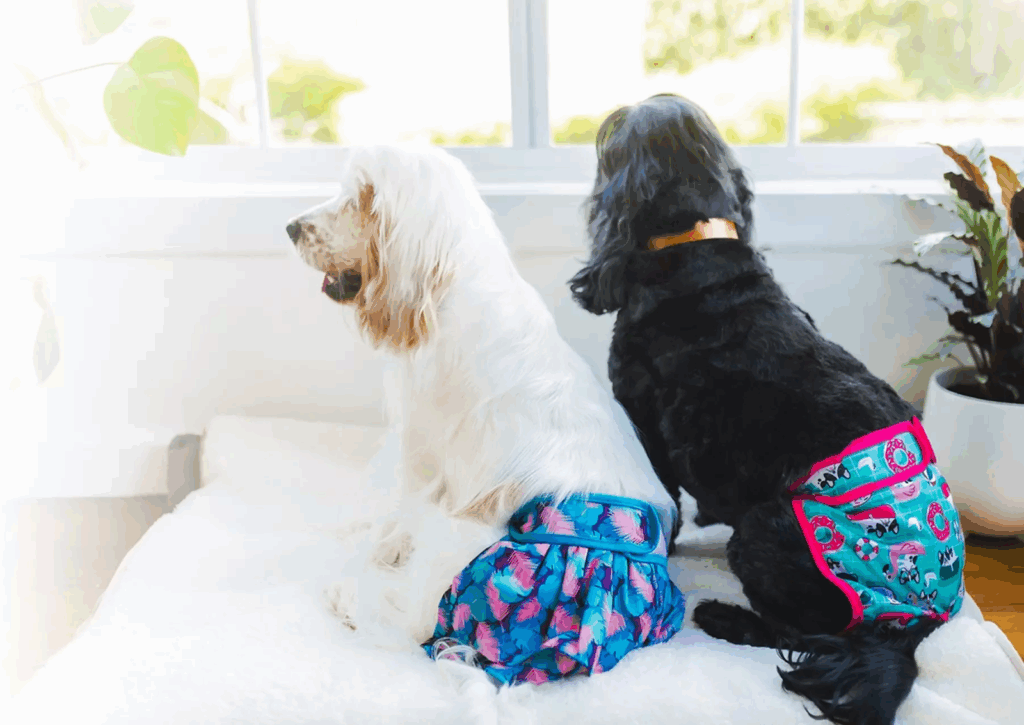
Consider your dog’s gender when selecting styles. Female diapers wrap around the entire rear, covering both urinary and anal areas. Male wraps or belly bands cover only the urinary opening and are designed differently to accommodate male anatomy. Some dogs need full diapers regardless of gender, particularly those with fecal incontinence.
Important Features
Look for adjustable fasteners that allow customization to your dog’s body shape. Velcro tabs work well but may lose stickiness over time with reusable diapers. Snap closures are more durable for washable options.
Absorbency level matters for your specific situation. Dogs with minor occasional leaks need less absorbency than those with complete bladder emptying. Some diapers include pockets for adding absorbent pads, allowing you to adjust protection level.
Tail holes should fit properly without being too large (causing leaks) or too small (causing discomfort). Some diapers accommodate different tail positions and sizes better than others.
Material quality affects comfort and durability. Look for soft, breathable fabrics that won’t irritate skin. Moisture-wicking inner layers help keep skin drier. Avoid materials that bunch, chafe, or make excessive noise that might disturb your dog.
Maintaining Hygiene and Preventing Complications
Proper hygiene practices are essential when using dog diapers. Neglecting these steps leads to serious health problems that outweigh any benefits diapers provide.
Change Frequency Guidelines
Change diapers every 3-4 hours minimum, even if they don’t appear fully soiled. Urine begins breaking down within hours, creating ammonia that irritates skin. Dogs who urinate or defecate should have immediate diaper changes – never leave a soiled diaper on your dog.
Overnight use requires special consideration. If your dog sleeps 8 hours, check and change the diaper at least once during the night. Some owners set alarms for middle-of-night changes to prevent prolonged exposure to moisture. Alternatively, limit water intake 2-3 hours before bedtime to reduce overnight urination, though always ensure your dog has adequate daily water consumption.
Cleaning and Skin Care
Each diaper change should include thorough cleaning of your dog’s genital area, surrounding skin, and tail region. Use gentle, unscented pet wipes or a soft washcloth with warm water. Pat the area completely dry before putting on a fresh diaper – moisture trapped under the diaper accelerates skin problems.
Apply a thin layer of pet-safe barrier cream or diaper rash ointment if you notice any redness or irritation. Products containing zinc oxide work well but should be used sparingly since dogs may lick the area. Coconut oil offers a natural alternative that’s safe if ingested.
Give your dog “diaper-free time” several times daily. Allow 15-30 minutes without a diaper so skin can breathe and dry completely. Supervise during these breaks and take your dog outside or to an appropriate elimination area. This break time significantly reduces skin irritation and infection risk.
Laundering Reusable Diapers
Rinse reusable diapers immediately after removing them, flushing away solid waste and running cold water through the fabric until water runs clear. This prevents stains from setting and reduces bacterial load before washing.
Machine wash diapers in hot water (at least 140°F) with pet-safe, fragrance-free detergent. Avoid fabric softeners and scented products that can irritate your dog’s skin. Run an extra rinse cycle to remove all detergent residue.
Dry thoroughly either in a dryer on medium-high heat or by hanging in direct sunlight. Sunlight provides natural disinfection through UV rays. Ensure diapers are completely dry before use – damp diapers promote bacterial growth and skin irritation.
Monitoring for Warning Signs
Check skin condition during every diaper change. Look for redness, hair loss, bumps, open sores, or changes in skin texture. Any of these signs indicate the current diaper routine needs adjustment – increase change frequency, extend diaper-free time, or consult your veterinarian.
Watch for signs of urinary tract infection, which include increased frequency of small urinations, straining, blood-tinged urine, strong urine odor, or behavioral changes like lethargy or loss of appetite. UTIs require veterinary treatment with antibiotics.
Note any behavioral changes suggesting discomfort. Dogs experiencing diaper-related problems may become reluctant to move, excessively lick the diaper area, show signs of pain when the diaper is applied, or develop anxiety around diaper changes.
Helping Your Dog Adjust to Wearing a Diaper
Most dogs don’t naturally accept wearing diapers, and proper introduction makes the difference between successful adaptation and constant stress.
Introduction Strategies
Start with positive associations before ever putting the diaper on your dog. Let your dog sniff and investigate the diaper while offering high-value treats. Create a mental connection between the diaper and good things.
Practice putting the diaper on for very short periods initially. Put it on, immediately offer treats and praise, then remove it after 30-60 seconds. Gradually extend the wearing time over several days as your dog shows acceptance.
Use distraction during early wearing periods. Immediately after putting on the diaper, engage your dog in a favorite activity like playing with a special toy, going for a walk, or practicing known commands for treats. This prevents them from fixating on the unusual sensation.
Managing Resistance
Some dogs repeatedly try to remove their diapers by scratching, biting, or backing out of them. If basic resistance occurs, ensure proper fit first – most removal attempts happen when diapers are too loose or positioned incorrectly.
For persistent removal attempts, try doggy shirts or onesies designed to cover diapers. These create a physical barrier that makes removal difficult while often being more acceptable to the dog than the diaper alone.
Never punish your dog for attempting to remove a diaper. This is a natural response to an uncomfortable sensation. Instead, redirect attention and reward calm acceptance of wearing the diaper.
Gradual Acclimation Timeline
Week 1 focuses on building positive associations without pressure. Let your dog investigate the diaper daily while receiving treats, but don’t force wearing it for extended periods.
Week 2 involves brief wearing sessions (5-10 minutes) several times daily, always paired with positive experiences. Monitor your dog’s stress level and adjust pace accordingly.
Week 3 and beyond gradually extend wearing time while maintaining positive reinforcement. Most dogs show acceptance within 2-3 weeks if the process isn’t rushed and remains positive.
Some dogs never fully adjust to diapers despite patient introduction. In these cases, consider whether the stress outweighs the benefits. Alternative solutions like frequent potty breaks, confining to easily cleaned areas, or different diaper styles might work better for anxiety-prone dogs.
Dog diapers represent a legitimate management tool for specific situations when used appropriately and responsibly. They provide genuine help for senior dogs with incontinence, dogs recovering from surgery, females in heat, and dogs with medical conditions affecting elimination control. However, they’re not appropriate as house training shortcuts, substitutes for veterinary care, or long-term solutions to behavioral problems.
The key to successful diaper use lies in understanding when they’re truly needed, maintaining rigorous hygiene practices, and regularly assessing whether continued use serves your dog’s best interests. Proper fit, frequent changes, and skin monitoring prevent most complications that give diapers a bad reputation.
Before investing in dog diapers, schedule a veterinary consultation to rule out treatable medical conditions and get professional guidance on whether diapers are appropriate for your specific situation. Your vet can help you distinguish between normal aging changes, temporary problems, and serious conditions requiring medical intervention rather than management with diapers.
Do doggie diapers work? They do when used correctly for appropriate reasons, but success depends entirely on your commitment to proper implementation and your dog’s individual needs.