
Ways to Prepare Your Body Before Flu Season
Get your body ready for flu season with simple ways to support immunity, boost resilience, and stay well through the colder months ahead.
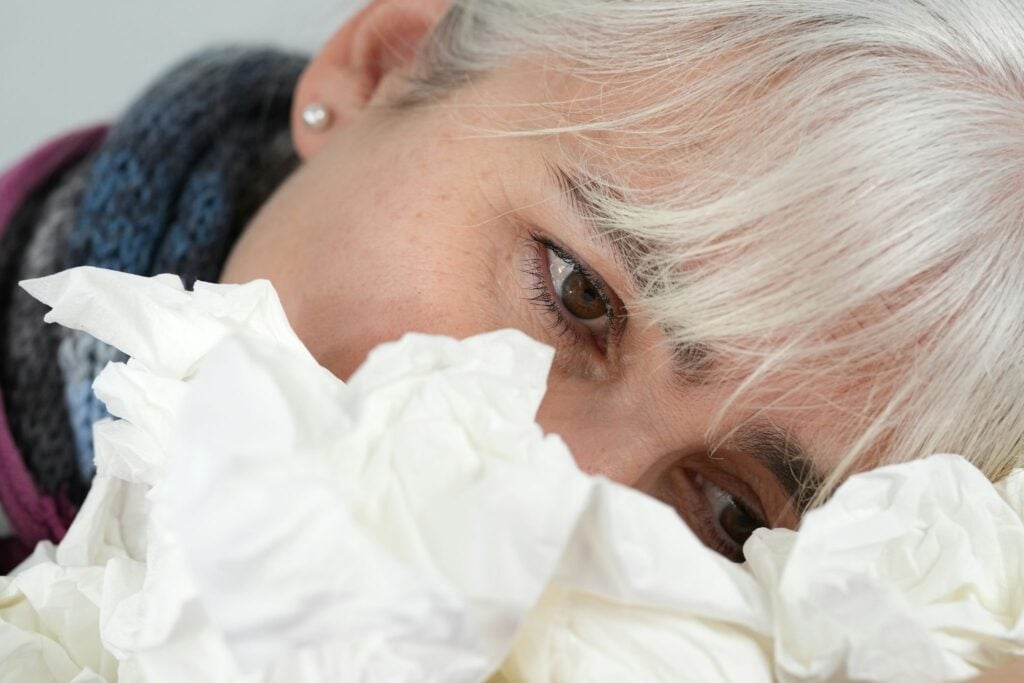
Flu season arrives with remarkable predictability every year, and yet most people greet it with the same lack of preparation. By the time symptoms hit, the opportunity to have done something meaningful beforehand has passed. The good news is that preparing your body for flu season is not complicated, and the steps that make the most difference are well within reach for most people. The most important of them is also the most straightforward: getting a flu vaccine before the season peaks is the single most evidence-backed thing you can do to reduce your risk of infection and serious illness. Everything else in this guide builds on that foundation, addressing the habits, nutrition and lifestyle factors that support immune function throughout the colder months.
Get Vaccinated Before the Season Peaks
Vaccination is worth addressing first because the timing matters. The flu vaccine takes about two weeks to produce full protective immunity, which means getting it at the first sign of winter in your area, rather than waiting until people around you are already sick, gives your immune system time to respond properly. In Australia, the vaccine is updated each year to match the strains expected to circulate, so last year’s vaccination does not carry over in the same way.
The vaccine is free under the National Immunisation Program for people aged 65 and older, pregnant women, Aboriginal and Torres Strait Islander people aged six months and over, and people with certain medical conditions. For everyone else, it is available at pharmacies, GP clinics and some workplaces at a relatively low cost. The mild arm soreness or fatigue that some people experience after vaccination is the immune system doing its job and typically resolves within a day or two.
Prioritise Sleep Above Almost Everything Else
Sleep is where the immune system does its most significant repair and maintenance work. During deep sleep, the body produces cytokines, the proteins that help coordinate the immune response, and consolidates immunological memory from previous exposures and vaccinations. Chronic sleep deprivation suppresses immune function in measurable ways: research consistently shows that people who sleep fewer than six hours a night are significantly more susceptible to respiratory illness than those sleeping seven to nine hours.
The practical implication is straightforward. In the weeks before and during flu season, treat sleep as a non-negotiable rather than the first thing to sacrifice when life gets busy. Consistent sleep and wake times, a cool and dark room, and limiting screen exposure in the hour before bed all support the sleep quality that the immune system depends on.
Eat in Ways That Support Immune Function
No single food prevents influenza, and the market for immune-boosting supplements exploits a genuine desire for simple answers in an area where the science is more nuanced. What the research does consistently support is that nutritional deficiencies, particularly in vitamins D, C and zinc, impair immune function in ways that increase susceptibility to respiratory illness. The most reliable way to address this is through diet rather than supplementation, though supplementation is reasonable where diet alone is insufficient.
Vitamin D is the most significant one to pay attention to in Australian winters, when reduced sun exposure leads to lower synthesis. Fatty fish, eggs and fortified dairy products provide dietary vitamin D, but sun exposure is the main source for most people. A brief conversation with a GP about whether your levels are adequate is worth having, particularly if you spend most of your day indoors.
Beyond specific nutrients, a diet built around vegetables, legumes, whole grains, lean protein and fermented foods supports the gut microbiome, which plays a more significant role in immune regulation than was understood even a decade ago. About seventy percent of the immune system is located in and around the gut, and a diverse, fibre-rich diet supports the microbial diversity that healthy immune function depends on. Fermented foods like yoghurt, kefir and kimchi contribute directly to that diversity.
The Australian Department of Health and Aged Care’s information on influenza prevention and vaccination provides evidence-based guidance on how influenza spreads, who is most at risk, and the full range of prevention measures recommended for Australians ahead of flu season.
Move Regularly, But Don’t Overdo It
Moderate, regular exercise supports immune function in well-documented ways. It improves circulation, which helps immune cells move through the body more effectively, reduces chronic inflammation, and supports the sleep quality described above. People who exercise regularly at moderate intensity tend to experience fewer and less severe respiratory infections than sedentary people.
The important nuance is that very intense exercise, particularly prolonged endurance exercise without adequate recovery, can temporarily suppress immune function. The window of increased susceptibility in the hours and days following extreme exertion is sometimes called the open window theory and is why endurance athletes are prone to upper respiratory infections after major events. The takeaway for most people is not to avoid exercise but to aim for the moderate, consistent kind rather than going from inactivity to intense training just as winter arrives.
Walking, cycling, swimming, yoga and recreational sport all fall into the range that supports rather than stresses immune function. Thirty to sixty minutes most days is the broad recommendation. If you are already training at higher intensity, managing recovery, sleep and nutrition becomes proportionally more important.
Hand Hygiene Is Underestimated
Influenza spreads through respiratory droplets but also through contact with contaminated surfaces. Touching your face after contact with a contaminated surface is one of the most common routes of transmission, and it happens more than most people realise. Frequent handwashing with soap and water for at least twenty seconds, particularly before eating and after being in public spaces, disrupts this route effectively and at no cost.
Alcohol-based hand sanitiser is a reasonable substitute when soap and water are not available, though it is less effective against some pathogens than thorough handwashing. The habit of not touching your face in public spaces is harder to build than handwashing but meaningfully reduces exposure risk. These measures protect against other respiratory viruses too, which makes them worth building as general habits rather than just seasonal practices.
Manage Stress Before It Manages Your Immunity
Chronic psychological stress is one of the most reliably documented suppressors of immune function. The hormone cortisol, released in response to ongoing stress, inhibits several components of the immune response when it remains elevated over time. This is not a reason for additional anxiety about stress itself, but rather a genuine argument for prioritising stress management as part of flu season preparation alongside the more obviously physical measures.
The interventions with the strongest evidence for reducing chronic stress are consistent sleep, regular physical activity, and social connection. Mindfulness practices, time outdoors and reducing discretionary commitments in periods of high demand also help. The connection between mental wellbeing and physical immune function is real enough that it belongs in any honest discussion of how to prepare your body for illness season.
The Preparation That Actually Pays Off
The measures that genuinely reduce flu risk are not glamorous, but they are consistent: vaccination before the season peaks, enough sleep, a diet that supports rather than undermines immune function, regular moderate exercise, basic hand hygiene, and enough management of chronic stress that the immune system is not working against itself. None of these requires significant expense or dramatic behaviour change. They require consistency, and the earlier in the season that consistency is established, the better positioned the body is when the virus starts circulating in earnest.