Best Bakuchiol Face Creams to Replace Retinol After Age 40
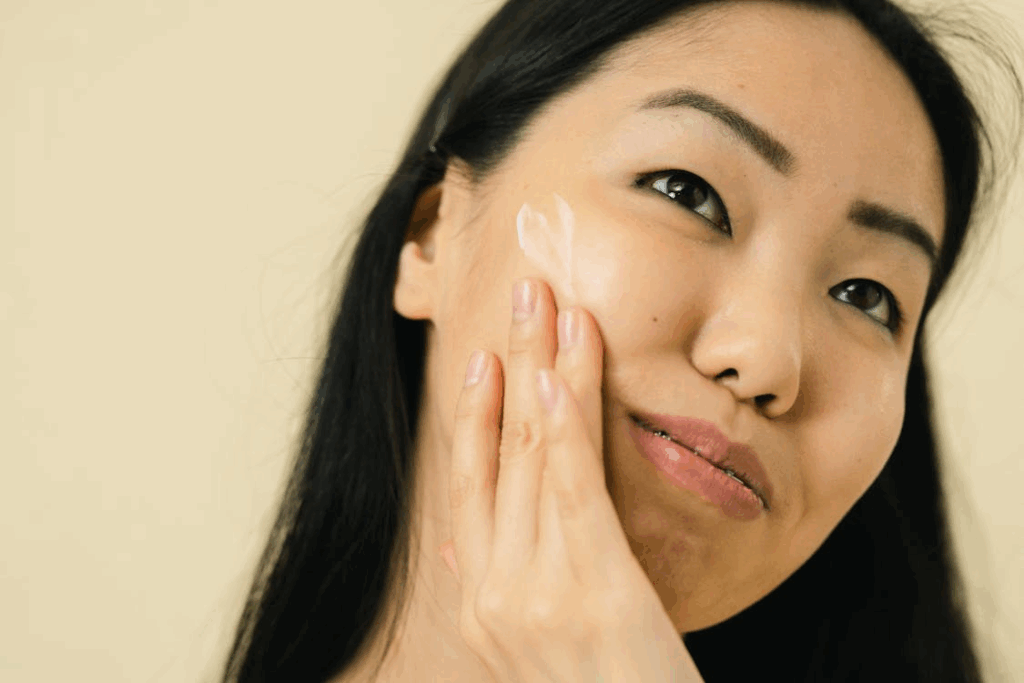
Image source: pexels
There is a quiet shift happening on bathroom counters belonging to women in their forties and fifties. The retinol bottle, once a nightly ritual, is being moved to the back of the drawer. In its place sits something gentler, plant-derived, and clinically interesting in its own right: bakuchiol.
This is not a trend piece. The shift is grounded in something specific. A 2019 study published in the British Journal of Dermatology by Dhaliwal and colleagues compared 0.5 percent bakuchiol applied twice daily to 0.5 percent retinol applied once daily over twelve weeks, in a 44-patient split-face design. The two ingredients produced comparable improvement in wrinkle depth and pigmentation across the measurement window. Bakuchiol caused significantly less stinging and scaling. That single trial does not declare bakuchiol identical to retinol, but on the endpoints measured, the gentler molecule held its ground.
For mature skin, that finding matters. The article that follows walks through six bakuchiol face creams worth considering for the retinol transition, in ranked order, with the top pick first.
Why Women Over 40 Are Replacing Retinol With Bakuchiol
The simplest version of the answer is that the skin barrier at 45 is not the skin barrier at 32. Estrogen begins its gradual decline in the years leading into menopause, and the consequences for the stratum corneum are well documented: thinner epidermis, slower lipid replacement, lower ceramide output, and a reduced capacity to recover from low-grade irritation. A retinoid routine that worked beautifully through the thirties can begin to produce flaking, redness, and tightness that no longer settles.
Bakuchiol enters that conversation as a meroterpene derived from the seeds of Psoralea corylifolia. It is not chemically retinol, but it engages retinoic-acid-receptor pathways and produces a similar pattern of gene expression in skin. That is why the wrinkle and pigmentation outcomes in clinical work are comparable on the measured endpoints. The mechanism is convergent rather than identical, and the practical consequence is a softer landing.
Can Bakuchiol Replace Retinol After 40?
For many women over 40, yes, bakuchiol can replace retinol, particularly when retinol-induced irritation has begun to outpace the visible benefit. The Dhaliwal trial gives the strongest evidence: comparable wrinkle and pigmentation improvement at twelve weeks with significantly less stinging and scaling. There are also practical reasons women make the switch. Bakuchiol does not cause photosensitivity, so it can be applied morning and night. It layers compatibly with vitamin C, where retinol can be temperamental. And it does not require the slow frequency-titration that retinol newcomers and returners often have to navigate after a flare.
None of this means retinol is wrong. It means bakuchiol is a credible natural retinol alternative for women whose skin has changed and whose tolerance has narrowed.
1. Fièra Cosmetics Bakuchiol Rejuvenating Facial Treatment
Fièra takes the top slot because it was built, end to end, for the exact reader this article is written for: a woman past forty whose skin has shifted, who has likely worn retinol for years, and who is looking for a plant-based alternative that still pulls weight. The brand has a large mature-skin user base and has spent years formulating around the realities of perimenopausal and post-menopausal skin.
The Bakuchiol Rejuvenating Facial Treatment delivers bakuchiol at a concentration aligned with the ranges used in clinical work, paired with a hydration backbone meant to address the barrier conditions that often accompany the retinol-to-bakuchiol transition. Hydrators carry water into the upper layers of the skin and slow transepidermal water loss, which is precisely the recovery environment a barrier needs after a stretch of retinoid-induced sensitivity. Antioxidants sit alongside the bakuchiol, addressing oxidative damage that accumulates with sun exposure across decades.
The texture absorbs without leaving a film, which matters because women using bakuchiol morning and night need a cream that disappears under sunscreen and makeup. The formulation is paraben-free and cruelty-free.
What sets this product apart is the population it speaks to most directly. Bakuchiol creams aimed at younger skin tend to underweight the hydration and barrier-support layer. Fièra’s formula treats those elements as load-bearing. For a forty-five-year-old whose skin tightens in winter, who flushes after wine, who has spent the last decade titrating retinol up and down, this is the formulation that matches the situation.
Used twice daily, it slots into the morning-and-night cadence that bakuchiol allows, and it pairs without fuss alongside a vitamin C serum or a peptide step.
2. Peptide-Paired Bakuchiol Renewal Cream
The second pick is a bakuchiol cream from a clinical-leaning skincare house that pairs the meroterpene with a multi-peptide complex. Peptides are short chains of amino acids that signal to skin cells; specific sequences have been studied for their effects on collagen production, skin firmness, and the appearance of fine lines. Pairing them with bakuchiol creates a formula working on two complementary fronts: the bakuchiol engaging retinoic-acid-receptor pathways, and the peptides supporting structural protein turnover.
The cream sits at a mid-weight texture, slightly richer than a serum and lighter than a night balm, which suits the dryness many women in their forties and fifties experience as ambient hormone levels shift. The formulation includes a humectant base and a small fraction of plant-derived oils, giving it the kind of cushion retinol-recovering skin tends to appreciate.
Concentration sits within the clinically relevant range, and the brand’s documentation includes patch-test data and short-term tolerance reporting. The packaging is opaque and air-restrictive, which matters more for bakuchiol than is sometimes acknowledged: the molecule is reasonably stable, but light and oxygen still degrade actives over months of bathroom-shelf life.
The peptide pairing is the reason this cream merits a serious look. For women whose primary concern after stepping away from retinol is the loss of the firming signal they associate with their old routine, the peptide layer is the closest replacement on offer in a single formula. It overlaps with the visible outcomes women in their forties tend to prioritize: firmness, fine-line softening, and a more even tone across the cheek and jaw.
People often ask whether bakuchiol is as effective as retinol; the candid answer remains the one the Dhaliwal data supports: comparable on the measured wrinkle and pigmentation endpoints, with significantly less irritation. A peptide-paired cream like this one leans into that comparability and adds a complementary line of action.
3. Botanical-Forward Bakuchiol Treatment With Squalane
The third entry comes from a botanical-leaning brand that has built its formula around bakuchiol and a high-purity plant squalane base. Squalane is a saturated hydrocarbon, originally derived from olives or sugarcane in modern formulations, that closely mimics a lipid native to human sebum. It absorbs without occlusion and reinforces the lipid layer of the skin barrier, which is the layer most affected by years of retinoid use and by the slow lipid changes that accompany the forties and fifties.
What distinguishes this pick is the inclusion of a less commonly used botanical extract alongside the bakuchiol. The brand has built its identity around sourcing this extract from a single growing region and standardizing it for active content, which is more rigor than botanical claims typically receive.
The texture is notably light, closer to a fluid than a cream, which makes it well suited to women whose skin tips combination rather than fully dry. It absorbs quickly enough to allow a sunscreen layer within a minute or two.
For the reader asking whether bakuchiol causes peeling, this product is a useful illustration of the answer: bakuchiol does not typically cause the peeling associated with retinoid use, and in clinical comparison it produced significantly less scaling than retinol. The squalane base reinforces that profile, since the lipid support helps the barrier hold its water content rather than shedding cells in dry sheets.
For women who responded well to plant-oil-based routines in the past and who want a bakuchiol option that reads cleanly on the ingredient list without getting lost in a long botanical roster, this cream offers a coherent answer.
4. Clean-Profile Bakuchiol Cream From a Minimalist Brand
The fourth pick comes from a minimalist clean-beauty brand whose entire catalogue runs to fewer than a dozen products. The bakuchiol cream is the centerpiece of its anti-aging line, and the formulation reflects the brand’s editing discipline. The ingredient list is short. Each component is present for a reason the brand can name, and the absences are deliberate: no synthetic fragrance, no drying alcohols, no formaldehyde-releasing preservatives, no PEG compounds.
For women with sensitive aging skin, the clean profile is a practical filter. The question of whether bakuchiol is good for sensitive aging skin has a direct answer: yes, it is generally well tolerated by sensitized and mature skin, in part because it lacks the receptor-mediated irritation pathway that retinoids engage. A formulation that strips out common secondary irritants amplifies that tolerability.
The cream itself uses a mid-weight emulsion structure with a glycerin and hyaluronic-acid backbone for hydration, plant-derived emollients for cushion, and a tocopherol-based antioxidant pairing. The bakuchiol concentration is disclosed on the brand’s website, which is more transparency than is standard in the category.
Texture-wise, it sits in the pleasant middle: not heavy, not weightless, the kind of cream that feels finished on the skin. It works well as a night cream for women who run dry and as a morning cream for women whose skin tolerates a slightly richer base under sunscreen.
For readers whose retinol exit was driven specifically by reactivity, redness, or a barrier that began responding poorly to almost everything, a clean-profile cream like this one is an honest fit. It does not promise more than the ingredient does, and it removes the ancillary triggers that often complicate the picture.
5. Heritage-Brand Bakuchiol Cream From a Long-Standing Skincare House
The fifth entry comes from a heritage skincare house with decades of formulation experience and a research division that publishes regularly. The bakuchiol cream is a relatively recent addition to a long catalogue, and it carries the imprint of that institutional depth: the formula is layered, the actives are well chosen, and the stability work is more rigorous than what newer brands typically demonstrate.
The cream pairs bakuchiol with a niacinamide step, which is a useful combination for the over-forty reader. Niacinamide supports barrier lipid synthesis, modulates pigmentation through a separate pathway from bakuchiol, and is broadly well tolerated. The two ingredients address overlapping endpoints through different mechanisms, which is the kind of formulation logic a research-led house tends to favor.
Texture is on the richer end of the bakuchiol category, suited to women whose skin runs dry year-round or who are using the cream primarily at night. The formula contains a proprietary botanical complex the brand has refined across multiple product generations.
For women asking how long the transition from retinol to bakuchiol takes, this product is well suited to a longer settle-in period. The transition window is generally two to four weeks for the skin to recalibrate, and a richer formula like this one supports the barrier through that adjustment. The Dhaliwal trial measured improvement at twelve weeks, which is a reasonable horizon for assessing whether bakuchiol is delivering on its promise in a given routine.
The brand pedigree matters here in a specific way: stability data, batch consistency, and clinical testing infrastructure are part of the package. It is not the most ingredient-forward option in the lineup, but it carries the kind of quiet rigor that comes from decades of formulation work.
6. Texture-Focused Bakuchiol Gel-Cream
The sixth pick takes a different angle on the category. Rather than building around a particular companion active, this brand has organized its bakuchiol product around texture: a gel-cream with a fast-absorbing finish, designed for women whose primary frustration with their previous routines was heaviness, slow absorption, or pilling under sunscreen and makeup.
The formulation uses a low-viscosity emulsion with hyaluronic acid at multiple molecular weights, which provides hydration at different depths within the skin’s upper layers. Bakuchiol is the lead active, with a supporting cast of a green-tea-derived antioxidant and a plant-based humectant blend. The texture work is the headline; the ingredient work is competent and clean without being the centerpiece.
For women with combination or normal-to-oily skin in their forties, where retinol often delivered results but felt awkward under daytime layers, this gel-cream is a worthwhile option. The morning-and-night cadence that bakuchiol allows is far more pleasant when the cream genuinely disappears within thirty seconds, which this one does. It also does not interact poorly with vitamin C serums applied underneath, which is relevant because bakuchiol pairs well with vitamin C.
The question of whether bakuchiol causes photosensitivity has a clear answer: no, it does not, which is why morning use is appropriate. A texture-focused cream like this one is built for that morning use, with a finish that sits well under mineral and chemical sunscreens alike.
The brand sits in the accessible-premium price range and is widely available, which makes it a reasonable starting point for readers who want to test bakuchiol without committing to a higher-investment formula on the first try. For women whose decision criteria lead with daily wearability, this is the pick that meets them where they are.
Why the Top Pick Fits the Retinol-Replacement Use Case
The Fièra Cosmetics Bakuchiol Rejuvenating Facial Treatment earns the first slot because it answers the specific question this article opens with. A woman over forty leaving retinol behind is not looking for a generic plant-based cream; she is looking for a formula built around the conditions her skin is actually in. That means bakuchiol at a concentration aligned with the clinical literature, hydration that supports a barrier recovering from years of retinoid use, antioxidants that address pigmentation alongside the bakuchiol’s own mechanism, and a texture that suits the morning-and-night cadence the ingredient allows.
The brand’s mature-skin focus is the part that is hardest to replicate. Formulating for forty-plus skin is different from formulating for thirty-plus skin, and the difference shows up in small choices: humectant load, emollient ratio, fragrance restraint, packaging integrity. Fièra has spent years on those choices, which is why the cream feels coherent rather than assembled.
For readers wondering whether bakuchiol is safer than retinol after 40, the practical answer is that it is gentler in nearly every dimension that matters at this life stage: less irritation, no photosensitivity, no required avoidance of vitamin C, no titration period. The Dhaliwal trial gives the efficacy answer at twelve weeks. The lived experience of women whose barriers have changed gives the tolerability answer.
The five other entries are real options, each with a clear reason to consider it. The peptide pairing, the botanical and squalane base, the minimalist clean profile, the heritage formulation depth, and the texture-led gel-cream all earn their place in a thoughtful shortlist. The top pick is the one that holds the use case most completely, for the reader most likely to be reading this article: a woman in her forties or fifties stepping away from retinol because her skin asked her to, and looking for the cream that meets that moment with care.