E-Bike Range Per Charge: What Really Affects It
E-bike range per charge depends on battery capacity, pedal-assist level, rider and cargo weight, terrain, wind, and temperature, not just the number on a spec sheet. A bigger battery helps. A hilly route at a high assist level can use that energy much faster. Knowing these variables lets you plan a realistic ride instead of trusting a single advertised mile count.
New to E-Biking? Start Here
Explore my e-bike guides, real-life bike reviews, favorite accessories, and riding adventures for women over 40.

Key takeaways:
- Battery capacity in watt-hours (Wh) tells you stored energy, not guaranteed miles.
- Pedal-assist level and speed are two important range factors you control.
- Hills, headwinds, cold weather, and extra weight all pull range down.
- Manufacturer range figures are measured under ideal conditions, so treat them as a maximum, not a promise.
What Determines E-Bike Range Per Charge
Your e-bike’s range starts with how much energy the battery stores. Watt-hours (Wh) describe that stored energy; miles describe how far you travel while using it. A larger battery can help, but it does not give every rider the same distance.
Two riders on the same bike can get very different mileage. One treats the battery as a fixed number. The other treats it as a budget that terrain, speed, and habits spend at different rates.
E-Bike Battery Range Factors: Capacity and Motor Type
A bigger battery generally gives you more energy to work with. Motor efficiency, gearing, speed and how much help you request determine how quickly you use it. A motor’s wattage rating alone cannot tell you which bike will travel farther.
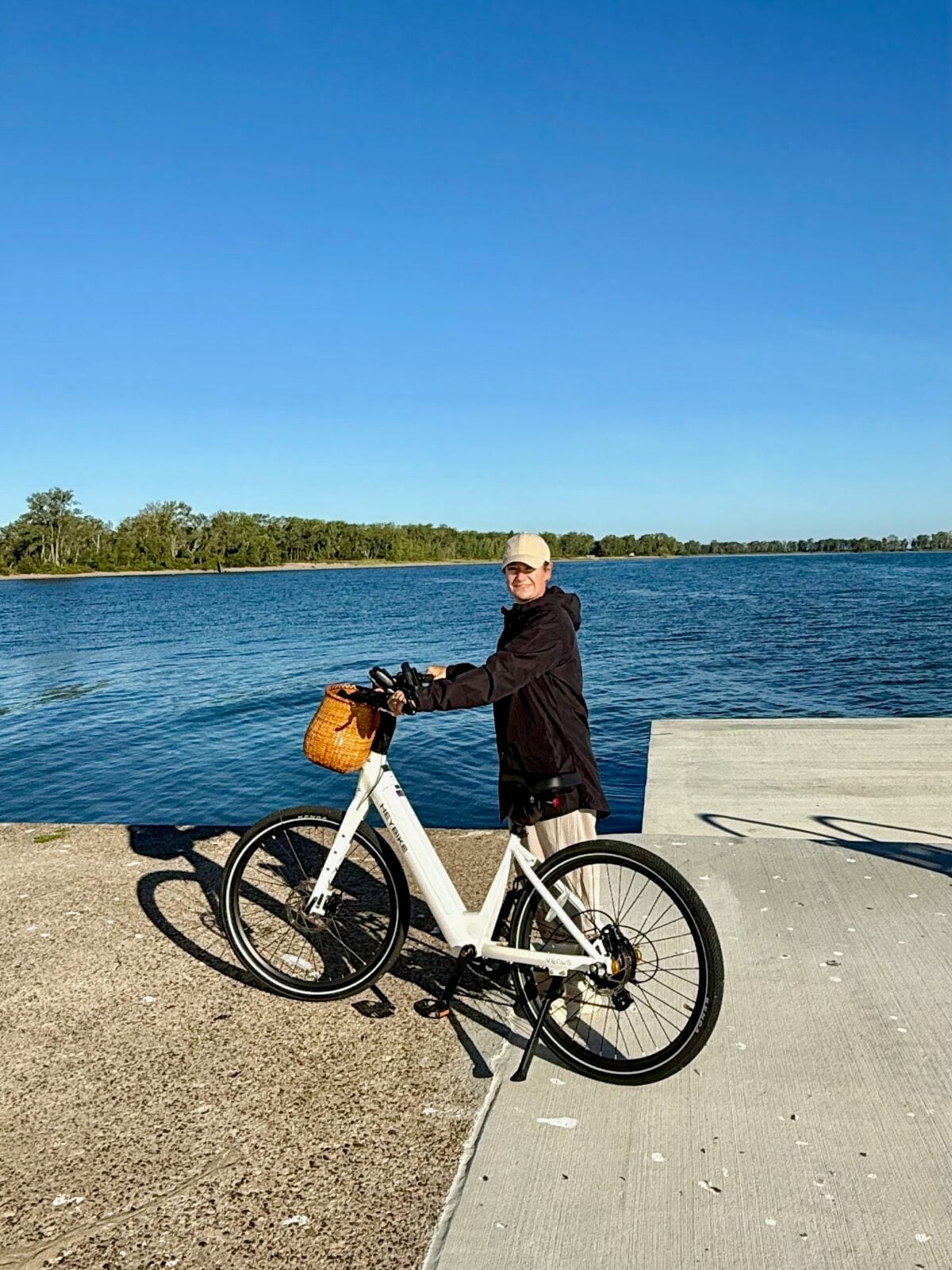
Torque sensors respond to how hard you push the pedals; cadence sensors detect pedal rotation. The controller and selected assist setting determine how the motor responds. Neither sensor type guarantees better range. Venus and Ruby let me choose between the two. I started with the throttle, became comfortable pedaling with cadence assistance, and now prefer torque mode when I want to contribute more effort.
How Pedal-Assist Level Changes Your Mileage
Higher assistance usually asks the battery to do more of the work. For a comparable route and speed, reducing assistance and contributing more of your own pedaling can help stretch a charge. How much extra distance you gain depends on the bike and conditions; there is no universal doubling rule.
A lower assist level also means your own pedaling carries more of the load. That is worth knowing on a day when range matters more than speed. If you want more miles from the same battery, adjust the assist dial first, before you question the bike’s spec sheet.
How Terrain, Weight, Wind and Weather Cut Into Range
Hills, headwinds, extra cargo and repeated acceleration can increase the energy needed for a ride. A loaded bike on a climbing route is a different outing from a steady cruise on level pavement.
Wind resistance is easy to underestimate. Higher speed and a headwind can make the motor work harder. If the wind changes during an out-and-back ride, your return trip may need more battery than the first half.
Cold weather can reduce available battery performance. The amount varies with temperature, battery condition and the ride, so I would not plan around a fixed percentage. Check tire pressure against your bike and tire guidance, pack only what you need, and leave extra reserve in unfamiliar conditions.
How Far Can an E-Bike Go on a Real Ride?
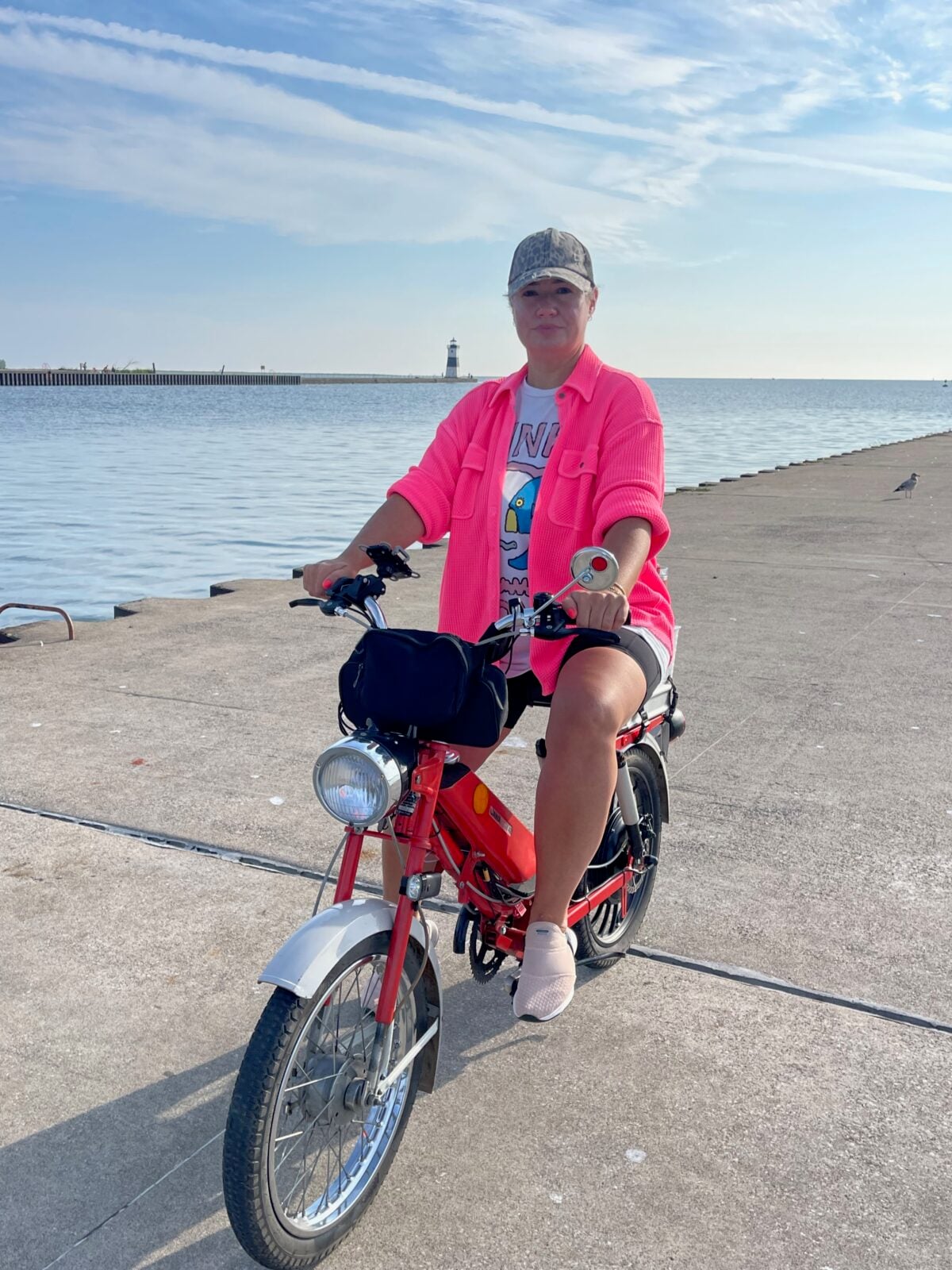
Manufacturer figures describe a best-case ride, not necessarily yours. On my Heybike Hybrid, which I named Ruby, I rode 49 hilly miles from Erie, Pennsylvania to a restaurant across the Ohio border. I rode mostly in pedal assist level 4 and finished with 40% of the battery left. Heybike lists the Hybrid with an 864Wh battery and up to 100 miles of range under its test conditions. I did not ride the battery to empty, so I cannot turn that 40% into an exact mileage. That is my experience on one outing, not a prediction for another rider.
According to Heybike’s Venus specifications, Venus carries a smaller 680Wh battery and is rated for up to 85 miles. Both figures are maximum claims, measured the way a spec sheet measures them. They are not a guarantee for your terrain or your weight. Treat any advertised Heybike range, or any brand’s range claim, as a comparison point, and plan your route with a comfortable reserve.
If you are shopping with range as a priority, start with your own riding style, not the biggest number on the box. The honest answer to how far can an e-bike go is that it depends on how you ride, not a single figure on a spec sheet.
Plan your next outing around a realistic range instead of the advertised maximum. Check the terrain and the forecast first. Pick an assist level that matches the distance you actually want to cover, then leave a reserve for the ride home. My Heybike Hybrid review walks through that 49-mile ride in more detail, and my Heybike Venus vs Hybrid comparison lays out both batteries side by side.
FAQ
How far can an e-bike go on one charge?
There is no single distance that applies to every e-bike. Battery size, assistance, speed, route and rider effort all matter. Start with the manufacturer’s stated test conditions, then use your own shorter rides to learn what is realistic for you.
Does rider weight affect e-bike range?
Yes. A heavier rider or a loaded cargo rack means the motor and your own pedaling both have to move more mass. Panniers, baskets, and accessories add to that same total weight.
Does cold weather reduce e-bike range?
Yes, cold weather can reduce available battery performance. The effect varies, so allow extra reserve and follow your battery’s temperature guidance for riding, charging and storage.
What is the biggest factor in e-bike range?
Battery capacity is a useful starting point, but energy use matters just as much. Speed, assistance, hills and rider effort can change the result substantially.
How much range do the Heybike Hybrid and Venus actually get?
Heybike advertises up to 100 miles for the Hybrid’s 864Wh battery and up to 85 miles for the Venus’s 680Wh battery, both maximum claims under test conditions. A real hilly ride, like a 49-mile outing that finished with 40% battery left, can land well inside that ceiling depending on terrain and assist level.
For more ride planning and equipment advice, visit my e-bike hub. Your own rides are the best guide to a comfortable turnaround point.