How Nasturtiums Benefit Vegetable Gardens
Nasturtiums (Tropaeolum majus) are among the hardest-working flowers a vegetable gardener can plant. Their round, water-lily leaves and bright orange, red, and yellow blooms look cheerful along bed edges, but their real value lies in what they do: lure pests away from crops, shade the soil, attract beneficial insects, and even end up on the dinner plate.
Few plants offer so much for so little effort, which is why nasturtiums have long grown beside cabbages and cucumbers. Many gardeners choose nasturtiums as excellent companion plants for edible crops, as well as for better ornamental appearance. To add these helpful blooms to the beds, browse premium flower seeds to buy.
Nasturtium Growing Conditions
Nasturtiums are famously easy, and they bloom best when treated with a little neglect. Rich soil and heavy feeding produce lush leaves but few flowers.
Key growing requirements:
- Light: full sun for 6–8 hours per day; light afternoon shade helps in hot climates.
- Soil: average to poor, well-drained soil with a pH of 6.0–7.5. Skip compost-rich beds and nitrogen fertilizer.
- Temperature: sow outdoors after the last frost, when soil reaches 55°F–65°F (13°C–18°C); frost below 32°F (0°C) kills plants.
- Sowing: soak the large seeds for 8–12 hours before planting, then sow 1/2–1 inch (1.3–2.5 cm) deep. Germination usually takes about 7–12 days.
- Spacing: 10–12 inches (25–30 cm) for bush types and 12–18 inches (30–45 cm) for trailing types.
- Water: about 1 inch (2.5 cm) per week; established plants tolerate short dry spells.
Bush varieties stay 12 inches (30 cm) tall and wide, while climbing and trailing types run 72–120 inches (1.8–3 m). Flowers appear 35–50 days after sowing and continue until frost. Nasturtiums dislike root disturbance, so direct sowing works better than transplanting.
Trap Crop Effect
A trap crop is a plant pests prefer over nearby vegetables. Nasturtiums are a classic example: black bean aphids, flea beetles, and cabbage white caterpillars often gather on their tender leaves instead of on beans, brassicas, and greens.
The key is placement. Sow nasturtiums 36–60 inches (90–150 cm) from the crop you want to protect. Put them at the edge of the bed or in a separate strip, so pests are drawn outward rather than into the vegetables. Sow them 2–3 weeks before the main crop goes in, so the trap is ready when pests arrive.
Check the trap plants every few days. When aphid colonies build up, pinch off and destroy the infested shoots, or pull a heavily infested plant entirely and bag it. Left unmanaged, a trap crop can turn into a pest nursery, so regular removal is what makes the method work.
Act as Living Mulch
Trailing nasturtiums spread quickly into a dense green carpet that works like a living mulch. Their broad leaves shade the soil, keeping it several degrees cooler on hot days, which helps nearby crop roots and reduces evaporation. The thick cover also smothers many annual weeds before they can establish.
They work especially well beneath tall or vining crops such as corn, pole beans, tomatoes, and trellised cucumbers, as well as under fruit trees and berry bushes. Sow seeds 12–18 inches (30–45 cm) apart around the base of established plants, keeping them 6 inches (15 cm) from the stems. Seeds from KVITER are a simple way to fill these gaps with a cover that flowers all summer. In autumn, you can leave frost-killed foliage in place to break down and return organic matter to the soil.
Pest Control
Beyond trapping, nasturtiums contribute to a broader pest-management strategy. Their peppery, mustard-oil compounds give off a scent that may confuse or discourage some insects searching for host plants, although results vary from garden to garden.
Common companion pairings used by experienced growers:
- Squash and zucchini: experienced growers traditionally plant nasturtiums nearby to discourage squash bugs.
- Cucumbers and melons: a border of nasturtiums helps deter cucumber beetles.
- Cabbage, kale and broccoli: nasturtiums pull cabbage white butterflies and aphids away from the heads.
- Fruit trees: a ring of nasturtiums around the trunk is an old remedy against woolly aphids.
- Potatoes and tomatoes: edge plantings add diversity that helps break up pest patterns.
Nasturtiums work best as part of a mixed system rather than a single cure. Combine them with crop rotation, row covers on young brassicas, and regular inspections for the strongest results.
Pollinators and Predators Attraction
The funnel-shaped nasturtium flower holds nectar in a long spur at the back, a perfect fit for bumblebees and hummingbirds. More pollinator visits mean better fruit set on nearby squash, cucumbers, melons, beans, and tomatoes.
Just as valuable are the predators nasturtiums support. Aphids that gather on their leaves become food for ladybugs, lacewing larvae, and hoverfly larvae, which then spread through the garden and hunt pests on the vegetables. Ground beetles and spiders also shelter under the dense leaf cover. In this way, a small patch of nasturtiums becomes a breeding ground for the garden’s own pest-control team, especially when you avoid sprays.
Nasturtium Flowers and Leaves in Cooking
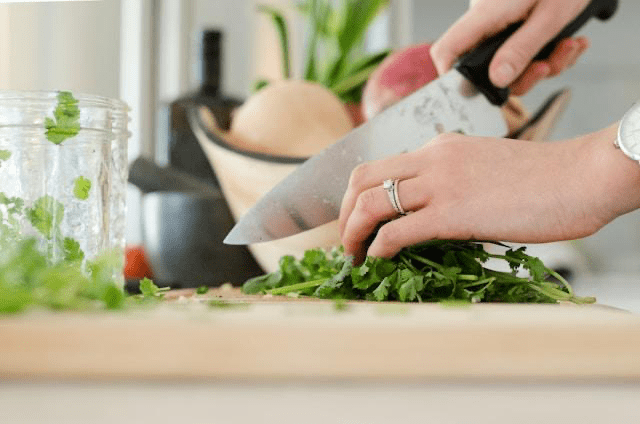
Every part of the nasturtium above ground is edible, with a peppery bite similar to watercress or radish. Leaves and flowers are also rich in vitamin C.
Popular ways to use nasturtiums in the kitchen:
- Salads: toss young leaves with lettuce and scatter whole flowers on top for color.
- Pesto: blend leaves with garlic, olive oil, nuts, and cheese for a spicy green sauce.
- Stuffed flowers: fill blossoms with soft cheese or herbed cream cheese as an appetizer.
- Herb butter and vinegar: chop petals into butter or steep flowers in white vinegar for 2–3 weeks.
- “Poor man’s capers”: pickle green seed pods in brine and vinegar, then store for 4–6 weeks before eating.
Harvest in the cool morning, when flowers and leaves are freshest, and rinse gently to remove insects hiding in the spur. Pick only from plants that have not been sprayed, and keep trap-crop plants separate from those grown for the table.
A Few Final Words
Nasturtiums prove that a single flower can play many roles. They lure pests away from vegetables, shade and protect the soil, feed pollinators, shelter beneficial insects, and add peppery flavor and color to meals. All they ask for is sun, modest soil, and a little space at the edge of a bed.
Trusty stores, like KVITER, sell heirloom flower seeds with strong, even germination. With these products, you can grow different nasturtium varieties with ease and support your planting ecosystem. A handful of nasturtium seeds sown this spring can make the whole garden healthier, more productive, and more beautiful.