
How to Increase Your Fruit and Veg Intake Sustainably
It’s 6pm, the kids are hungry, the fridge is half empty, and the bag of spinach you bought with big plans on Sunday has slowly turned to slime. Sound familiar?
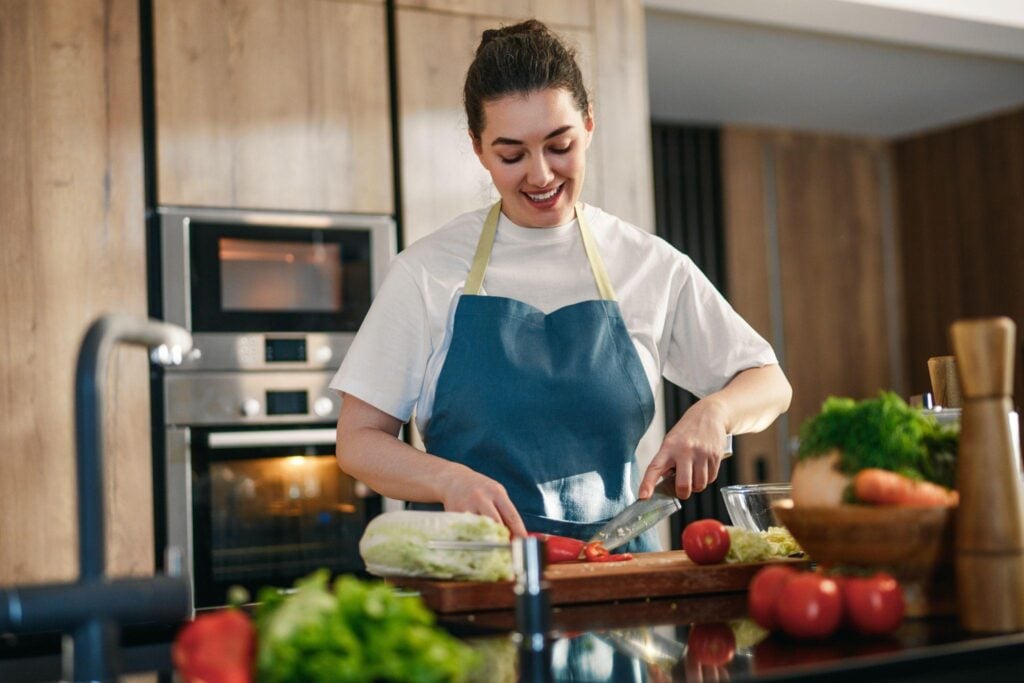
You’re not alone. Only about 1 in 10 American adults eat the recommended 1½ to 2 cups of fruit and 2 to 3 cups of vegetables a day, according to the CDC. Not because we don’t care but because life is busy, and good intentions don’t cook dinner.
The fix isn’t a strict diet or a total kitchen overhaul. It’s simply a handful of small habits that make fruit and veg the easy choice, week after week.
Here are six that actually stick, plus a free 7-day meal plan and shopping list to get you started.
1. Plan Your Week, Then Write Your Shopping List From It
This one habit makes every other one easier, promise! When you know what you’re eating, you buy what you need and you waste less. And not to mention, you’re far less likely to turn towards takeout because you have a clear plan.
The research backs it up. A French study of more than 40,000 adults found that people who planned their meals ate a wider variety of foods, had better overall diet quality and were less likely to be obese.
Keep it simple:
- Pick one evening a week to plan. Sunday works well for most families.
- Check what’s already in the fridge and cupboards first, and use that up. Make sure you prioritise meats that are closest to their use by date.
- Write your shopping list straight from the plan. Then stick to it.
- Reuse ingredients across the week. A bag of spinach can go into a smoothie, a soup and a pasta sauce.
Not sure where to start? Use our sample plan and shopping list at the end of this post.
2. Batch Cook When You Have Time
Weeknights are short, but weekends usually aren’t. Spend an hour or two cooking in bulk and you’ll have produce-packed meals ready when you need them most.
The secret is to pack the veg in at the batch stage. Once it’s cooked into the meal, it’s done. No one has to remember to add a side salad on a Tuesday.
- Chili: add extra peppers, onions, carrots and two kinds of beans.
- Soups: lentil and vegetable soup freezes well and reheats in minutes.
- Pasta sauce: blend in grated zucchini, carrots and spinach. Kids rarely notice.
- Roasted tray veg: roast a big tray of sweet potatoes, broccoli and red onion to add to salads, wraps and bowls all week.
Don’t forget your freezer. Frozen fruit and veg are picked and frozen at their peak. Research from UC Davis found frozen produce was generally as nutritious as fresh, and sometimes more so. It’s cheaper, it lasts longer and it cuts waste.
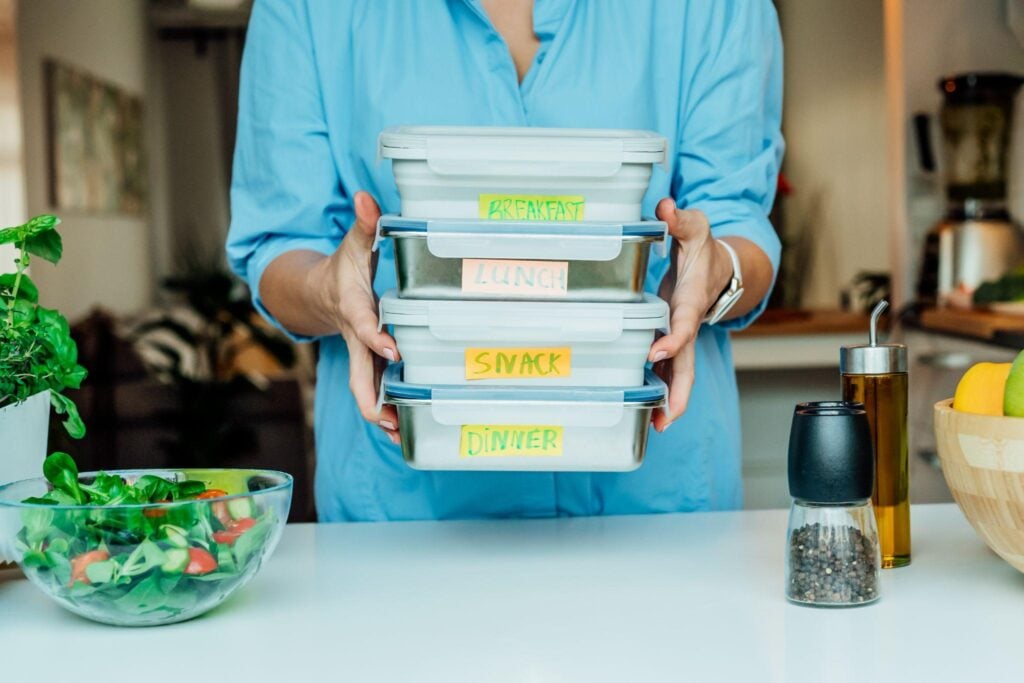
3. Add Fruit or Veg to Every Meal
Here’s a simple rule. Every time you eat, add one fruit or vegetable. That’s it, and a lot of the time you won’t even notice it is there.
According to the CDC, most adults eat their fruit at breakfast and their veg at dinner. That leaves lunch and snacks as easy wins. Small additions quickly add up across a day:
- Breakfast: berries on oatmeal, spinach in your eggs or a sliced pear on toast.
- Lunch: a handful of greens in your wrap, or carrot sticks and cherry tomatoes on the side.
- Dinner: aim for half your plate to be veg. Add an extra one to whatever you’re cooking.
Mix your colors, too. Different colored produce gives you different nutrients. And pair smartly. Vitamin C from peppers or citrus helps your body absorb the iron in leafy greens and beans.
4. Look at Whole Food Nutrition Products
Even with the best plan, some weeks just get away from you, we totally get it. Late meetings. Sick kids. A fridge that’s emptier than you’d like.
This is where whole food nutrition, such as superfood drinks or fruit and veggie capsules, can play a part. These products are made from real fruit and vegetables, so they can help fill the space between what you mean to eat and what you actually eat.
Think of them as an extra layer, not a shortcut. They work alongside a plate full of fresh produce, never instead of it. Your meals still come first.
5. Make Smoothies Your Secret Weapon
Smoothies are one of the fastest ways to get two or three portions of produce in one go. Five minutes, one blender and voilà, breakfast is done.
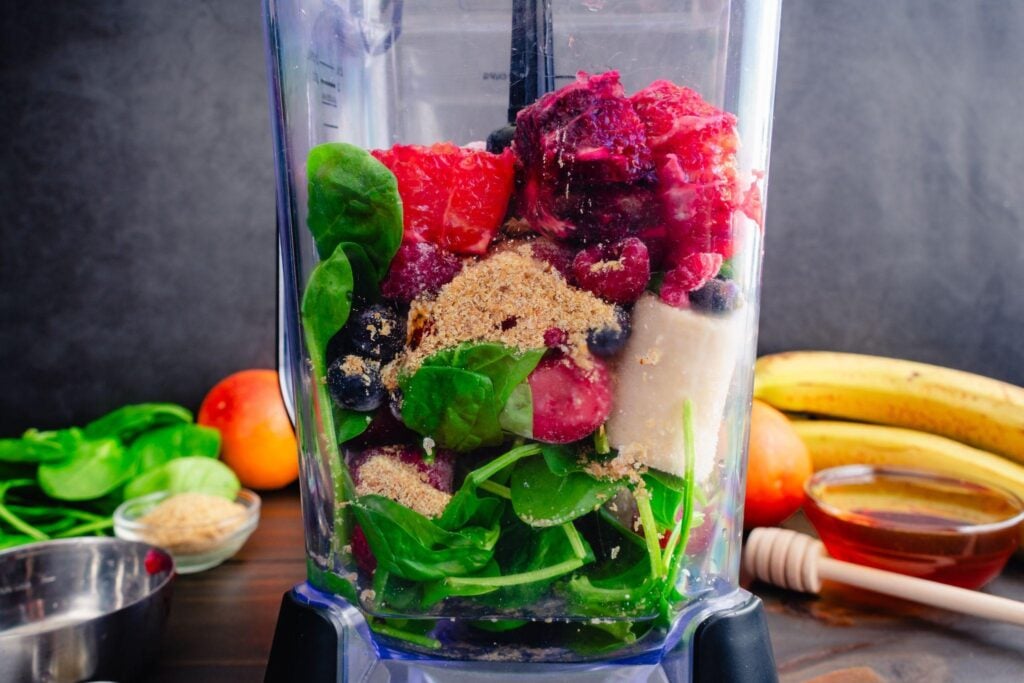
Top tip: Blend whole fruit rather than juicing it because blending keeps the fiber. Juicing removes most of it, and fiber is what keeps you full and supports healthy digestion. A whole orange has many times more fiber than a glass of orange juice.
Our go-to formula:
- A handful of greens: spinach is mild and disappears into the blend.
- One cup of fruit: frozen berries, banana or mango.
- A protein: Greek yogurt, milk or a spoonful of nut butter.
- Liquid to thin: milk, water or unsweetened almond milk.
Another great habit is to prepare smoothie packs on the weekend. Add the fruit and greens to freezer bags, then tip one into the blender each morning with your liquid.
6. Prepare Your Snacks in Advance
Snacks are where good habits often slip for most people, especially when the 3pm sweet tooth hits. When you’re hungry and short on time throughout the day, you tend to grab what’s easiest, we all do. So make the easiest thing a healthy one.
Our favorite? Blueberry baked oats. Mix rolled oats, eggs, milk, mashed banana, cinnamon and a big handful of blueberries. Bake in a tray, slice into squares and keep in the fridge for the week. One cup of blueberries gives you around 3.5 grams of fiber, and they work just as well frozen. When eaten warm with greek yogurt, it tastes very similar to cake!
More easy snack ideas:
- Carrot, cucumber and pepper sticks with hummus, chopped and ready in a container at eye level in the fridge.
- Apple or pear slices with peanut butter. Leave the skin on: a medium pear has around 6 grams of fiber, and much of it is in the skin.
- A fruit bowl on the counter. If you can see it, you’ll eat it.
- Frozen grapes or banana “nice cream” for a sweet treat.
Your Free 7-Day Meal Plan
Here’s a simple week of family meals, built to show every tip in action. Sunday is batch day: the chili, soup, baked oats and roasted veg you make then carry you through the week. Swap meals around to suit your family.
| Day | Breakfast | Lunch | Dinner | Snack |
| Sun (batch day) | Pancakes with mixed berries | Lentil and vegetable soup | Roast chicken with carrots, parsnips and broccoli | Veggie sticks and hummus |
| Mon | Blueberry baked oats | Leftover veggie chili with spinach | Salmon with roasted sweet potato and broccoli | Apple slices and peanut butter |
| Tue | Spinach, banana and berry smoothie | Salad with roasted tray veg, chickpeas and feta | Chicken and veg stir-fry with brown rice | Veggie sticks and hummus |
| Wed | Blueberry baked oats | Chili-stuffed sweet potato | Turkey meatballs in veggie-packed tomato sauce with pasta | Banana |
| Thu | Greek yogurt with berries and pear | Lentil and vegetable soup | Sheet-pan chicken thighs, Brussels sprouts, carrots and red onion | Blueberry baked oats square |
| Fri | Spinach, banana and berry smoothie | Hummus wrap with spinach, grated carrot and peppers | Homemade pizza with peppers, mushrooms and spinach, side salad | Clementines |
| Sat | Veggie omelet with spinach, peppers and mushrooms | Lentil and vegetable soup (from the freezer) | Black bean tacos with peppers, onion, salsa and avocado | Pear slices |
Your Shopping List
Written straight from the plan above. Quantities are approximate for a family of four, so adjust them to suit you. Check your cupboards first and cross off what you already have.
Fresh produce
- Spinach, 2 large bags
- Mixed salad greens, 1 bag
- Broccoli, 3 heads
- Bell peppers, 8 (mixed colors)
- Carrots, 2 lb bag
- Parsnips, 1 lb
- Sweet potatoes, 6
- Brussels sprouts, 1 lb
- Zucchini, 2
- Mushrooms, 8 oz
- Cucumber, 2
- Celery, 1 bunch
- Yellow onions, 4
- Red onions, 3
- Garlic, 1 bulb
- Avocados, 2
- Lemons, 2
- Bananas, 8
- Apples, 4
- Pears, 4
- Clementines, 1 bag
Frozen
- Blueberries, 2 bags
- Mixed berries, 2 bags
Protein
- Whole chicken (about 4 lb)
- Chicken thighs, 3 lb
- Salmon fillets, 4
- Ground turkey, 1 lb
- Eggs, 2 dozen
Dairy
- Greek yogurt, 1 large tub
- Milk, 1 gallon
- Feta, 1 small block
- Shredded mozzarella, 1 bag
Pantry
- Rolled oats
- Pancake mix or flour
- Brown rice
- Whole-grain pasta
- Whole-wheat wraps
- Corn tortillas
- Pizza bases, 2
- Red lentils, 1 lb
- Kidney beans, 2 cans
- Black beans, 3 cans
- Chickpeas, 1 can
- Diced tomatoes, 4 cans
- Tomato sauce, 1 jar
- Low-sodium stock, 2 qt
- Hummus (or tahini to make your own)
- Peanut butter
- Salsa
- Low-sodium soy sauce
- Olive oil
- Maple syrup
- Cinnamon, chili powder, cumin, smoked paprika
Small Changes, Big Difference
You don’t need to get it perfect. Start with one habit this week. Maybe it’s a shopping list. Maybe it’s a tray of baked oats. Once that sticks, add another.
That’s what sustainable really means: habits you can keep up on a busy Tuesday, not just a quiet Sunday. Over weeks and months, those small changes add up to a much healthier way of eating for you and your family.