What Your Body’s Telling You: Subtle Signs of Hormonal Shifts Every Woman Should Know
Women go through several hormonal shifts in their lifetimes, and each one can have a major impact. It can affect your personality, physical state, and even your psychology.
The biggest one for most women as they enter their forties is perimenopause, a period leading up to menopause that can last up to a decade. It comes with lowering estrogen and progesterone levels, which can be jarring if you’re not prepared. Here are some subtle signs to watch for, as well as tips to address them.
Vaginal Dryness and Itchiness
Estrogen is responsible for a lot of the moisture in the body. As those hormone levels begin to drop, you might experience dryness throughout your body.
Your scalp may start itching, your skin may feel dry, and you may lose a lot of moisture in your vaginal area. Vaginal dryness can cause itchiness and discomfort and even make sexual intercourse painful. In the long term, it can even lead to urinary tract infections.
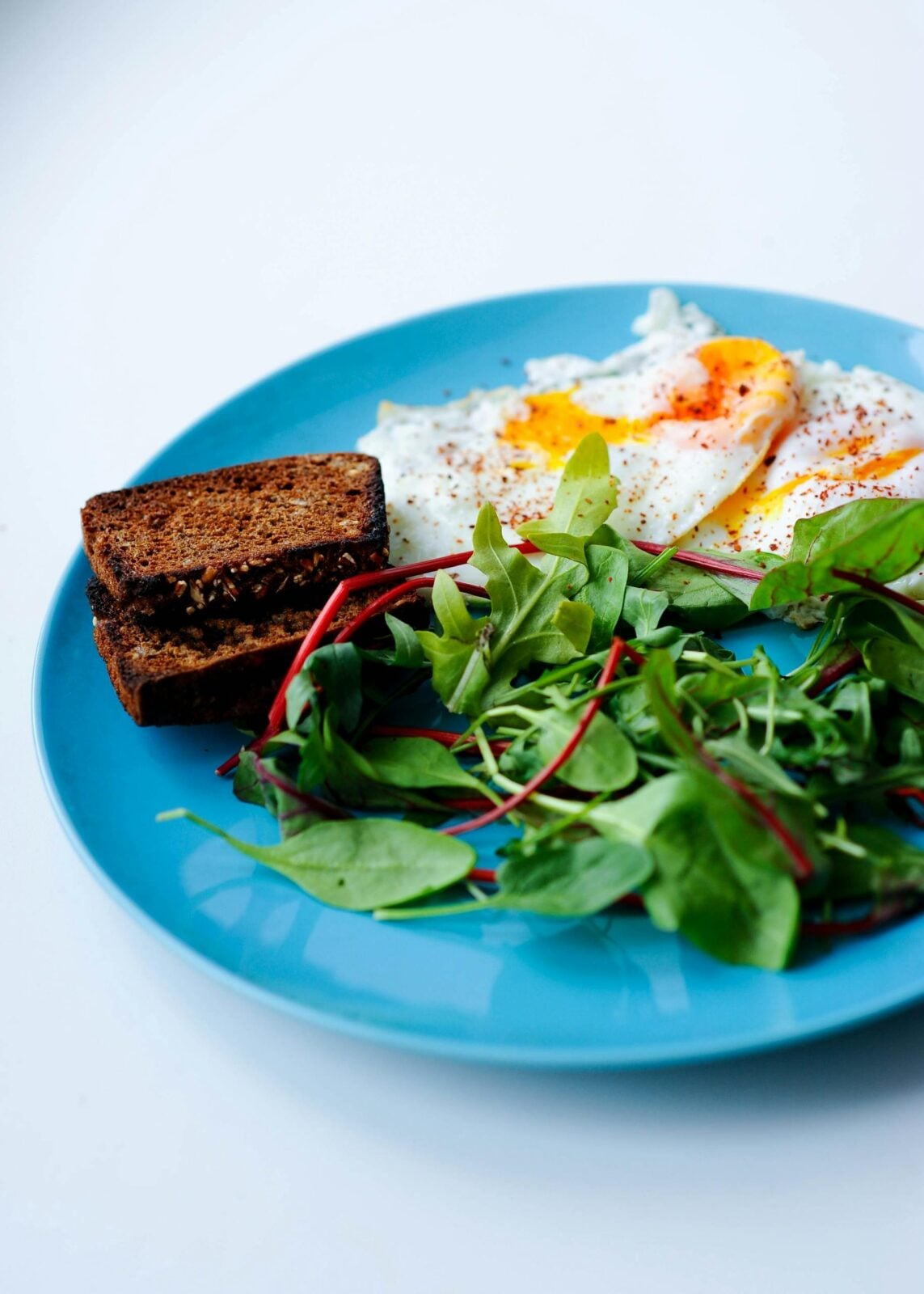
Fortunately, there are several ways to address vaginal dryness. For long-term maintenance and prevention, you can eat foods that help add back moisture, rich in healthy fats. These include soy products, like edamame, fatty fish, like salmon or sardines, and sweet potatoes. In the short term, you can invest in a good vaginal moisturizer, which can bring immediate relief.
Weight Gain
As you enter the second half of your life, you may notice yourself putting on a few extra pounds with no obvious explanation. The estrogen drops can slow your metabolism and interfere with your satiety signals. This means you keep eating even when you’re not hungry anymore. Perimenopause is also when fat distribution begins shifting, so you may carry more weight around your midsection.
The number one action you can take to combat weight gain is movement. You should also be careful not to overeat or start bingeing on sugary or processed snacks. But the reality is that adding in more steps each day and lifting heavy weights is essential for women as they age.
It can not only help stave off weight gain, but it can also help with many of the other issues that can impact natural vaginal moisture and overall sexual health.
Low Libido
Perimenopause becomes a sort of vicious cycle of one symptom feeding into the other. Low libido is one perfect example. Estrogen levels may affect your desire for intimacy, but so, too, will weight gain and vaginal dryness. So, you’re not sure where one symptom ends and the other begins, or which is causing which. Sex is critical in most healthy, committed relationships, so you don’t want to just accept that your sex drive is disappearing.
Exercise is a great way to help increase your libido because it has multiple positive outcomes. It gets your blood flowing, increases your stamina, and improves your body image. Plus, it relieves stress, anxiety, and depression, so you’re in a better mood.
A better mood can easily become an amorous mood under the right circumstances. Plus, be sure to talk to your partner about what you’re going through, so you don’t create distance or hurt feelings unnecessarily. Adding vaginal moisturizers or a lubricant can also support sexual function which is important for you and your partner.
Night Sweats and Insomnia
Exercise is also helpful when it comes to insomnia. Many women going through perimenopause struggle to find restful sleep. Hormonal shifts can cause the body’s temperature to skyrocket, making you feel like you’re one giant hot flash. While it might be manageable during the day, it can feel impossible at night. After all, a big part of falling asleep and staying that way involves getting your body cool enough.
And yes, exercising can help with this symptom. How? When you move your body vigorously enough during the day, you set yourself up to be tired at night. Exercise also helps your body regulate its internal temperature better, so it might not swing so wildly hot at night. In addition to moving more, make sure to keep a fan in your room, turn your air conditioner on at night if you need to, and keep cold water by the bed.
Anxiety, Depression, and Mood Swings
One of the hardest parts of perimenopause is the psychological aspect. Even if you don’t experience full-blown anxiety or depression as a disorder (which is quite common), you might have wild mood swings.
One moment you feel fine, and the next, you’re snapping at your loved ones or a person at the supermarket. It can feel like all of life’s frustrations are resting on your shoulders, and you can’t catch a break.
But you can and you should catch a break because everyone deserves one. First, understand that you’re totally normal and 50% of the world’s population goes through what you’re going through. You’re not alone.
You can get help through therapy or even just a walking group with other women in the same situation. Solidarity and togetherness can work wonders. Also, consider yoga, pilates, or another practice that encourages you to slow down, stretch, and meditate.
Ultimately, hormonal shifts are just a part of life for women. And it would serve women so much better if there were more discussions about what to do about them. It can feel isolating and frustrating to go through something so impactful alone. One of the most powerful moves you can make during this time is to find the others.
Find or create a support group, come up with resolutions together, and know that you can get through this. And you’ll come out the other side a little older, a lot wiser, and, ideally, a lot happier.