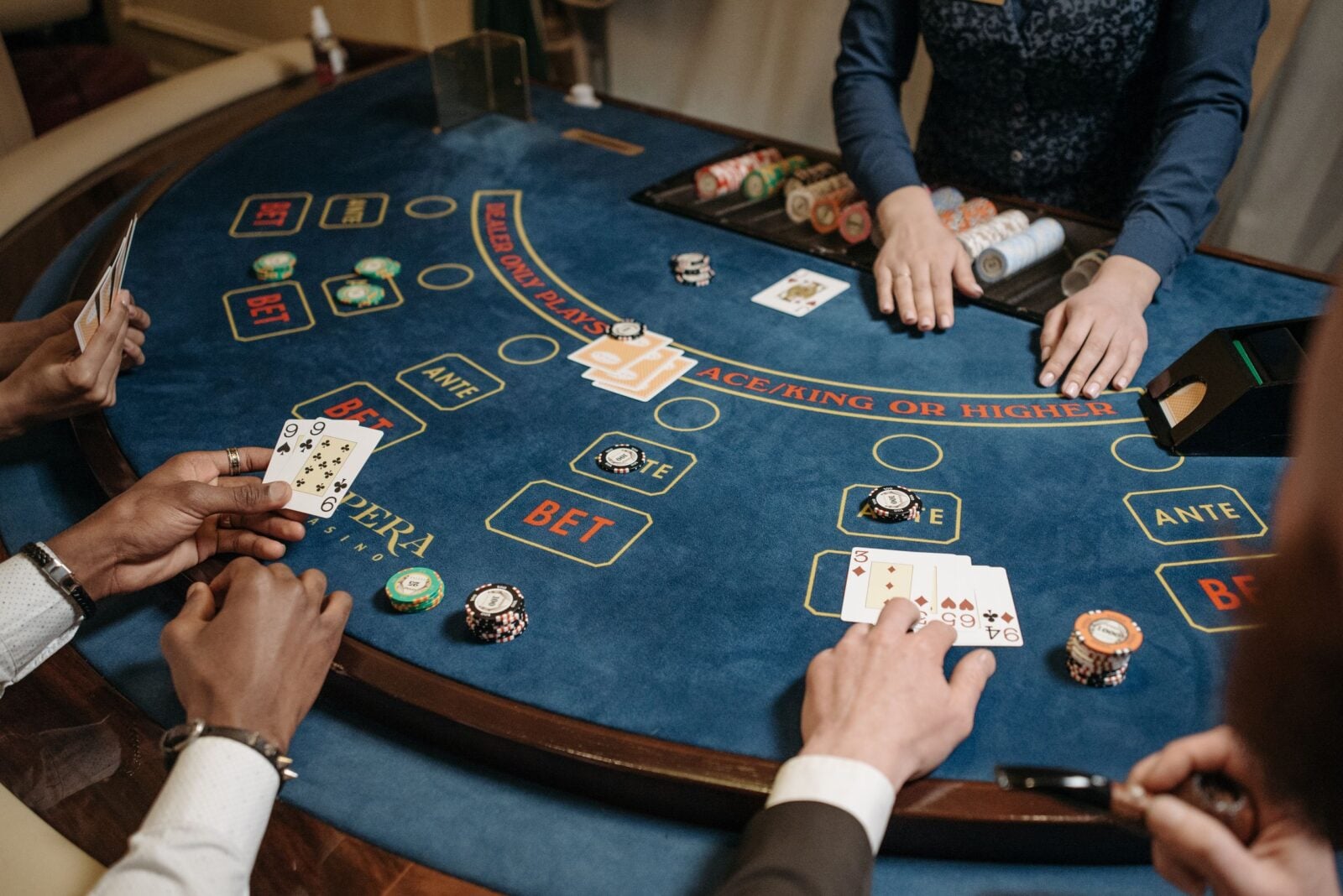
Blackjack Card Counting Online: Why It Doesn’t Work
Most casino myths fade quickly once enough players test them. Card counting on internet blackjack is the exception. The legend has hung around for decades, propped up by the 21 movie, dog-eared copies of Beat the Dealer, and the genuine fact that counting works at certain land-based tables. The reality of online blackjack defeats all of that within the first hand, and the reasons are worth understanding for anyone who plays the game seriously.
What Card Counting Actually Does
Card counting works by tracking the ratio of high cards (tens, face cards, aces) to low cards (twos through sixes) left in the shoe. The Hi-Lo system that Edward Thorp popularized in 1962 assigns each rank a value of +1, 0, or -1, and the player keeps a running tally as cards leave the table. When the tally goes positive, the remaining shoe is rich in high cards, which favors the player. When it goes negative, the shoe favors the dealer. A skilled counter raises bets in positive counts and shrinks them in negative ones, converting a 0.5% house edge into roughly a 0.5% to 1.5% player edge under good conditions. Modern online catalogs look nothing like that single shoe. The same game now sits inside dozens of variants at most operators, and the blackjack rails on offer at the casinonv split it into classic, multi-hand, and live dealer formats, each with its own shuffle behavior and house edge. Online blackjack is built as a portfolio of formats rather than a single table, and the structural variety is what makes counting unworkable across the catalog.
The Land-Based Conditions That Made Counting Famous
Counting only works under a specific set of physical conditions, none of which apply by default to the online version. The MIT team and the players profiled in Bringing Down the House operated under circumstances that have largely vanished from modern casino floors:
- A shoe of six or eight decks shuffled by hand, not machine.
- Deep deck penetration, typically 75 to 80% before reshuffling.
- A pit boss who could not flag betting patterns in real time.
- Tables where bet spreads of 1-to-10 or wider did not trigger immediate scrutiny.
- A pace of 60 to 80 hands per hour at a single table.
The combination produced enough information per shoe to make a count reliable and enough time to bet on it before the cards were reshuffled. Each of those conditions has been weakened or removed in the casino response, and the online version has eliminated every one of them by design.
Why Online Blackjack Is Built to Defeat the Count
Online operators run two flavors of blackjack, and each shuts down counting through a different mechanism.
| Format | Why Counting Fails | Typical Setup |
| RNG (software) blackjack | Deck reshuffles after every hand | 6-8 virtual decks, fresh count every round |
| Live dealer blackjack | Penetration capped at 50% | 8-deck shoes, dealer reshuffles early |
| Live dealer with CSM | Continuous shuffler resets after each hand | 8 decks, no countable shoe |
The RNG version is the simpler case. The software draws each hand from a freshly shuffled virtual deck, so any running count returns to zero on every deal. There is no shoe to penetrate and no information to carry between rounds. Live dealer blackjack uses physical cards on a real table, but the casinos that stream those tables have set the reshuffle point at around 50%, well before a Hi-Lo count can develop into a true count usable for serious betting. Many of those tables also use Continuous Shuffling Machines that reset the deck composition after every hand, removing the count entirely. A player who wants to put basic strategy to work will find the full variant range on the blackjack nv casino pages, with classic shoes, multi-hand tables, and live dealer rooms each carrying their own published rules.
What Actually Lowers the House Edge Online
The honest answer for an online player who wants the best math on their side is to learn basic strategy and apply it consistently. Basic strategy is a free, publicly available chart that maps the correct play for every player hand against every dealer up-card. Used correctly, it pushes the house edge down to roughly 0.5%, which sits below most table games and well below slots.
The Smaller Levers Worth Pulling
A handful of secondary adjustments tighten the math further. Picking variants where the dealer stands on soft 17 saves about 0.2% over hit-soft-17 rules. Avoiding side bets like Perfect Pairs and 21+3 matters because those wagers carry house edges in the 4 to 6% range, far worse than the main hand. Looking for blackjack pays 3:2 rather than 6:5 saves another 1.4% on the natural hand, which is significant over a session. The MIT trick was real once, and a small number of players still grind it out at live tables with deep penetration. The online version is closed to that approach by design, and the time players spend learning Hi-Lo for the screen would be better spent memorizing basic strategy and reading the rule variant on each table.