Chicken stock, beef stock, pork stock.. it all is the same when it comes to canning….. This is such a quick and easy recipe 🙂 I would rather “can” my stock instead of storing it in the freezer… why waste the space and electricity??? And it’s so easy to pull out a jar of stock – it doesn’t require thawing!!
Here’s how to Can Chicken Stock:
Wash & Sterilize your jars (I sterilize mine in the oven at 215 for 30 minutes on a cookie sheet)
Heat your lids in a pot of water over medium heat
Heat your stock until it’s just about simmering…
Fill your sterilized jars with hot stock, leaving 1 inch head space
Secure 2 part lids
Pressure can at 10 pounds of pressure for 20 min for Pints and 30 min for Quarts…
Yes. You MUST Pressure Can stock. No excuses…. well unless you want to get really, really sick! Oh if you want to can stock with meat chunks in it.. increase your times to 1 hr for pints and 1 hr + 15 min for quarts!
Adding fermented foods to your diet is an inexpensive and delicious way to speed your body’s healing process and eliminate your symptoms. Learn the 5 Reasons you should eat Fermented Foods at Every Meal
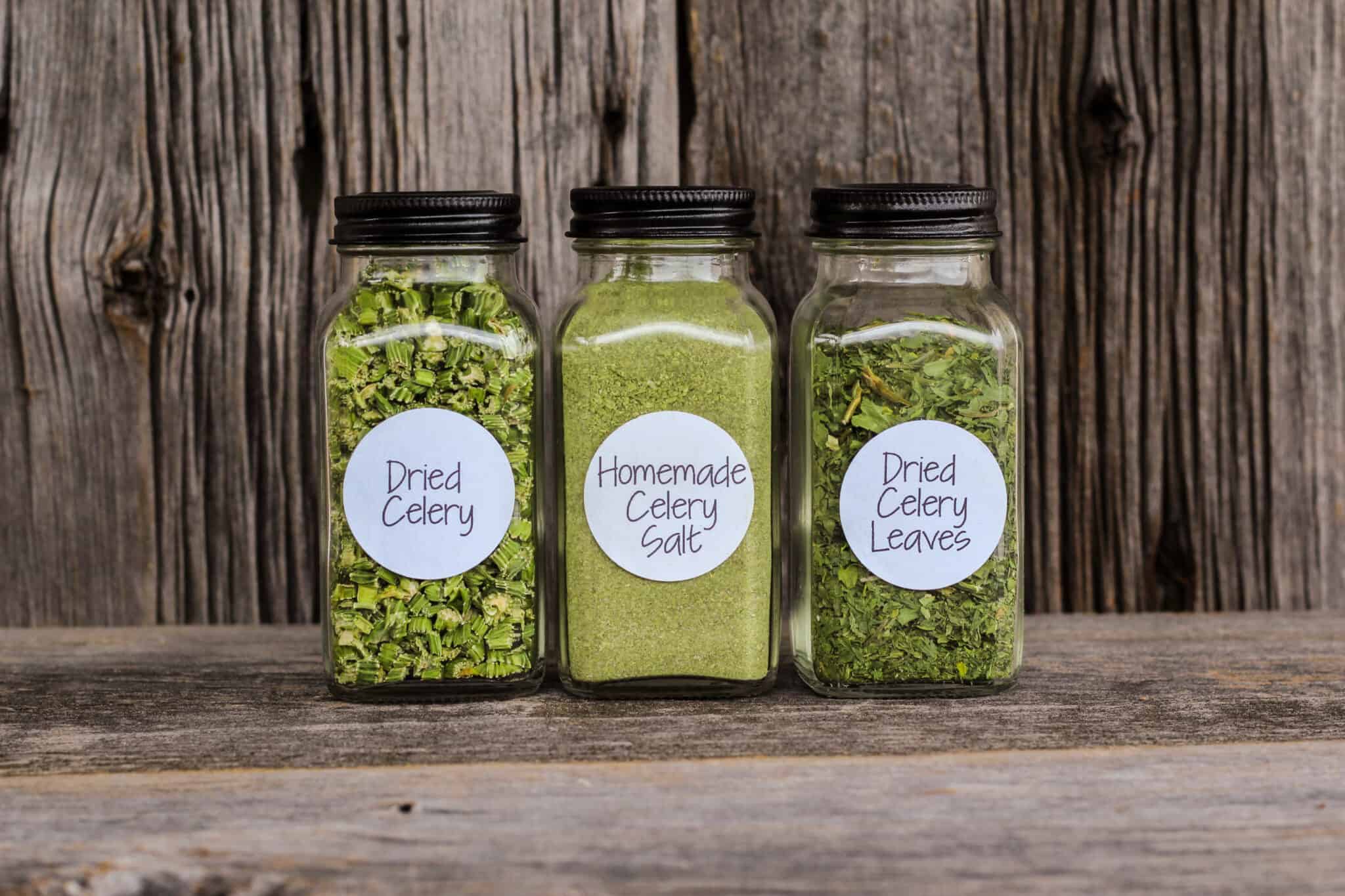
Celery is an inexpensive and versatile vegetable that can be used in a wide range of recipes. And the stalks can be dried to make homemade celery salt. Learn how to do both in this article.
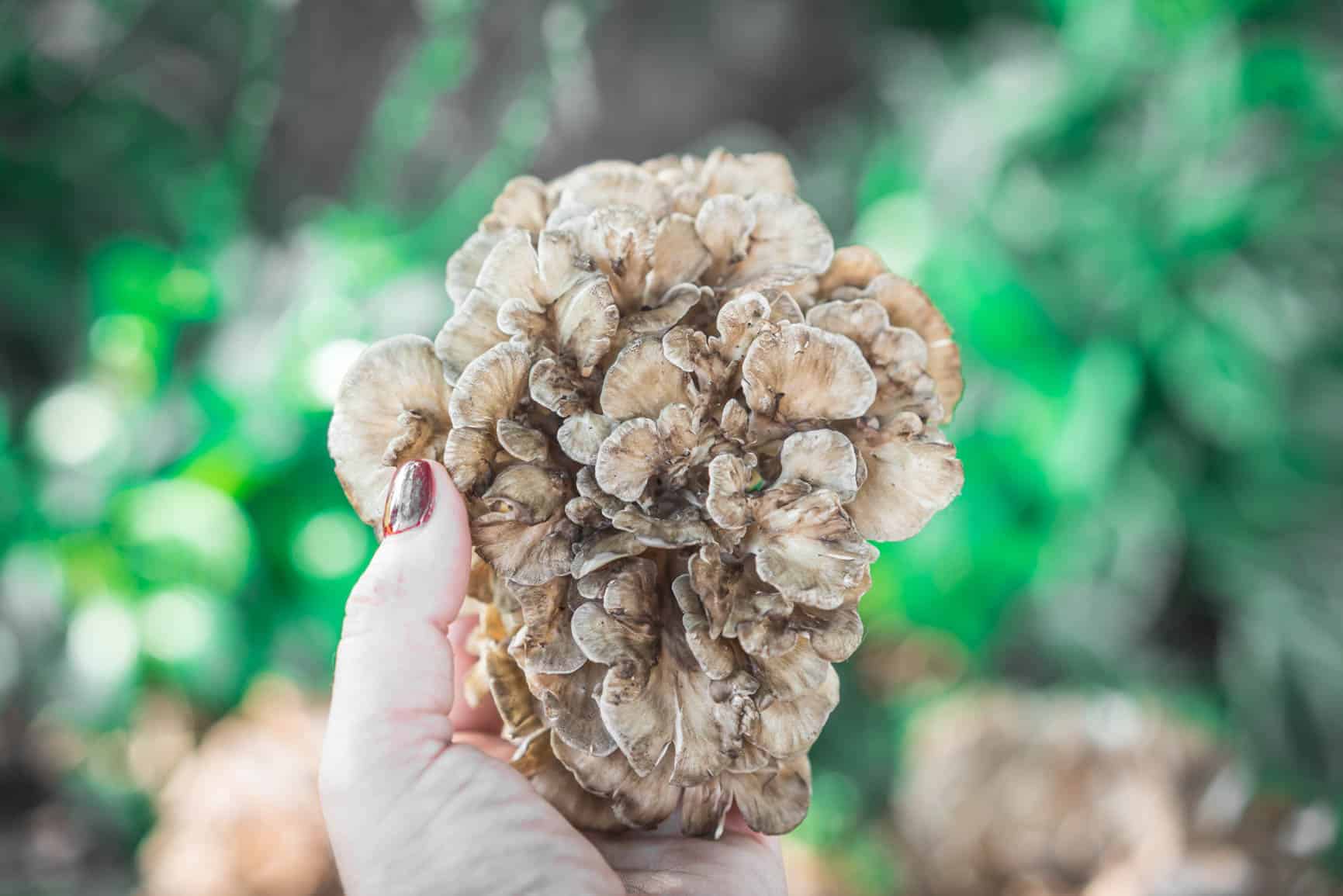
Fall is so amazing. Not only are the temperatures here in Pennsylvania finally cooling down, it’s also peak season for foraging for Maitake Mushrooms (aka Hen of the Woods). And I’m glad to share the 5 Best Ways to Preserve Maitake Mushrooms to make your harvest last all year long!
A spicy twist on classic dilly beans, my Spicy Pickled Dilly Green Beans recipe uses chili peppers to turn up the heat this summer! With the fresh flavor of dill, garlic, and mustard seeds, these pickled beans are a great new addition to your summer spread.
Whey is often called for as a culture starter in foods like lacto-fermented vegetables, beverages, and grains and flours. It can be obtained from yogurt, kefir, cultured buttermilk, clabbered milk, and some cheeses. Whey is full of the beneficial bacteria and enzymes found in these cultured dairy products. By using whey, the ferment is inoculated…
7 Comments
I have never canned before and am getting 15 chickens tomorrow to do just that! Needless to say, I’m doing an awful lot of reading up on the subject. I would also like to can the stock but am not sure how to get the stock. You said something about simmering the bones and other pieces for 3 days. Can you explain exactly what I need to do step by step? Thanks for the web-site, it is very helpful!
I just put the bones and other yummy little pieces in a big pot, covered with water, and simmered for 3 days.. then strained out the stock!
Do you simmer on the stove top for 3 days or in a crock pot?
both work the same! I prefer the crock pot to save energy.
Does this method (with the boiling-pressure canning) allow the nutrients to stay in the stock? or is the goodness “killed”?
thanks, this is a great idea
Stef – since it’s completely contained in the jar, there is no way for anything to escape 🙂

 Chicken stock, beef stock, pork stock.. it all is the same when it comes to canning….. This is such a quick and easy recipe 🙂 I would rather “can” my stock instead of storing it in the freezer… why waste the space and electricity??? And it’s so easy to pull out a jar of stock – it doesn’t require thawing!!
Here’s how to Can Chicken Stock:




I have never canned before and am getting 15 chickens tomorrow to do just that! Needless to say, I’m doing an awful lot of reading up on the subject. I would also like to can the stock but am not sure how to get the stock. You said something about simmering the bones and other pieces for 3 days. Can you explain exactly what I need to do step by step? Thanks for the web-site, it is very helpful!
I just put the bones and other yummy little pieces in a big pot, covered with water, and simmered for 3 days.. then strained out the stock!
Do you simmer on the stove top for 3 days or in a crock pot?
both work the same! I prefer the crock pot to save energy.
Does this method (with the boiling-pressure canning) allow the nutrients to stay in the stock? or is the goodness “killed”?
thanks, this is a great idea
Stef – since it’s completely contained in the jar, there is no way for anything to escape 🙂