Everyday Habits That Can Help Protect Your Joints as You Age
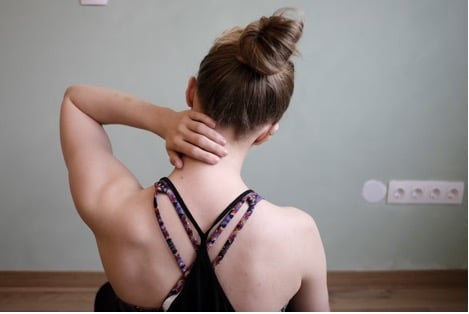
Healthy joints play an important role in staying mobile and independent, but years of everyday movement can gradually affect how comfortable and flexible they feel. People dealing with persistent shoulder problems can use the Tennessee Orthopaedic Alliance East Tennessee orthopedic shoulder pain specialist page to learn about shoulder conditions, available treatments, and surgical options for patients in East Tennessee. While you can’t prevent every joint problem, building a few practical habits into everyday life can support strength, mobility, and overall joint health as the body gets older.
Keep Your Body Moving Regularly
Regular movement helps joints maintain their range of motion while also supporting the muscles responsible for stability and everyday movement. Activities such as walking, swimming, cycling, and gentle strength training can keep the body active without necessarily placing excessive strain on the joints. The most appropriate type and intensity of exercise will depend on a person’s health, fitness level, and existing joint concerns.
Long periods of inactivity can contribute to stiffness, particularly after sitting at a desk, watching television, or spending several hours in the same position. Getting up periodically and moving around gives the hips, knees, shoulders, and back an opportunity to work through a comfortable range of motion. Even short periods of activity throughout the day can contribute to a more active lifestyle.
Build Strength Around Your Joints
Muscles help support joints and absorb some of the forces created during walking, lifting, climbing stairs, and other physical activities. Maintaining strength around areas such as the knees, hips, shoulders, and spine can therefore provide useful support during everyday movement. Strength exercises can be adapted to different ability levels and do not always require heavy weights or complicated equipment.
Good technique matters because poorly controlled movements may place unnecessary stress on muscles and joints. Increasing resistance gradually also gives the body time to adapt rather than suddenly placing it under demands it is not prepared to handle. Anyone returning to exercise after an injury or dealing with significant joint problems may benefit from professional guidance before changing their routine.
Pay Attention to How You Lift
Everyday lifting can place considerable demands on the body, whether someone is carrying groceries, moving furniture, picking up a child, or lifting a heavy pan in the kitchen. Using controlled movements and avoiding awkward twisting can reduce unnecessary strain on joints and surrounding tissues. Heavy or difficult objects should also be handled carefully rather than lifted quickly or from an uncomfortable position.
The shoulders deserve particular attention because many daily activities involve reaching, carrying, pushing, or pulling. Repeatedly lifting objects overhead or reaching awkwardly into high cupboards can become uncomfortable when shoulder mobility or strength is limited. Rearranging frequently used household items so they are easier to reach can make everyday tasks more manageable.
Maintain a Balanced Diet
Food cannot prevent every joint condition, but good nutrition provides the body with nutrients needed to maintain bones, muscles, and other tissues. A varied diet that includes vegetables, fruits, whole grains, protein sources, and healthy fats can support overall health as people age. Calcium, vitamin D, protein, and other nutrients are particularly important for maintaining healthy bones and muscles.
Eating habits can also influence body weight, which affects how much load weight-bearing joints experience during everyday activities. The knees, hips, ankles, and feet repeatedly support the body’s weight while standing, walking, and climbing stairs. Maintaining a weight that is appropriate for the individual may help reduce unnecessary mechanical stress on these joints.
Give Your Body Time to Recover
Staying active is valuable, but the body also needs sufficient recovery after demanding exercise or physical work. Muscles and connective tissues require time to respond to physical stress, particularly when someone begins a new activity or increases exercise intensity. Constantly pushing through fatigue can make it harder to maintain good movement and exercise technique.
Sleep is another important part of physical recovery and general health. A consistent sleep routine gives the body an opportunity to recover from the demands of the day and can support overall well-being. People who exercise regularly may also find it useful to alternate demanding activities with lighter forms of movement rather than placing the same stresses on the body every day.
Avoid Ignoring Persistent Joint Pain
Occasional aches can happen after unfamiliar exercise, physical work, or a particularly active day, but persistent pain deserves attention. Joint pain that continues, worsens over time, follows an injury, or starts interfering with everyday activities may indicate a problem that needs proper assessment. Continuing to place significant stress on a painful joint without understanding the cause may make everyday movement increasingly difficult.
It is also useful to pay attention to changes beyond pain, including swelling, weakness, stiffness, instability, or a noticeable reduction in movement. These symptoms can have many possible causes, so identifying the underlying problem is more useful than simply assuming discomfort is a normal part of getting older. Appropriate assessment can help determine whether changes in activity, rehabilitation, medication, or another treatment approach may be suitable.
Make Joint Health Part of Everyday Life
Protecting joint health does not require every activity to revolve around exercise or injury prevention. Simple decisions, such as taking regular movement breaks, using comfortable lifting techniques, staying physically active, and adjusting tasks that repeatedly cause discomfort, can become part of an ordinary routine. Consistency is usually more practical than major lifestyle changes that are hard to maintain.
Aging affects everyone differently. Previous injuries, occupation, activity levels, genetics, body weight, and existing health conditions can all influence how joints change over time. Paying attention to individual limitations allows you to adjust healthy habits as mobility, strength, and physical needs change.
Conclusion
Joint health becomes increasingly important for maintaining mobility, independence, and quality of life as the years pass. Regular movement, appropriate strength training, balanced nutrition, careful lifting, sufficient recovery, and attention to persistent symptoms can all contribute to supporting the body through everyday activities. Making these habits part of daily life can help people remain active while also encouraging them to respond appropriately when joint pain or changes in mobility require professional attention.