How a Cluttered Kitchen Spills Into the Rest of Your Home (And What to Do About It)
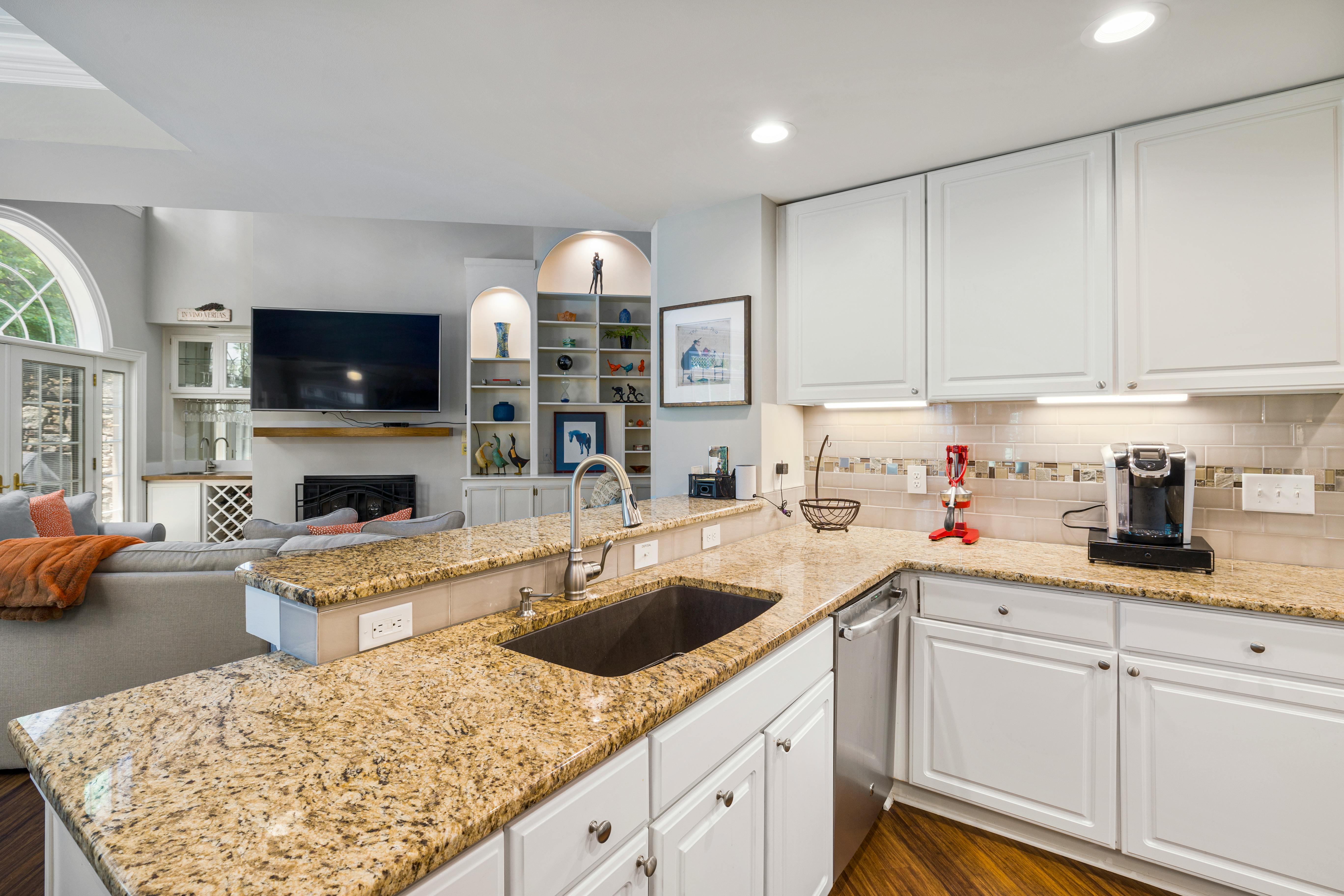
You keep a clean kitchen. You cook at home regularly, stay stocked on healthy ingredients, and enjoy having an organized space to prepare meals. But over time, the kitchen starts expanding beyond the kitchen.
Extra pantry items take over hallway cabinets. Small appliances stay permanently on the counter because there is nowhere else to put them. Seasonal baking supplies get shoved into already full drawers. Before long, the dining room table becomes temporary storage, and the house starts feeling cluttered even when it’s technically clean.
For people who see their home environment as part of their wellness routine, this can feel draining. A crowded kitchen affects more than appearance. It changes how the entire home feels. What once felt peaceful can start feeling overstimulating instead. Even simple tasks like unloading groceries or preparing coffee in the morning become slightly more frustrating when every surface feels full. Over time, that constant visual noise can make it harder to fully relax at home.
When kitchen clutter starts spreading
Kitchen clutter builds slowly because most of it feels useful. You keep the stand mixer because you use it during the holidays. The oversized stockpot comes out every winter. Bulk pantry staples save time and money. None of these things are unnecessary on its own.
The problem starts when there is no longer enough space for everyday functions. Counters feel crowded, cabinets become frustrating to open and cooking starts to feel stressful instead of being calming. And once the kitchen loses its organization, the overflow usually spreads into other rooms. It often happens quietly. A few extra items move into the dining room for convenience, then overflow containers end up in closets or spare cabinets. Eventually, spaces that were meant for relaxing begin carrying the same sense of clutter as the kitchen itself.
This is why conversations around decluttering for mental health resonate with so many people. Visual clutter creates mental clutter too. Even small amounts of overflow can make a home feel busy and unfinished.
The difference between clutter and useful storage
One reason kitchen organization feels difficult is that the items involved are often valuable and practical. This is not random clutter. These are things connected to routines, traditions and daily life. Throwing everything away is rarely the answer. Instead, it helps to separate everyday items from occasional-use items.
For example:
- Daily cookware should stay easily accessible
- Seasonal baking supplies don’t need prime cabinet space year-round
- Large serving dishes can be stored elsewhere until needed
- Extra pantry overflow shouldn’t take over kitchen counters
Small changes like these create more breathing room without forcing an extreme minimalist approach. The goal isn’t to own as little as possible. It’s about making the kitchen easier to use on a daily basis while still keeping important items nearby when needed. Making those distinctions helps create a more functional space without forcing unnecessary purging.
Scenario one: When the kitchen takes over the house
Many home cooks eventually reach the point where kitchen items start appearing everywhere else. A blender lives permanently on the counter, extra dry goods move into the laundry room and specialty appliances sit in corners waiting to be used “soon”. Slowly, the house begins feeling smaller and more chaotic. That affects more than the organization; it affects comfort.
A cluttered environment can make routines feel harder than they need to be. Cooking becomes less enjoyable when there is no clear workspace. Cleaning takes longer because surfaces are crowded. For people focused on home organization and wellness, creating breathing room is important.
Sometimes this means using self-storage for home organization to move seasonal cookware, entertaining supplies or occasional-use appliances out of the home while still keeping them accessible.
Scenario two: The seasonal kitchen reset
The kitchen needs to change throughout the year. Summer might bring canning supplies and outdoor serving pieces. Fall and winter often mean baking equipment, holiday cookware and bulk pantry storage.
Most kitchens are not designed to comfortably hold all of it at once. That’s why seasonal resets can feel so effective. Rotating rarely used items out of the kitchen immediately creates more space and reduces visual clutter. The room feels calmer, cleaner and easier to use.
A few simple changes can make a big difference:
- Rotate seasonal equipment instead of storing everything together
- Keep counters as clear as possible
- Reassess pantry overflow regularly
- Store occasional-use appliances separately from daily essentials
Why it matters
The kitchen is one of the most used spaces in the home. When it feels crowded, that clutter and stress tend to spread into other areas of life too. An organized living space doesn’t need to look perfect. It just needs to support your daily routines instead of working against them. Sometimes the solution is not getting rid of more things. It’s simply creating enough space for the kitchen to function the way it was meant to again.