What People in the UK Should Know About Medical Cannabis in 2026
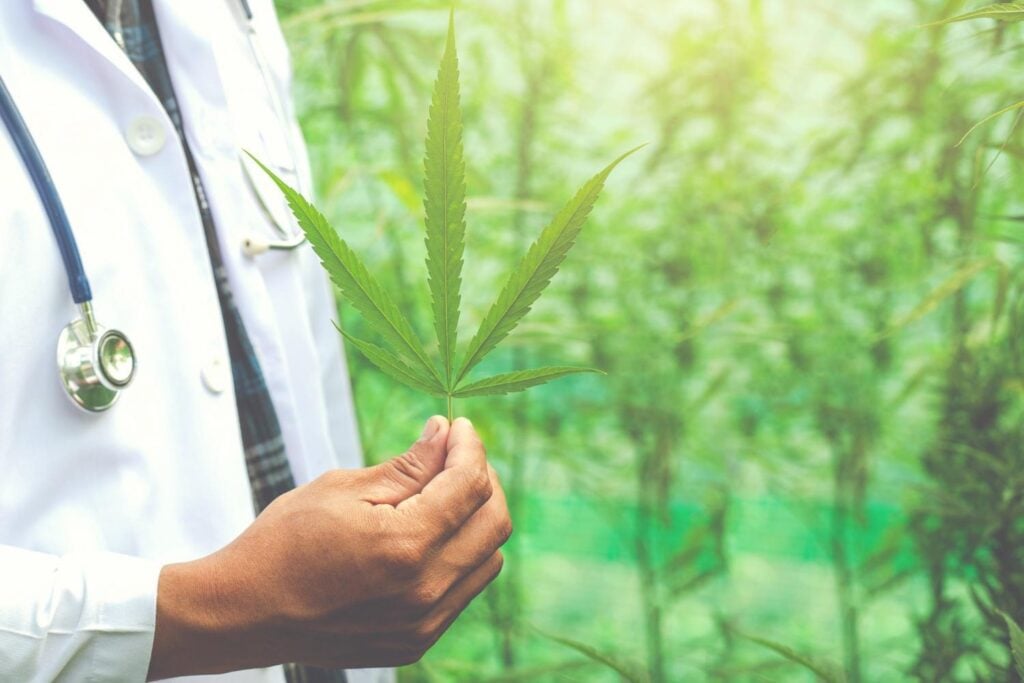
Image by jcomp on Magnific
Wellness conversations in the UK have changed significantly over the last several years. More people are becoming interested in sustainable approaches to health that support not only physical wellbeing, but also sleep quality, emotional balance, stress management, and long-term quality of life.
This broader shift has encouraged greater public awareness around healthcare options that once felt unfamiliar or heavily misunderstood. Alongside nutrition, movement, mindfulness, and lifestyle-based wellness practices, medical cannabis is increasingly becoming part of mainstream health conversations across the UK.
Although misconceptions still exist, medical cannabis has been legal under specialist prescription in the UK since 2018. In 2026, public understanding around how the system actually works is improving as more patients explore specialist healthcare pathways connected to chronic conditions affecting everyday life.
For many adults, the conversation is no longer centered purely around controversy or stigma. Increasingly, people simply want practical information about eligibility, consultations, costs, and how regulated medical cannabis fits into modern healthcare systems.
Medical Cannabis Is Not the Same as Recreational Use
One of the most important distinctions people often misunderstand is the difference between recreational cannabis and specialist-prescribed medical cannabis.
Medical cannabis in the UK operates within regulated healthcare frameworks involving specialist consultations, clinical oversight, prescription management, and ongoing patient monitoring. Patients cannot simply purchase products freely without undergoing assessment and approval through licensed healthcare providers.
The goal of medical cannabis treatment is not recreational use. Instead, specialist clinics assess whether cannabis-based treatment may be appropriate for managing symptoms connected to specific chronic conditions after other conventional approaches have already been explored.
As awareness has grown, more adults researching UK cannabis information are beginning to understand how structured and medically regulated the process actually is within modern healthcare settings.
Who May Be Eligible for Medical Cannabis?
Eligibility depends on individual circumstances, medical history, and specialist clinical assessment. In many cases, patients exploring medical cannabis have already tried conventional treatment approaches without achieving sufficient symptom relief.
Conditions discussed within specialist healthcare settings can include chronic pain, anxiety-related symptoms, sleep difficulties, neurological conditions, and other long-term health challenges affecting quality of life.
Importantly, eligibility is not based on self-diagnosis or casual preference. Patients typically undergo consultations where medical history, symptoms, previous treatments, and overall suitability are reviewed carefully by healthcare professionals.
The process has also become more accessible in recent years through digital healthcare systems that simplify appointments, communication, and prescription management.
Providers including Releaf, chosen by over 220,000 people across the UK, reflect how the sector is becoming more structured, transparent, and patient-focused as awareness continues expanding nationwide.
NHS Guidance Continues Supporting Public Understanding
As awareness around medical cannabis grows, official healthcare guidance has become increasingly important for helping patients understand how the system operates legally and clinically.
Information published by the NHS on medical cannabis outlines how specialist prescribing works within the UK and explains that cannabis-based medicines may be considered under professional supervision in certain clinical circumstances.
This visibility has helped move public understanding away from outdated assumptions and toward more practical conversations around healthcare access, regulation, and patient support.
The growing normalization of telehealth and remote healthcare services has also contributed to this shift. Many patients now expect healthcare systems to feel more accessible, flexible, and integrated into everyday life, particularly when managing chronic conditions over longer periods of time.
What Does the Consultation Process Usually Involve?
One reason public confusion still exists is that many people assume medical cannabis consultations are informal or unregulated. In reality, specialist clinics generally follow structured assessment processes focused on patient safety and medical suitability.
Initial consultations often involve reviewing medical history, discussing symptoms, examining previous treatment experiences, and evaluating whether cannabis-based treatment may be clinically appropriate. Patients may also discuss lifestyle factors, treatment goals, and ongoing care expectations during the process.
Many clinics now operate through digital-first systems that allow patients to complete consultations remotely, access educational resources online, and manage prescriptions through secure patient platforms.
This modernized healthcare approach reflects wider changes happening throughout the UK wellness landscape, where telehealth and remote healthcare systems are becoming increasingly normalized across multiple categories of care.
The Conversation Around Wellness Is Becoming More Holistic
Another reason medical cannabis conversations are becoming more mainstream is that modern wellness culture itself has become far more holistic and individualized.
People increasingly recognize that long-term wellbeing is influenced by many interconnected factors including sleep, stress levels, nutrition, emotional health, movement, nervous system regulation, and overall lifestyle balance.
As a result, more adults are becoming open to combining conventional healthcare with supportive wellness practices tailored to their own circumstances and needs. For some individuals, that may involve therapy, mindfulness practices, exercise routines, or dietary changes. For others, it may include exploring regulated specialist treatments connected to chronic symptom management.
This broader shift reflects a growing preference for personalized wellbeing rather than rigid, one-size-fits-all health approaches.
Readers interested in the wider relationship between lifestyle habits and emotional wellbeing may also enjoy Health Starts in the Kitchen’s feature on how cooking improves mental wellbeing, which explores how everyday routines can positively influence emotional health and stress management.
Costs and Accessibility Are Becoming More Transparent
Public assumptions around medical cannabis costs are also gradually changing. Many people still assume treatment is inaccessible or prohibitively expensive, but the sector has become increasingly transparent around consultations, prescriptions, and ongoing patient support.
Modern clinics often provide clear pricing structures and digital patient management systems that make treatment pathways easier to understand before beginning consultations.
This transparency reflects wider changes throughout digital healthcare, where consumers increasingly expect clarity, accessibility, and streamlined experiences similar to other modern online services.
At the same time, medical cannabis remains a specialist healthcare treatment rather than a casual wellness purchase. Responsible clinics continue emphasizing professional oversight, patient suitability, and long-term monitoring as part of ongoing care.
Medical Cannabis Will Likely Remain Part of the UK’s Evolving Wellness Landscape
Public conversations surrounding medical cannabis will likely continue expanding in the years ahead as awareness, accessibility, and digital healthcare systems continue evolving.
For many adults, the topic now sits within broader discussions around sustainable wellbeing, chronic condition management, emotional health, and personalized healthcare support rather than outdated stereotypes.
As the UK wellness landscape becomes increasingly focused on individualized care and integrated health approaches, medical cannabis will likely remain part of the wider shift toward more open, practical, and informed conversations around modern healthcare options.