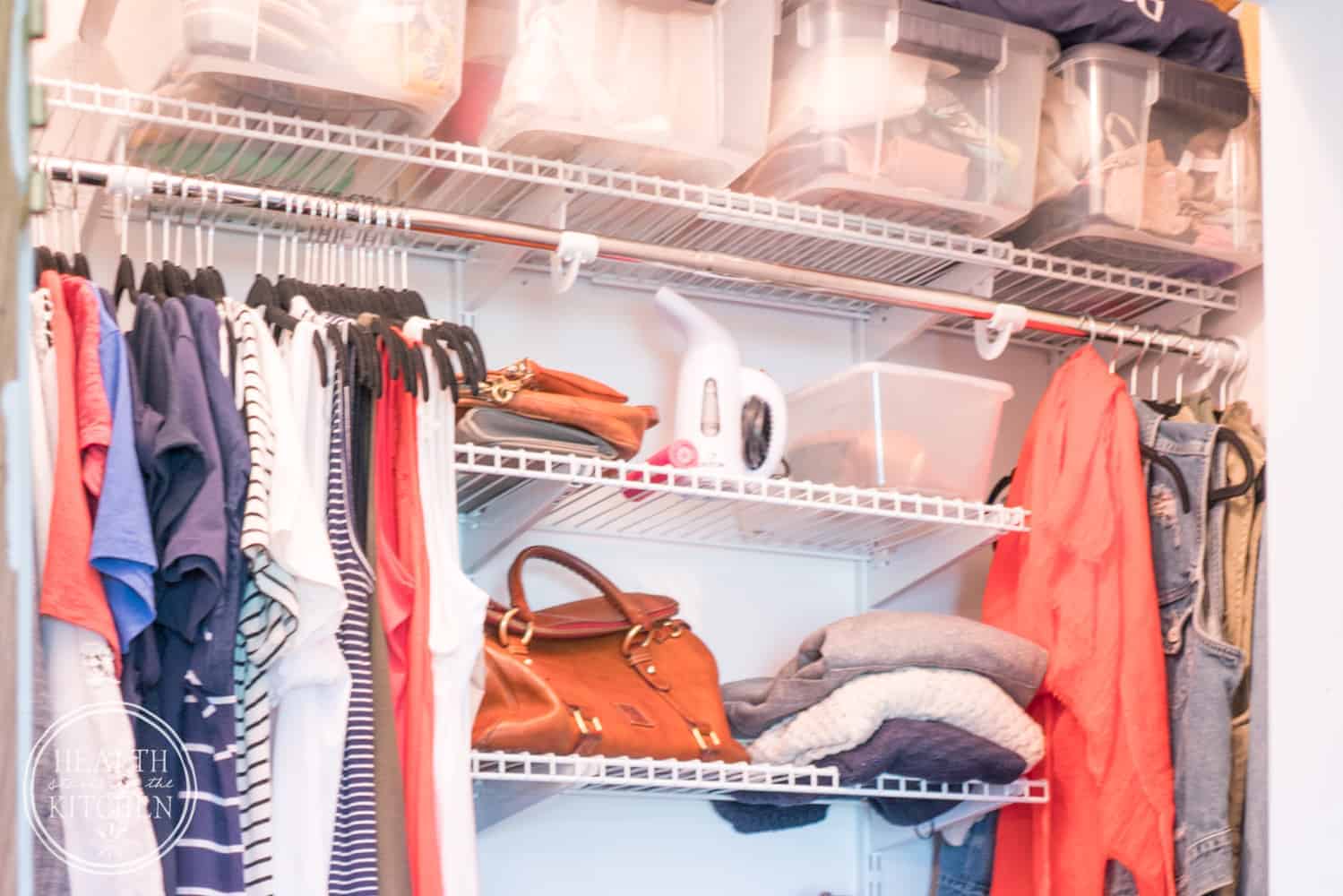
How Better Finances Help Busy Parents Keep Their Home and Kitchen Organized
A well-organized home is not only a matter of having enough shelves, storage bins or cabinet space. For many families, organization starts with something less visible: financial stability.
When parents know what is coming in, what needs to go out and how much they can reasonably spend, everyday household decisions become easier. They can plan grocery trips instead of making repeated last-minute purchases. They can replace broken kitchen tools when needed. They can also avoid filling cabinets with products bought without a clear purpose.
The connection between money and organization is especially noticeable in the kitchen. It is one of the busiest rooms in most family homes, and it is also where many regular household expenses occur. Better financial planning can therefore make the kitchen easier to manage while reducing unnecessary spending.
Start With a Household Budget That Reflects Real Life
A useful household budget should match the way a family actually lives. It should account for mortgage or rent payments, utilities, transportation, groceries, childcare, insurance and other regular costs.
Parents also need room for irregular expenses. School supplies, appliance repairs, birthdays and seasonal costs may not appear every month, but they still affect the household budget.
When these expenses are planned for, families have a clearer picture of what they can afford. That clarity affects home organization in practical ways.
Instead of buying storage products simply because a cabinet feels cluttered, parents can identify the real problem first. Perhaps there are too many duplicate kitchen tools. Maybe groceries are being purchased faster than they are being used. In other cases, the family may need better shelving or containers.
A budget encourages intentional decisions rather than quick fixes.
Plan Grocery Spending Before Organizing the Kitchen
Grocery spending and kitchen organization are closely connected.
Without a plan, families can easily purchase more food than they need. Extra packages accumulate in cabinets. Refrigerators become crowded. Items are pushed behind one another and forgotten until they expire.
A grocery budget creates useful limits.
Parents can start by checking the refrigerator, freezer and pantry before making a shopping list. This simple habit shows what is already available and reduces duplicate purchases. It also makes meal planning easier.
A family that knows it has rice, pasta, frozen vegetables and several proteins already available may only need fresh produce and a few additional ingredients for the week. The result is a smaller grocery bill and fewer items competing for kitchen space.
Organization becomes easier because every purchase has a purpose.
It also helps to assign basic areas of the kitchen to different types of food. Frequently used breakfast items can stay together. Baking supplies can occupy another cabinet. Snacks for children can be stored in an accessible location.
These systems cost very little to maintain. More importantly, they prevent the kitchen from becoming a collection of unrelated purchases.
Keep Major Financial Obligations Separate From Daily Spending
Household organization becomes harder when every financial obligation is treated as part of the same pool of money.
Parents may be managing housing costs, education expenses, debt payments and everyday purchases at the same time. Separating these categories makes it easier to understand how much money is actually available for groceries, home maintenance and other recurring needs.
Education costs can be particularly significant for families with older children. Parents evaluating different ways to help fund college may research federal aid, savings, scholarships and borrowing options such as Parent PLUS loans. Whatever approach a household takes, education-related obligations should be considered separately from the routine budget used for food, utilities and home expenses.
This prevents long-term financial commitments from quietly disrupting everyday household spending.
Once major obligations have their own place in the budget, parents can make smaller decisions with greater confidence. They know whether a replacement microwave fits comfortably within the household budget or whether it should wait. They can decide whether buying pantry containers is worthwhile without wondering if the money is needed elsewhere.
Financial organization makes physical organization more practical.
Buy Fewer Kitchen Items With Clearer Purposes
An organized kitchen does not necessarily contain more organizational products.
In many cases, it contains fewer things.
Kitchen drawers often become crowded with duplicate utensils, rarely used gadgets and containers without matching lids. Cabinets can fill with appliances purchased for one recipe and then forgotten.
Financial discipline can help prevent this kind of accumulation.
Before purchasing a new kitchen product, parents can ask a few simple questions. Will it be used regularly? Does another item already perform the same function? Is there a clear place to store it?
These questions connect spending with space.
Consider a family thinking about buying a specialized appliance. If it replaces several existing tools and will be used every week, the purchase may improve both efficiency and organization. If it duplicates something already in the kitchen, it may simply create additional clutter.
Waiting a day or two before nonessential purchases can also help. The delay gives parents time to decide whether the product solves a genuine household problem or simply looked useful in the moment.
Over time, fewer unnecessary purchases mean less clutter to manage.
Create a Small Fund for Repairs and Replacements
Kitchen organization is easier when essential equipment works properly.
A broken refrigerator shelf, damaged cabinet hinge or unreliable appliance can quickly create inconvenience. Without savings available, parents may postpone the repair or rely on temporary solutions that make the space harder to use.
A household maintenance fund can reduce that pressure.
The amount does not have to be large immediately. Regular contributions can gradually build a financial cushion for common repairs and replacements.
This changes how parents respond when something breaks.
Instead of moving food around a damaged refrigerator drawer for months, they may be able to replace the part. Instead of working around a faulty kitchen appliance, they can evaluate whether repair or replacement makes more financial sense.
Maintenance protects the systems that keep a home functional.
It can also prevent small problems from becoming larger expenses. A minor plumbing issue under the kitchen sink, for example, is usually easier to handle early than after it damages cabinets or flooring.
Use Meal Planning to Save Money and Reduce Clutter
Meal planning is one of the simplest ways to connect financial stability with kitchen organization.
Parents do not need an elaborate weekly system. A basic plan covering several dinners, lunches and breakfasts can be enough to guide grocery purchases.
The goal is predictability.
When meals are planned, ingredients can be chosen with multiple uses in mind. Vegetables purchased for one dinner can be used again in lunches. A larger package of chicken can serve more than one meal. Leftovers can be scheduled instead of forgotten.
This reduces both food waste and kitchen clutter.
It also gives parents a clearer idea of how much they are likely to spend each week. After several weeks, patterns begin to appear. Families can see which meals are affordable, which ingredients regularly go unused and where grocery spending tends to increase.
Those observations make future planning easier.
Give Every Household Purchase a Place
One useful rule for maintaining an organized home is simple: before buying something, know where it will go.
This applies to pantry food, cookware, cleaning supplies and small appliances.
When storage space is limited, the rule becomes even more valuable. A new item may require removing or donating something that is no longer useful. That creates a natural limit on accumulation.
The same idea can extend beyond the kitchen.
Parents can establish specific places for school materials, bills, reusable shopping bags and household supplies. When everyone knows where something belongs, less time is spent searching for it.
Children can participate as well. Simple systems, such as designated snack areas or labeled shelves, can help them put things back in the correct place without constant reminders.
The system does not need to be perfect. It only needs to be easy enough for the household to maintain.
Financial Stability Creates Room for Better Decisions
Financial stability does not mean a family never faces unexpected expenses. It means parents have enough visibility into their finances to respond thoughtfully when those expenses appear.
That visibility influences the home in small but meaningful ways.
Parents can plan grocery purchases instead of reacting to an empty refrigerator. They can save for repairs instead of postponing them indefinitely. They can choose useful kitchen products rather than buying items that eventually become clutter.
The kitchen is often where these benefits are easiest to see because money, food and daily routines meet there every day.
A more organized kitchen will not solve a household’s financial challenges. But better financial habits can make organization easier to establish and maintain. When parents spend intentionally, plan ahead and understand their major obligations, they create a home that is easier to manage, one practical decision at a time.