Guide to Foraging Wild Garlic in Spring
The start of March
Important safety note: Wild garlic can be confused with highly toxic plants, including lily of the valley and autumn crocus. Do not rely on smell, an app, or a photograph alone. Confirm multiple identifying features with trusted regional references or a qualified local expert before harvesting or eating any plant.
brings a specific, unmistakable scent to damp woodlands. You will often smell it long before you see the bright green carpet covering the forest floor. That pungent aroma means it is time for foraging wild garlic. If you want to add a massive burst of flavor to your gluten-free or keto meals absolutely free, this seasonal ingredient is your new best friend.Spring happens fast. One week the woods are bare, and the next, wild garlic is everywhere. I love heading out early in the season to gather these delicate greens. They offer incredible flavor without the harsh bite of mature garlic bulbs.
Key takeaways:
- Rely on the sniff test: If a leaf does not smell strongly of garlic, do not eat it.
- Pick sustainably: Harvest a maximum of 5% from any patch to protect the colony.
- Watch for toxic lookalikes: Poisonous plants like Lords and Ladies often grow mixed in with edible patches.
- Keep preparation simple: Blend the leaves into pesto or infuse them into oil to preserve the harvest.
What Is Wild Garlic?
Wild garlic is a perennial edible plant that carpets shaded woodland floors in early spring. Known scientifically as Allium ursinum (or Allium vineale depending on the exact variety and region), it is a close cousin to onions, leeks, and traditional garlic.
Unlike the hard garlic bulbs you buy at the grocery store, the main attraction here is the foliage. The plant produces broad, long, pointed green leaves and clusters of delicate white star-shaped flowers. Both the leaves and the flowers are completely edible.
The flavor profile is much softer and grassier than cultivated garlic cloves. This makes it an incredibly versatile herb for health-conscious cooking. You can use it much like spinach or basil, getting a vibrant green color paired with a savory, garlicky punch.
Where to Find Wild Garlic
Knowing exactly where to find wild garlic saves you hours of wandering aimlessly. This plant thrives in damp, shaded environments.
Look for it in older woodlands, near riverbanks, and tucked away in shaded hedgerows. It prefers soil that retains moisture but does not sit underwater. In the UK and parts of North America, it typically emerges in early March and sticks around through late May. Once late May passes, the season effectively ends until the following year.
Look for large, dense clumps covering the ground. Because it grows faster than many surrounding grasses and plants early in the season, you will often notice patches of wild garlic standing slightly taller than the rest of the undergrowth.
If you enjoy hunting for spring edibles, you can often find other wild treats nearby. I often plan dual-purpose trips to look for early fungi right after the snow melts. (Check out my Guide to Foraging Wild Chanterelle Mushrooms for more woodland walking ideas).
Rules for Identifying Wild Garlic Safely
Foraging wild garlic is generally beginner-friendly, but you cannot be careless. Toxic plants share the exact same growing conditions.
The most critical rule for identifying wild garlic is the sniff test. Crush a leaf between your fingers. If it does not smell strongly of garlic or onions, throw it away. Human noses are highly attuned to the scent of alliums, so trust your sense of smell.
You must be highly vigilant about a toxic lookalike called Lords and Ladies (Arum maculatum). These poisonous plants have leaves that look remarkably similar to wild garlic. Worse, they frequently grow completely intertwined with wild garlic patches. Never grab large handfuls blindly. Pick individual leaves so you can inspect each one.
Sustainable harvesting is just as important as safe identification. Do not pull the plant up by the roots.
- Pinch or snip the leaves near the base.
- Leave the bulb in the ground so the plant returns next year.
- Never take more than 5% of the leaves from a single area.
- Tread lightly to avoid compacting the damp woodland soil.
Healthy Wild Garlic Recipes and Uses
Once you get your harvest back to the kitchen, you want to use it while it is fresh. Wash the leaves thoroughly in cold water to remove woodland grit.
Because the leaves are naturally low in carbohydrates and pack a ton of flavor, they are perfect for keto and primal diets. You can toss the young, tender leaves straight into a fresh spring salad. If you want a fantastic dressing to pair with it, you can use the principles from my Mojo Vinaigrette – Health Starts in the Kitchen and blend in a few wild garlic leaves for a bright green twist.
My favorite way to preserve the harvest is making a simple wild garlic oil. Blend the leaves with a high-quality olive oil. Strain the mixture, and you have an incredible, emerald-green finishing oil for drizzling over soups and roasted meats.
Other great wild garlic recipes include:
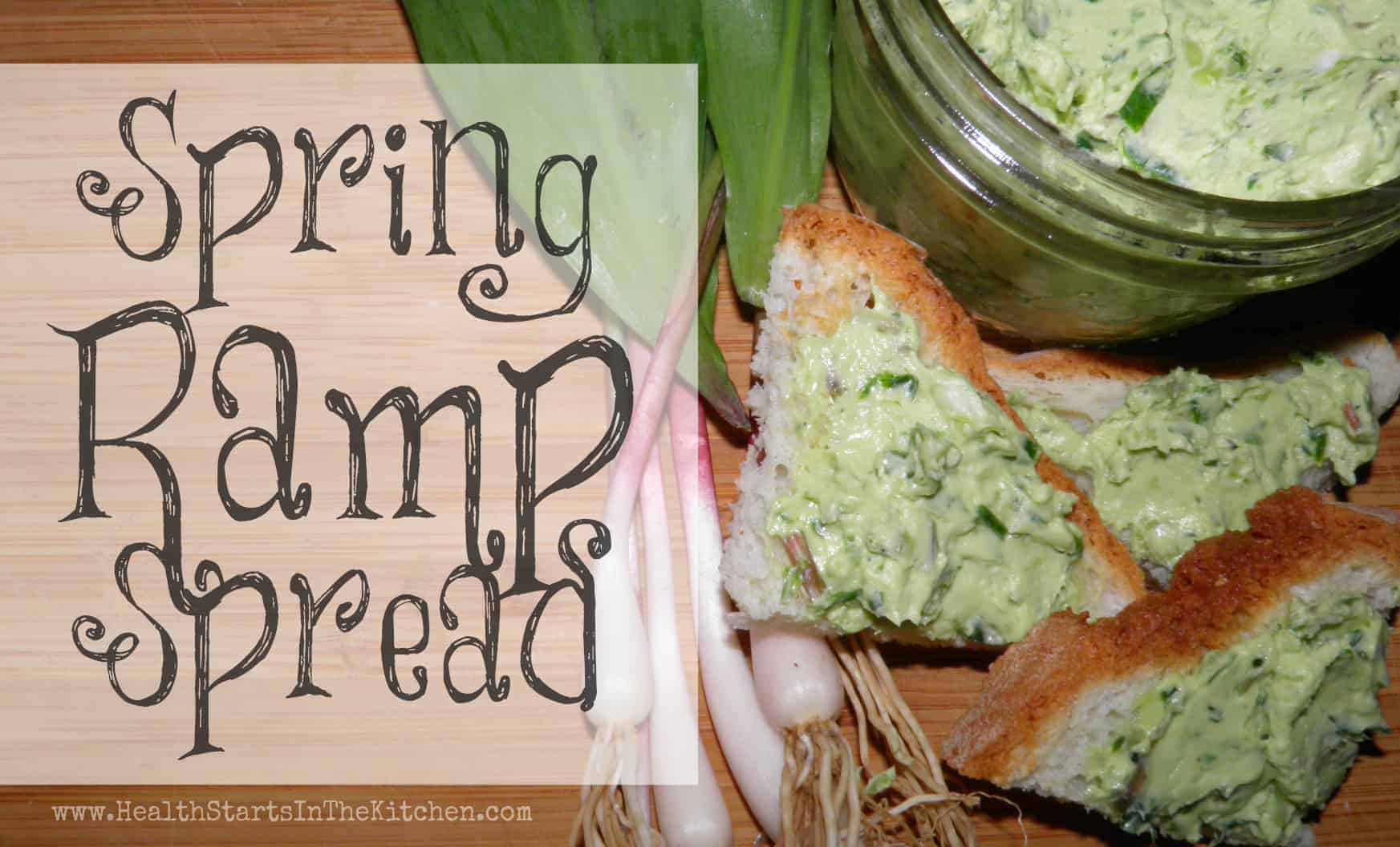
- Dairy-free pesto: Blend raw leaves into a vibrant paste for pasta or meats.
- Fermented leaves: Pack roughly chopped leaves into a jar and ferment with salt to create a tangy, probiotic-rich condiment.
- Savory broths: Stir chopped leaves into an Instant Pot Wild Mushroom Broth Recipe – Health Starts in the Kitchen right before serving for a fresh pop of color.
If you enjoy utilizing free yard weeds, this pairs beautifully with other early greens. You can find more inspiration in my Delicious Keto Dandelion Greens Recipe.
FAQ
Can You Eat Wild Garlic Bulbs?
Technically yes, the bulbs are edible. However, you should not harvest them. Digging up the bulb destroys the plant entirely, and you should always forage responsibly with explicit permission, taking only what you need from the leafy tops.
Can You Freeze Wild Garlic Leaves?
Rather than freezing, which changes the delicate nature of the plant, many foragers prefer to preserve the harvest by making a simple wild garlic oil or fermenting the leaves with salt.
How Long Does the Wild Garlic Season Last?
The season usually runs from early March through late May. The leaves are best picked early in the season when they are young and tender. As the plants mature, the foliage becomes tougher and less useful as a fresh herb.