Non-Toxic Dish Soap: Ingredients and Claims to Check
Looking for a non-toxic dish soap? Start with what you need it to do: clean your dishes, rinse away and feel comfortable on your hands. A “natural” label or a short ingredient list does not answer all of those questions. Fragrance, individual allergies and the finished formula are more useful things to check.
Key takeaways:
- Fragrance-free is a useful starting point for people who react to scented products.
- Plant-derived ingredients and essential oils can still cause allergies.
- An ingredient name alone cannot tell you the risk from using a finished product.
- Look for full ingredient disclosure and verify certifications for the exact product.
Why Dish Soap Ingredients Matter
Dishwashing means repeated contact with water and detergent. If your hands feel dry or itchy afterward, it is worth looking at the product and your washing routine. A formula that works well for someone else may not suit your skin.
Read both the bottle and the manufacturer’s ingredient information. “Plant-based,” “gentle” and “non-toxic” do not tell you the concentration of each ingredient or whether you personally tolerate it. Long chemical names are not a reason by themselves to reject a product.
Is Dish Soap Toxic in Normal Use?
A hazard is an ingredient’s potential to cause harm; risk also depends on the amount and how you are exposed. Evidence about concentrated chemicals does not establish that ordinary dishwashing causes hormone disruption or cancer. The original product directions still matter: use hand dishwashing liquid as directed, rinse dishes thoroughly and keep it out of children’s reach.
Skin irritation and allergy are practical concerns. The American Academy of Dermatology explains that irritant and allergic contact dermatitis are different reactions. A persistent rash deserves individual advice rather than a longer internet blacklist.
Dish Soap Ingredients to Check Before Buying
- Fragrance. If scented products bother you, look for fragrance-free. “Unscented” may still involve fragrance used to mask another smell. A fragrance listing does not prove a product contains phthalates or causes hormone disruption.
- Preservatives. If you have a diagnosed preservative allergy, match the label against the avoidance list from your clinician. Do not assume preservative-free is automatically better: water-based products need a suitable way to control microbial growth.
- Surfactants. These help lift grease. Sulfates and glucosides are different surfactant families, but neither a sulfate-free label nor plant origin guarantees that a formula will be gentle for everyone.
- Dyes. Color is not needed to wash a dish. Choosing a dye-free option is a reasonable preference, particularly if you know a specific colorant bothers you; it does not establish that all dyed products are unsafe.
What About SLES and 1,4-Dioxane?
Sodium laureth sulfate, or SLES, is made through a process that can produce trace 1,4-dioxane as an impurity. That is a manufacturing-quality question, not proof that every SLES-containing bottle has an unsafe level. An ingredient list cannot show an impurity’s concentration. Ask about finished-product testing or look for a credible product review standard instead of assuming the ingredient name tells the whole story.
The EPA’s 1,4-dioxane evaluation distinguishes direct consumer use from other exposures. It identifies concerns involving workers and contamination of drinking-water sources, including releases down the drain. That broader environmental concern is worth considering without treating ordinary skin contact as the same exposure.
Is Natural Dish Soap Always Gentler?
No. Decyl glucoside and lauryl glucoside can be useful ingredients, but calling them hypoallergenic for everyone goes too far. Published patch-test research documents contact allergy to glucosides. These results concern people evaluated for dermatitis; they are not a prediction that everyone using these ingredients will react.
Essential oils also add fragrance. Listing an oil by name improves transparency, but does not make it a safer substitute for someone with a fragrance allergy. The AAD recommends fragrance-free products when avoiding fragrance.
How to Compare Non-Toxic Dish Soap Brands
Make the shopping decision manageable. Check the exact product and scent, because formulas within the same brand can differ and change over time.
- Find the current ingredient list on the bottle or manufacturer’s website.
- Check for ingredients you already know you are allergic to.
- If avoiding fragrance, choose fragrance-free rather than relying on “natural” or “unscented.”
- Verify any certification in the certifier’s own directory.
- Follow the label’s dilution, use and rinsing directions.
EPA Safer Choice reviews ingredients as well as product performance, pH and other criteria. It also offers a fragrance-free designation. Search the official product directory for the exact formula. Certification is useful evidence, but it is not a guarantee against an individual allergy.
Should You Make Your Own Dish Soap?
A homemade mixture is not automatically milder or better preserved. Adding water changes a product’s formula, and an improvised mixture may not have a reliable shelf life. For everyday dishes, a properly formulated product with clear directions is the simpler choice. Avoid mixing cleaners or adding ingredients that the manufacturer does not recommend.
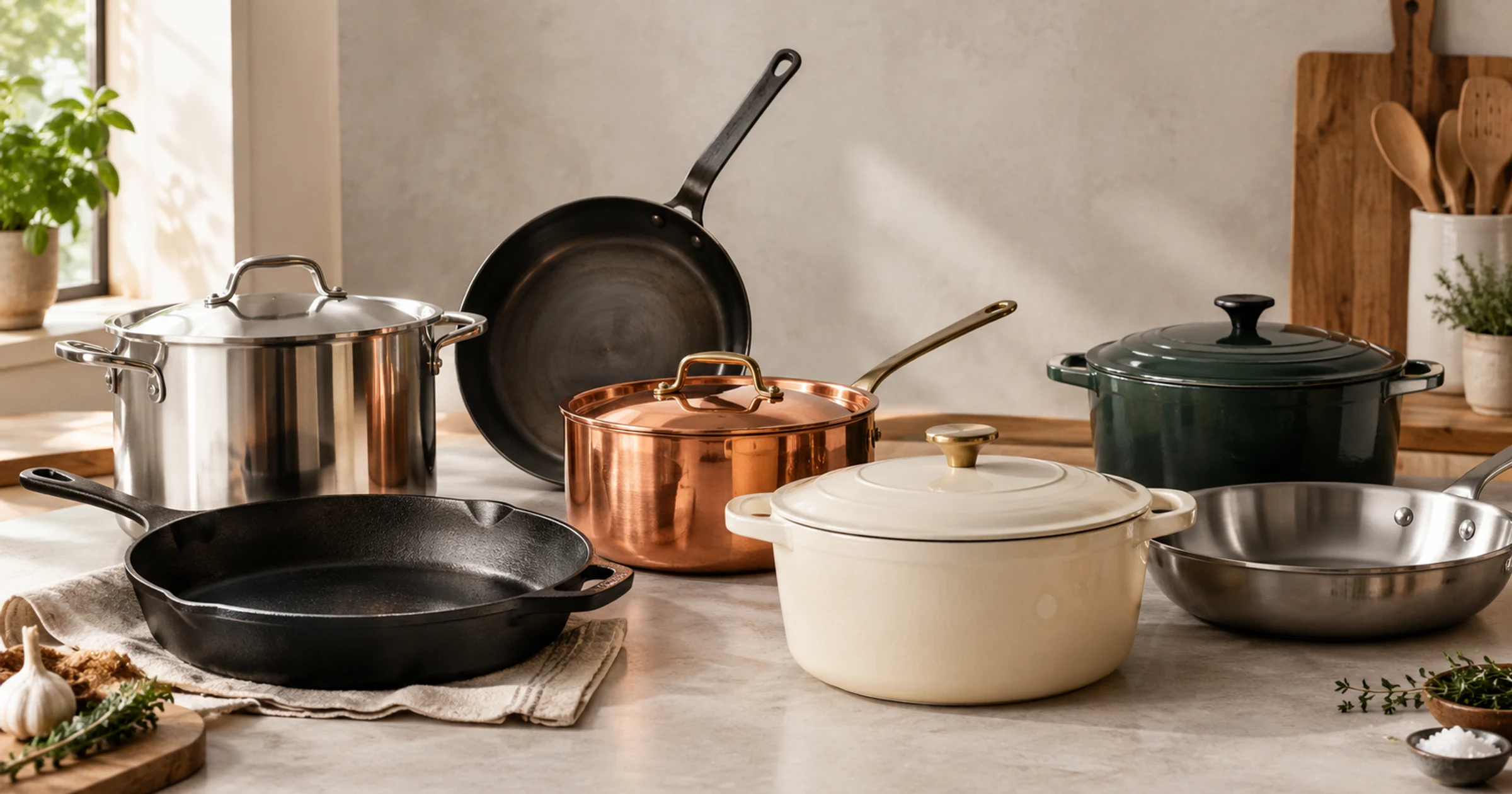
Taking the same practical approach to your pans? My guide to non-toxic cookware materials explains how to compare the actual cooking surface, care instructions and marketing claims.
FAQ
What ingredients should I avoid in dish soap?
Start with your known allergens. Fragrance-free may be useful for sensitive skin, but there is no universal ingredient blacklist that guarantees a safe, comfortable product for everyone.
Does sulfate-free mean safer?
Not by itself. The finished formula, concentration, use and your skin’s response matter. A replacement surfactant can also irritate or cause allergy.
Are essential oils better than fragrance?
They are fragrance ingredients too. If you are avoiding fragrance, a named essential oil does not solve that problem.
What should I do if washing dishes irritates my hands?
Stop using a product that seems to trigger a reaction and seek advice for persistent symptoms. A dermatologist can help distinguish irritation from allergy and identify what you need to avoid.