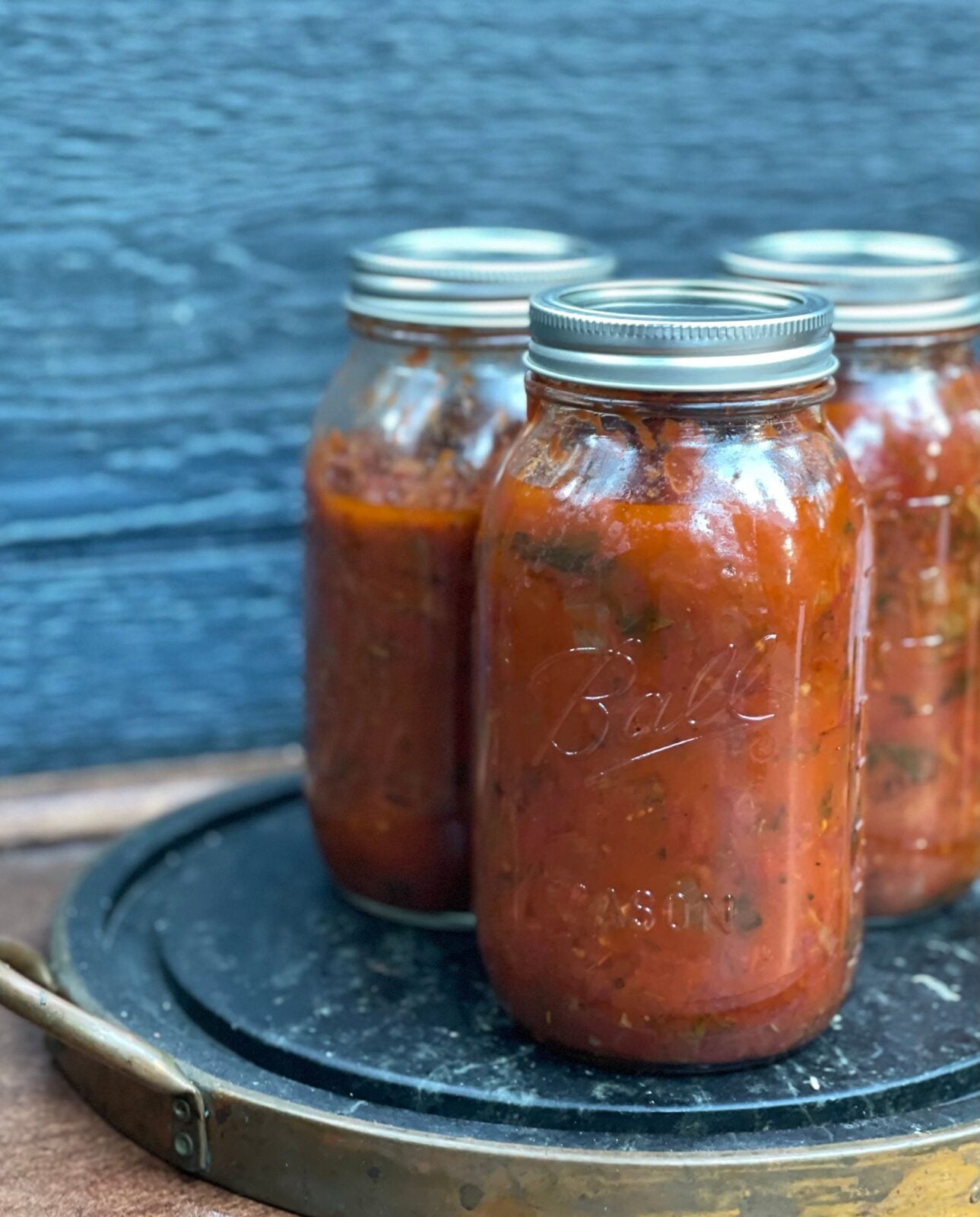
Freeze Drying vs Dehydrating: Which Keeps More Nutrients
Freeze drying and dehydrating both remove water, but they do it differently. Freeze drying uses freezing, vacuum and controlled heat to remove ice as vapor. Dehydrating uses warm moving air. Freeze drying often preserves heat-sensitive nutrients and shape well, but there is no single nutrient-retention percentage that applies to every food. Food type, preparation, drying and storage all matter.
Key takeaways:
- Freeze drying can preserve heat-sensitive nutrients well, but its temperatures vary across the cycle.
- Dehydrating costs far less upfront and still works well for fruit, jerky and herbs.
- Shelf life depends on the food, dryness, packaging and storage; a 25-year claim is not a guarantee for a home batch.
- Choosing a freeze dryer vs dehydrator for food comes down to budget, shelf-life goals and what you plan to preserve.
How Do Freeze Drying and Dehydrating Actually Work?
Freeze drying and dehydrating both pull water out of food, but they use opposite tools. A freeze dryer first freezes the food solid. It then pulls a vacuum so the ice turns straight into vapor without ever becoming liquid again, a process called sublimation. EnWave explains that freeze-drying places frozen food in a vacuum chamber where gentle heat causes the ice to sublimate directly into vapor.
A dehydrator skips the freezer step. Instead, it relies on heat and moving air, from a kitchen oven to a countertop unit, to evaporate water faster than air drying alone. Blue Alpine Freeze Dryers notes that freeze drying removes up to about 98% of moisture, while dehydrating typically removes 80 to 90%. That gap in moisture removal is a big reason freeze-dried food stores so much longer.
Freeze Drying vs Dehydrating: Which Keeps More Nutrients
Freeze drying often protects heat-sensitive nutrients better than prolonged warm-air drying. However, the result varies with the nutrient and food being measured. Utah State University Extension discusses nutrition, drying checks and storage without promising one retention percentage for every food.
| Factor | Freeze Drying | Dehydrating |
|---|---|---|
| Process | Freezes food, then removes ice by vacuum sublimation | Uses heat and airflow to evaporate water |
| Nutrient retention | Varies by food and nutrient; often good retention of heat-sensitive vitamins | Varies by food, temperature and drying time |
| Moisture removed | Up to about 98% | About 80 to 90% |
| Shelf life (sealed) | Food- and process-dependent; follow validated storage guidance | Up to about 1 year |
| Foods it handles | Fruit, vegetables, meat, dairy, full meals | Mostly fruit, vegetables, jerky, herbs |
| Equipment cost | $1,600 to $5,000+ | $40 to $700 |
Minerals hold up well under both methods, but vitamin C and the B vitamins take the biggest hit from heat. Antioxidants like the anthocyanins in berries also fare better under freeze drying. Neither method adds nutrition that was not already in the fresh food. A wilted vegetable going into either machine comes out as a wilted, dried vegetable.
Freeze Dried vs Dehydrated Food Taste and Texture
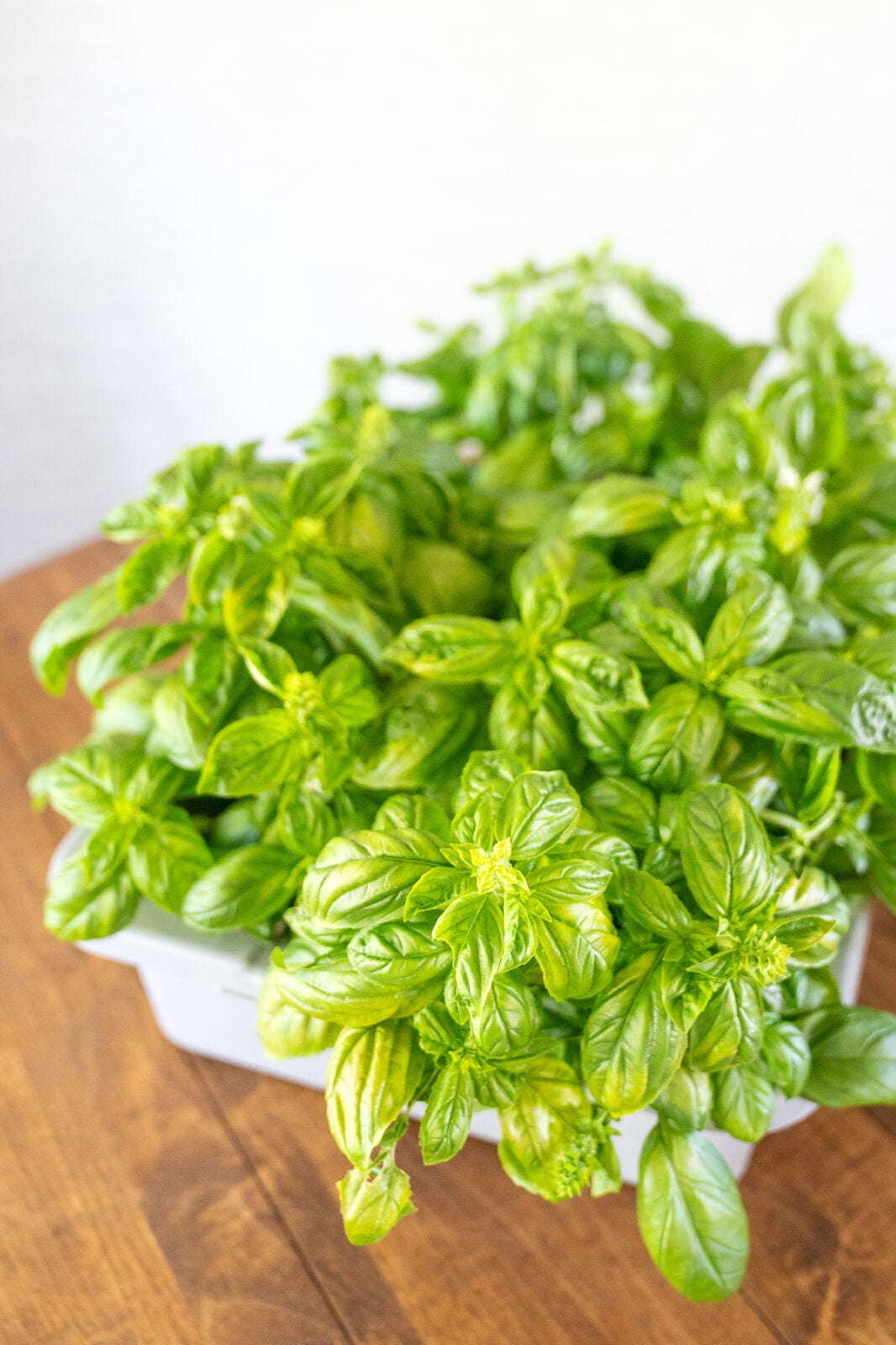
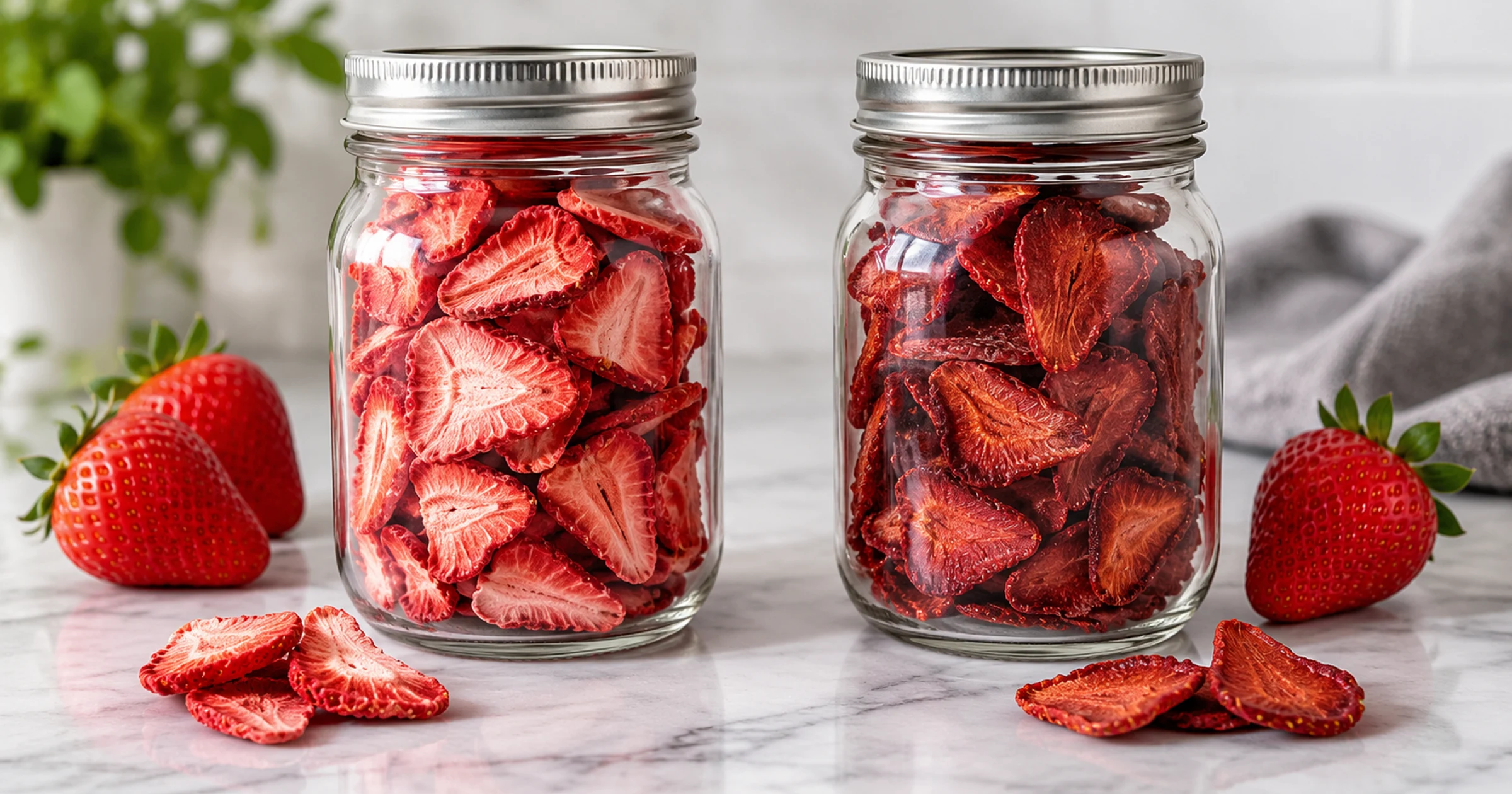
Freeze drying often preserves fresh-like flavors, though preparation and drying still change the food. The result is light, crisp and almost airy, and it keeps its original color and shape until you add water back. Dehydrated food is chewy and concentrated instead, with a flavor that heat has visibly changed. Think sun-dried tomatoes against a crisp freeze-dried strawberry.
Rehydration differs too. Freeze-dried meals and fruit snap back close to their original texture with just water, because cell structure mostly survives sublimation. Dehydrated food rehydrates into something softer and denser. That texture works fine in soups and stews, but it will not pass for fresh fruit in a snack bowl. For freeze dried vs dehydrated food taste, most people notice the difference fastest with fruit and herbs.
Home Freeze Drying Cost vs Dehydrator Cost
Home freeze drying cost runs far higher than a dehydrator, both to buy and to run. Lowe’s buying guide puts a residential freeze dryer at $2,000 to $5,000 or more. A cycle takes 20 to 40 hours and uses more electricity than a dehydrator cycle. A basic dehydrator costs much less, $40 to $100. High-end professional models reach $400 to $700, and their energy use and upkeep stay low.
That price gap buys real capability. A freeze dryer handles meat, dairy, eggs and whole meals that a dehydrator cannot safely preserve long-term. Follow the manufacturer’s maintenance instructions and check every batch for complete drying. If your budget sits under a few hundred dollars, a dehydrator is the realistic entry point into home food preservation.
What Is the Best Way to Preserve Food at Home?
The best way to preserve food at home depends on what problem you are solving: nutrition and shelf life, or an affordable start. Pick freeze drying if you want to store full meals, dairy or fruit for years and can absorb the upfront cost. Pick dehydrating if you mostly preserve fruit, vegetables, jerky or foraged herbs and mushrooms and want to start for well under $100.
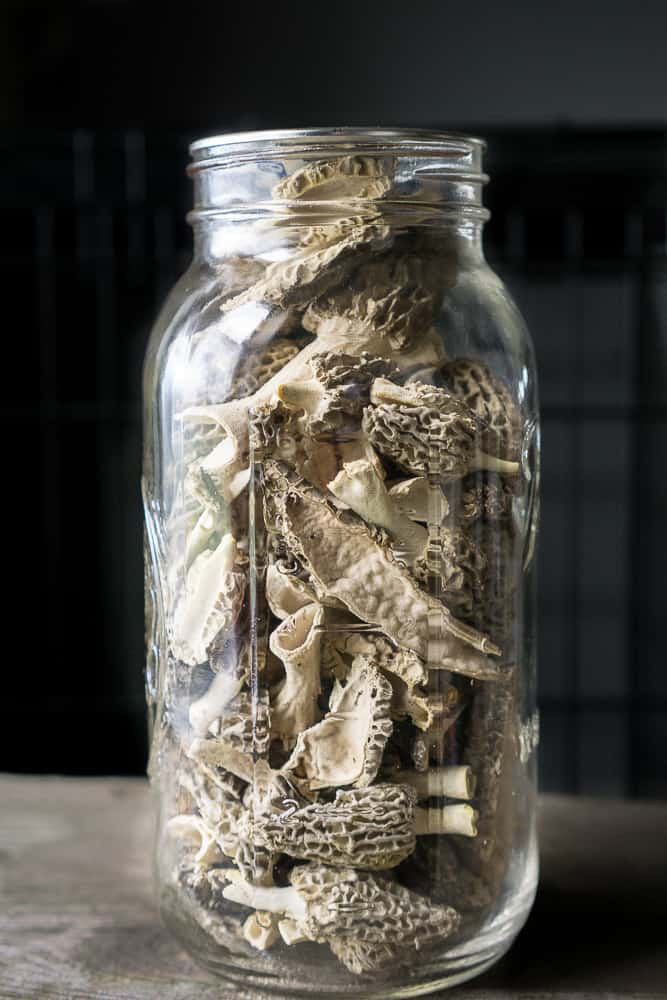
On Health Starts in the Kitchen, Hayley has had her own freeze dryer since 2016 and uses it both for emergency prep meals and for everyday snacks and convenience foods, including turning tomatoes into powder and preserving her wild foraged mushrooms out of season. She has also used dehydrating for mushrooms, where dehydrated Hen of the Woods mushrooms work well rehydrated into soups, stews or mushroom tea. Many home cooks end up running both: a dehydrator for small daily batches and a freeze dryer for garden surplus or long-term storage. Whichever you choose, proper moisture-proof, sealed storage decides how long your preserved food actually lasts.
Start with the preservation goal, not the appliance, and the right machine becomes obvious. A pantry stocked for a week of snacking needs a different tool than a pantry stocked for a power outage.
FAQ
Does freeze drying remove more water than dehydrating?
Yes. Freeze drying removes up to about 98% of a food’s moisture through vacuum sublimation. Dehydrating typically removes 80 to 90% using heat and airflow, according to Blue Alpine Freeze Dryers.
Can you freeze dry foods that you cannot dehydrate?
Yes. Freeze drying can handle meat, dairy, eggs and full cooked meals, while dehydrating works best on fruit, vegetables, herbs and jerky. Health Starts in the Kitchen’s own freeze dryer FAQ notes that fatty foods like mayonnaise, butter and fatty meats don’t freeze dry safely.
Is freeze-dried food healthier than dehydrated food?
Freeze-dried food generally retains more of its original vitamins and antioxidants, since it skips sustained heat exposure. Dehydrated food is still nutritious, but it loses more heat-sensitive vitamins, like vitamin C and some B vitamins, during drying.
How long does dehydrated food last compared to freeze-dried food?
Dehydrated food stored in a sealed container typically lasts up to about a year. Home freeze-dried food has no universal 25-year shelf life. Follow food-specific preparation, drying and storage guidance. Neither freeze drying nor vacuum packaging sterilizes food.
This article is general information, not medical advice.