Can healthy eating improve your eyesight? What food and kitchen habits can really do?
If you want to look after your eyes through what you cook, it helps to know which nutrients matter, which foods supply them and how to prepare those foods so your body actually absorbs them. It is equally useful to know where diet stops: food supports healthy eyes, but it won’t change a glasses prescription.
Which foods actually support eye health?
A varied diet supplies the nutrients your eyes need to work normally, so a range of foods beats relying on carrot juice.
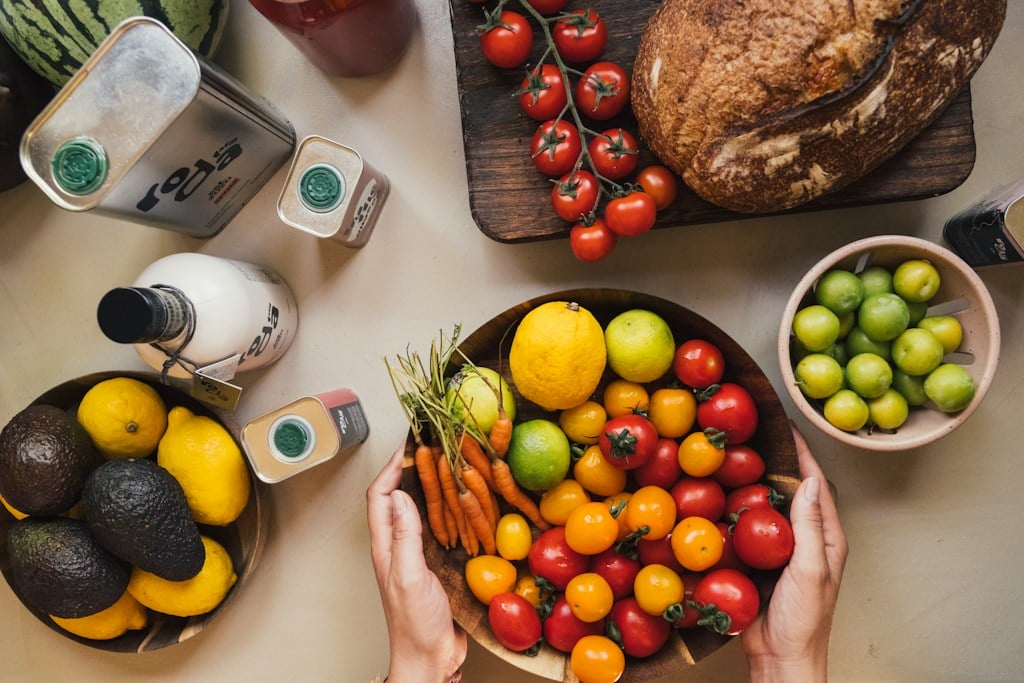
Leafy greens such as spinach and kale contain lutein and zeaxanthin, pigments found in the retina, and egg yolks are another good source. Carrots, sweet potatoes and butternut squash supply beta-carotene, which the body converts into vitamin A, a vitamin that supports vision in low light.
Oily fish such as salmon, sardines and mackerel provide omega-3 fatty acids. Peppers, berries and citrus fruit bring vitamin C, while nuts and seeds, especially almonds and sunflower seeds, supply vitamin E.
Can diet correct short-sightedness or astigmatism?
No. Short-sightedness and astigmatism are refractive errors caused by the shape of the eye, and no ingredient can change that shape. Extra carrots won’t sharpen your eyesight if you already get enough vitamin A.
Glasses and contact lenses remain the usual way to correct these problems. For people who want less dependence on them, laser treatment is another route; one example is ray-tracing laser eye surgery, which uses a detailed model of the eye to plan personalised LASIK treatment. Whether it suits you depends on your prescription and eye health, and a specialist consultation should cover the risks as well as the benefits.
How to build eye-friendly meals
The easiest approach is to put a leafy green, a colourful vegetable and a source of healthy fat on the plate at least once a day. The National Eye Institute’s tips for healthy visionrecommend plenty of dark, leafy greens like spinach and kale, along with fish high in omega-3 fatty acids such as salmon and tuna.
A few combinations that work:
- Breakfast: spinach wilted into scrambled eggs, with a handful of cherry tomatoes.
- Lunch: kale and roasted sweet potato salad with an olive oil and lemon dressing and a sprinkle of sunflower seeds.
- Dinner: baked salmon with steamed broccoli and a side of roasted peppers.
- Snack: a bowl of berries with plain yoghurt and chopped almonds.
Why fat and cooking method matter
Lutein, zeaxanthin and beta-carotene are fat-soluble, so they are absorbed better when eaten with some fat. A drizzle of olive oil on a spinach salad, eggs alongside greens or avocado in a smoothie all help your body make use of these nutrients.
Cooking helps too. Lightly cooking carrots, spinach and tomatoes breaks down plant cell walls and can make carotenoids easier to absorb. Gentle methods such as steaming, sautéing in a little oil or roasting work better than long boiling, which can leach some water-soluble vitamins, like vitamin C, into the water.
Keep some foods raw for balance. Peppers, citrus and berries lose vitamin C with heat, so they are best eaten fresh or only briefly cooked.
Kitchen habits that protect your eyes
Healthy eyes depend on habits in the kitchen as well as on the plate. Wash your hands after chopping chillies and before touching your eyes or contact lenses, because capsaicin can sting for a long time. Stand back from hot oil, use a splatter guard when frying, and be careful when opening a pressure cooker or a hot oven.
Away from the stove, other habits help. Wear sunglasses that block UVA and UVB outdoors, take regular breaks from screens, and if you smoke, stopping reduces the risk of cataracts and age-related macular degeneration.
Are eye health supplements worth taking?
For most people, a balanced diet is the best starting point, and extra vitamins do not improve normal vision. Specific supplement formulas exist for some people with age-related macular degeneration, but they are not a general eye tonic. If you are wondering whether one might suit you, ask an optometrist or doctor rather than choosing a product yourself.
When should you book an eye test?
Food supports eye health but cannot replace regular eye examinations, which can pick up problems before you notice symptoms. Don’t wait for a routine appointment if your sight changes: persistent blurred vision, new difficulty seeing at night or frequent discomfort deserve a check. Sudden sight loss, new flashes of light, a sudden increase in floaters or a dark shadow across your vision need urgent medical attention.
Eating for healthy eyes, the realistic way
A diet rich in leafy greens, colourful vegetables, eggs, oily fish, nuts and seeds gives your eyes the nutrients they need, and cooking these foods gently with a little healthy fat helps your body absorb them. What food can’t do is change a prescription, so pair a good kitchen routine with regular eye tests and professional advice about vision correction. Start with one simple change, such as spinach and eggs for breakfast or salmon once a week, and build from there.