Class 1, 2 and 3 E-Bikes Explained
If you’re shopping for your first e-bike, the class numbers can sound like you’re signing up for a course instead of planning a bike ride. Thankfully, the basic idea is pretty simple: they describe how the motor helps and when that help stops. They don’t tell you how experienced a rider you need to be—or which bike you’ll love.
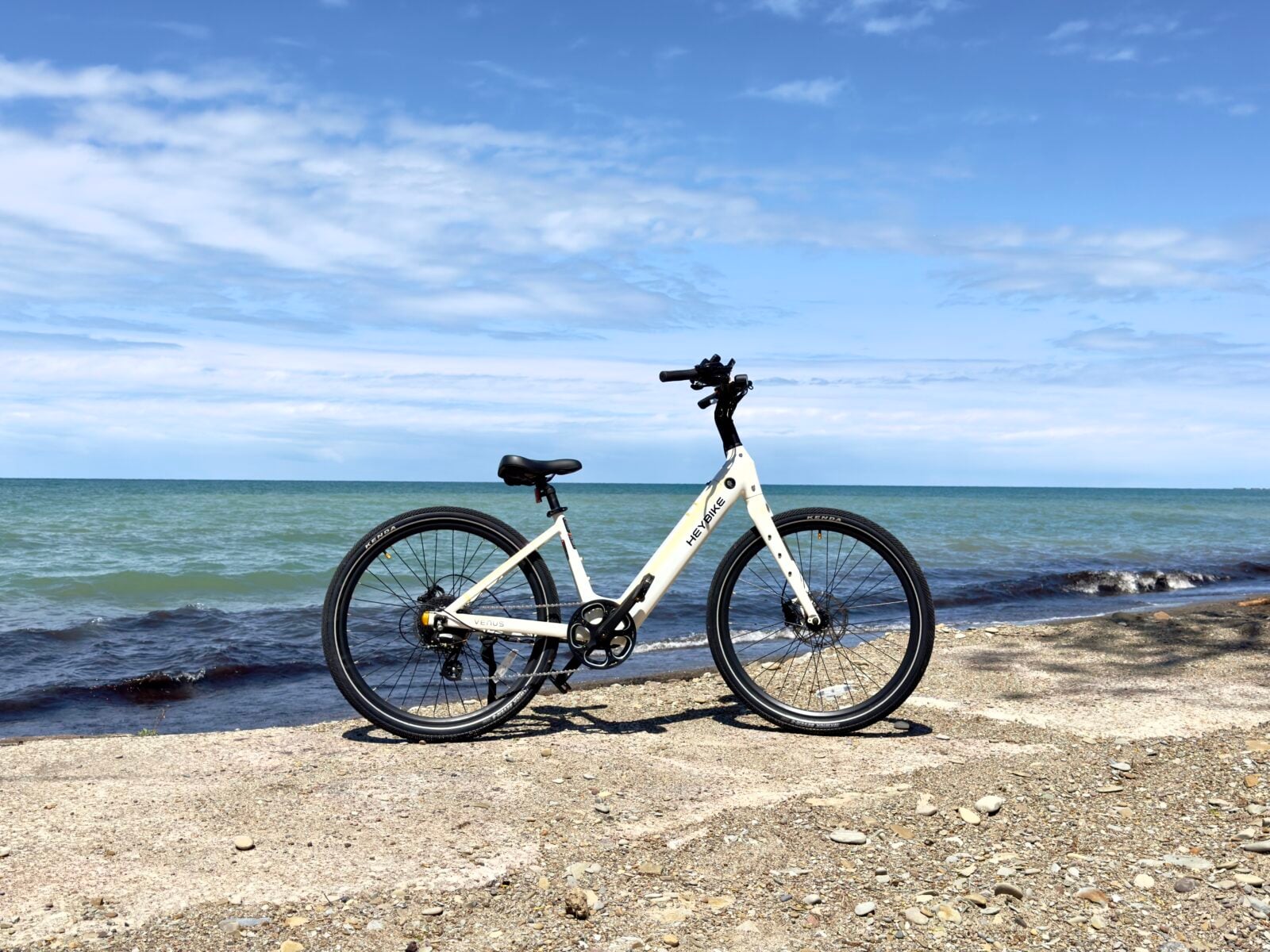
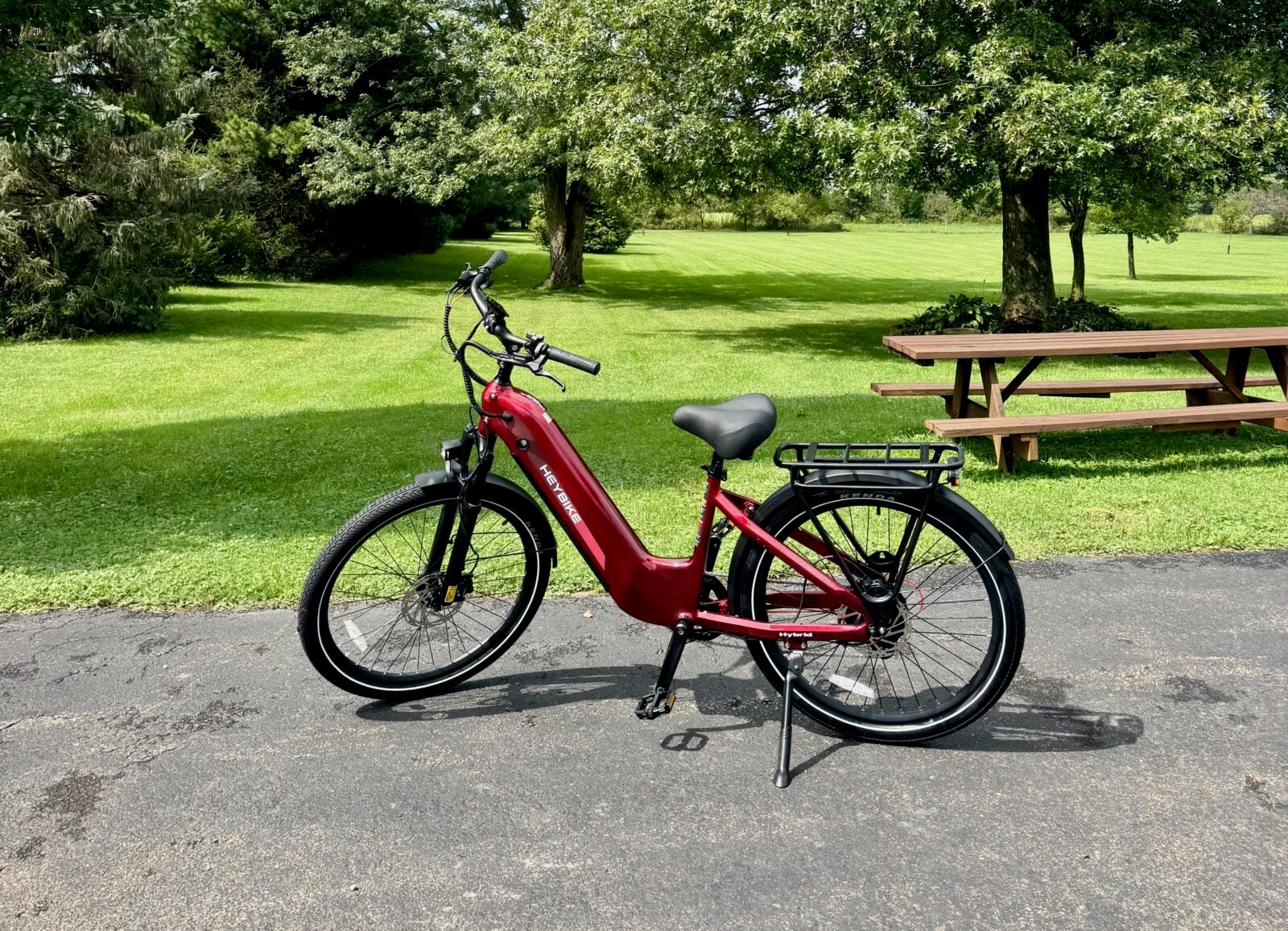
My Heybike Venus and my Heybike Hybrid, affectionately known as Ruby, are useful examples because they offer adjustable class settings and two pedal-assist sensor modes. Those are two different kinds of flexibility, and understanding the difference makes shopping much easier.
This post contains affiliate links. I may earn a commission when you purchase through them, at no extra cost to you.
The three e-bike classes at a glance
| Class | How the motor assists | Assistance cutoff |
|---|---|---|
| Class 1 | Pedal assist only | 20 mph |
| Class 2 | Can propel the bike without pedaling, using a throttle | 20 mph |
| Class 3 | Pedal assist only under the definitions discussed here | 28 mph |
This table follows Maryland’s statutory definitions. State laws differ, including motor limits and equipment requirements. Pennsylvania uses its own definition instead of simply adopting this table. The cutoff is where motor assistance ends; it is not permission to ride that fast wherever you go.
Class 2 can still give you plenty of pedaling
A throttle-equipped bike can also have pedal assist. You can pedal throughout a ride on a Class 2 bike, use assistance on a hill, and choose a comfortable pace. Having a throttle doesn’t mean every outing has to become a throttle-only ride. That’s a helpful distinction if you want both outdoor adventures and opportunities to move your body.
What the Class 2/3 switch does on Venus and Ruby
Heybike lists Venus with Class 2/3 switching and configurable throttle behavior. Its Hybrid instructions identify Eco as Class 2 and Sport as Class 3, with PAS and throttle settings in the app. Follow the instructions for your model and software version; an app label is not a legal determination.
The practical appeal is having settings you can adapt to the ride you’ve actually planned. A lower assistance ceiling may suit an easy outing; a compliant Class 3 configuration may suit a route where that class is permitted. Stop somewhere safe before adjusting settings, and confirm both the assisted-speed limit and what the throttle does afterward.
Do not assume that selecting 20 mph, leaving the throttle untouched, or choosing torque mode converts a bike into Class 1. Access can depend on the bike’s capabilities, label, and the land manager’s rules. Similarly, a “Class 3” mode that still provides throttle propulsion needs to be checked against the local pedal-assist-only definition. Ask Heybike about the exact configuration and the route authority about access.
Torque and cadence describe the feel of assistance
A torque sensor responds to pedal force. A cadence sensor detects pedal rotation. In practical terms, torque mode can feel more connected to your effort, while cadence mode can offer help with lighter pedal pressure. Heybike explains the two sensor approaches here.
Both Venus and Ruby offer that choice. You can explore the feel you prefer without buying a second bike just to try the other sensor style. Start with low assistance in an open practice area: the way power arrives can feel different. Neither sensor mode changes the legal class by itself, and neither guarantees a particular workout or battery range.
How my own riding changed
When I started, I had no desire to pedal. I relied heavily on the throttle because that was what got me interested in riding at all. Then the easy assistance of a cadence sensor helped me embrace pedaling. These days I only use torque mode, with the goal of building strength and muscle as I ride. I didn’t start there, and you don’t have to either.
That progression is why having choices matters to me. Your first preferences don’t have to be your forever preferences. A sensor setting can support the kind of ride you want, even though the physical effort—and any fitness result—still depends on what you actually do.
Which one would I choose?
For someone returning to riding, I keep coming back to Venus’s approachable feel. Ruby is heavier and feels more substantial to me along roads, with a seat that is shockingly comfy. Those are my preferences; your fit, ability to handle the bike at a stop, and storage setup deserve just as much attention as its class number.
Read my Venus review and Ruby review, or explore the current Heybike Venus and Heybike Hybrid options. Choose the bike and permitted configuration that fit your regular routes first. The fun part is deciding where to stop for lunch.
Next, read my Pennsylvania, Ohio, West Virginia and Maryland laws guide and my first-ride safety guide. Find the whole collection in the e-biking hub.