Pennsylvania E-Bike Laws, Plus Ohio, West Virginia & Maryland
A ride can start in Pennsylvania and end with lunch in Ohio. Mine did: Ruby and I covered 49 hilly miles on Route 5 from Erie to the White Turkey restaurant. Adventures like that are exactly why I want to understand the rules before heading out. State lines are easy to cross; bicycle rules don’t always cross with you.
This post contains affiliate links. I may earn a commission when you purchase through them, at no extra cost to you.
Rules checked October 10, 2026. This is a practical starting point, not legal advice or permission for a particular route. Use the official sources below and confirm the current rules with the road, park, or trail manager.
Start with the bike, then check the route
There are two questions: does the bicycle meet the state’s legal definition, and is that kind of bicycle allowed where you want to ride? A road, a paved multiuse path, a natural-surface trail, and a state park can have different answers. Even a legal bike must follow posted speed limits and closures.
If the class names are new, start with Class 1, 2 and 3 e-bikes explained. Sensor choice is separate: torque or cadence changes how pedal assistance responds, not where you are permitted to ride.
Pennsylvania: look beyond the class sticker
Pennsylvania’s electric-assist definition includes a bike weighing no more than 100 pounds, working pedals, two or three wheels larger than 11 inches, and a motor system rated at no more than 750 watts. Its motor-only capability on level ground must not exceed 20 mph. Riders must be at least 16. See DCNR’s definition and policy and the rider-age statute.
On DCNR trails open to bicycles, qualifying e-bikes may be used, but riders must pedal on nonmotorized trails and must not use electric assistance above 20 mph. Throttle-only travel is not allowed on those nonmotorized trails. Public-use roads and motorized trails have their own access context; signs still govern. This DCNR policy is not blanket permission for municipal, private, or other agencies’ trails.
Ohio: Class 2 and Class 3 have different path access
Ohio generally permits Classes 1 and 2 on bicycle and shared-use paths unless the responsible authority prohibits them. Class 3 needs a path within or adjacent to a highway, or specific authorization. Historically nonmotorized natural-surface and singletrack trails require authorization for any e-bike class. Class 3 operators must be at least 16; all Class 3 operators and passengers need qualifying helmets, and the bike needs a speedometer.
Ohio also requires a class, assisted-speed, and wattage label. A modification that changes top assisted speed requires a matching label change. That makes the label part of the conversation when changing configurations—not just the screen setting. These provisions are in Ohio Revised Code 4511.522.
West Virginia: an important 750-watt distinction
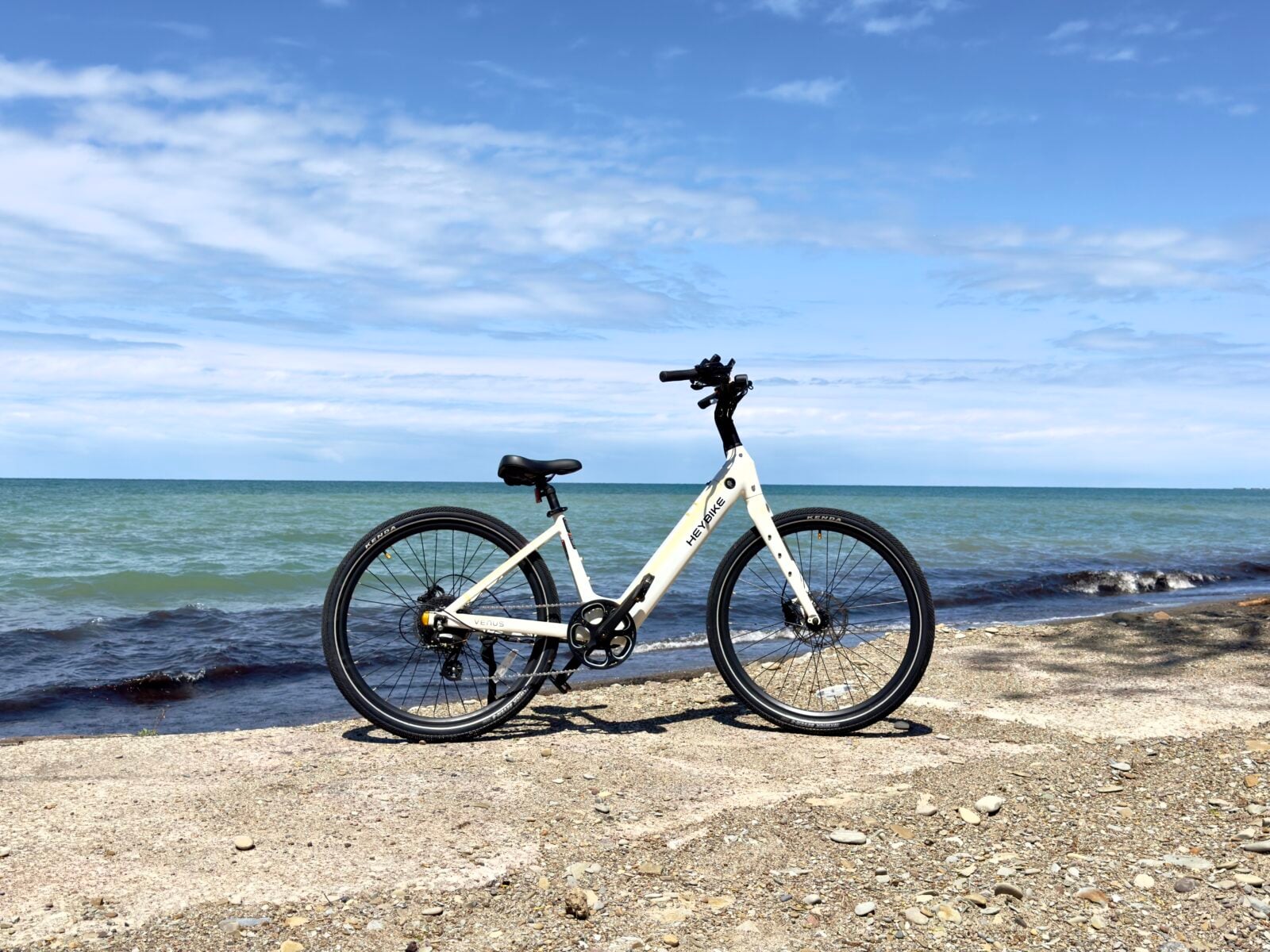
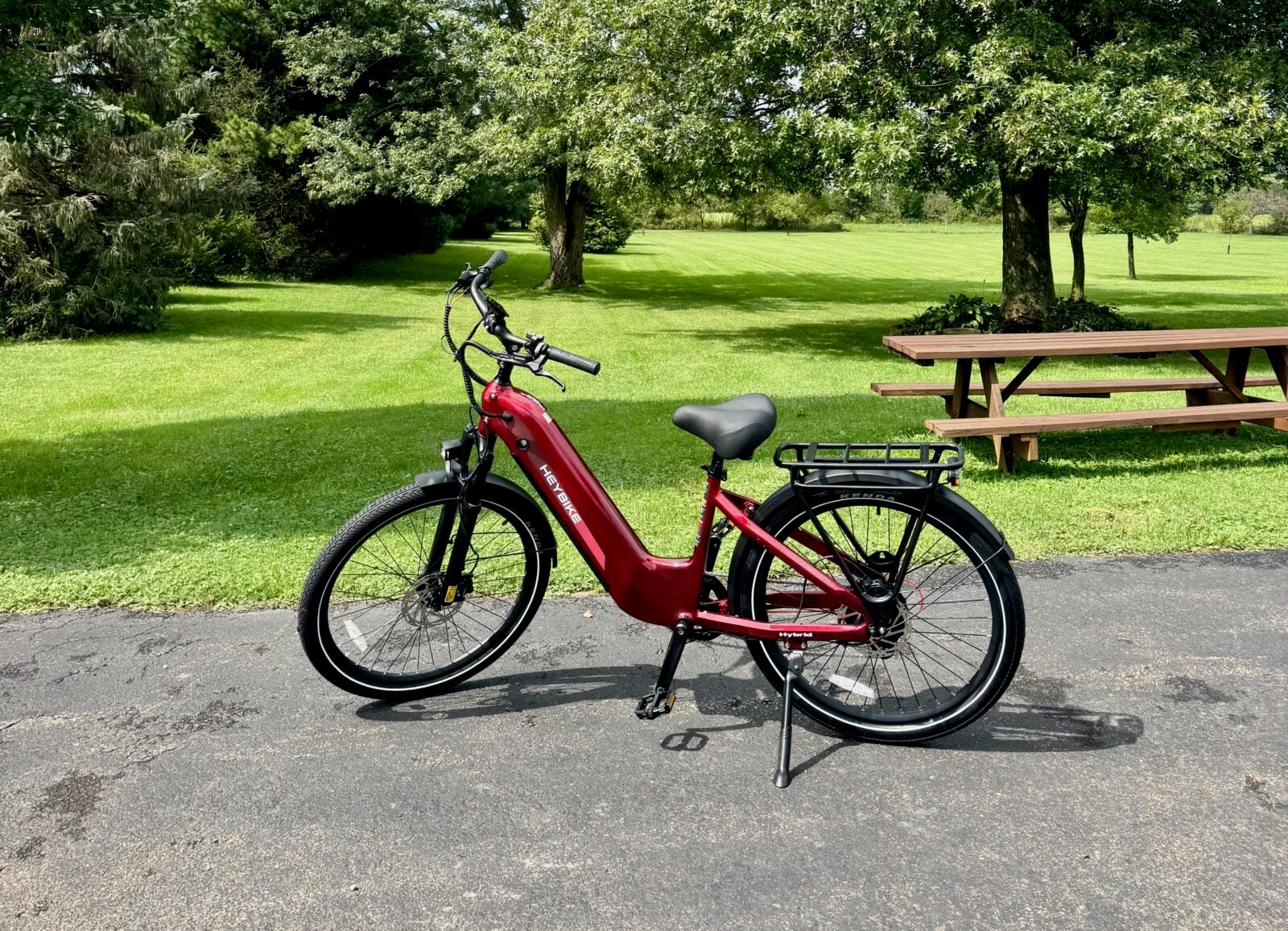
West Virginia recognizes three classes, but its definition says the motor must be fewer than 750 watts. Heybike lists Venus and Hybrid at 750W rated power. I cannot present either as automatically qualifying under that wording. Lowering the speed setting does not change the motor’s rated power; get model-specific clarification before planning a West Virginia public ride.
For qualifying bikes, Classes 1 and 2 generally share conventional-bicycle access. Class 3 trail access needs a highway/roadway location or express permission from the responsible authority. The statute also restricts modifications that change motor-powered speed capability or pedal/throttle engagement. It requires helmets for riders and passengers under 15 and prohibits riding under the influence. Read West Virginia’s operating requirements rather than assuming a factory mode switch settles these issues.
Maryland: road access and DNR trail access are different
Maryland’s definition allows a motor rating of 750 watts or less and uses Classes 1, 2 and 3. The operating statute generally allows e-bikes where bicycles travel, including bike lanes, but permits local restrictions. Class 3 bicycle-path access is limited to a highway right-of-way or adjacent path, or agency permission. Under-16s cannot operate Class 3 on a public highway.
For Maryland DNR lands, use the current COMAR usage regulation: public roads, parking lots, and ORV trails are distinct from designated recreational trails. The designated-trail provision permits conventional bicycles, adaptive bicycles, and Class 1 e-bikes. Restrictions and closures still apply, and Wildlands and pedestrian-only areas are excluded. The July 2026 DNR announcement explains the newer trail access; some older park webpages still show earlier policy.
Simply leaving a Class 2 throttle unused does not establish Class 1 eligibility. Ask the manager about your exact bike and configuration. Maryland’s statewide helmet rule covers under-16s on public property, with stated exceptions; local rules can be stricter. My recommendation for adults is a properly fitted helmet every ride, too.
Where Venus and Ruby’s flexibility helps—and where it stops
Heybike documents Class 2/3 options for Venus and Hybrid. That gives you a way to configure assistance for different permitted uses. It does not override wattage limits, labeling requirements, throttle restrictions, or Class 1-only access. Confirm the actual motor behavior and legal configuration before leaving, including whether assistance stops when pedaling stops.
I love Venus’s approachable feel and Ruby’s more substantial road feel, and you can read my Venus review or Hybrid review for the personal side. If either fits your routes, explore the Heybike Venus or Heybike Hybrid through my affiliate links. A great ride starts with a bike that fits both you and the place you’re going.
My before-you-go route check
Identify every road or trail manager on the route, including separate segments of a longer trip such as the GAP. Confirm class, throttle, equipment, and speed rules; check your bike’s label and current settings; and look for closures before traveling. Carry a route with an easy turnaround option. For riding skills and preparation, continue with my beginner safety guide and the e-biking hub.