Free Slot Games Have Quietly Become Part of a Balanced Digital-Downtime Routine

Image by Mira Chandran
Somewhere between the last work email and lights out, most of us reach for a screen. That habit is not going anywhere, so the useful question is not whether you use one in the evening but what you point it at. A person who spends their days reading ingredient labels and thinking about what actually nourishes tends to bring the same attention to how they wind down, and that instinct turns out to be exactly right. Not all screen time rests you. Some of it recharges the battery and some of it just drains it more slowly.
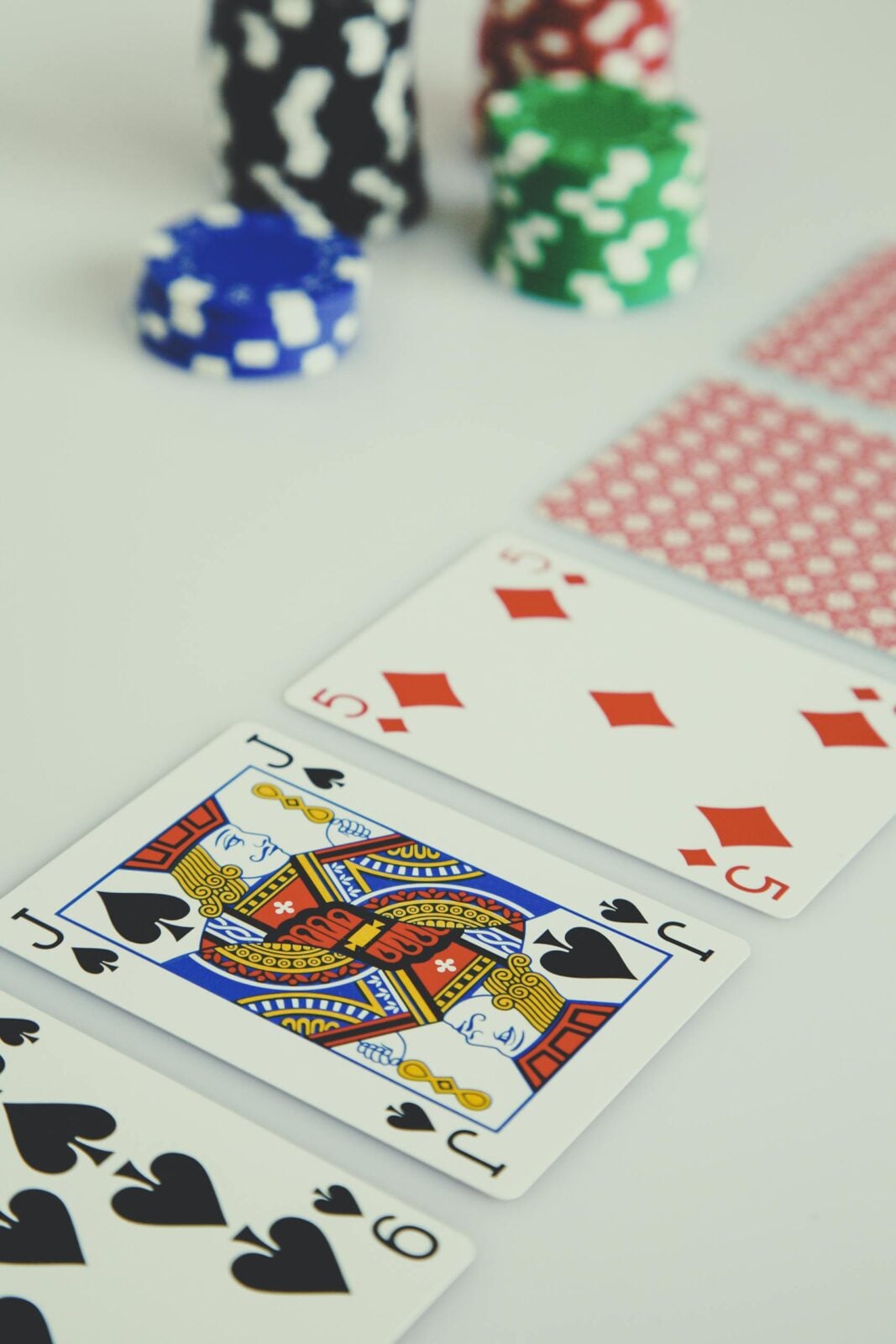
Free slot games have slipped into that mix for a lot of people, and they deserve an honest look rather than a lecture. The key word is free. A no-cost, demo version of a slot game runs on play money, which means there is nothing real to win and nothing real to lose. That is a very different thing from real gambling, and the difference is the whole reason a free game can sit inside a healthy evening at all. If you want to see the plain version of how that works before deciding whether it belongs in your routine, Bonus.com lays it out clearly in its guide to complimentary slot gameplay, where the free format is described for what it is: pretend credits, no deposit, no payout. This piece is about where a game like that fits, where it does not, and how to keep the whole habit low-stakes on purpose.
What “Free” Actually Means Here
The word free gets used loosely online, so it is worth being precise. A free or demo slot game hands you a stack of play-money credits when you open it. The reels spin, symbols line up or they do not, the pretend balance goes up and down, and at no point does any of it convert to cash. You did not deposit anything, so there is nothing to withdraw. It is closer to a phone puzzle or a round of solitaire than to anything happening in a casino.
That distinction is the foundation everything else rests on. When nothing is riding on the outcome, a spinning reel is just a small, colorful way to pass a few minutes. The trouble in this whole category only ever starts when real money enters, because at that point the activity stops being idle downtime and becomes a spending decision. Keeping the free version and the paid version clearly separated in your own head is the single most important habit you can bring to it.
Why Screen Downtime Needs a Filter
Screens are built to hold you, and the good ones are very good at it. An autoplaying next episode, a feed that refreshes the instant you glance at it, a game that deals another round the moment the last one ends, all of these are designed so the stopping point never arrives on its own. That is not an accident and it is not a moral failing on your part. It is the product working as intended.
The way through is not to swear off screens but to run each one through a simple filter. What does it cost me if it goes nowhere? How much of my attention does it demand while it runs? And does it end on its own, or do I have to be the one to end it? A free slot game scores well on the first two questions and poorly on the third, which tells you exactly how to handle it. It costs nothing and it asks only as much attention as you choose to give it, but it will never stop itself, so the ending has to be one you decide in advance.
The Slow-Kitchen Comparison
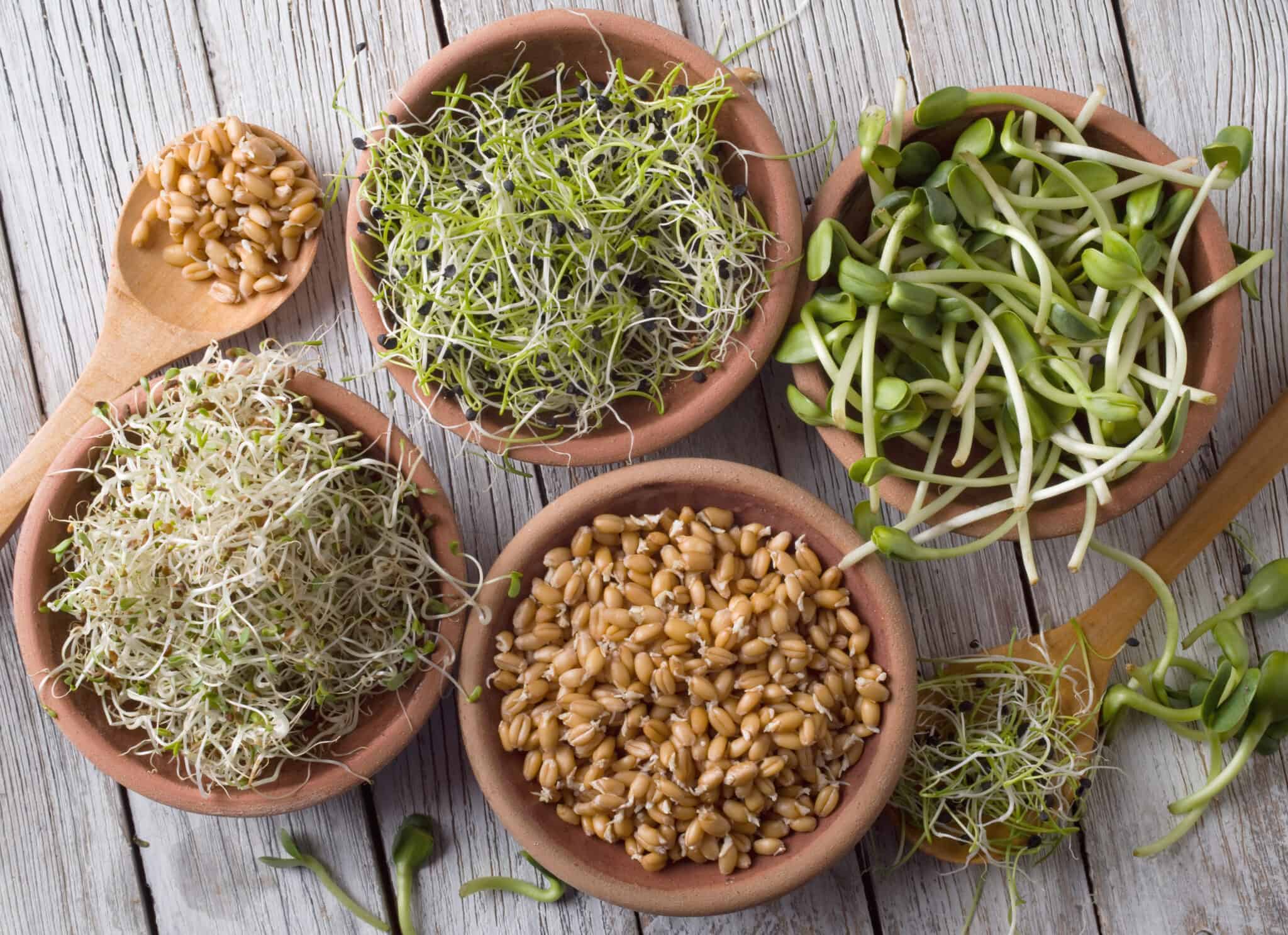
There is a useful contrast hiding in the kitchen. Some of the most restful hobbies are the ones that finish on their own while you do nothing. A jar of something fermenting on the counter is the clearest example. You spend ten minutes up front, then you walk away, and days later it is done whether you watched it or not. A hands-off recipe like a slow-fermented sweet pickle relish sits at room temperature for a few days and then goes in the fridge, with the whole margin for error built into the process rather than into your vigilance. The reward is the waiting, and the waiting costs you nothing.
A screen game is the opposite shape. It gives you the activity now and no natural finish line, which is neither good nor bad but is worth naming. The lesson from the slow kitchen is not that screens are inferior. It is that an evening feels best when you pair something that ends on its own with something that does not, and you supply the ending for the one that lacks it. Start the jar, which finishes itself. Give the free game a hard edge you set before you pick up the phone.
A Simple Way to Sort Your Evening
Laying the options side by side makes the pattern obvious. The point is not to rank them but to see what each one actually asks of you, so you can build an evening from a mix rather than defaulting to whatever is loudest.
| Downtime option | What it costs you | Attention it needs | Does it end on its own? |
|---|---|---|---|
| A jar fermenting on the counter | A vegetable and a spoon of salt | Ten minutes up front, then none | Yes, in days, whether you watch or not |
| A pot of tea and a chapter | Pennies and a little time | Light and pleasant | Yes, the cup empties and the chapter closes |
| A windowsill herb to tend | A few dollars, once | A minute of water here and there | It keeps going but never demands a session |
| A free, play-money slot game | Nothing, in the free version | As much or as little as you give it | No, so you set the ending yourself |
| A real-money gambling app | Whatever you choose to risk | Pulls harder the longer you stay | No, and the stakes are real |
The first three sit comfortably in a wholesome-food kind of life without any caveats. The free game sits there too, as long as it stays free and you give it a stopping point. The last row is a genuinely different activity, and the gap between it and everything above it is the subject of the next two sections.
Where a Free Game Fits, and Where It Does Not
Used honestly, a free slot game is a small piece of a low-stakes evening. It belongs in the same bucket as a phone puzzle: a cheap way to occupy tired hands for fifteen minutes while something slower handles itself in the background. There is no need to either recommend it breathlessly or clutch pearls about it. It is a minor pastime, and treating it as one is the healthiest possible stance.
What it is not matters more than what it is. A free game is not a sweepstakes casino, and that distinction has grown sharper every month. Sweepstakes platforms use a dual-currency setup where a promotional coin can be redeemed for real prizes, which places them in an entirely different legal category, and a growing list of states has moved hard against them. California banned the model effective the first day of 2026, Connecticut made operating one a felony, and Indiana, Maine, Oklahoma, Tennessee and several others have followed with bans or restrictions of their own. So nobody should be told the sweepstakes model is a safe nationwide way to play, because in much of the country it is now simply illegal. Availability is shrinking, and it depends entirely on where you live.
A free game is also not a licensed real-money online casino. Those are legal in only eight states as of the middle of 2026, with Maine the newest and not yet launched, and they are strictly for adults 21 and over. Most of the country is not on that list. When you see the free demo and the real-money product side by side on the same website, it is easy to slide from one to the other without noticing, and noticing is the entire job.
The Math Does Not Care How You Play
If the free version ever tempts you toward the paid one, it helps to be clear-eyed about how these games actually work. They are chance-based, top to bottom. A slot has no skill component at all. The published payout percentage you sometimes see quoted is a long-run average measured across an enormous number of spins, not a promise about your session or your night. It describes the behavior of the machine over time, not what will happen in the next twenty minutes.
Underneath every one of these games is a built-in house edge, and that edge does not care how carefully or how cleverly you play. Patience is a virtue in the kitchen, where waiting genuinely improves the result. It does nothing to a spinning reel. There is no strategy that beats a built-in edge on a pure-chance game, and anyone who tells you otherwise is selling something. Keeping that fact close is the best protection there is, because it removes the illusion that skill or discipline can change the odds. It cannot.
Building the Ending In
Because a free game will not stop on its own, the ending has to come from you, and late at night you are not at your most decisive. The fix is to decide the stopping point before you start, the way a ferment decides its own. A single timer, a set number of rounds, a rule that the game ends when the tea is gone, any of these works. What matters is that the limit exists before you pick up the phone rather than being negotiated with yourself at ten forty when you are tired.
This is also where the free-versus-paid line does its real work. A free game with a preset ending is genuinely low-stakes, because the worst case is that you spent fifteen minutes on pretend credits. The same behavior with real money attached is a different animal, and it deserves the same skepticism you would give any spending decision made late and alone. Set the edge in advance, keep it free, and the habit stays where it belongs.
Keeping the Whole Habit Low on Purpose
The thread running through all of this is choosing low stakes deliberately rather than by accident. The restful options rarely announce themselves. They are usually cheaper, quieter, and less insistent than the ones engineered to hold your attention, which is exactly why they get overlooked.
There is a small parallel worth drawing from the kitchen one more time. The reason the cheapest hobbies are often the most rewarding is not mysterious, and it reads well in plain language from a source with nothing to sell. The NC State Extension service keeps a clear, reviewed explainer on the science behind lactic-acid fermentation, from the salt concentration to the bacteria that run the process, and it is a good reminder that the most satisfying thing on the counter is also one of the least expensive and least demanding. The pastimes that actually rest you tend to ask the least and risk the least.
None of this requires giving up screens or treating a free game as a failing. It just means running your downtime through the same honest filter every time. What does it cost me if it goes nowhere? How much attention does it take? Does it end on its own, or do I have to end it? Answer those plainly and the evening sorts itself out, with the free game kept small and bounded, the real-money version kept firmly separate, and the slower, quieter things doing their patient work in the corner.
Frequently Asked Questions
Is a free slot game the same as gambling?
No. A free or demo slot game runs on play money, so there is no deposit and no prize, and nothing you win or lose converts to anything real. That makes it closer to a phone puzzle than to gambling. Real gambling begins only when actual money is at stake, which is a separate activity with real consequences and different rules entirely.
How is a free game different from a sweepstakes casino?
A free game uses play-money credits with no path to a real prize. A sweepstakes casino uses a promotional coin that can be redeemed for prizes, which places it in a different legal category. That model has been banned or restricted in a growing number of states, including California, Connecticut and Indiana, so you should never assume it is available where you live.
Can I win real money playing free slots?
No, and that is the point of the free format. There is no deposit going in, so there is nothing to withdraw coming out. If a site offers you real winnings, you have crossed from a free game into a real-money product, which exists legally in only eight states as of mid-2026 and is limited to adults 21 and over.
Does any skill or strategy improve my odds?
No. Slot games are pure chance with a built-in house edge, and the published payout percentage is a long-run average across many spins rather than a promise about your session. No strategy beats a built-in edge on a chance-based game, so treat anyone claiming otherwise with suspicion.
How do I keep a free game from eating my whole evening?
Give it an ending before you start, because it will not stop on its own. Set a timer, cap the number of rounds, or tie the finish to something that ends naturally, like a cup of tea running out. Deciding the limit in advance, while you are still fresh, keeps the habit small and genuinely restful.