Keto Diet Mistakes Beginners Make and How to Fix Them
Common keto diet mistakes beginners make include overlooking carbs, eating too little overall, chasing a rigid macro ratio, and assuming every symptom is just keto flu. A few practical checks can help you build meals that fit your needs without treating someone else’s carb limit as a rule for your body.
Keto, Low-Carb & Carnivore: Start Here
Looking for your next meal or a place to begin? Explore my Keto and low-carb recipes, beginner guides, and meal inspiration, and find ideas that fit your own approach.
Key takeaways:
- Carbs in sauces, dressings, and packaged “keto” snacks can add up; check portions and labels.
- Get enough protein and overall food; adding more fat is not automatically the answer.
- Early symptoms can have several causes. Don’t assume they prove you are in ketosis.
- Ketosis does not guarantee weight loss, and short-term scale changes are not all body fat.
Keto Diet Mistakes Beginners Make With Fat
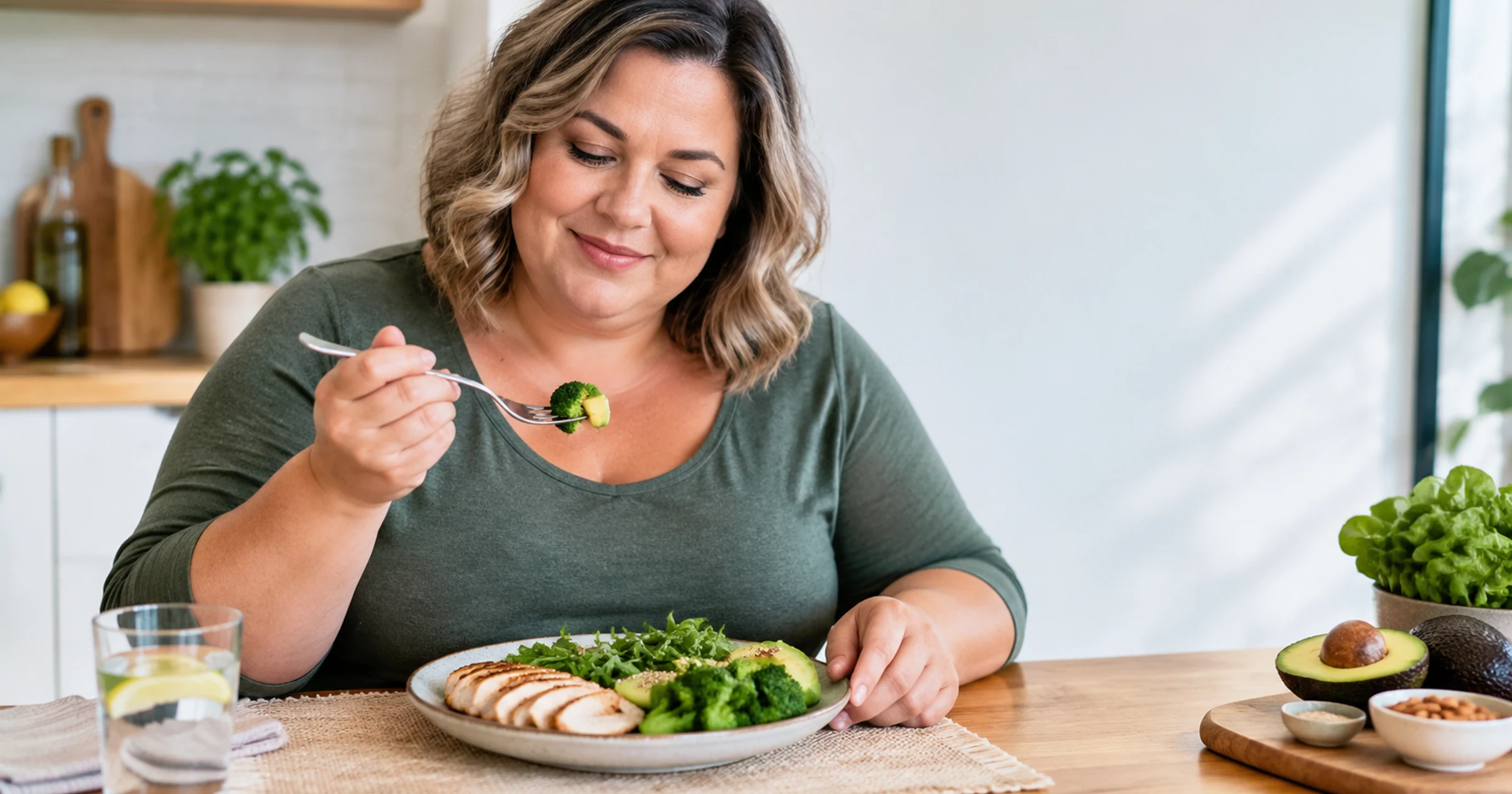
Cutting carbs while also cutting most of your usual food can leave meals unsatisfying. Rather than automatically adding butter or oil to everything, look at the whole meal: a source of protein, vegetables or other foods that fit your approach, and enough fat and overall energy for your needs.
Olive oil on vegetables or avocado with a meal can be useful options. You do not need to force extra fat just to hit a percentage, particularly if you are already satisfied. Fatigue has many possible causes; it is not a reliable sign that you simply need more dietary fat.
Worrying Too Much About Protein on Keto
Protein matters for maintaining muscle and supporting normal body functions. Don’t cut it sharply because you heard that every extra bite turns into sugar and stops ketosis. The body can make glucose from some amino acids, but that process does not mean eating protein automatically switches ketosis off.
The International Society of Sports Nutrition’s position stand on ketogenic diets describes ketosis occurring in studies with relatively high protein intakes. Your needs depend on factors such as body size, activity, age, and health. A registered dietitian can help you choose an appropriate intake rather than guessing from a universal macro ratio.
Missing Hidden Carbs in Everyday Foods
Hidden carbs in sauces, dressings, and packaged “keto-friendly” snacks are among the most common keto mistakes because nothing about the food looks like a carb. BBQ sauce, teriyaki, flavored yogurt, and some protein bars carry carbs that add up fast without a single piece of bread in sight. A food you ate safely yesterday can carry a different carb count from a different brand.
Read labels on anything packaged. Log what you eat for a week if you are unsure. Treat “keto” branding on a product as a reason to check the label, not skip it.
Why Am I Not Losing Weight on Keto?
Being in ketosis does not guarantee weight loss. Cheese, nuts, oils, and cream are calorie-dense, so portions are worth reviewing if weight loss is your goal. But a few unchanged weigh-ins do not identify the cause of a plateau.
Water shifts, digestion, medications, sleep, and other factors can affect the scale. Look at trends over time rather than a single morning. If progress or symptoms concern you, review your eating pattern and health with a qualified clinician instead of assuming you need to restrict food further.
Keto Flu vs Keto Mistakes
“Keto flu” is an informal name for symptoms such as headache, fatigue, nausea, and lightheadedness that some people report after starting keto. Fluid and electrolyte shifts may contribute, but they are not the only possible explanation. A review of keto-initiation symptoms found limited evidence for many proposed causes and remedies.
Drink regularly and eat adequately, but don’t start high-dose salt, potassium, or magnesium supplements without checking whether they are appropriate for your health and medications. Symptoms do not confirm ketosis, and persistent, worsening, or severe symptoms deserve medical attention. My keto flu symptoms guide explains what to watch for and when to get help.
What Beginners Should Not Do on Keto
Do not read “low-carb” as “no vegetables.” Non-starchy vegetables provide fiber and micronutrients that an all-meat-and-cheese plate will miss. Do not assume calories stop mattering either. Even a textbook ratio of fat, protein, and carbs will not produce weight loss if total intake stays above what your body burns.
Carbohydrate tolerance varies from person to person, and some people track total carbs while others track net carbs. A general range is a starting point, not a guarantee of ketosis. If you use medication for diabetes or blood pressure, or have a medical condition, talk with your clinician before making a major dietary change; do not adjust medication on your own.
Start by tracking meals for a week, loosely if you prefer, so you can see where fat, protein, and hidden carbs are actually landing. Use that information to spot patterns, rather than treating tracking as a test you have to pass. If you’re just getting your bearings, start with my keto diet for beginners guide for typical carb ranges and what to eat.
For everyday meal ideas, browse my Keto & Low-Carb recipe hub. Choose recipes and portions that fit your own approach.
FAQ
How long does keto flu usually last?
Some people improve within a few days, while others report symptoms for longer. There is no guaranteed timetable. Contact a healthcare professional if symptoms persist, worsen, or interfere with eating, drinking, or normal activities; seek urgent care for severe symptoms.
What is the biggest keto mistake beginners make?
There isn’t one universal mistake. Overlooking serving sizes, eating too little, and copying someone else’s targets without considering your own needs are useful places to start checking.
Can too much protein stop ketosis?
Protein intake can influence your overall dietary pattern, but eating protein does not automatically stop ketosis. Don’t sacrifice adequate protein just to chase a ketone number; get individual guidance if you are unsure about your needs.
Why am I not losing weight on keto even with low carbs?
Ketosis and weight loss are different things. Total intake and portions matter, while water shifts and other health factors can affect scale readings. A clinician or registered dietitian can help investigate a persistent plateau.
Is keto flu the same thing as a keto mistake?
No. Symptoms are not proof you did something wrong, and they should not automatically be blamed on the diet. Review them with a healthcare professional when needed.
This article is for general information only and is not medical advice; talk with a qualified healthcare provider before starting or changing a diet.