What Your Liver Actually Does With What You Eat
The liver gets talked about almost entirely in the language of cleansing. Flush it, reset it, detox it. Which is strange, because the organ in question is already the most sophisticated processing facility in the body and has never once needed a juice.
What it does need is reasonably well understood, and most of it happens in a kitchen.
A working description
Your liver handles several hundred jobs simultaneously. A few are worth knowing about if you cook.
It processes almost everything absorbed from your digestive tract. Blood leaving the intestines doesn’t go straight into general circulation, it travels first to the liver through the portal vein, where nutrients are sorted, stored, converted or sent onward. Everything you eat passes through this checkpoint.
It manufactures bile, which emulsifies dietary fat so it can be absorbed, and which also carries processed waste out through the intestines.
It stores glucose as glycogen and releases it between meals, which is why your blood sugar doesn’t collapse overnight.
And it transforms substances, medications, alcohol, metabolic byproducts, hormones — into forms the body can eliminate. This is the part marketed as detoxification. It runs continuously, it doesn’t pause, and it doesn’t switch on in response to a smoothie.
The thing that actually matters most
If you cook from scratch and eat a varied diet, you’re already doing the bulk of what’s useful. There’s one factor that outweighs nearly everything else, though, and it isn’t a food.
Fat accumulation in the liver is now extremely common, some estimates put it at roughly a quarter of adults worldwide, and it’s closely tied to overall metabolic health, body weight and insulin resistance rather than to any single dietary villain. Excess calories, particularly from refined carbohydrates and added sugars, contribute more than dietary fat does.
The practical version: a diet built around whole ingredients, eaten in amounts that maintain a stable weight, does more for the liver than any targeted intervention. That’s unglamorous, and it’s also the finding.
Alcohol is the other large lever, and the one most people would rather not look at. The liver processes it as a priority over other work, which means everything else gets deferred while it does. Regular intake, not just heavy intake, matters here.
What’s genuinely useful in the kitchen
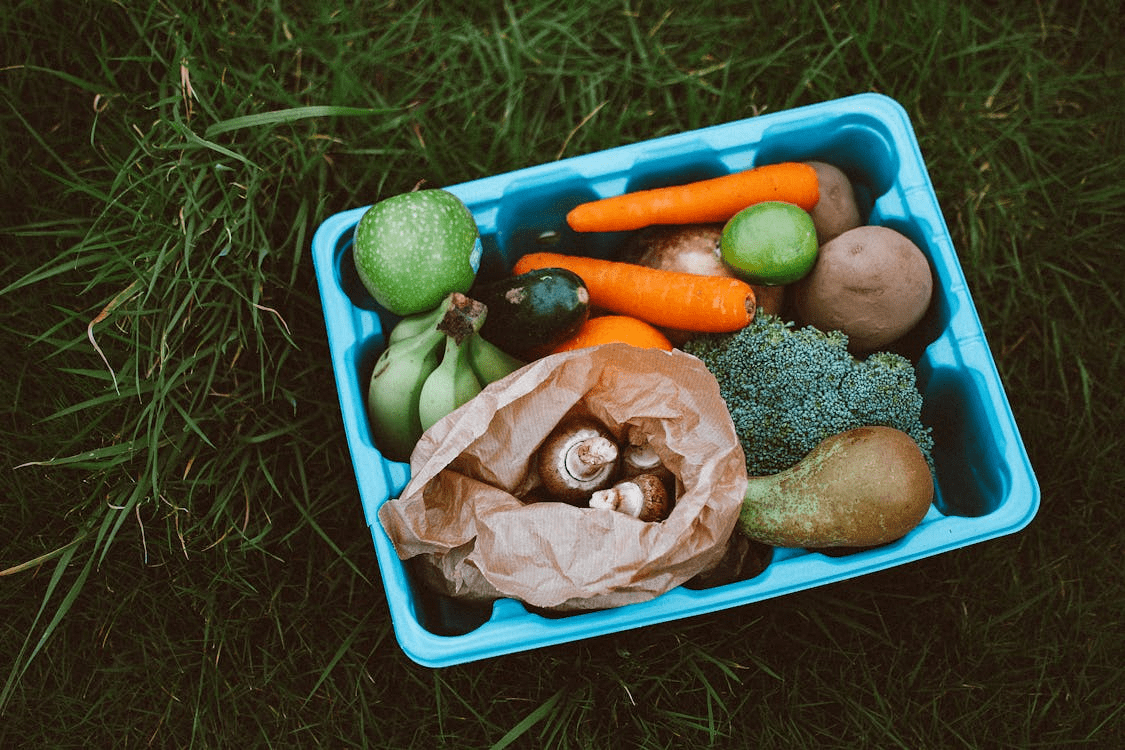
Cook with the allium and brassica families. Garlic, onions, leeks, broccoli, cabbage, Brussels sprouts and kale contain sulphur compounds and glucosinolates that support the enzyme systems involved in processing substances for elimination. This is real biochemistry rather than marketing, though the effect of eating them is supportive rather than transformative.
Keep coffee in. This is one of the more consistent findings in liver research and tends to surprise people — regular coffee consumption is associated with lower rates of liver disease across multiple large studies. Nobody is entirely sure which compounds are responsible.
Eat enough protein. The liver manufactures most of the body’s circulating proteins and needs raw material to do it.
Use olive oil and oily fish. Both are associated with lower liver fat in dietary studies, and both fit easily into everyday cooking.
Include bitter leaves. Rocket, radicchio, endive and dandelion greens stimulate bile flow, which is the mechanism behind the traditional use of bitters before a meal. The tradition is older than the research and broadly consistent with it.
Watch the added sugar, particularly fructose. Fructose is metabolised largely in the liver, and high intake from sweetened drinks and processed foods is associated with fat accumulation. Whole fruit is a different matter, the quantities and the fibre change the picture entirely.
What isn’t useful
Juice cleanses, lemon water protocols, and detox teas don’t do what they claim. The liver doesn’t accumulate a backlog that needs clearing, and short-term restriction doesn’t accelerate anything.
Several of these are mildly counterproductive. Extended juice fasting means high sugar with no protein, which is close to the opposite of what the evidence supports. Prolonged very low calorie intake can mobilise fat in ways that aren’t helpful for a liver already under strain.
Supplements marketed with before-and-after imagery deserve particular scepticism, as do any claims about removing toxins that never name which toxins.
Where supplements sit honestly
There is a real market here, and some of the ingredients are not nonsense. Milk thistle (silymarin) has been studied for decades, with mixed but not negligible results. Turmeric, artichoke extract, dandelion and beetroot appear across the category. Formulas such as PureHealth Research’s liver health formula are built around that group of botanicals.
Being straightforward about where that fits: the evidence for individual ingredients varies considerably, and none of it competes with the effect of alcohol intake, body weight, and overall dietary pattern. A supplement alongside a diet that’s working is a reasonable addition; a supplement instead of addressing those three is not.
Anyone taking prescription medication should be especially careful — the liver metabolises most drugs, and several botanicals interact with that process. Milk thistle and turmeric both have documented interactions. This is a conversation to have with a doctor or pharmacist rather than a decision to make from a label.
When it isn’t a diet question
Liver disease is frequently silent until it’s advanced, which is the main argument for not self-managing it.
Persistent fatigue, yellowing of skin or eyes, dark urine, pale stools, abdominal swelling or pain under the right ribs, or unexplained weight loss all warrant medical assessment rather than dietary adjustment.
Routine blood tests pick up a great deal of this early, and anyone with risk factors — regular alcohol intake, obesity, type 2 diabetes, or a family history — is reasonable to ask for liver function testing at a check-up rather than waiting for symptoms.
The short version
Cook with vegetables, keep the coffee, use olive oil, eat enough protein, go easy on added sugar, and be honest about alcohol.
That’s the whole protocol. It happens to be the same thing you’d do for general health, which is usually a sign that the advice is real rather than invented to sell something.