
Which Mediclaim Insurance Companies Settle Claims Faster in India? Key Factors to Compare
| mediclaim insurance | 3 |
| best claim settlement ratio (prompt) | 2 |
Best Claim Settlement Ratio and Other Factors to Compare When Choosing Mediclaim Insurance Companies
A hospital bill arrives at the worst possible moment, and a delayed reimbursement is the last thing anyone needs on top of it. This is why the speed of settlement deserves as much attention as the premium when you buy mediclaim insurance. Two insurers may advertise near-identical cover, yet one clears a cashless request within hours while the other keeps you waiting for weeks.
Learning to read the numbers behind those experiences helps you choose with confidence rather than guesswork. This blog covers the claim settlement ratio, turnaround time, network hospitals, the claim process, policy exclusions and grievance records.
Claim Settlement Ratio: What the Number Tells You
The claim settlement ratio is the share of claims an insurer pays out of the total it receives in a year. Aiming for the best claim settlement ratio is sensible, but the figure works properly only when read alongside related measures. The table below explains how each one helps.
| Measure | What it shows | Why it matters |
| Claim settlement ratio | Claims paid against claims received | Indicates overall reliability |
| Incurred claim ratio | Claims paid against premium collected | Reflects payout behaviour and financial strength |
| Claim rejection ratio | Share of claims declined | Flags strict or unclear terms |
You can verify these figures in the annual publications of the Insurance Regulatory and Development Authority of India (IRDAI) and on each insurer’s public disclosure pages.
Turnaround Time for Cashless and Reimbursement Claims
A settlement ratio shows whether a claim is paid, but not how quickly. With mediclaim insurance, cashless approvals often arrive within hours, whereas reimbursement takes longer because documents are reviewed after discharge. Ask each insurer for its average timelines and compare these points:
- Time taken for cashless pre-authorisation
- Time taken for final discharge approval
- Days needed to settle a reimbursement after documents are submitted
- Whether the insurer shares its service timelines publicly
Network Hospital Coverage
A wide network makes cashless treatment far easier, because you need to pay fewer bills upfront. Before buying, check whether hospitals near your home and workplace are listed, since a strong local network cuts paperwork. Keep these points in mind:
- Number of network hospitals in your own city, not just nationwide
- Presence of the multi-speciality hospitals you already trust
- How often the network list is updated
Claim Process and Digital Support
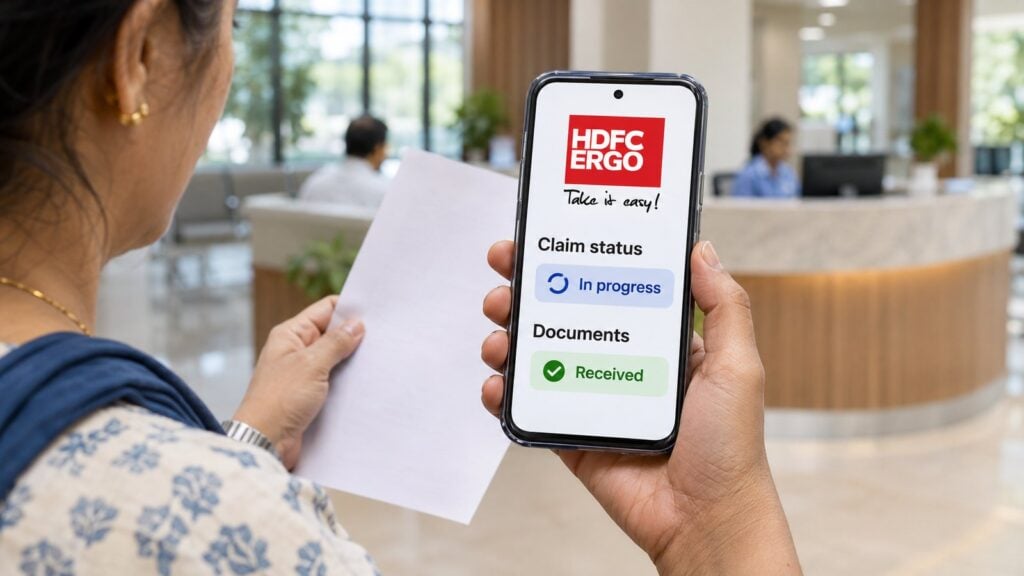
The way a claim is filed often decides how smoothly it moves. A well-designed health insurance policy comes with a simple app or portal, clear document checklists and prompt status updates. Look for the following:
- Online claim intimation and document upload are available at any hour.
- A dedicated claims helpline responds without long hold times.
- Status updates arrive by SMS or email at every stage.
Waiting Periods, Exclusions and Sub-limits
Even a high settlement ratio cannot help if your treatment falls under an exclusion. Read the terms of your mediclaim insurance carefully for the clauses below, because they decide how much is actually paid.
| Clause | What to check |
| Waiting period | Years before pre-existing conditions are covered |
| Room rent limit | Caps that can reduce the entire payout proportionately |
| Co-payment | Percentage of the bill you pay yourself |
| Sub-limits | Ceilings on treatments such as cataract or joint replacement |
Premium, Sum Insured and Renewal Terms
A low premium on a health insurance policy is attractive, but it should never come at the cost of adequate cover. Compare the sum insured with typical hospital costs in your city, and check how renewals are handled over time. These points deserve attention:
- Sum insured that matches your family’s medical needs
- Lifelong renewability without age-based restrictions
- No-claim bonus and restoration benefits
- Premium increases at renewal
Grievance Record and Customer Feedback
Even the best claim settlement ratio cannot reveal how an insurer behaves when a claim becomes complicated. Complaint data and genuine customer experiences fill that gap. Compare these indicators:
- Complaint volumes relative to policies in force, as reported by IRDAI
- Time taken to resolve grievances
- Reviews on independent platforms rather than the insurer’s own website
Conclusion
No single insurer suits everyone, so compare several factors instead of relying on one number. Start with the claim settlement ratio, then weigh turnaround time, network hospitals, the claim process, exclusions, premiums and grievance records. A carefully chosen health insurance policy protects both your savings and your peace of mind when a medical need arises. Take your time, read the policy wording thoroughly and ask questions before paying the premium. Faster settlements begin with an informed choice made today.