How to keep homegrown potatoes for winter and beyond
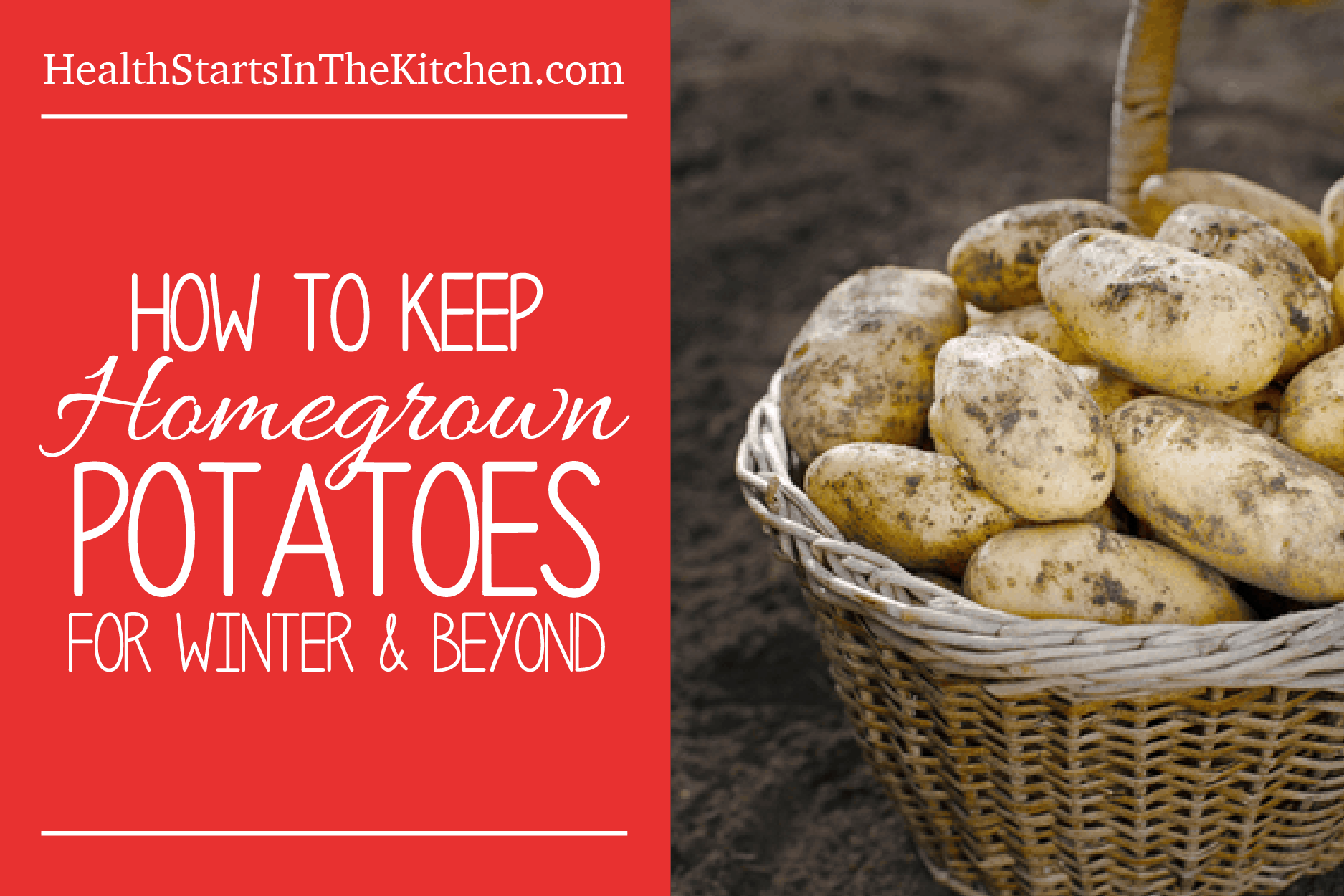
Growing your own potatoes rewards you with edible vegetables which store well for extended periods of time. But if improperly prepared for storage, potatoes from your garden will not last as long as those from the grocery store.
We just harvested the last of our homegrown potatoes and now it’s time to prepare them for winter. There are 4 ways that we keep our homegrown potatoes for winter and beyond:
Curing – Curing is essential if you want to preserve fresh potatoes (like you buy at the store). If you just try to keep fresh picked potatoes they will only last a few weeks.Toughen up potatoes for storage before harvest by not watering them much after they flower. Let the vines die all the way back before you harvest them.After digging them out of your garden and cleaning them off, store newly harvested potatoes where the temperature is about 65 degrees and the relative humidity ranges from 85 to 95 percent. Keep them under these conditions for a week to 10 days to harden off and heal any injuries caused during harvest.
Once they are cured, sort the potatoes, putting the best ones in well-ventilated containers. Eat the ones hit by your shovel and the ones with bad spots or disease in the first month or so after harvest, as injured potatoes don’t last as long. They also may spread spoilage or disease microorganisms to uninjured potatoes.
Store your best tubers in a dry room with constant temperature of 35 to 40 degrees and moderate humidity. Make sure to keep them dark, as light will turn them green and make them unfit for table use. Discard potatoes with an excessive amount of greening.
Under these conditions, well-matured potatoes will stay in good condition for seven to eight months. When storage temperatures exceed 40 degrees, potatoes should keep for two to three months, but sprouting and shriveling may occur. If they sprout and shrivel, save them for planting in April.
Grow potatoes that keep well. Red potatoes don’t keep as long as yellow or white varieties. Thin-skinned potatoes don’t last as long in storage as those with thick skins, such as Russets.
Drying/Dehydrating: There are many benefits to dehydrating your food. Dehydrated foods have very little moisture, which inhibits growth of bacteria and prevents rotting. Dehydration also preserves the nutrients, flavor and colors of food. Potatoes are a popular food to dehydrate and are often used to make homemade potato chips and breadcrumbs. You can also grind dehydrated potatoes to use as a base for homemade seasonings. Dehydrating potatoes does take time and preparation, but the overall process is simple.The practical side of dehydrating potatoes is that you can almost make a meal out of potatoes so to have them on hand to cook up at a moments notice is super convenient. Dehydrated potatoes also make a great addition to your food storage as they will last for years if stored properly. Click HERE to learn how to dry potatoes for storage.
Canning: Just like the canned potatoes you can buy at the store, you can, CAN potatoes at home! Perhaps the easiest way to preserve potatoes and, like dried potatoes, they last for YEARS. And they are super easy for meal time, just heat and serve! Click HERE to learn how to Can Potatoes
Freezing: The best method of freezing potatoes is to create the potato recipes that you want to have “ready-made” for your dinner table. You will save a lot of money by freezing your own home-grown potatoes, and you will always have a great store of “heat-and-eat” meals. The draw back to freezing potatoes is that it takes up valuable freezer space. We don’t specifically freeze potatoes for long term storage since our freezer is always so full, however I do make and freeze extra mashed potatoes for quick meals.Raw potatoes cannot be frozen successfully. The basic rule for freezing potatoes is to cook, or partially cook, them first. This is called “blanching.”Mature potatoes that have been stored at room temperature for 30 days or more will freeze better than fresh potatoes.
Cooked potatoes may become mushy when frozen in liquid.
Baking potatoes, including Yukon Gold, freeze better than red potatoes.
Buy using all 4 methods of preserving potatoes, we always have potatoes on hand. Last year we had a great potato year, so we were able to do lots of canning and drying, this year we are curing all our potatoes for fresh use. The dried and canned potatoes will last us for years in the event of a failed potato crop or for emergency food supplies.
What is your favorite way to keep homegrown potatoes?
A little jar-side reality check: I’m sharing my kitchen experience here, not a food-safety laboratory’s seal of approval. For pantry storage, use a current, research-tested recipe and follow its exact ingredients, acidity, jar size, headspace, canner type and altitude-adjusted process. A family tradition or a sealed lid does not establish safety. Improper canning can cause…
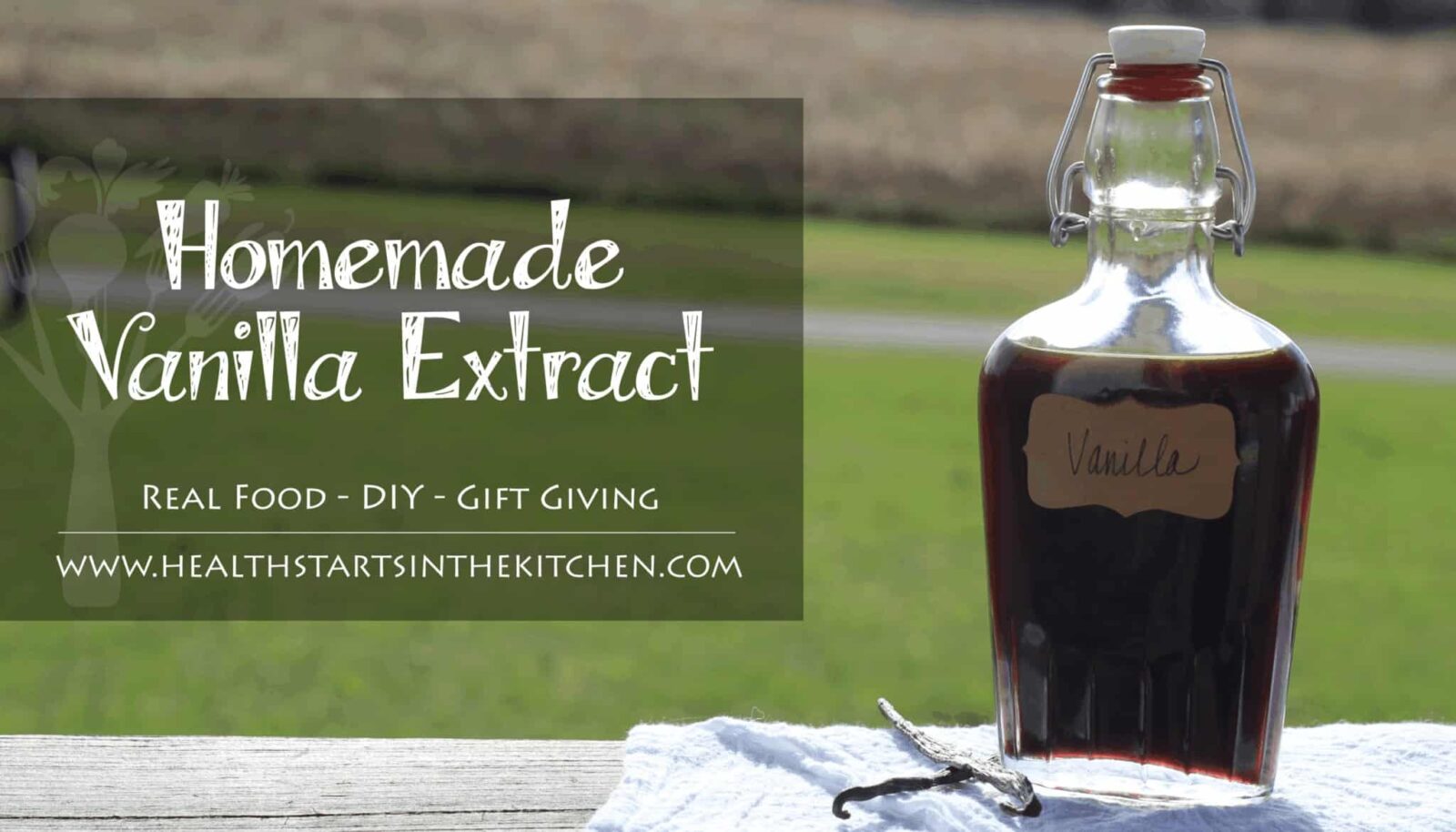
Did you know that you can make your own Vanilla Extract? And that it only takes 2 ingredients?? YES you can! And if you make it this weekend, it will be ready just in time to hand out as holiday gifts! (I’m making a batch to use for co-worker gifts!!) Oh – I didn’t even…
Why is it that the HIGH of completing a goal is so often paired with a LOW of figuring out what’s next? In 2013 I set a personal/professional goal to write a published cookbook before I turned 40 (I was 36 at the time). But I didn’t want to peddle out a cookbook to publishers…
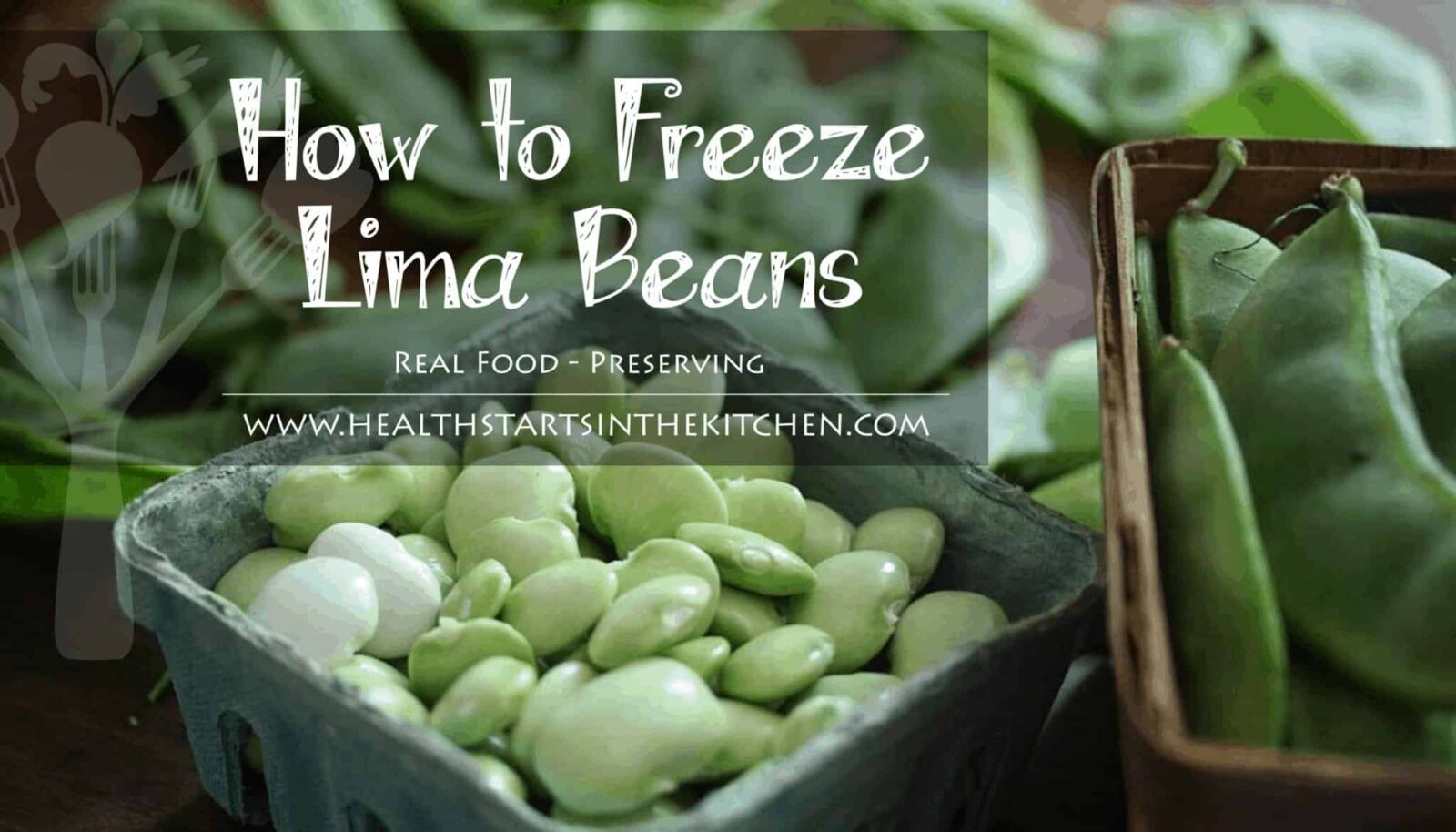
Hands down, our favorite homegrown garden veggie is Baby Lima Beans! I know that’s probably shocking to many of you… only because you’ve never had the joy of enjoying them fresh from the garden! I grew up
So, I can’t take credit for this recipe. It’s one of my favorite foods that my Grandma Elsie would make when I was growing up. Oven Roasted Pepitas! I always remember Gram Elsie would have a little tupperware container of puffy-crispy Pepitas sitting on her counter to munch on. Of course it’s one of the…
While optimally I’d love for everyone to eat Fermented Foods at Every Meal to wonderful probiotic bacteria into your gut, BUT I’ve heard from so many of you that it’s just not happening regularly. That’s why it’s essential that if you aren’t getting probiotics in your daily diet, that you take a probiotic supplement every…
2 Comments
My newly dug potatoes were in pails in an unheated mobile home and a semi trailer- they got pretty cold fir one night as low as 27 . Will they be ok? Maybe I should can them before they go mushy?
you’d have to look at the potatoes to determine if they are still ok.

 Growing your own potatoes rewards you with edible vegetables which store well for extended periods of time. But if improperly prepared for storage, potatoes from your garden will not last as long as those from the grocery store.
We just harvested the last of our homegrown potatoes and now it’s time to prepare them for winter. There are 4 ways that we keep our homegrown potatoes for winter and beyond:



My newly dug potatoes were in pails in an unheated mobile home and a semi trailer- they got pretty cold fir one night as low as 27 . Will they be ok? Maybe I should can them before they go mushy?
you’d have to look at the potatoes to determine if they are still ok.