
Oat Milk vs Almond Milk: A Nutritionist’s Comparison
The plant-based milk aisle has exploded in recent years. What used to be a simple choice between soy or nothing has become a overwhelming array of options—oat, almond, cashew, coconut, rice, macadamia, and more.
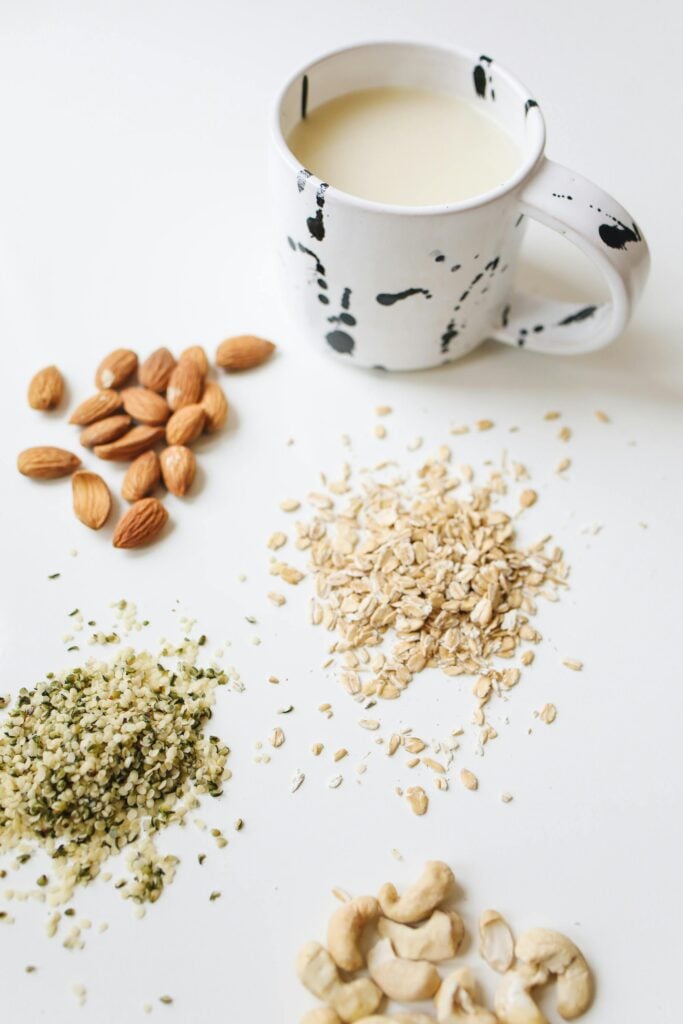
But two clear favorites have emerged: oat milk and almond milk. Both have devoted followings. Both offer legitimate health benefits. And both can absolutely fit into a nutritious diet.
The question isn’t which one is universally “better”—it’s which one is better for your specific needs, health goals, and how you plan to use it.
Let’s break down the science clearly and practically.
The Nutritional Breakdown
Here’s what you’re getting per 240ml (1 cup) serving of unsweetened versions:
Oat Milk:
- Calories: 120-140
- Carbohydrates: 16-19g
- Protein: 3-4g
- Fat: 5-7g
- Fiber: 2g
- Notable: Contains beta-glucan (soluble fiber)
Almond Milk:
- Calories: 30-50
- Carbohydrates: 1-2g
- Protein: 1g
- Fat: 2.5-3g
- Fiber: 0-1g
- Notable: Naturally contains vitamin E
The first thing that jumps out is the significant calorie difference. Oat milk contains roughly three times the calories of almond milk, primarily from carbohydrates.
This isn’t inherently good or bad—it depends entirely on your individual nutritional needs and goals.
When Oat Milk Makes More Sense
If You Need More Calories and Energy Oat milk’s higher calorie and carbohydrate content makes it excellent when you need sustained energy. It’s particularly useful:
- In post-workout smoothies for glycogen replenishment
- For children or active adults with higher caloric needs
- When you want your milk to contribute meaningfully to daily energy intake
- In morning coffee when you’re skipping or delaying breakfast
If Heart Health Is a Priority Oat milk’s standout feature is beta-glucan, a type of soluble fiber with proven cardiovascular benefits. Research shows beta-glucan can:
- Help lower LDL (“bad”) cholesterol levels
- Support healthy blood sugar regulation
- Promote feelings of fullness
- Feed beneficial gut bacteria
The 2g of fiber per serving doesn’t sound like much, but it contributes meaningfully if you’re consuming it daily. Quality oat milks likeOrasì Oat Drink retain this beneficial fiber while keeping the ingredient list clean.
If You Want Creamier Texture Oat milk’s natural creaminess makes it ideal for:
- Lattes and cappuccinos (it froths beautifully)
- Creamy soups and sauces
- Porridge and hot cereals (yes, oats on oats works wonderfully)
- Baking applications requiring moisture and body
When Almond Milk Makes More Sense
If You’re Managing Calories or Carbohydrates With about one-third the calories of oat milk and minimal carbohydrates, almond milk is excellent for:
- Weight management without feeling deprived
- Ketogenic or low-carb diets
- Diabetes management requiring carbohydrate control
- Simply wanting to reserve calories for other foods
If Blood Sugar Stability Matters Almond milk has minimal impact on blood glucose, making it particularly suitable for:
- People with type 1 or type 2 diabetes
- Those with insulin resistance or prediabetes
- Anyone experiencing blood sugar crashes
- People following blood sugar-balancing eating patterns
If You Want Lighter Flavor Almond milk’s subtle, slightly nutty taste works well when you:
- Don’t want milk to compete with coffee flavor
- Need neutral base for smoothies with multiple ingredients
- Prefer lighter mouthfeel in cereals
- Want versatility across sweet and savory applications
Quality makes a difference here. Orasì Sugar-Free Almond Drink maintains almond’s natural vitamin E and clean flavor without added sugars that would undermine these benefits.
Protein Content: Neither Wins Here
Let’s be honest: neither oat nor almond milk is a significant protein source.
Dairy milk contains about 8g protein per cup. Oat milk’s 3-4g and almond milk’s 1g are both substantially lower. If you’re replacing dairy milk in your diet, ensure you’re getting protein elsewhere—Greek yogurt, eggs, legumes, nuts, seeds, protein powder, or meat/fish if you eat them.
Some brands fortify their plant milks with pea protein or other sources to boost protein content. Check labels if protein is a priority.
Vitamins and Minerals
Most commercial plant milks are fortified to approximate dairy milk’s nutritional profile. Common fortifications include:
- Calcium (300-450mg per serving)
- Vitamin D
- Vitamin B12
- Vitamin A
Important: Calcium in fortified plant milks settles at the bottom. Always shake well before pouring.
Natural Advantages:
- Almond milk naturally contains vitamin E (powerful antioxidant supporting skin and immune health)
- Oat milk naturally contains some B vitamins from the oats themselves
Check your specific brand’s nutrition label, as fortification levels vary significantly.
Environmental Considerations
For many of us, health isn’t just personal—it includes planetary health.
Oat Milk’s Environmental Profile:
- Requires significantly less water than almond milk
- Oats grow well in cooler climates, including regionally
- Generally lower carbon footprint than dairy or almond
- Better crop rotation options for sustainable farming
Almond Milk’s Environmental Profile:
- Requires substantial water (about 130 liters per liter of almond milk)
- Most almonds come from California’s drought-prone Central Valley
- Higher carbon footprint than oat but still much lower than dairy
- Almond farming has raised concerns about bee health
If environmental sustainability weighs heavily in your decisions, oat milk generally has the advantage, particularly if sourced from local or regional producers.
Allergen Considerations
Oat Milk:
- Naturally gluten-free (though cross-contamination possible—choose certified gluten-free if you have celiac disease)
- Generally very well tolerated
- Some people report initial digestive adjustment to soluble fiber
Almond Milk:
- Contains tree nut allergen (obviously unsuitable for nut allergies)
- Some brands contain carrageenan (a seaweed-derived thickener that some people find causes digestive issues)
- Otherwise typically well tolerated
Performance in Coffee
Since many people primarily use plant milk in coffee, this deserves special attention.
Oat Milk in Coffee:
- Froths exceptionally well for latte art
- Creates silky microfoam similar to dairy
- Naturally slightly sweet, complementing espresso
- Doesn’t split or curdle in hot coffee
- Preferred by most specialty coffee baristas
Almond Milk in Coffee:
- Lighter, doesn’t overpower coffee flavor
- Works well in Americanos and filter coffee
- Can be too thin for milk-forward drinks like lattes
- Some brands may split in very hot coffee (choose barista blends)
- Preferred by those wanting coffee flavor foregrounded
Best Uses for Each
Use Oat Milk For:
- Cappuccinos, lattes, flat whites
- Creamy porridge or oatmeal
- Smoothies where you want substance
- Cream-based soups and sauces
- Baking applications requiring moisture
- Post-workout nutrition
Use Almond Milk For:
- Iced coffee and cold brew
- Lighter smoothies with multiple fruits
- Cereal where you want neutral flavor
- Cooking applications where you don’t want milk flavor prominent
- Protein shakes (reserving calories for protein)
- Anywhere you’re watching carbohydrate intake
Quality Matters More Than Type
Here’s what’s more important than choosing oat vs almond: choosing quality versions of whichever you select.
Look For:
- Minimal, recognizable ingredients
- No added sugars (unless you specifically want sweetened)
- Fortification with calcium and vitamin D if using as dairy replacement
- Reputable brands prioritizing ingredient quality
Avoid:
- Long lists of additives and stabilizers
- Excessive added sugars
- Artificial flavors
- Heavily processed versions with degraded nutrition
The difference between high-quality and low-quality plant milk is substantial—in taste, nutrition, and how your body responds.
Can You Use Both?
Absolutely! There’s no reason to be dogmatic about choosing one exclusively.
I personally keep both in my fridge:
- Oat milk for morning lattes and porridge where I want creaminess
- Almond milk for iced coffee and lighter applications where I don’t want added carbohydrates
Different tools for different purposes. Both valuable in their own contexts.
The Bottom Line
Neither oat milk nor almond milk is universally “healthier.” They serve different nutritional purposes:
Oat milk provides more calories, carbohydrates, fiber, and creaminess. Excellent for heart health (beta-glucan), sustained energy, and applications requiring body and richness.
Almond milk is lower in calories and carbohydrates with minimal blood sugar impact. Ideal for calorie/carb management, blood sugar stability, and lighter applications.
The healthiest choice is the one that:
- Fits your individual nutritional needs
- Supports your specific health goals
- Comes from a quality source you trust
- Tastes good enough that you’ll actually use it
Listen to your body. Consider your health priorities. Don’t stress over which is “perfect”—perfect doesn’t exist in nutrition. What matters is finding what works for you, from reliable sources, without creating anxiety around food choices.
Both oat and almond milk can be part of a healthy, balanced diet. The key is choosing mindfully based on your needs rather than following blanket recommendations.