
The Quest for Healthspan: How Science and Psychology Together Can Help Us Age Well
As lifespans increase globally, the question isn’t just how long we live—but how well. We all want not merely more years, but more vitality, mental clarity, and meaningful engagement as we age. That’s the heart of the emerging concept of healthspan—the period of life when we remain physically fit, cognitively sharp, and emotionally resilient.
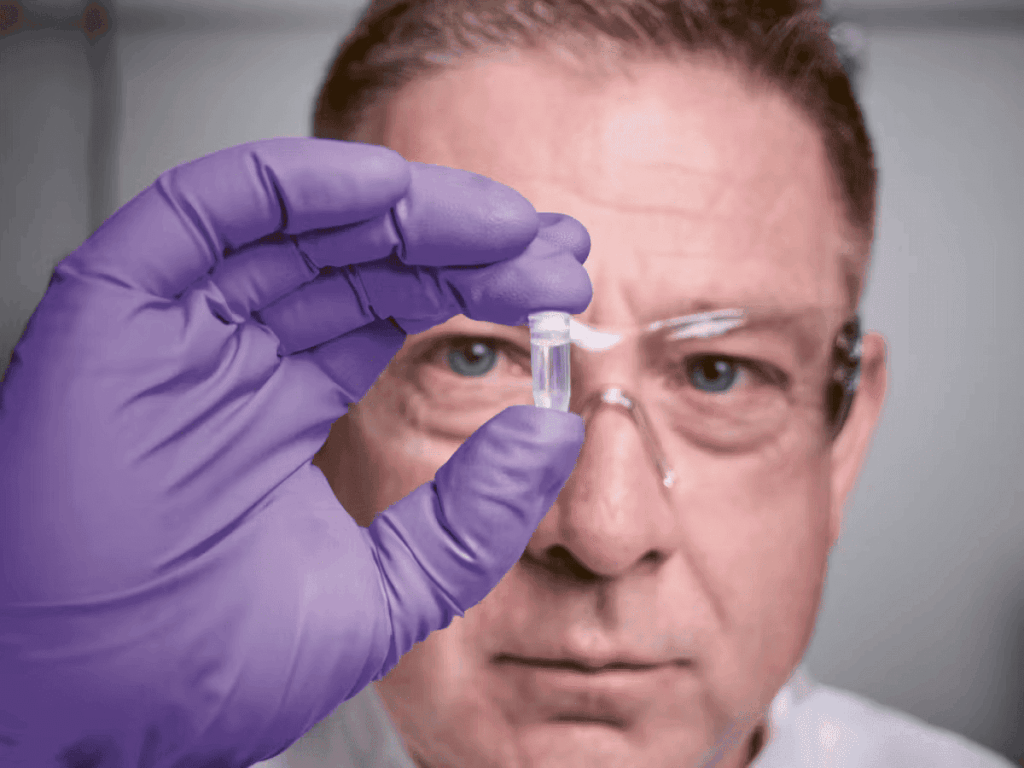
This shift toward healthspan is both scientific and psychological. That’s beautifully illustrated by Collin Ewald’s journey: after nearly two decades in academia as an Assistant Professor at ETH Zurich, he joined Novartis to help lead the Diseases of Aging and Regenerative Medicine (DARe) group. His mission? To translate his deep knowledge of whywe age into potential medicines that help us stay healthier for longer. You can explore his story in the podcast “Improving Aging” at Novartis Live Magazine (link at the end).
In this guest post, we’ll explore the biology of ageing, why psychology matters just as much in shaping our experience of growing older, and how the intersection of science and mental health can guide us toward not just longer lives—but richer ones.
1. Understanding Ageing
Ageing isn’t just about birthdays ticking by—it’s a complex biological process. Cells accumulate damage, some lose their ability to divide, and tissues slowly degrade. While this isn’t widely discussed over dinner tables, research has uncovered key pathways (like cellular repair systems, mitochondrial health, and inflammatory responses) that determine how gracefully—or not—we age.
But biology tells just part of the story. Psychology completes the picture. Our beliefs, emotions, and expectations influence not only how we feel in later life, but even how long we live. People who view ageing positively tend to maintain better health, stay more active, and live longer with fewer chronic diseases. In other words, how we think about growing older can become a self-fulfilling prophecy.
Here’s where science and mind intersect: If biology determines our baseline, psychology shapes our experience. Knowing that it is possible to slow ageing—and that there are ways to remain mentally and emotionally robust—can itself be empowering. That’s why compelling research must be paired with psychological insight.
2. From Academia to Innovation: The DARe Journey
Let’s take a closer look at a real-life example of this synergy: Collin Ewald’s transition from ETH Zurich to Novartis’s DARe group. After almost 20 years investigating the mechanisms that cause—or can delay—ageing, Ewald decided to apply this fundamental science in a more directly impactful way.
At Novartis’s DARe (Diseases of Aging and Regenerative Medicine) group, he joins forces with drug discovery teams to pioneer medicines intended to extend healthspan—helping people stay fitter, stronger, and mentally sharp as they age. It’s a bold shift from publishing papers to potentially delivering therapies.
This move highlights a crucial point: translating basic science into real-world outcomes demands not just lab work, but collaboration, experimentation, and a keen eye on human psychology. Who benefits? How will people perceive these advancements? What hopes, fears, or biases might influence adoption?
DARe’s mission isn’t just to target cells—but to support minds. Because medical breakthroughs don’t just change biology—they reshape individual outlooks, societal norms, and expectations around ageing.
You can listen to this story in depth via the “Improving Aging” podcast published by Novartis Live Magazine: https://live.novartis.com/article/improving-aging
3. Mental Well-Being in Later Life: Beyond Medicine
As promising as novel therapies may be, real-world ageing is more than drugs. Mental well-being, community, purpose, and coping strategies play massive roles in whether older adults thrive or just survive.
- Social connection combats loneliness and its cascading effects—depression, cognitive decline, even increased mortality.
- Purpose and engagement, whether through volunteering, hobbies, or creative outlets, anchor us in meaning and stave off apathy.
- Mindfulness, therapy, and resilience training help manage stress, grief, and identity shifts that often accompany ageing.
- Effortful optimism—the belief that growth and joy are still possible—boosts motivation to stay active and healthy.
When we frame healthspan as a psychological project as well as a biomedical one, we empower individuals, not just patients. Science may offer tools; psychology shows us how to use them—in our behavior, mindset, and relationships.
For instance: a medication that supports muscle repair might help someone stay independent—but it’s our sense of identity, self-worth, and social roles that determine whether we use that independence to enrich our lives.
Ageing isn’t a pathology—it’s a stage of life ripe with wisdom, legacy, and emotional depth. With psychological insight, healthspan becomes not merely survival, but a chapter of growth.
4. The Future of Healthy Ageing: Science Meets Mindset
The horizon of ageing research is thrilling: regenerative therapies, senolytics (drugs that clear aged cells), metabolic modulators, and genetic insights—all aim to extend healthy years. But their impact rests on psychological readiness.
Key ethical and mental health questions emerge:
- Who will access these advances? How do we prevent inequality in ageing?
- How will individuals integrate extended vitality into their life plans—retirement, career, family?
- Will longer healthspan change how we perceive retirement, purpose, and generativity?
Ultimately, the best outcome blends rigorous science with resilient psychology—a society where ageing is synonymous with ongoing contribution, learning, and well-being. For that, mindsets must evolve in tandem with medicines.
Conclusion
Ageing is inevitable—but decline isn’t. The shift from lifespan to healthspan is truly transformative, offering the potential not just to live longer, but to thrive.
Collin Ewald’s transition into Novartis’s DARe group symbolizes this shift—bridging lab and clinic, biology and behavior, medicine and meaning. But his work—and the broader search for healthspan—succeeds only when paired with psychological insight: optimism, purpose, social bonds, and resilience.
As readers of Psychreg, you’re uniquely poised to shape how society embraces ageing—not as a decline, but as a dynamic stage of life rich with possibility.
Here’s to a future where we grow older better—with science guiding the way and psychology showing us how to live those added years with heart, purpose, and joy.