How to Harvest Wild Ramps Sustainably Without Harm
Learning how to harvest wild ramps sustainably comes down to one habit: take less than the patch can regrow. Where harvesting is permitted, cut one leaf from a mature plant with multiple leaves, leave the bulb and other leaves behind, and limit your harvest to a small share of any patch. Ramps can take up to 18 months to germinate and years more to reach harvestable size. Check local rules first, because harvest limits vary by forest and state.
Important Foraging Safety Notice
Foraging mistakes can cause serious illness or death. This post shares educational information and personal experience. It does not identify your finds or confirm they are safe to eat.
You are responsible for what you harvest, prepare, eat, and serve. Have all wild foods identified and confirmed edible by a qualified local expert before consuming them. Never eat anything you cannot reliably identify.
Read the full Foraging Safety & Disclaimer before using this post.

Key takeaways:
- Harvest only one leaf from selected mature, multi-leaved plants; leave bulbs and single-leaved plants alone
- Limit yourself to a small percentage of any patch, not a whole clump
- Confirm identification before you cut; ramps have a toxic look-alike
- Check local forest service rules before you dig
- Leave thin patches undisturbed so plants can grow, flower and set seed
Why Wild Ramp Harvesting Rules Matter?
Ramps grow slower than almost any wild vegetable you forage. A seed can take up to 18 months to germinate, and the plant needs about seven years to reach harvestable size. That slow clock is why wild ramp harvesting rules exist. Pull too many bulbs from one spot and the patch may need years to recover.
Demand has climbed as ramps show up at farmers markets and restaurant menus. Ramps are already listed as threatened in Quebec, and their harvest is regulated in several Canadian and US jurisdictions. They are not federally endangered in the United States. Even so, the leaves-only guidance matters for keeping patches healthy for the next generation of foragers. That fact should shape every cut you make.
How to Identify Ramps Before You Harvest?
Confirm you are looking at ramps, not a dangerous look-alike, before any blade touches the ground. Ramps grow in moist hardwood forests, often near shaded streams, in wet loamy soil. Each plant shows smooth, broad green leaves on reddish or purple stems. Crush a leaf and check for a strong onion-garlic smell.
Toxic lookalikes include lily of the valley and false hellebore. An onion-garlic smell is useful, but scent can transfer to your hands and is not enough on its own. Check each plant separately, using leaf and stem features, habitat and reliable regional references. Never mix unidentified leaves into your harvest.
The rule is simple: never eat anything you cannot reliably identify, and confirm with a qualified local expert first.
How to Harvest Wild Ramps Sustainably, Step by Step?
Follow these steps so the patch keeps producing in future seasons.
- Scout the patch size first. Only harvest from a dense, well-established cluster. Walk past thin or young patches and leave them alone.
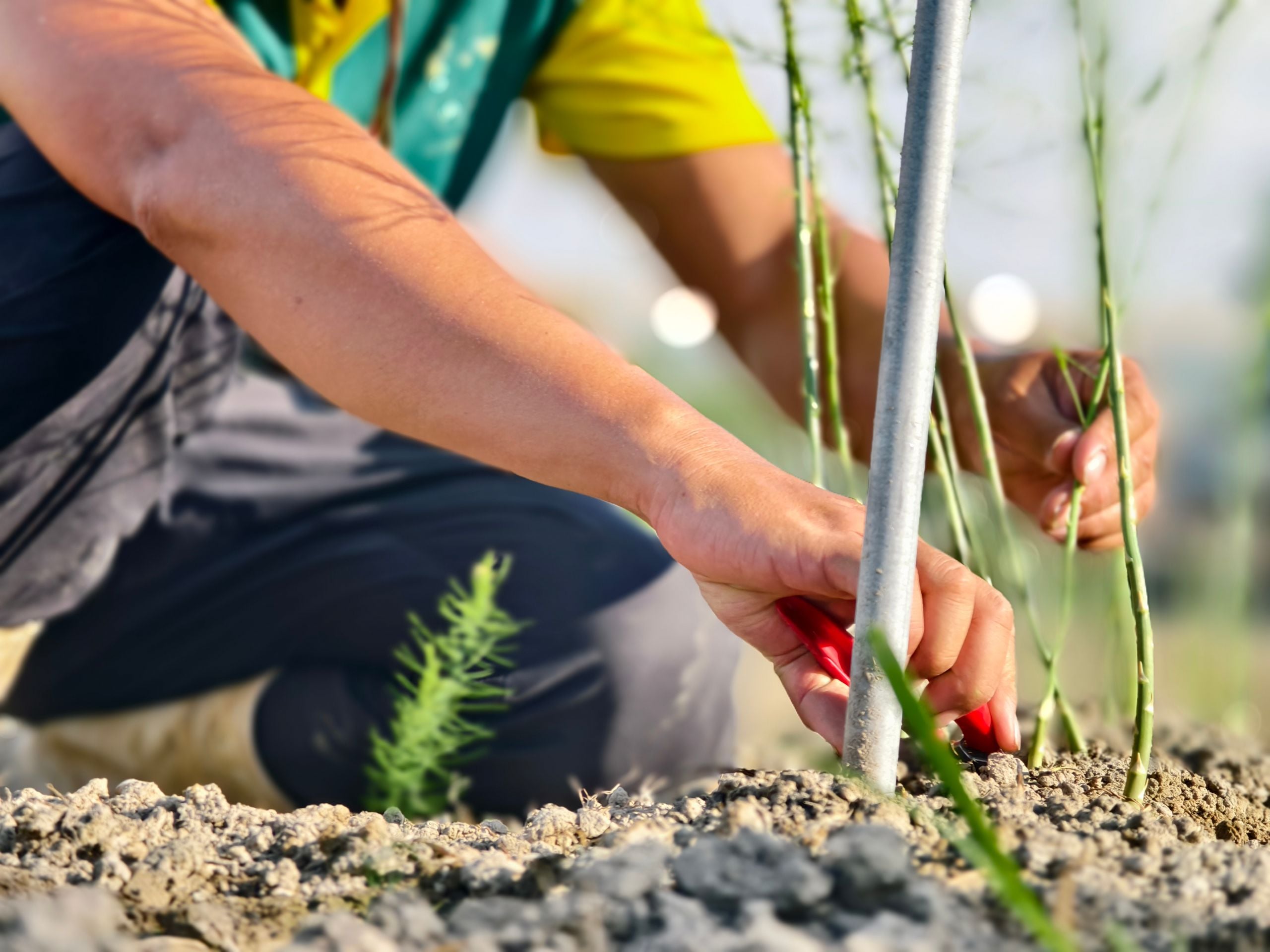
- Pick one leaf from selected mature plants. Choose plants with multiple leaves. Cut just one leaf and leave the bulb and other leaves intact. Leave single-leaved plants alone.
- Leave bulbs in the ground. For this leaf-only approach, do not dig bulbs or rely on a fixed percentage as a guarantee that a wild patch can recover.
- Spread your cuts across the area. Move through the whole patch instead of clearing one corner, so no single spot takes all the pressure.
- Leave plenty of plants untouched. A small harvest spread among mature plants is a better goal than filling a basket. Skip any patch that looks sparse or stressed.
The goal of ethical ramp foraging is simple: take only what the patch can spare, and leave the structure that lets it regrow.
Sustainable Ramp Foraging Methods Compared
Leaf-only harvesting is the lowest-impact method available. Multiple foraging guides agree on this point. Cutting a single leaf per plant and leaving the bulb and second leaf to keep growing is the most sustainable approach. Bulb harvesting demands more restraint and more time. You need to dig around the bulb without damaging neighboring plants.
There is no universal harvest percentage that makes every wild patch sustainable. Patch size, plant maturity, repeated harvesting and local conditions all matter. My foraging hub gathers seasonal guides and recipes to help plan a smaller, more useful harvest.
Checking Rules and Helping a Patch Regenerate
Rules differ by land type, state and ranger district. Check the current rules from the specific land manager before harvesting; some places prohibit removing ramps or plants altogether. On private land, obtain the owner’s permission and follow any harvest limits they set.
Ramp patch regeneration starts with what you leave behind. Ramps flower after their spring leaves die back, with seeds maturing later in the season. The USDA Forest Service ramp-growing guide explains their slow life cycle. Leaving bulbs and plenty of healthy plants undisturbed gives the patch a chance to reproduce.
Do not dig up a thin patch and assume scattering seed will repair it. Seed collection and planting require permission and suitable timing; leaving a recovering patch alone is the more practical choice for a casual foraging trip.
For recipe ideas once you are home with a sustainable, leaf-friendly haul, see Health Starts in the Kitchen’s wild ramps recipe roundup and the no-bulb ramp leaf chimichurri sauce recipe.
This article shares general foraging information. It is not medical advice. Confirm any wild plant’s identification and any regional harvest rules with a qualified local expert before eating or harvesting it.
FAQ
How much of a ramp patch can you sustainably harvest?
Take one leaf from a small number of mature, multi-leaved plants where local rules allow. Leave bulbs, single-leaved plants and thin patches alone. No single percentage guarantees a sustainable harvest.
Is it legal to dig wild ramps on public land?
It depends on the forest or park. Some allow personal-use harvesting with a volume limit, others restrict harvest methods, and some close ramp digging in recovery areas. Check the specific land manager’s current rules before you go.
Do ramps grow back if you take the whole plant?
Taking the whole plant, bulb included, removes the structure it needs to resprout that season. A patch can recover over years if enough neighboring plants remain and reseed the area, but a single removed plant will not regrow on its own.
What is the difference between ramps and their toxic look-alike?
Lily of the valley and false hellebore can be confused with ramps and are toxic. Confirm each plant using several features and a qualified local expert; do not rely on smell alone.