How to Safely Forage and Eat Wild Mushrooms: Identification, Cooking & Safety
Foraging Safety Disclaimer: Please Read Before Using My Guides or Recipes
I share our foraging experiences, photographs, identification information, and recipes to help you learn. Nothing on Health Starts in the Kitchen identifies the mushroom or plant in your hands or confirms that it is safe for you to eat. A recipe using a wild ingredient assumes that ingredient has already been correctly identified, confirmed edible, and handled appropriately.
Important Foraging Safety Notice
Foraging mistakes can cause serious illness or death. This post shares educational information and personal experience. It does not identify your finds or confirm they are safe to eat.
You are responsible for what you harvest, prepare, eat, and serve. Have all wild foods identified and confirmed edible by a qualified local expert before consuming them. Never eat anything you cannot reliably identify.
Read the full Foraging Safety & Disclaimer before using this post.
You are responsible for what you collect, prepare, eat, and serve to others. Obtain confirmation from a qualified local expert before consuming any wild food. Do not rely on this website, a photograph, an app, or a comment as your identification or as permission to eat something you found. If identification or edibility is uncertain, do not eat it.
Foraging and eating wild foods carry risks, including serious illness, permanent injury, and death. My experience, training, and enjoyment of a species do not guarantee your identification, your preparation, or your individual tolerance. This website provides general educational information, not personalized identification, medical advice, or a guarantee of safety. Choosing to forage or eat wild foods is your decision and responsibility.
The detailed guidance below focuses on mushrooms. The need for reliable identification, appropriate preparation, and personal responsibility also applies to the plants and other wild foods discussed elsewhere on this site; mushroom-specific guidance should not be assumed to cover every wild food.
Wild mushroom foraging is one of the most rewarding ways to connect with nature, discover incredible ingredients, and develop a deeper appreciation for the world around us. But there’s an important distinction between finding a mushroom and knowing whether that mushroom is safe to eat.
Proper wild mushroom identification is essential. Some edible mushrooms have poisonous lookalikes, and even correctly identified edible mushrooms can cause unpleasant reactions if they’re improperly prepared or simply don’t agree with your body.
I’m passionate about foraging, and I’ve spent years learning about wild edible mushrooms, harvesting them, and incorporating them into our meals. I also take mushroom identification and food safety extremely seriously.
Whether you’re a complete beginner or someone who has been mushroom hunting for years, understanding how to identify, handle, prepare, and consume wild mushrooms safely is the foundation of responsible foraging.
How We Got Started Foraging for Wild Mushrooms
One of the best decisions my husband and I made when we became interested in mushroom foraging was joining the Western Pennsylvania Mushroom Club.
Rather than heading into the woods armed with a field guide and a few pictures from the internet, we surrounded ourselves with people who had years of experience studying fungi. We learned from mycologists, certified individuals, and other experienced mushroom enthusiasts who generously shared their knowledge.
We learned so much during our time with the club, and that’s really how we became so deeply involved in mushrooming!
There’s something special about walking through the woods with someone who can point out details you never would have noticed on your own. The way a mushroom attaches to a tree, the appearance of its underside, the trees growing nearby, or a subtle characteristic that distinguishes an edible mushroom from a poisonous lookalike.
These are things you simply cannot fully appreciate by scrolling through pictures online.
Over the years, our interest grew into a genuine passion. I’ve continued expanding my education and have earned a Wild Mushroom Food Safety Certification and obtained a Wild Mushroom Foraging Permit.
But even with training and experience, I don’t believe anyone should become complacent about mushroom identification. There is always more to learn, and being willing to admit when you’re uncertain is one of the most important qualities a responsible forager can have.
My number one recommendation for anyone interested in mushroom hunting is to join a local mycological society or mushroom foraging club. Learning directly from knowledgeable people in your own region is an invaluable starting point. The NAMA club directory can help you find a group nearby.
Why Proper Wild Mushroom Identification Matters
Unlike a vegetable from the grocery store, wild mushrooms don’t come with an identification label.
Some are delicious edible species, some are inedible, and others contain toxins capable of causing severe illness, permanent organ damage, or death.
To complicate matters, mushrooms can change dramatically in appearance as they mature. Environmental conditions, weather, and growing locations can also affect their appearance.
An edible mushroom and a dangerous lookalike may share many visible characteristics.
You cannot reliably determine whether a mushroom is safe to eat based solely on its color, smell, whether insects are eating it, or whether it resembles a photograph.
Never consume a wild mushroom unless its identification and edibility have been reliably established by a qualified expert.
And remember, cooking, boiling, drying, or freezing does not reliably destroy the toxins found in poisonous mushrooms.
How to Identify Wild Mushrooms Safely
Proper identification involves examining the whole mushroom and understanding its growing environment.
An experienced identifier may evaluate several characteristics together, including:
- Cap: Shape, color, texture, size, and changes as the mushroom matures.
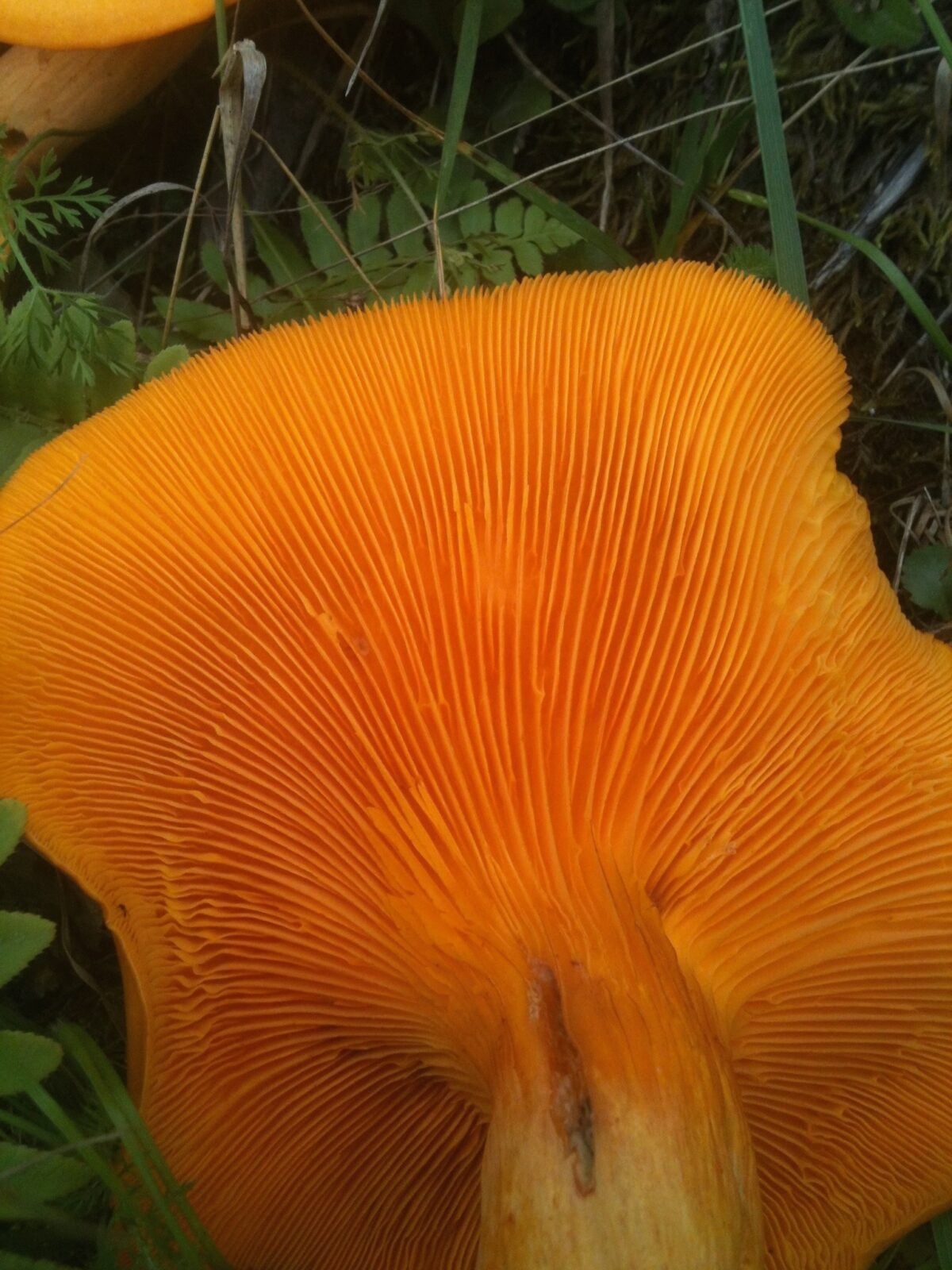
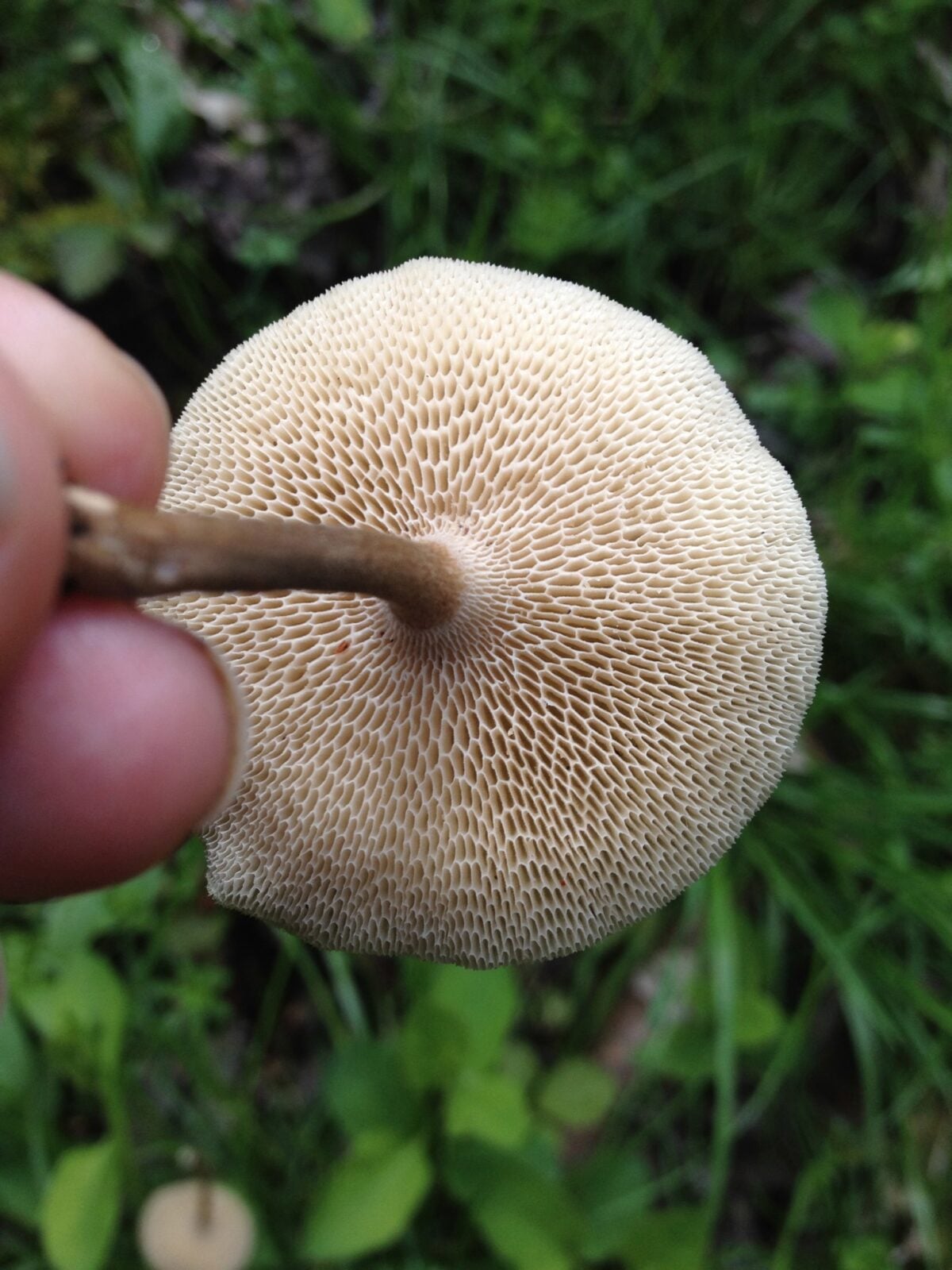
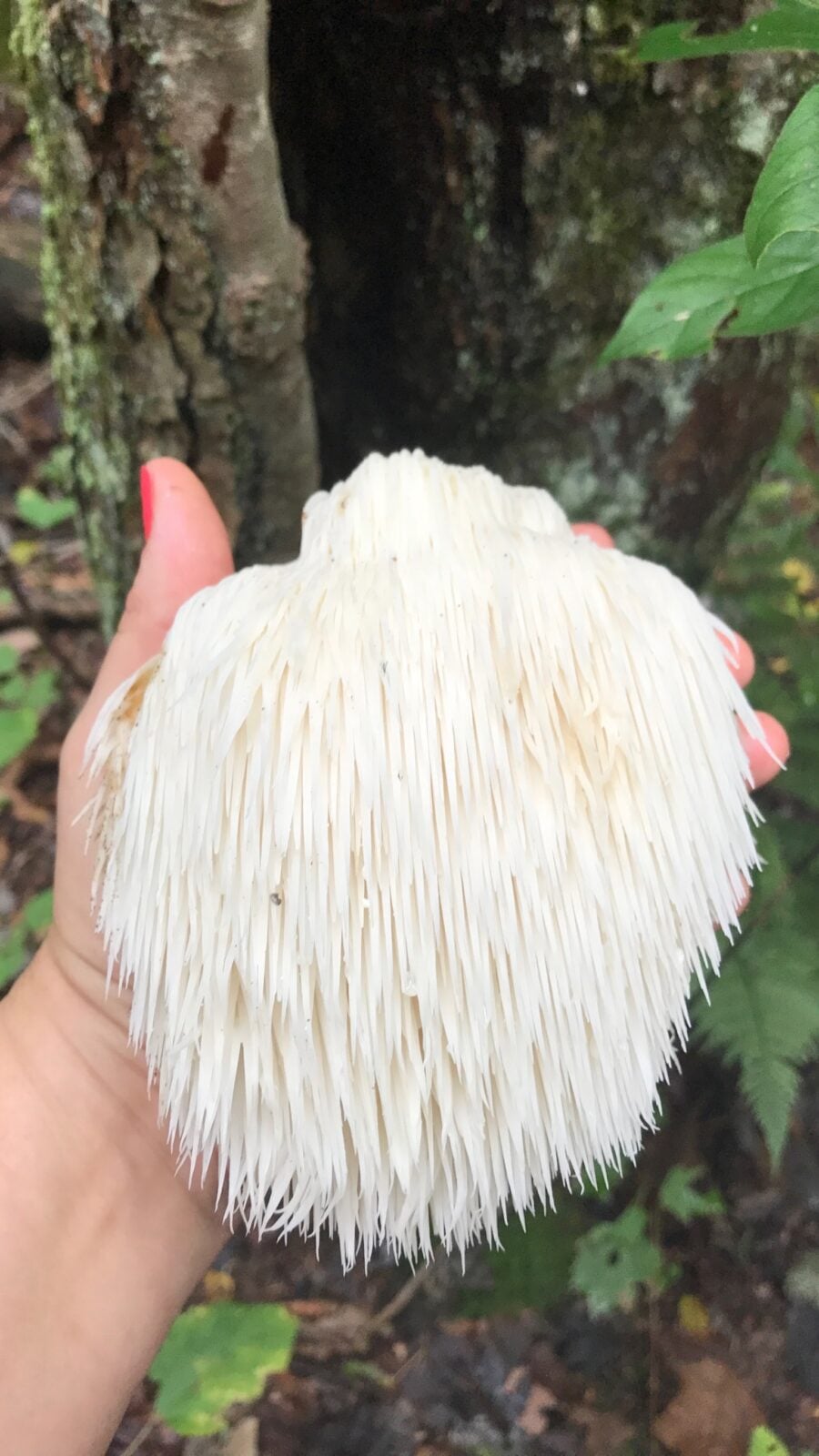
- Underside: Whether the mushroom has gills, pores, teeth, or another spore-producing surface.
- Stem: Shape, texture, color, internal structure, and how it attaches to the cap.
- Base: Structures at or below ground level that may be critical to identification.
- Spore characteristics: Spore print color and, when necessary, microscopic features.
- Bruising or color changes: Reactions that occur when a mushroom is cut or handled.
- Growing environment: Whether it grows on soil, living trees, dead wood, or other material.
- Associated trees: Certain mushroom species are closely associated with particular trees.
- Season and location: Regional distribution and growing conditions can help narrow possibilities.
No single characteristic guarantees edibility. Identification requires evaluating the combination of relevant features and ruling out potentially dangerous lookalikes.
Some mushrooms cannot be reliably identified to species using field characteristics alone. When identification remains uncertain, the correct decision is not to eat them. NAMA’s wild mushroom safety guidance explains why identification requires multiple features and sometimes specialist examination.
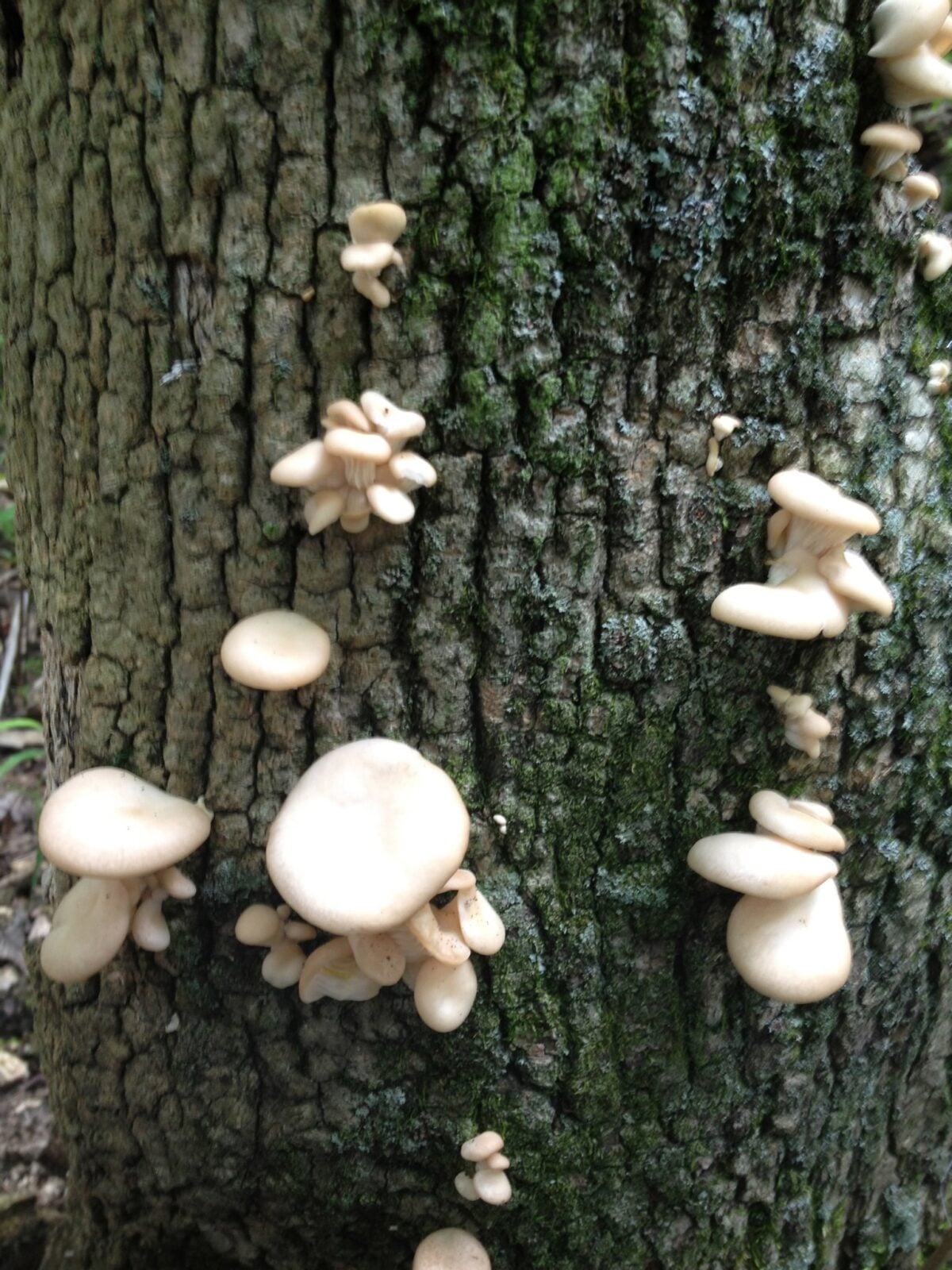
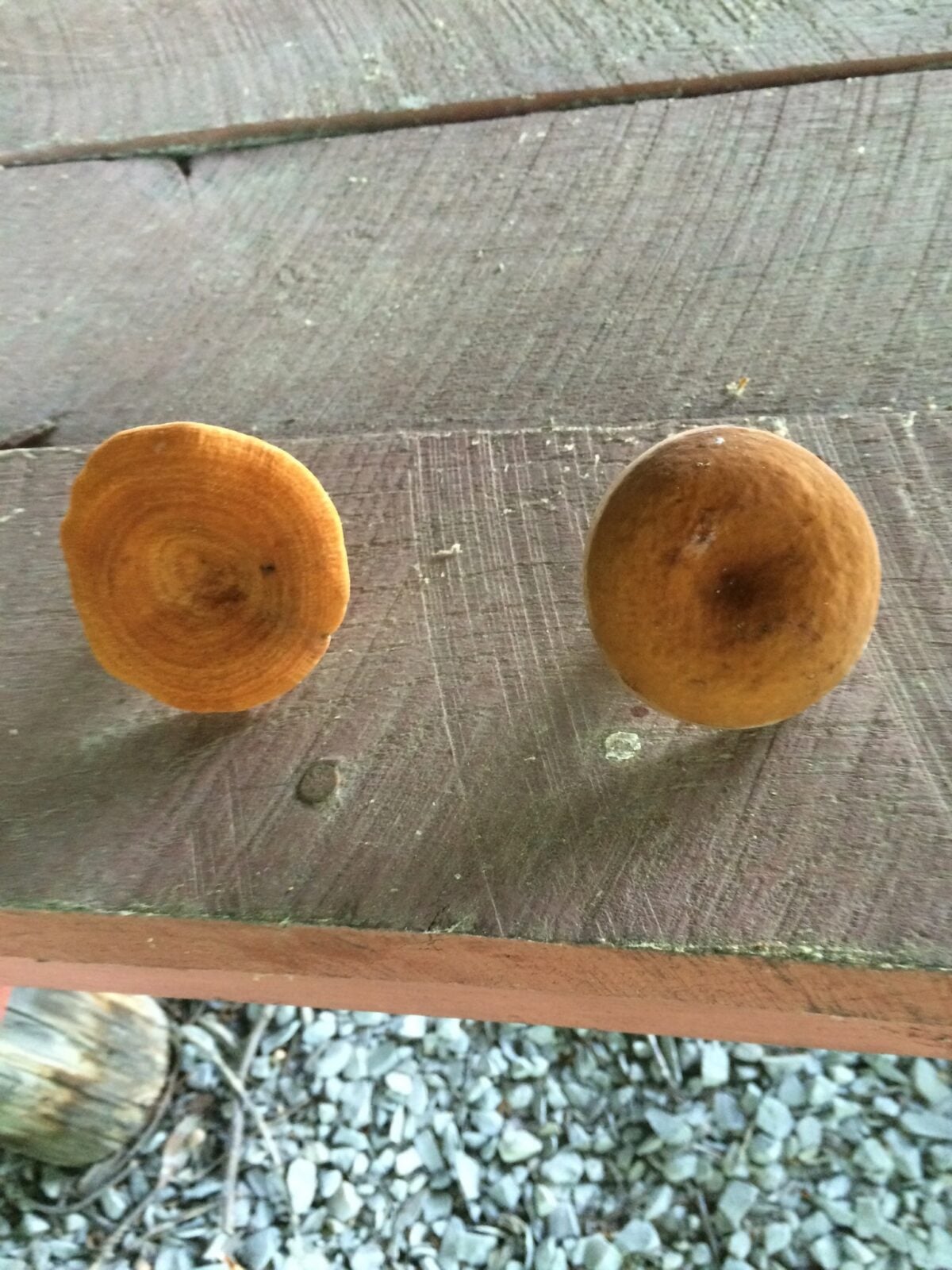
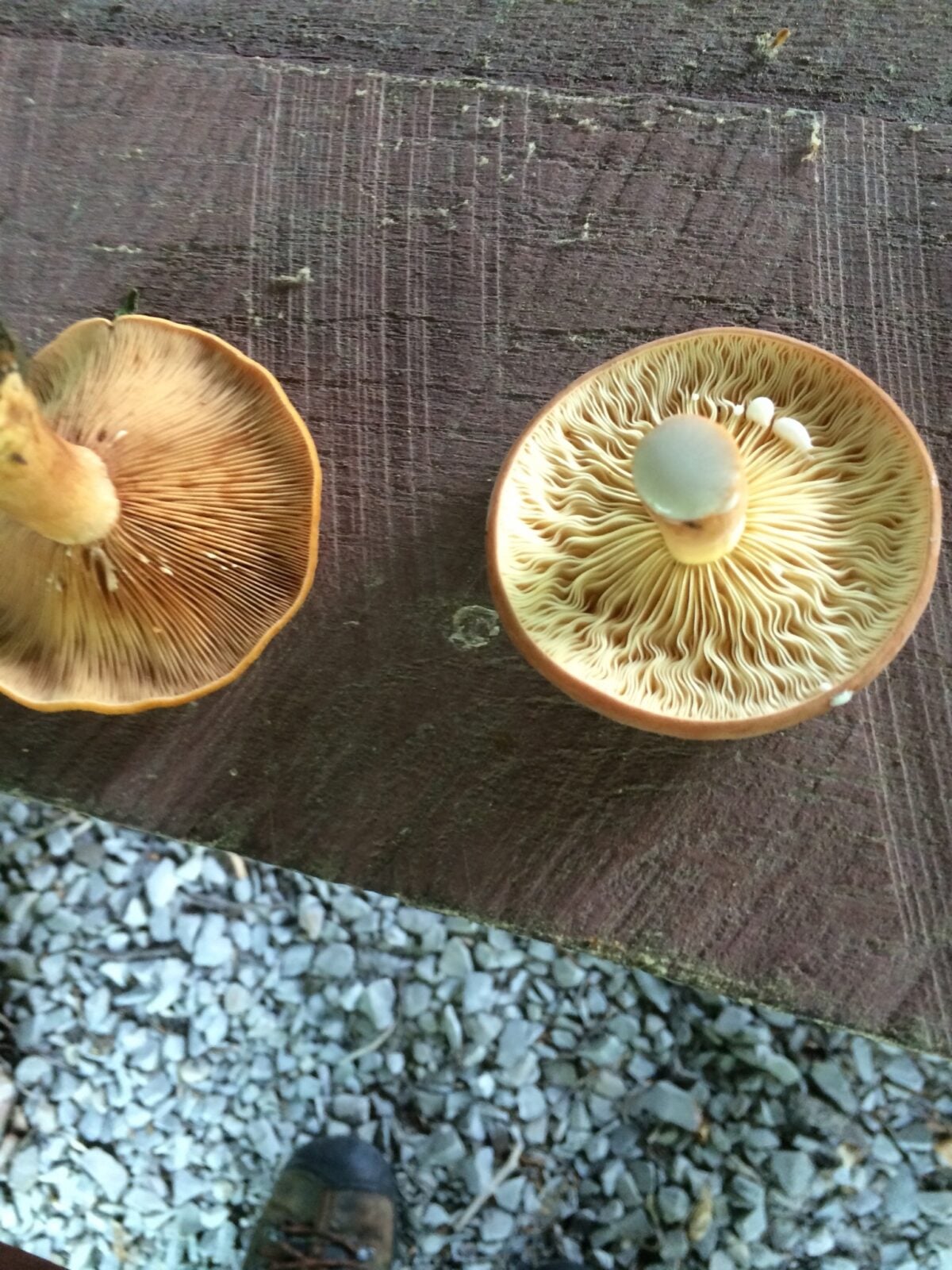
Look underneath, then step back and examine the whole mushroom. These photographs from my collection illustrate gills, pores, and teeth. They show what those structures look like—not which mushrooms are safe to eat.
Never rely on a mushroom identification app alone
Mushroom identification apps can be interesting educational tools, but they should never serve as your sole basis for deciding whether a mushroom is edible.
The same applies to artificial intelligence, social media groups, image searches, and online photographs.
A photograph may not show a critical identifying characteristic, and an incorrect identification can have devastating consequences.
Use technology to support learning, not to replace expert identification.
Learn the poisonous lookalikes
When learning an edible species, it’s equally important to understand which poisonous or inedible mushrooms could be confused with it.
Study the characteristics that distinguish those species, especially those found in your region.
This is another reason I strongly encourage beginners to learn from experienced local mycologists and organized mushroom clubs.
Inspect every mushroom in your harvest
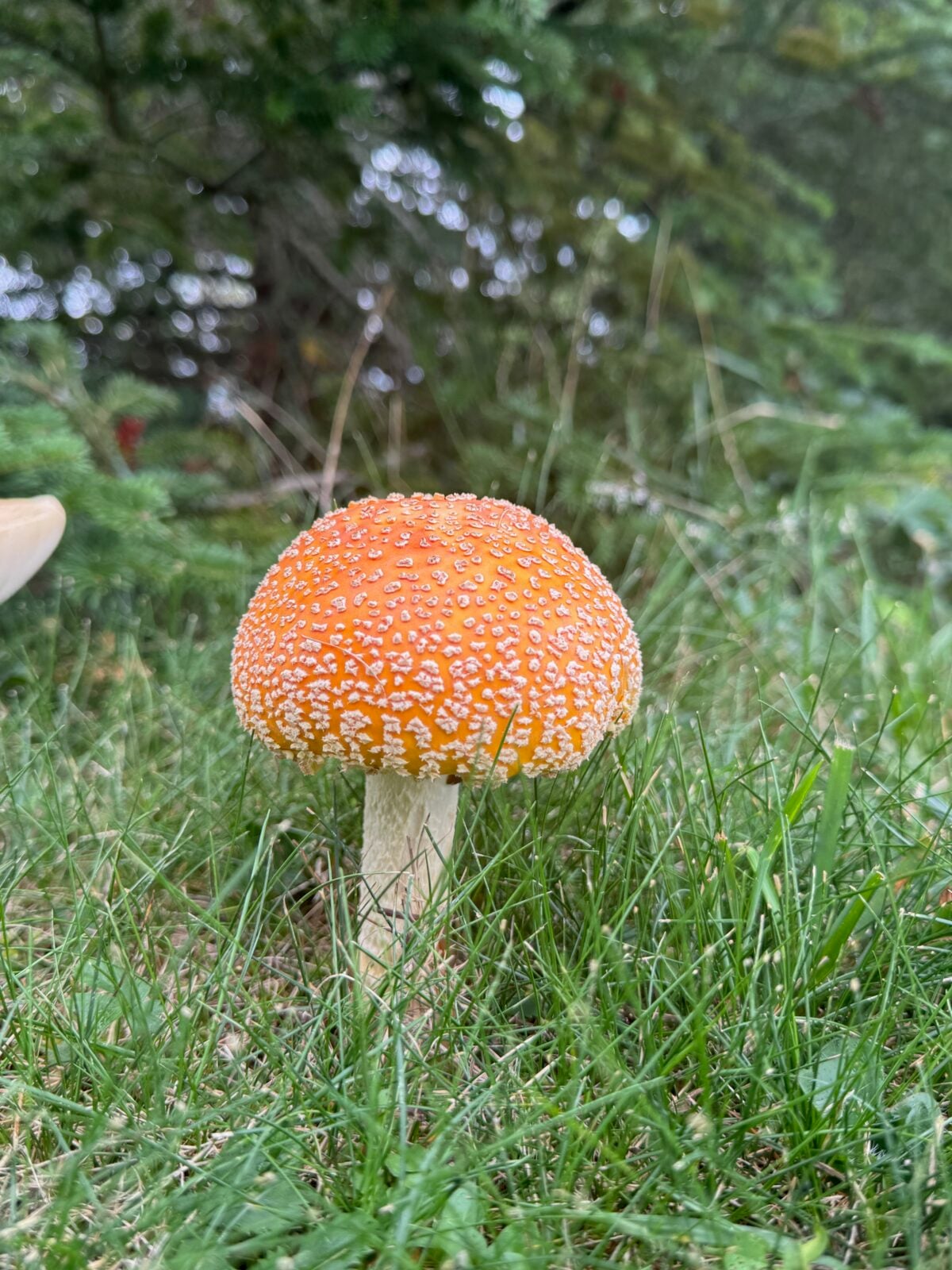
Finding several similar-looking mushrooms growing together doesn’t guarantee they are all the same species.
Examine each specimen individually before preparing it for consumption. Never assume an entire collection is edible because one mushroom was positively identified.
My Best Advice for Beginners: Focus on Choice Edible Mushrooms
If I could give someone just one piece of practical advice when they’re beginning their mushroom foraging journey, it would be this:
Focus on learning a small selection of distinctive, choice edible mushrooms that have no known deadly lookalikes in your region.
In mushrooming, choice edible generally refers to a mushroom that is especially desirable for culinary use. It’s a description of eating quality, not a guarantee of safety or ease of identification.
I would much rather see a beginner become extremely knowledgeable about a handful of distinctive mushrooms than attempt to identify every interesting fungus they encounter in the woods.
There’s no prize for identifying the most mushrooms, and there’s certainly no reason to take unnecessary risks when there are so many wonderful edible species to learn about.
Some mushrooms are much easier to distinguish from dangerous species than others, particularly once you’ve learned their identifying characteristics, preferred growing environments, and possible lookalikes.
For example, hen of the woods (maitake) and chicken of the woods are two distinctive groups that can be useful starting points for supervised study in our region.
That doesn’t mean every mushroom resembling them is safe to eat. Chicken of the woods can cause gastrointestinal reactions in some individuals, and both groups still require accurate identification, suitable harvesting conditions, and proper preparation.
Other popular edible mushrooms, including morels and chanterelles, have potentially harmful lookalikes and require careful identification training. A mushroom being highly prized doesn’t automatically make it a good beginner species.
Learn a Few Mushrooms Really Well
My recommendation is to select a few species appropriate for your geographic area and spend time learning everything about them.
Study how they look at different stages of growth, which trees they associate with, where and when they appear, and which species could possibly be confused with them.
Then, ideally, go into the woods with an experienced mycologist or qualified mushroom identifier who can help you recognize those characteristics firsthand.
Don’t just learn what the mushroom you’re looking for looks like. Learn how to confidently rule out everything it could be mistaken for.
The goal isn’t to become comfortable taking chances. It’s to develop the knowledge and judgment to recognize when identification is reliable—and when the smartest decision is to leave something in the woods.
You don’t have to eat every mushroom you find to be a successful mushroom forager.
Sometimes the most rewarding part of mushroom hunting is simply discovering something fascinating, photographing it, learning about it, and leaving it exactly where you found it.
For another example of the details involved, my lion’s mane identification and cooking guide discusses growth form, hanging teeth, and related species. Use it to support learning with a qualified local expert, not to clear a specimen for eating.
My Rules for Safely Eating Wild Mushrooms
Even when a wild mushroom has been positively identified as an edible species, proper preparation and cautious consumption are important.
These are practices I encourage everyone to understand before bringing wild mushrooms into their kitchen.
1. Never eat raw wild mushrooms
As a general safety rule, I recommend thoroughly cooking wild mushrooms before eating them.
Some edible mushroom species contain compounds that can cause illness when consumed raw or undercooked. Morels, for example, have been associated with serious illness when improperly cooked.
Raw mushrooms can also be difficult for some people to digest.
However, there’s an important distinction: Cooking a poisonous mushroom does not make it safe to eat.
Never attempt to make an unidentified or poisonous mushroom edible through cooking.
2. Start with a very small amount
When trying a properly identified edible mushroom species for the first time, I recommend starting with a small amount rather than preparing an entire meal.
Keep that first serving tiny—just a bite or two of thoroughly cooked mushrooms—and save the rest of the harvest properly refrigerated. A small serving cannot prevent an allergic reaction or make a poisonous mushroom safe.
Give yourself time to notice a reaction before eating more or introducing another species; don’t immediately turn a first taste into a full meal. There is no symptom-free waiting period that proves a mushroom was safe.
This cautious introduction can help you recognize individual sensitivities, but it is not a test for whether a mushroom is poisonous. Some dangerous mushroom toxins cause delayed symptoms.
Never use a small taste to determine whether an unidentified mushroom is safe.
3. Save an uncooked specimen
This is a particularly important practice that new mushroom foragers may overlook.
Before cooking a new wild mushroom species, set aside a representative, intact, uncooked specimen that can be examined if someone becomes ill.
Place it in a labeled paper bag or waxed paper and refrigerate it separately from food you plan to eat. Include the collection date, location, and any photographs documenting where it was found.
Keep the specimen for at least several days when possible, recognizing that it may deteriorate. Some poisoning symptoms are delayed, and a preserved specimen may help qualified experts identify what was consumed.
If multiple species were collected, keep specimens of each species separate and clearly labeled.
Saving a specimen doesn’t prevent poisoning, but it may provide valuable information to medical professionals if a reaction occurs. NAMA’s toxicology guidance explains how to retain material for identification. Don’t delay medical help while looking for a specimen.
4. Don’t combine several new mushroom species in one meal
It’s tempting to come home from a successful mushroom hunt and cook everything together.
But if you’re trying unfamiliar edible species, prepare and sample them individually.
If you eat several different types of wild mushrooms in one meal and experience an adverse reaction, it may be difficult to determine which species was responsible.
Enjoy learning about new mushrooms one species at a time.
5. Avoid alcohol when trying unfamiliar wild mushrooms
This is another precaution I strongly recommend.
Certain mushrooms contain compounds that can interact with alcohol and cause unpleasant or potentially serious reactions.
For example, some inky cap mushrooms contain coprine, a compound associated with an alcohol intolerance-like reaction that can cause flushing, rapid heartbeat, nausea, and other symptoms. Alcohol consumed days after the mushroom meal may still trigger symptoms.
Alcohol-related reactions have also been reported with some other wild mushroom species, although the mechanisms aren’t always fully understood.
Not every edible mushroom interacts with alcohol. However, avoiding alcoholic beverages when trying a new species is a sensible precaution and makes it easier to recognize a potential reaction.
My recommendation is to skip alcohol in both the drink and the recipe, and leave species known for alcohol reactions off your menu. Simply avoiding a drink during the meal does not eliminate an interaction that can last for days. See NAMA’s explanation of alcohol-related mushroom poisoning syndromes for the species-specific distinctions.
6. Eat only fresh mushrooms from suitable locations
Even an edible wild mushroom can become unsafe if it’s old, decomposing, improperly stored, or contaminated.
Avoid collecting mushrooms that are slimy, moldy, badly deteriorated, or infested.
Be mindful of where mushrooms grow. Roadside areas, industrial sites, treated lawns, and contaminated soils may expose mushrooms to pollutants, pesticides, or heavy metals.
Harvest from locations you know are appropriate and legally accessible, and refrigerate perishable mushrooms promptly. My guide to storing fresh chanterelle mushrooms covers handling an already-confirmed edible harvest. Storage and cooking cannot fix a mistaken identification.
7. Don’t serve unfamiliar wild mushrooms to unsuspecting guests
I love introducing friends and family to foods they might not normally try. Sharing unique ingredients and watching someone discover a new favorite food is one of my favorite things about cooking.
But wild mushrooms deserve special consideration.
Always tell guests when you’re serving wild-foraged mushrooms, explain which species you’re preparing, and give them the opportunity to decline.
Avoid serving a species for the first time to a group of people who have never eaten it. Extra caution is especially appropriate for children, pregnant people, older adults, and individuals with medical conditions or heightened food sensitivities.
And never pressure anyone into trying a wild mushroom, regardless of how confident you are in its identification.
Even Perfectly Edible Mushrooms Can Cause Individual Reactions
Here’s something I think every new mushroom forager needs to understand: Just because a mushroom is considered edible doesn’t mean every person will tolerate it.
This isn’t exclusive to wild mushrooms. Anytime we introduce a new food into our diet, there’s the possibility of an allergic reaction, food intolerance, or digestive upset. We see this with everyday foods like shellfish, dairy, eggs, nuts, and even vegetables.
Wild mushrooms are no exception.
Some people can enjoy a particular mushroom without experiencing any problems, while someone else may develop nausea, bloating, abdominal discomfort, or diarrhea after eating that exact same species, even when it has been correctly identified and properly cooked.
That doesn’t automatically mean the mushroom was poisonous or that the person who identified it made a mistake. It may simply be that the individual’s digestive system doesn’t tolerate that particular species.
Allergic reactions are also possible, although they are different from ordinary digestive intolerance. An allergy involves an immune response and can sometimes be serious, while food intolerance primarily affects digestion.
It’s also important to remember that sensitivity can develop over time. Just because you’ve eaten a particular mushroom before without problems doesn’t guarantee you’ll never experience a reaction.
How I Recommend Introducing a New Wild Mushroom
Once a mushroom has been positively identified as an edible species by a qualified expert, I recommend treating it the same way you would any unfamiliar food—with a little extra caution.
Start with a very small serving, thoroughly cooked according to species-specific recommendations. Avoid introducing several unfamiliar mushrooms at once, and give yourself time to observe how your body responds before eating more.
Remember that a small first serving is a precaution for personal tolerance, not a method of testing whether a mushroom is poisonous. Never taste an unidentified mushroom to see whether it’s safe.
If a particular edible species causes discomfort, stop eating it and seek professional advice before considering it again. Don’t keep retrying it to see whether you react. There are plenty of other delicious mushrooms to enjoy!
Of course, never assume symptoms after eating a wild mushroom are simply food intolerance. Misidentification or poisoning must be considered, particularly if the identification was uncertain, multiple species were eaten, or symptoms are significant or delayed.
If you become ill after eating wild mushrooms, promptly contact Poison Control or seek medical care. Difficulty breathing, throat swelling, faintness, or severe symptoms require emergency attention.
The FDA’s food allergy guidance explains the distinction between immune-mediated allergy and other food sensitivities. A small serving or thorough cooking cannot prevent a serious allergic reaction.
Common Mushroom Foraging Mistakes to Avoid
Some of the most dangerous mistakes happen when enthusiasm gets ahead of knowledge.
Assuming a mushroom is safe because wildlife eats it. Animals can tolerate substances that are harmful or deadly to humans. Insect damage does not establish that a mushroom is safe for people.
Treating a photo match as confirmation. Similar appearance is only a starting point for investigation. A missing stem base, underside, or habitat detail can change the identification entirely.
Assuming cooking will remove poison. Proper cooking is essential for edible mushrooms, but it does not make a poisonous species safe.
Assuming your previous experience guarantees this meal. Each harvest needs its own identification and freshness check, and previous tolerance does not guarantee you will never react.
Treating a recipe as identification advice. Seeing a mushroom in one of my recipes does not establish that the one you found is the same species. Identification comes before cooking, every time.
What to Do If You Suspect Mushroom Poisoning
In the United States, call Poison Control at 1-800-222-1222 immediately if poisoning is suspected or an unidentified mushroom has been swallowed. Do not wait for symptoms. Outside the U.S., contact your local poison center or emergency service.
Call 911 for trouble breathing, collapse, seizures, inability to wake the person, or other severe symptoms. Severe allergic reactions also require emergency care.
Tell the poison specialist what was eaten, when, how much, how it was prepared, and whether alcohol was involved. Retain available uncooked specimens, leftovers, photographs, and collection notes, but don’t postpone calling to gather them. Do not induce vomiting or try home remedies unless a medical professional directs you.
Some serious poisonings take hours to cause symptoms. Feeling well initially, or feeling better after vomiting, does not rule out dangerous poisoning. Follow professional instructions and alert anyone who shared the meal. Poison Control’s wild mushroom warning explains these risks.
Enjoy Foraging, and Take Responsibility for Your Own Finds
Joining a local club opened up a whole world of learning for my husband and me. I want to share that enthusiasm, along with the care that goes into every mushroom we bring to our table.
My photographs show our finds. My recipes show how I use ingredients we have identified. Neither can tell you what is growing in front of you or how your body will respond to it.
Before eating or serving any wild food, it is your responsibility to obtain a reliable identification, confirm its edibility and preparation requirements, and consider individual allergies and sensitivities. If you aren’t sure, leave it out of your meal.