Introducing New Chickens to an Established Flock Safely
Introducing new chickens to an established flock works best in stages. Quarantine newcomers for about 30 days, then let both groups see each other through a barrier for one to two weeks, then supervise mixed time on neutral ground before a nighttime move onto the shared roost. Skipping a stage raises the odds of injury or disease. Allow at least a month for quarantine before beginning introductions; the integration stages can take several additional weeks.
Key takeaways:
- Quarantine every new bird for roughly 30 days before any contact with your flock.
- Use a “see but don’t touch” barrier for one to two weeks to ease the shock.
- Introducing compatible birds as a group can reduce attention on a lone newcomer.
- Give extra feeders and waterers during the mixing phase.
- Move new birds onto the roost at night, once they are calm during the day.
Why Introductions Can Disrupt the Pecking Order?
A flock runs on a strict chicken pecking order, and every new arrival threatens to upset it. Chickens are creatures of habit. A bird appearing without warning reads as a threat, not a new flockmate, according to MileFour’s integration guide.
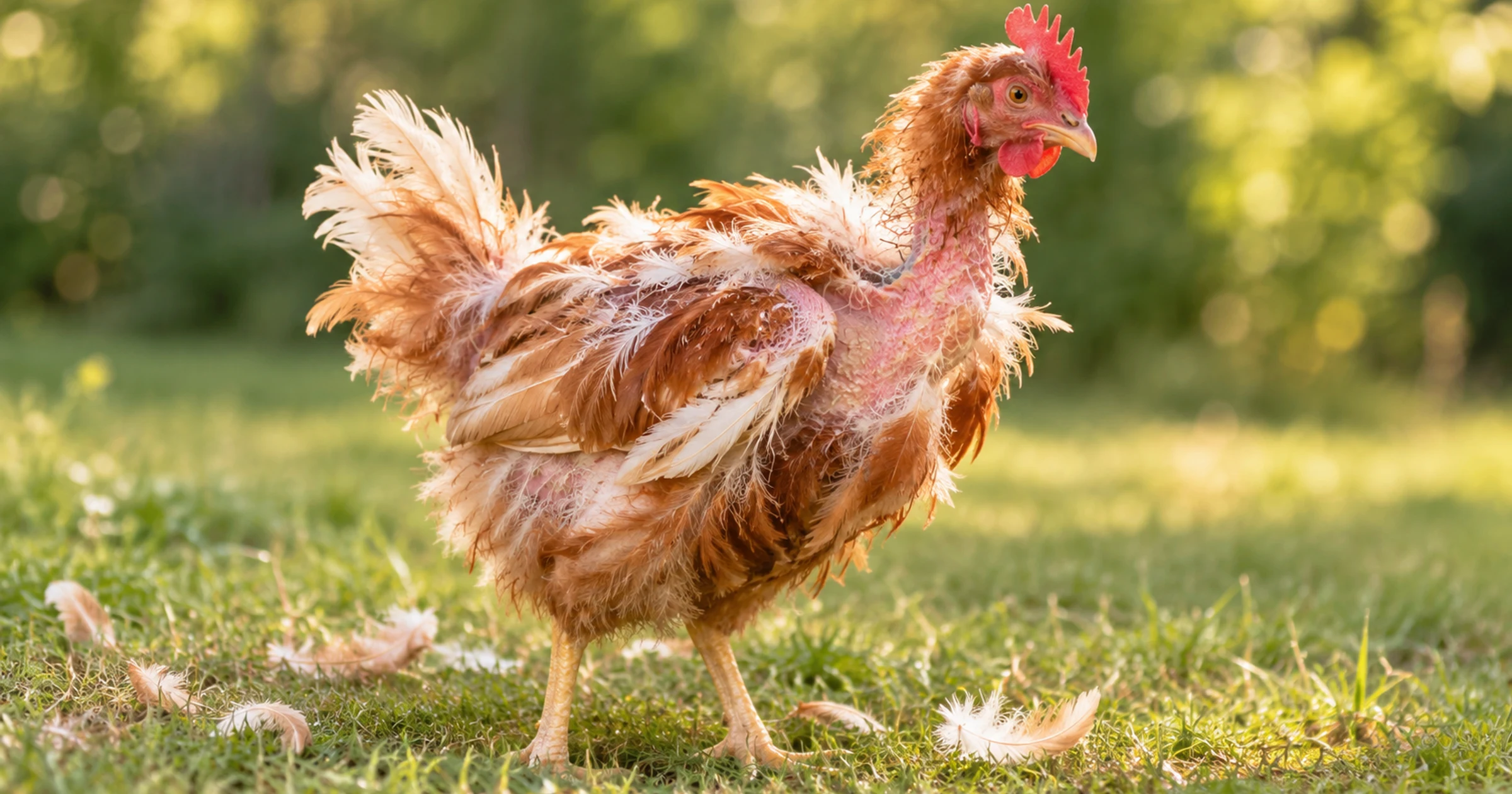
Direct introductions end in torn combs or missing feathers because of this instinct. A newly added bird can also get chased away from food and water for days. The fighting usually calms once a new order settles, but a bird that cannot escape a chaser can still get hurt before that happens. Understanding this instinct is the first step toward managing it.
How Long Should You Quarantine New Chickens?
Quarantine new chickens for about 30 days before they have any contact with your existing flock. Raising Chickens notes that this window is the standard recommendation from most poultry vets and experienced keepers. Illnesses such as respiratory infections, coccidiosis, and mites can take days to show symptoms, which is why the window matters.
Keep the newcomers in a separate structure, well away from the main coop, with separate airspace where practical. Give them their own feeder, waterer, and tools. Tend your established flock first each day, then use dedicated footwear and equipment for the quarantine pen and wash your hands between groups, so you are not the one carrying anything between groups.
Birds bought at a swap or from an unknown source are worth a longer window. Extend it to 60 days when you have doubts about their health, per Raising Chickens.
How Does the See-But-Don’t-Touch Method Work for Flock Integration?
The see-but-don’t-touch method lets both groups watch each other through a solid wire barrier for one to two weeks before any physical contact. Set the new birds up in a pen that borders the main run.
The two groups should be close enough to posture, stare, and learn each other’s sounds and smells. They also need to stay far enough apart that no one can land a real peck. This step, central to chicken flock integration, is where most of the pecking order gets sorted from a safe distance.
Watch for the staring and strutting to taper off before moving on. Flock Guide recommends giving this stage the full two weeks rather than rushing it when the established flock is still pacing the wire.
What Is the Safest Way to Add Chickens Without Fighting?
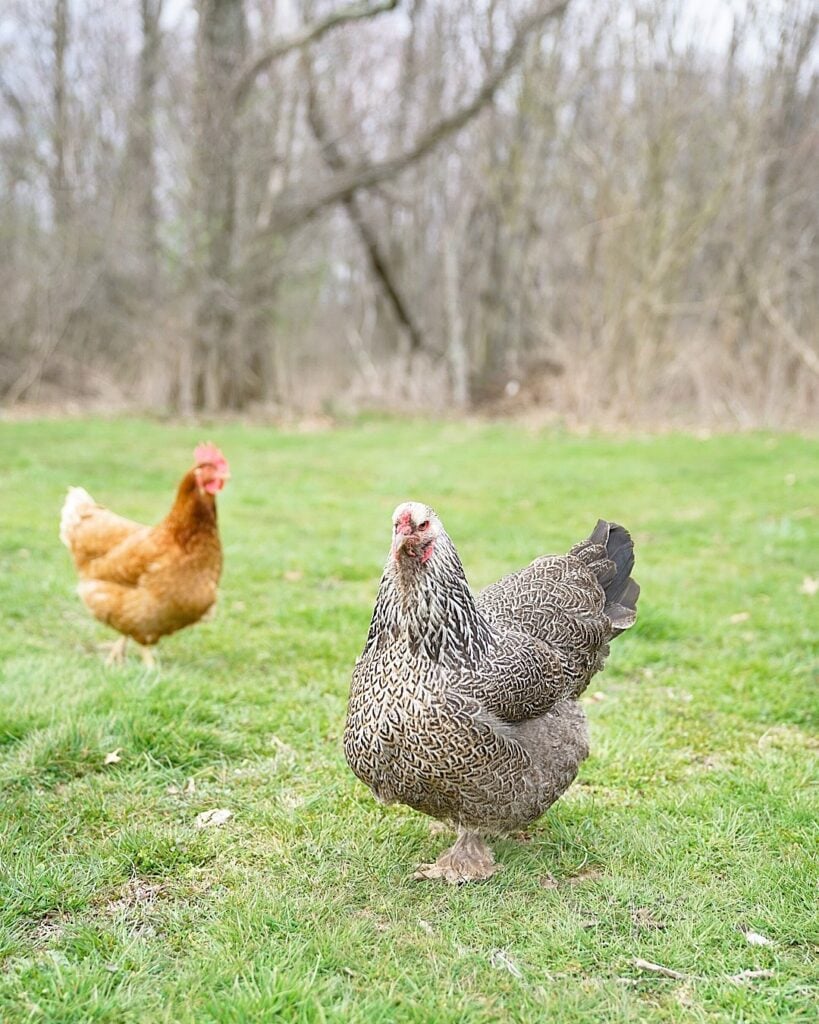
The safest way to add chickens without fighting is supervised time together on neutral ground, in sessions that get longer each day. Free-ranging in an open yard, rather than the established flock’s run, removes the home-turf advantage that fuels the worst fighting.
Start with a 15 to 20 minute session while you watch closely, and be ready to step in if a bird gets cornered. Scatter extra feeding stations, waterers, and hiding spots around the space. A lower-ranking bird never has to fight its way to resources this way.
Add new birds as a group of two or more, since a lone newcomer draws bullying from the entire flock with nowhere to spread it out. The Ultimate Homestead makes a similar point in its own six-step timeline. Finish by moving everyone onto the shared roost after dark. Wait until the flock is calm and the new birds are sleepy enough not to contest where they land.
Plan the space before introductions. Our backyard poultry setup ideas can help you think through shelter, feeding stations and room for birds to get away from one another.
What Should You Avoid When Introducing New Chickens?
Avoid skipping quarantine, adding a single bird alone, or forcing contact in the established flock’s own coop before any visual introduction. Each shortcut removes a layer of protection the slower method builds in on purpose.
Do not assume a quiet first hour means the job is done. Keep watching for several days. A bird that seemed fine at night can still get singled out once everyone is loose together in daylight.
Even careful introductions can cause injuries. Separate an injured or persistently bullied bird and ask a poultry veterinarian for advice. If feather loss is seasonal rather than caused by pecking, compare the pattern with our guide to chicken molting season.
FAQ
How long does it take for chickens to accept new flock members?
Quarantine comes first and should last at least 30 days. Visual separation and supervised mixing then take additional time, often several weeks. Some birds settle into their place in days. Others keep testing the pecking order for the full window before things calm down.
Can you put new chickens straight into the coop?
Putting new chickens straight into the coop skips the steps that protect your flock from disease and injury. It often triggers fighting, since established birds get no chance to adjust to the newcomers. Doing so also removes the window needed to catch an illness before it spreads.
Is it better to add one new chicken or several?
Add several new chickens together rather than one. A single newcomer becomes the only target for the whole flock’s aggression. Two or more new birds can spread that attention out and back each other up while they find their place in the order.
Do you need to separate new chickens if they look healthy?
Yes. Quarantine new chickens even when they look healthy. Several common poultry illnesses take days to produce visible symptoms. A bird that seems fine on arrival can still be incubating something that spreads once it shares air and space with your flock.
This article is general information, not medical advice; talk to a poultry veterinarian about health concerns specific to your birds.