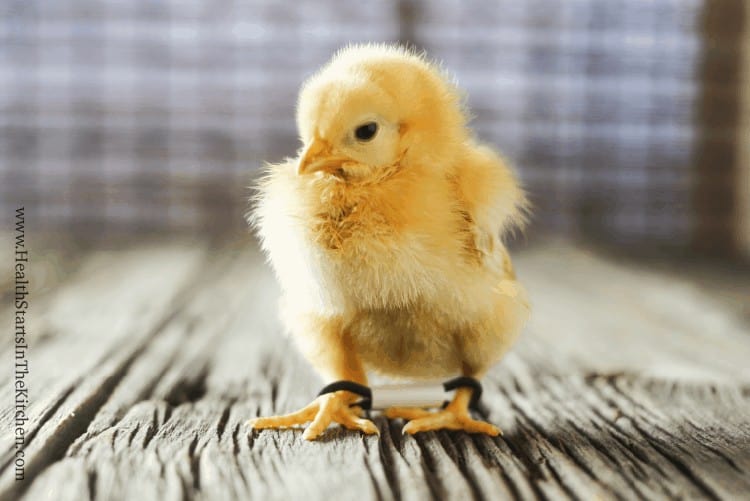
What Time of Year Do Chickens Molt and How Long It Lasts
What time of year do chickens molt? In Pennsylvania and similar Northern Hemisphere climates, most backyard flocks molt in late summer through fall, often August to November, as shorter days signal hens to shed old feathers and grow new ones. A full molt typically runs 8 to 16 weeks. Egg laying slows or stops during this time while the bird’s energy shifts to feather growth.
Key takeaways:
- Most backyard flocks molt during chicken molting season, which runs late summer into fall, triggered by decreasing daylight.
- A typical molt lasts 8 to 16 weeks from first feather loss to full regrowth.
- Hens usually stop or sharply reduce laying during a hard molt.
- Protein needs rise because feathers are roughly 85% protein.
- Molting is normal and not a sign of illness unless paired with other symptoms.
I started keeping chickens on our six-acre homestead here in rural Pennsylvania. The first fall molt always catches new flock owners off guard. One week the coop floor is clean. The next, it looks like a pillow fight happened overnight. Here is what is actually going on, and what to do about it.
What Time of Year Do Chickens Molt?
Chickens molt on a seasonal schedule tied to daylight, not the calendar date. Days shorten after the summer solstice. Hens over a year old typically begin losing feathers sometime between late summer and early winter. August through November is the most common window for backyard flocks in temperate climates. This is called the annual, or “hard,” molt, and it happens once a year in adult birds.
The exact start date varies by bird. Some hens begin dropping feathers as early as July if they hatched early in the year. Others wait until October. Roosters and younger pullets that have not hit their first fall yet usually molt later, or on a different schedule than older hens. According to Purina Animal Nutrition’s molting guide, the trigger is the shortening photoperiod. That shift in daylight pulls hormone levels and energy away from egg production and toward feather replacement.
First adult molt timing depends on age and hatch date. Many hens have their first major adult molt at around 16 to 18 months, so young pullets may skip a fall molt.
How Long Does Chicken Molt Last?
A chicken’s molt lasts 8 to 16 weeks from start to finish, though the exact duration depends on the bird and how “hard” the molt is. A fast molter drops feathers in clumps and regrows them within two months. A slow molter sheds gradually, feather by feather. That bird can take three to four months to look fully feathered again.
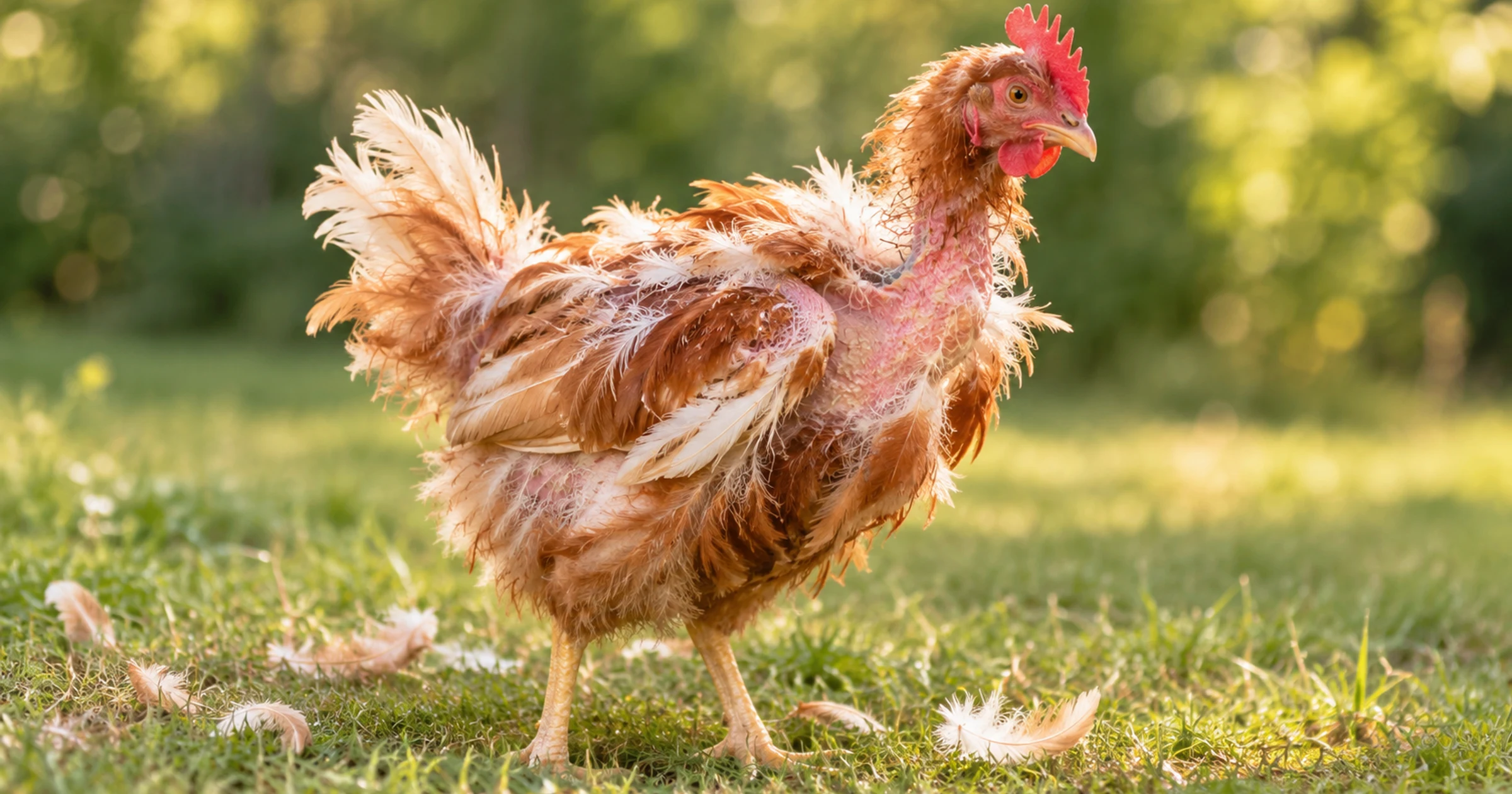
Molt order tends to follow a pattern: head and neck first, then the breast and body, then wings, with tail feathers last. Your hen will look patchy and a little rough for several weeks. Then new pin feathers, sometimes called “porcupine quills” for their sharp, waxy sheaths, start pushing through.
Older hens, especially those three years and up, tend to have slower, longer molts than younger birds. Check for mites or lice if a hen still looks half-bald after four months. Parasites can mimic or worsen feather loss.
Why Chickens Stop Laying During Molt?
Chickens stop laying, or lay far fewer eggs, during molt because feather regrowth and egg production compete for the same resources: protein and energy. Understanding why chickens stop laying during molt comes down to priority. A hen’s body rebuilds her feather coat first, since it protects her from cold and predators, before it puts resources toward eggs.
Feathers are about 85% protein, so growing a full new set is a significant metabolic demand. Egg production is also protein-intensive. Most hens’ bodies cannot do both well at once. Kalmbach Feeds notes that laying resumes gradually as feather regrowth winds down. Short winter days can delay a return to laying until daylight increases.
Do not expect eggs during a hard molt. Some hens lay a reduced number through a light molt. A full stop for several weeks to a couple of months is normal, not a sign something is wrong.
Molting Chicken Care Tips
These molting chicken care tips start with feed, since a hen’s protein needs climb while she rebuilds feathers.
- Switch to a higher-protein feed. Many keepers move from a standard 16% layer feed to one in the 18-20%+ protein range during molt, then switch back once new feathers fill in.
- Offer protein-rich treats in moderation. Scrambled eggs, mealworms, and sunflower seeds are commonly used supplemental treats, as long as treats stay a small share of the overall diet.
- Handle birds gently. New pin feathers are sensitive and can bleed if broken. Avoid picking up or petting a molting hen more than necessary.
- Reduce stress where you can. Skip introducing new flock members or moving the coop until the molt winds down. Stress can slow feather regrowth.
- Watch for bullying. Flockmates sometimes peck at a bald or pin-feathered bird. Separate a hen temporarily if pecking draws blood.
A molting hen’s comb may also pale slightly as her body reroutes resources away from reproduction. That is expected, and it usually resolves once laying resumes.
What’s Normal vs. Not Normal During a Molt
A normal molt looks patchy and uneven, but the bird stays active, eats well, and gradually refeathers within a few months. Feather loss paired with lethargy, pale or swollen skin, open sores, or feathers that never regrow in the same spots is not normal.
Persistent bald patches around the vent or back, instead of refeathering, can signal mites, lice, or feather-pecking from flockmates. A true molt does not usually look this way. A hen still bare in the same spots well past 16 weeks, or one that seems weak alongside the feather loss, is worth a closer look. If you suspect illness or parasites, a poultry veterinarian or local extension service can help.
The fall molt can overlap with coop cleanup and garden preserving. Keep routines steady and postpone flock changes when possible. If new birds are on your list, read how to introduce new chickens to an established flock and finish quarantine before any introductions. Our backyard poultry setup ideas offer more ways to plan the space.
FAQ
Do all chickens molt at the same time?
No. Molt timing varies by bird, breed, and hatch date, so flocks often have hens in different stages at once. Older hens and those hatched earlier in the year tend to molt before younger pullets.
Can chickens molt in spring or summer?
A light, partial molt can happen any time. The annual hard molt tied to shortening daylight is a late summer through fall event for most adult hens. A spring or summer molt is less common and worth watching if other symptoms appear.
Should I give my chickens extra light during molt?
Many keepers avoid adding supplemental light during molt. The shortening days are the natural trigger for feather regrowth, and interrupting that cycle can confuse the process. Let the molt run its course before adjusting coop lighting for winter egg production.
Will my chickens lay eggs again after molting?
Laying often resumes after feather regrowth, but short winter days, age and individual health can delay it until spring. A molt alone does not mean a hen has finished laying permanently.
This article is general information about backyard flock health and is not medical advice.