How to Make the Best Lemon Balm Tea at Home
A simple cup of this herbal infusion can turn a handful of garden leaves into a calming evening ritual. If you grow herbs, forage responsibly, or enjoy making natural drinks at home, this caffeine-free infusion is one of the easiest recipes to add to your kitchen routine.
Important Foraging Safety Notice
Foraging mistakes can cause serious illness or death. This post shares educational information and personal experience. It does not identify your finds or confirm they are safe to eat.
You are responsible for what you harvest, prepare, eat, and serve. Have all wild foods identified and confirmed edible by a qualified local expert before consuming them. Never eat anything you cannot reliably identify.
Read the full Foraging Safety & Disclaimer before using this post.
Lemon balm has a long history of traditional use for mild stress, sleep, and digestive comfort. I mostly love it for its fresh lemony scent and the simple ritual of turning a handful of leaves into tea. You can use fresh leaves from the garden or dried leaves from the pantry.
The short version:
- This gentle brew is a caffeine-free herbal drink made from lemon balm leaves.
- Fresh leaves create a bright flavor, while dried leaves are convenient year-round.
- Steep fresh or dried leaves in hot water for 5 to 10 minutes for a simple homemade tea.
- Many people enjoy it in the evening for relaxation, but regular use should be discussed with a healthcare provider if you are pregnant, nursing, or have health concerns.
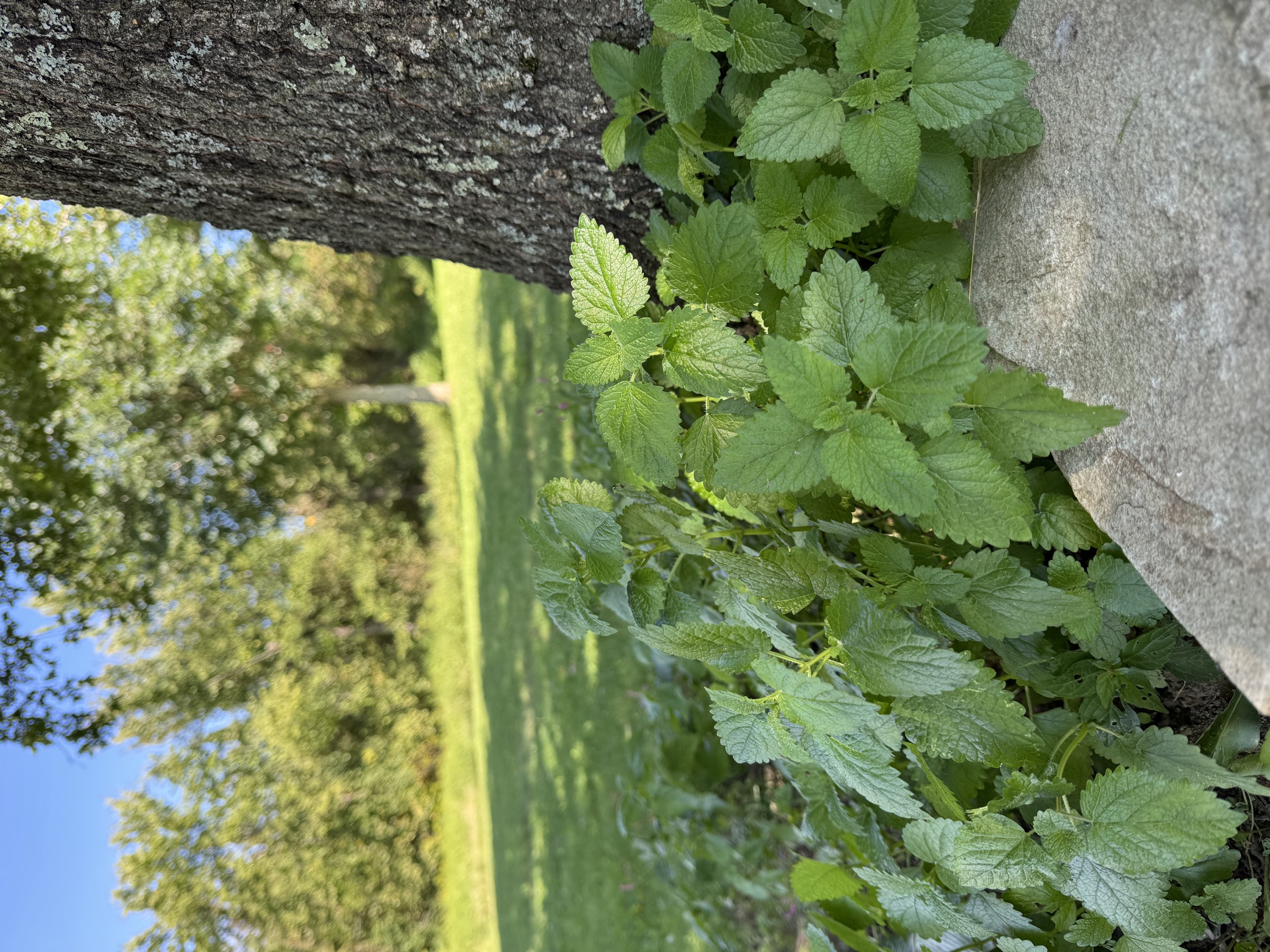
If you enjoy gathering ingredients close to home, browse my foraging and wild foods hub. The iced version in the recipe card below has been a warm-weather favorite in my kitchen for years.
What Is Lemon Balm Tea And Why Make It At Home?
This comforting beverage is an herbal infusion made from the leaves of lemon balm, a member of the mint family. The plant has a naturally citrus-like aroma and a gentle flavor that works well on its own or blended with other garden herbs.
Making your own herbal tea lets you control the ingredients, avoid unnecessary additives, and enjoy seasonal plants from your own kitchen or garden.
For those who enjoy homesteading and foraging, lemon balm is especially appealing because it is simple to grow and can be harvested for both fresh drinks and dried pantry supplies. A small amount of leaves can create a flavorful cup without relying on caffeinated beverages.
Research and traditional use often focus on its calming qualities. Sources including the European Medicines Agency discuss its common uses related to relaxation, mood, sleep, and digestive comfort.
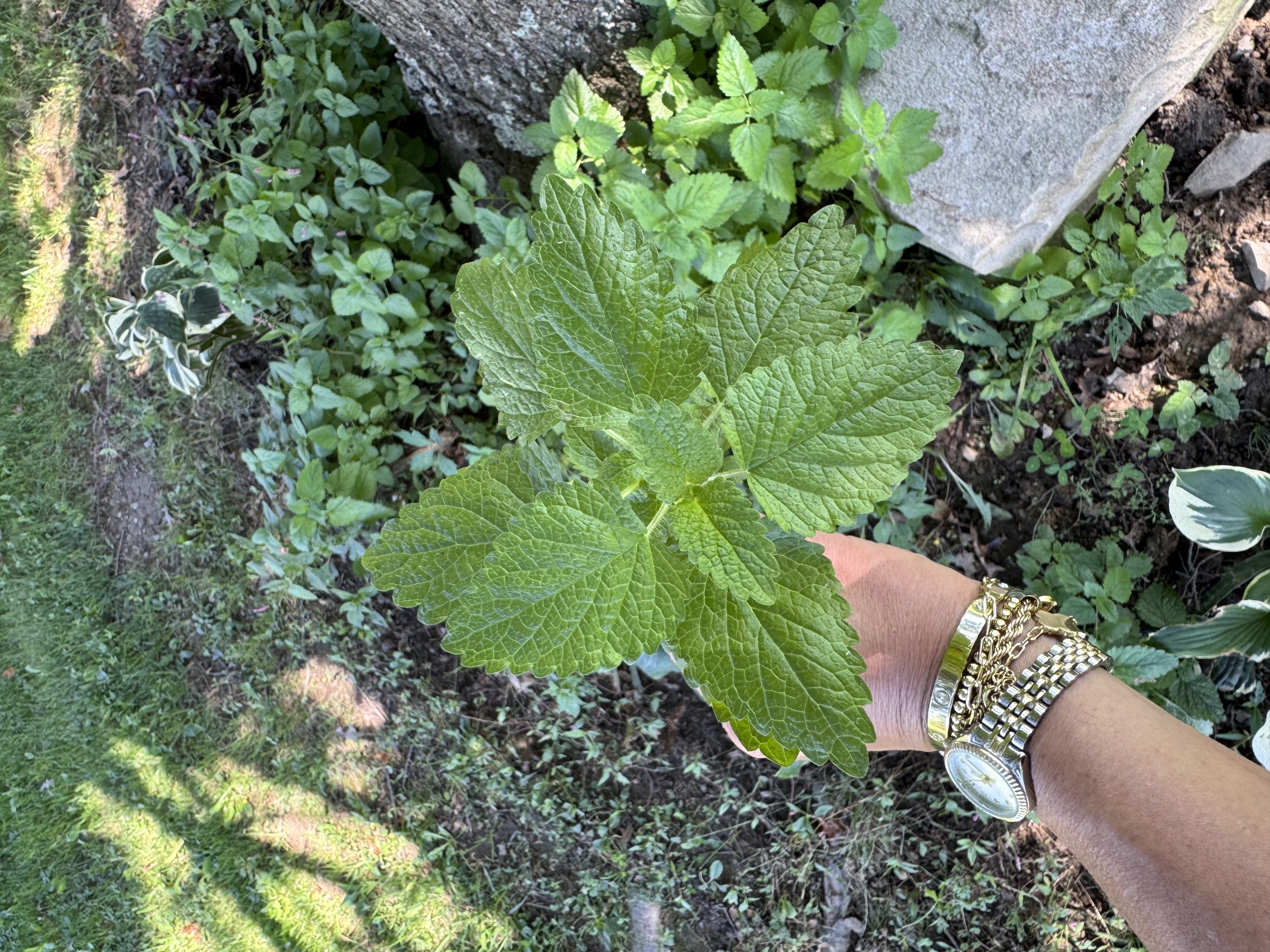
How To Make Lemon Balm Tea From Fresh Or Dried Leaves
The beauty of homemade herbal tea is that the process stays simple. You do not need complicated equipment or specialty ingredients.
The best cup starts with good-quality leaves and the right steeping time, not a long list of extras.
Fresh Lemon Balm Tea Recipe
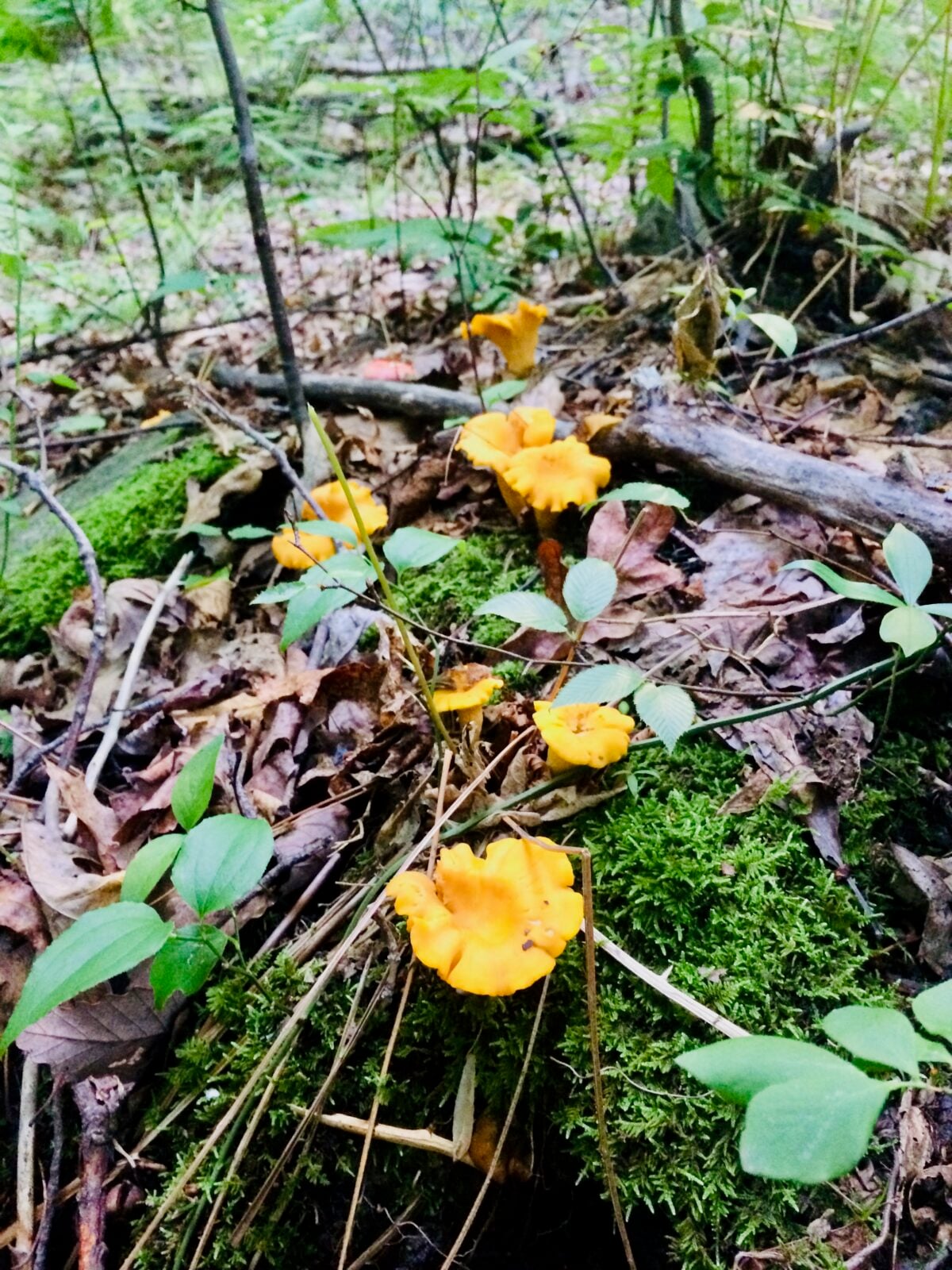
For a fresh version, gather clean lemon balm leaves from a trusted source. If you are harvesting from your garden or foraging, always confirm plant identification before using any wild herb.
Basic method:
- Place about 20 fresh lemon balm leaves in a cup or teapot.
- Pour boiling water over the leaves.
- Cover and steep for 5 to 10 minutes.
- Strain and enjoy warm or chilled.
Fresh leaves create a lighter, garden-fresh flavor that pairs well with a little honey if desired.
Using Dried Lemon Balm Leaves
Dried herbs are useful when your garden is resting for the season. Use about 1 teaspoon of dried lemon balm per cup of hot water, then steep for 5 to 10 minutes before straining.
I like keeping dried herbs available because it means a calming cup is always within reach, even during colder months when fresh plants are unavailable.
For another homemade herbal drink idea, explore How to Make Chaga Mushroom Tea if you enjoy adding wild foods and traditional preparations to your routine.
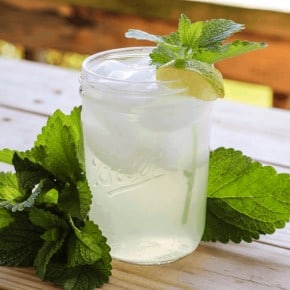
Lemon Balm Iced Tea
Ingredients
- 2 cups loosely packed fresh lemon balm leaves and tender stems gently rinsed
- 4 cups boiling filtered water
- 1 to 2 tablespoons honey optional, to taste
- Ice for serving
- Lemon or lime wedges optional
- Fresh lemon balm sprigs optional, for garnish

Instructions
- Place the rinsed lemon balm in a 1-quart heat-safe jar or pitcher. The leaves should fill it roughly halfway without being packed down.
- Add the honey, if using, while the jar is still warm.
- Pour the boiling water over the lemon balm. Cover and steep for 20 minutes.
- Strain out the leaves, then let the tea cool. Refrigerate until completely chilled.
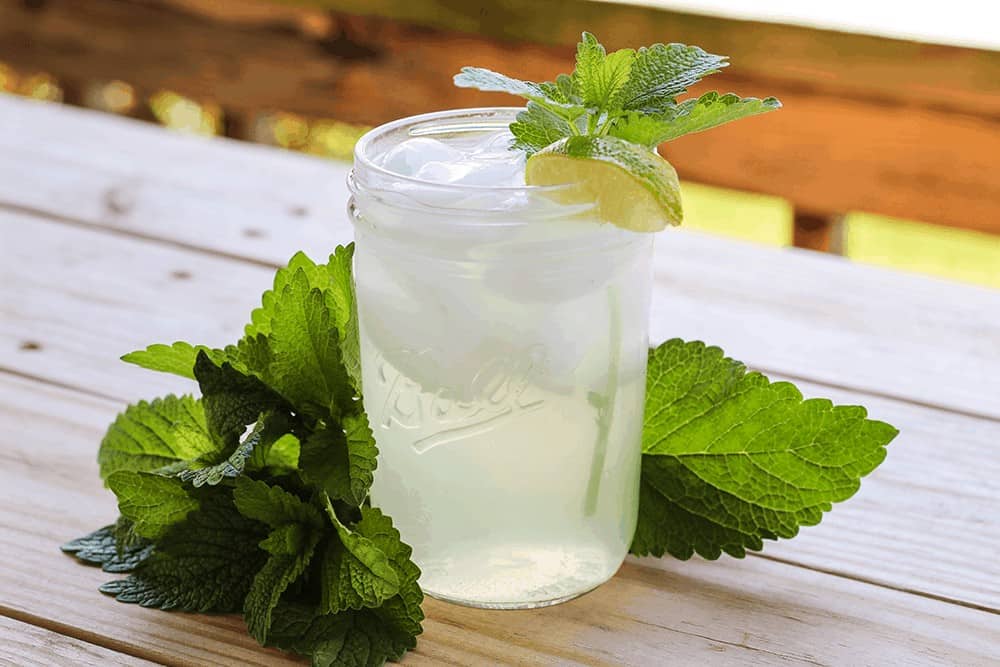
- Serve over ice with lemon or lime and a fresh sprig of lemon balm, if desired.
Lemon Balm Tea Benefits And What To Know Before Drinking It
People choose this herbal drink for several reasons, especially its relaxing flavor and traditional uses.
Traditionally, lemon balm tea has been used for mild stress, sleep support, and digestive comfort. Evidence from clinical trials is still limited, so I think of it as a pleasant herbal tea rather than a treatment.
Some people drink it in the evening because it is naturally caffeine-free and fits well into a nighttime routine. Others enjoy it after meals because herbal teas can be a soothing way to finish eating.
Reported uses include:
- Supporting a calmer mood during stressful periods.
- Encouraging relaxation before bedtime.
- Helping with mild digestive discomfort.
- Providing a comforting warm drink without caffeine.
These benefits are not a replacement for medical care. If you are pregnant, nursing, taking medication, or managing a health condition, check with a healthcare professional before making herbal preparations part of your regular routine.
Most people get this wrong: more herbs do not automatically mean better results. A balanced recipe and consistent preparation matter more than making an overly concentrated drink.
Lemon balm may make some people drowsy. Check with your clinician or pharmacist before regular use if you take sedating medicines, manage a health condition, are pregnant, or are breastfeeding. Safety during pregnancy and breastfeeding has not been established.
Common Mistakes When Making Herbal Tea At Home
A great herbal tea depends on small details. Many disappointing cups come from simple preparation mistakes.
Treat herbs like cooking ingredients, because freshness, timing, and storage all affect the final flavor.
Using Too Much Heat For Too Long
Boiling water is useful for steeping, but leaving delicate leaves exposed for too long can create a stronger, less pleasant flavor. Start with a shorter steep and adjust based on your preference.
Forgetting About Storage
Dried herbs should be stored away from heat, moisture, and direct sunlight. Proper storage helps preserve flavor for future cups.
Skipping Safe Identification When Foraging
Wild plants require careful identification. A plant that looks similar to a familiar herb may not be suitable for consumption.
If you enjoy collecting wild foods, pair your tea-making habit with reliable education, such as A Guide to Foraging Wild Blackberries for more seasonal inspiration.
How To Add Lemon Balm Tea To Your Healthy Kitchen Routine
A homemade tea habit can fit naturally alongside healthy cooking, fermentation, gardening, and seasonal recipes.
The easiest next step is to treat herbal tea like any other homemade kitchen staple: prepare it ahead, keep ingredients available, and enjoy it regularly.
Try these simple ideas:
- Brew a larger batch and chill it for an iced herbal drink.
- Add fresh leaves to other garden herb blends.
- Dry extra leaves at the end of the growing season.
- Create a relaxing evening routine with a warm cup before bed.
For people who enjoy natural living, small kitchen habits often create the biggest sense of connection. Growing herbs, preserving seasonal foods, and making simple drinks from scratch all bring more awareness to what you consume.
Your next step is easy: harvest a small handful of fresh leaves, or gather dried lemon balm from your pantry, and make your first homemade batch today.
FAQ
Can You Make Lemon Balm Tea With Fresh Leaves?
Yes. Fresh leaves work well and create a bright herbal flavor. Use about 20 fresh leaves per cup and steep in boiling water for 5 to 10 minutes.
How Long Should Lemon Balm Leaves Steep For Tea?
Fresh or dried leaves can generally steep for 5 to 10 minutes. Adjust the timing depending on how strong you prefer the flavor.
What Are The Main Lemon Balm Tea Benefits?
Traditional uses include mild stress relief, sleep support, and digestive comfort. Evidence is limited, and tea should not replace medical care.
Is Lemon Balm Tea Caffeine-Free?
Yes. Lemon balm is naturally caffeine-free, which makes it a popular choice for people looking for a relaxing herbal drink instead of caffeinated tea.