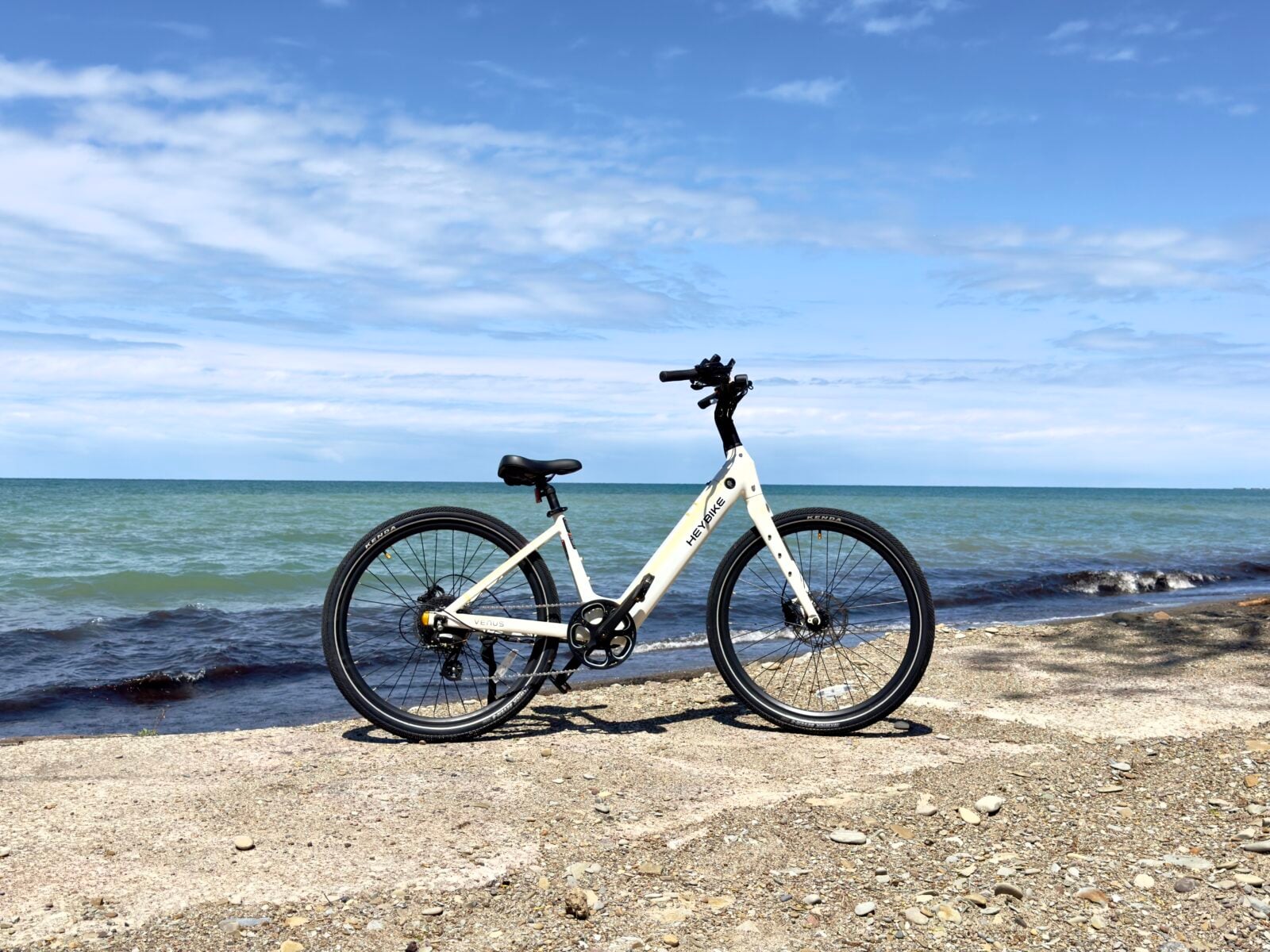
Is Riding an E-Bike Exercise? A Practical Look for Women Over 40
Yes—pedaling an e-bike can be exercise. How much depends on your effort, the assistance you choose, the terrain, and how long you pedal. The motor does not erase your contribution, but miles on a display do not automatically translate into a workout either.
I care about this because my own relationship with riding has changed so much. I started with no desire to pedal and relied heavily on the throttle. Then the easy help of a cadence sensor got me comfortable with pedaling. These days I only use torque mode, with the goal of building strength and muscle. I did not begin with an ambitious training plan. I began by finding a way to enjoy being on a bike.
This post contains affiliate links. I may earn a commission when you purchase through them, at no extra cost to you.
What research actually tells us
In a small randomized pilot study, 32 adults used either an e-bike or conventional bike for commuting over four weeks. Fitness improved in both groups, with no statistically significant difference between groups. That is encouraging, but the sample included only four women and was not a study of menopause or women over 40 specifically. It cannot promise the same result for every rider. Read the pilot study.
A larger observational study tracked 1,879 e-bike and conventional-bike riders for four weeks. E-bike riders were less likely to reach the weekly moderate-to-vigorous activity target through riding. Assistance can make cycling more accessible, but it can also reduce the effort involved. Because this was observational, it does not show that an e-bike causes poorer fitness. It does remind us to consider the person’s activity, not just the machine. Read the larger study.
My throttle-to-pedaling progression
The throttle was my starting point. I am not going to pretend those early rides were the same as sustained pedaling, but they got me interested. Cadence assistance became the bridge: pedaling felt approachable enough that I wanted to keep doing it. Now torque mode fits the more active ride I want.
That is my experience, not a required sequence. You can enjoy an easy outing without turning it into a fitness project. If exercise is your goal, though, count the time you are actively working rather than treating coasting or throttle-only travel as equivalent aerobic activity.
Why the two sensor options interest me
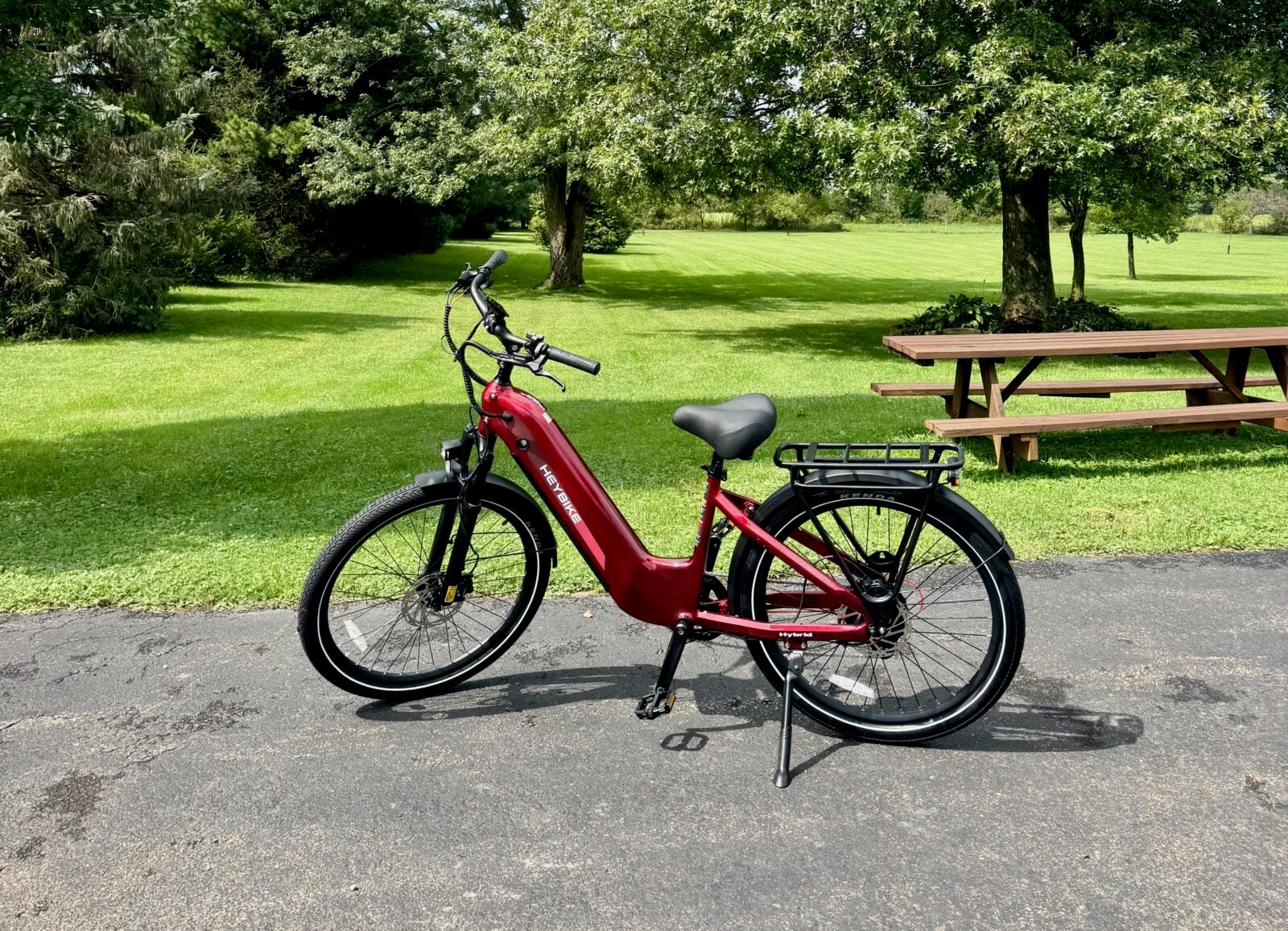
Torque assistance responds to pedal force; cadence assistance responds to rotation. Heybike’s sensor explanation describes the difference. Both Venus and Ruby let you choose. For me, that adaptability makes sense when someone’s preferences may change over time.
A torque sensor is not a muscle-building switch. You can pedal lightly with plenty of assistance in torque mode, or contribute meaningful effort on a cadence-assisted bike. Gears, assistance level, hills, and your own work all matter. Try one comfortable adjustment at a time rather than chasing the hardest setting.
How to tell whether you are working
The CDC’s talk test offers a practical cue: at moderate intensity you can converse but singing is difficult; at vigorous intensity you can manage only a few words before needing a breath. On an e-bike, use your own breathing and effort rather than road speed to judge intensity—the motor can make speed misleading.
For general adult health, the CDC recommends at least 150 minutes of moderate activity or 75 minutes of vigorous activity weekly, or an equivalent mix, plus muscle-strengthening activity on at least two days. Activity can be broken into smaller amounts. Women over 40 are not all starting from the same place, so build from what feels manageable rather than treating that weekly goal as a first-ride assignment.
Where Venus and Ruby fit for me
Venus is the bike I love introducing to women getting back into riding. Ruby feels heavier and more substantial along roads, and her seat is shockingly comfy. On my 49-mile hilly Route 5 ride, mostly in PAS 4, Ruby finished with 40% battery remaining. That tells you something about my outing and the bike’s remaining charge; it does not tell us my calorie burn, exercise intensity, or muscle gain.
Read my Heybike Venus review or Heybike Hybrid review for the full ownership stories. You can also explore Venus and Ruby’s Hybrid model through my affiliate links. Comfort and a bike you look forward to riding matter to me much more than winning an argument about whether assistance is “cheating.”
And yes, I love closing those activity rings
There is also the everyday satisfaction of closing my activity rings on my Apple Watch and keeping my activity score high on my Oura Ring. Those little nudges give me another reason to make movement part of the day. A beautiful ride, a lunch stop, and progress toward my activity goals? That is a pretty appealing combination.
I treat those numbers as motivation, not proof of a specific calorie burn or muscle gain. The part I can control is showing up, paying attention to how I feel, and choosing a level of effort that fits the day.
Keep strength training in the picture
My goal of building strength through more active riding is personal; I am not claiming that torque mode has produced measured muscle gains. Cycling can be part of an active routine, but it does not replace a balanced muscle-strengthening program. Keep activities that challenge the major muscle groups in the mix, alongside rides you enjoy.
Start with short, comfortable rides and increase gradually. If you have a health condition, symptoms with activity, or are returning after an injury, ask your clinician how to adapt the plan. Persistent pain is a reason to stop and reassess fit and activity, not push harder to earn your miles.
The Class 2/3 setting is separate from exercise effort: faster assistance does not make a better workout. Check the class guide, prepare with beginner safety tips, and find the rest of our riding stories in the e-biking hub. You are allowed to begin with a ride you simply enjoy and see where it takes you.