Ground Cherry Recipes: Jam, Pie & Preservation Ideas
Come September, if you’re growing ground cherries on your homestead or picking them from local farmers markets, you’re probably staring down a harvest that feels both abundant and overwhelming. These small, golden fruits wrapped in papery husks multiply fast, and fresh eating alone won’t keep up. That’s where ground cherry recipes come in. Whether you turn them into jam, bake them into pie, or preserve them for winter, you have far more options than you might think.
The short version:
- Ground cherries shine in jams, pies, salsas, and tarts; roast them into sauces or preserve for year-round use.
- Jam and freezing are fastest; canning offers longest shelf life.
- Sweet, tropical flavor with tartness works in both sweet and savory dishes.
- Fresh salads, tortes, and goat cheese toast use daily harvests quickly.
For more seasonal ideas, visit my foraging resource hub and summer foraging guide.
What Are Ground Cherries and Why They Matter
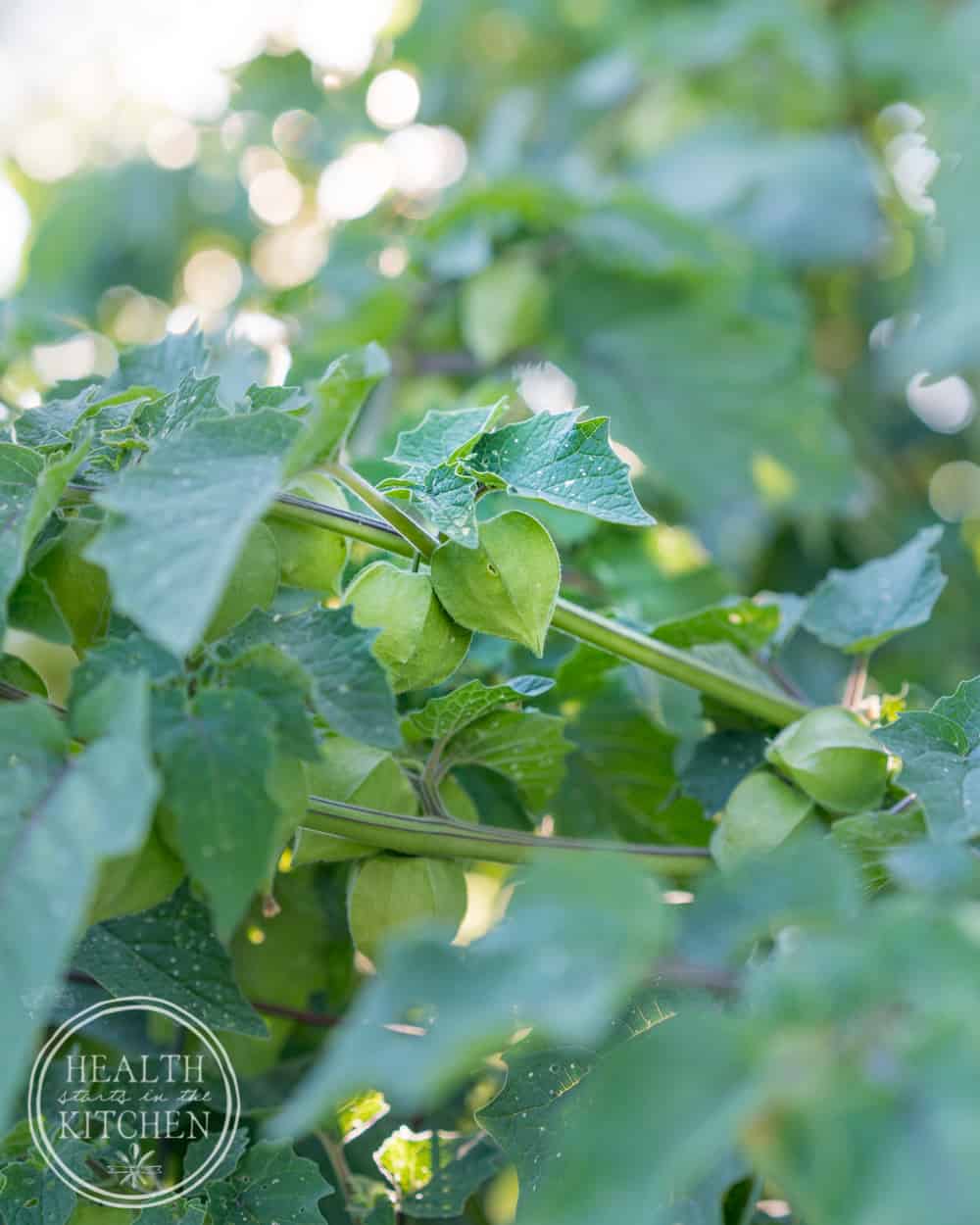
Ground cherries, also called husk cherries, are small orange fruits in the Physalis genus, related to tomatillos and Chinese lanterns. They fall to the ground when ripe, which is where the name comes from. You won’t find them in supermarkets, but once you’ve grown them or spotted them at a farmers market, they’re hard to ignore.
These fruits taste sweet and tropical, often compared to pineapple mixed with cherry tomato, with subtle tartness underneath. Unlike tomatillos, ground cherries work as a sweet fruit for raw eating or cooking, not only savory. They contain antioxidants and vitamins, making them nutrient-dense. Eat them straight from the husk, toss into salads, simmer into jam, or bake into desserts. Ground cherry recipes span breakfast to dessert, which is why the harvest suddenly feels manageable once you know what to do with it.
Fresh Ground Cherry Recipes for Every Meal
Use only fully ripe, golden fruit that has dropped into its papery husk. Unripe green fruit—and the leaves and stems—contain toxic compounds and should not be eaten. Discard any fruit that is moldy, leaking, or still green.
The simplest way to use your harvest is to eat them fresh. Pop one straight into your mouth. That sweet, slightly tart burst is addictive, and your family will snack on them raw before you get a chance to preserve anything.
Fresh ground cherry recipes work wonderfully in salads. A simple mix of greens, fresh ground cherries, crumbled goat cheese, and light vinaigrette is elegant for guests and easy for weeknight dinner. The tartness plays against the creaminess of the cheese. For something heartier, try a Waldorf-style salad with mixed greens, ground cherries, toasted nuts, and creamy dressing.
Ground cherry toast takes seconds to assemble. Toast good bread, spread it generously with goat cheese or cream cheese, scatter halved fresh ground cherries on top, and drizzle with warmed honey. The contrast tastes far more impressive than the effort requires.
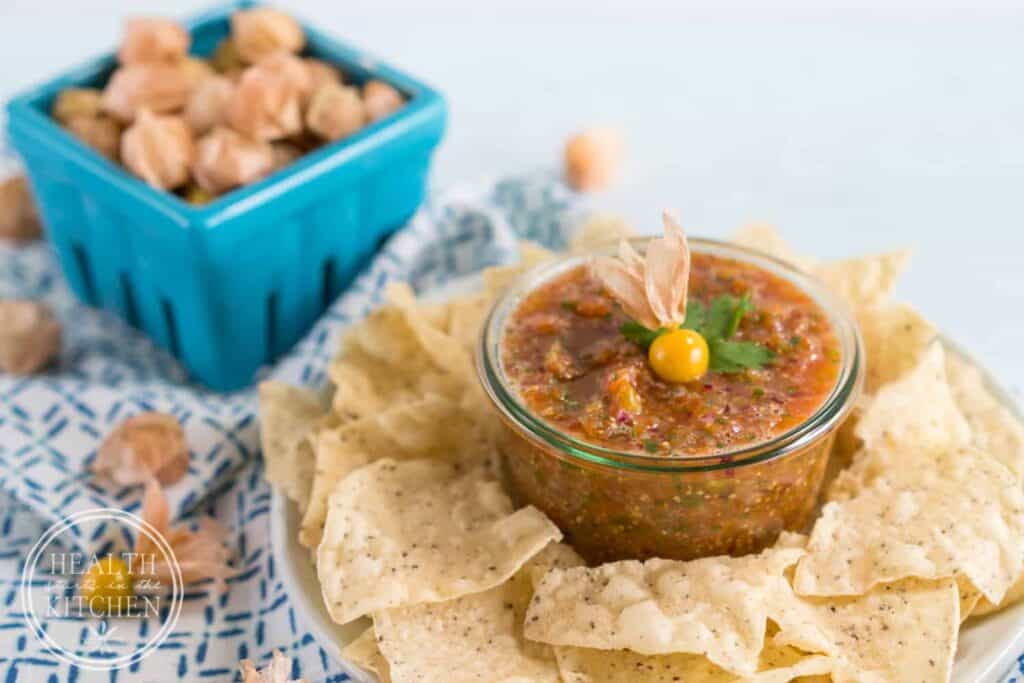
For savory use, fresh ground cherry salsa brings brightness to grilled fish, chicken, or pork. Dice the fruit with fresh cilantro, red onion, jalapeño, lime juice, and salt. The tropical sweetness softens the heat and adds complexity that bottled salsa lacks.
Ground Cherry Jam and Safe Preservation
Once fresh eating catches up with the harvest, jam is a natural next step—but shelf-stable canning is not the place to improvise. Use a current research-tested ground cherry recipe or the exact directions supplied by a reputable pectin manufacturer. Changing the fruit, acid, sugar, jar size, or processing time can change whether a canned product is safe.
If you want to sweeten with honey, use a low-carb sweetener, or reduce the sugar beyond a tested recipe, treat it as a refrigerator or freezer spread. Label it, chill it promptly, and freeze what you will not use soon. A low-sugar sweetener does not make jam shelf-stable.
Baked Ground Cherry Recipes: Pie and Desserts
A ground cherry pie is the showstopper that makes guests ask for the recipe. The sweet-tart flavor works beautifully in a traditional crust, and cooked ground cherries turn jammy without needing a thickener. Fill a blind-baked crust with ground cherries mixed with sugar and lemon juice, top with more crust or a crumb topping, and bake until golden. The result beats apple pie by far.
Ground cherry torte (also called ground cherry cake) is another favorite. A simple, buttery cake base topped with fresh or lightly sugared ground cherries bakes into a humble, tender dessert perfect for afternoon tea or casual gatherings. The fruit stays slightly tart against the sweetness of the cake, creating balance without heaviness. These desserts fit nicely alongside other grain-free berry recipes that celebrate seasonal fruit.
Ground cherry tarts showcase the fruit in individual portions. A simple pastry shell, almond cream or pastry cream, and fresh ground cherries arranged on top make an elegant dinner finale. Glaze them with light apricot jam or honey for shine, or leave them bare to show off the fruit’s color.
Already have a big harvest? My ground cherry salsa, ground cherry jalapeño hot sauce, and dark chocolate covered ground cherries give you three very different ways to use it.
Storage and Year-Round Enjoyment
Store your jam, frozen fruit, and baked goods thoughtfully to maximize shelf life. Ground cherry jam in a sealed jar keeps in the refrigerator for up to three months and up to a year in a cool pantry if properly canned. Frozen ground cherries keep a year in an airtight freezer container. Baked goods like pie and cake are best within a few days, though pie freezes beautifully if tightly wrapped.
Dried ground cherries are another option: spread husked fruit on a dehydrator tray at 135°F for 12-18 hours until leathery, then store in an airtight jar. They taste almost like tropical candy and work perfectly in grain-free granola, snack mixes, or crumbled into yogurt.
Ground cherry recipes let you capture the season and stretch it through the year. Whether you preserve them for winter cooking, share jam with neighbors, or bake pies to celebrate the harvest, these versatile fruits reward the effort with flavor that tastes homemade, because it is.
FAQ
What’s the Best Way to Hull Ground Cherries Quickly?
Remove the papery husk by hand, then rinse the fruit to remove sticky residue. Husking is tedious but quick once you develop a rhythm. Many people find it meditative and often involve family or friends to make it faster and more social.
Can You Eat Ground Cherry Seeds and Skin?
Yes, both are safe and edible. The seeds are tiny and the skin is thin, so most people eat them without noticing. Some prefer straining jam through a fine sieve for smoother texture.
How Do Husk Cherry Recipes Differ from Other Cherry or Berry Recipes?
Husk cherries (ground cherries) are sweeter and more tropical than traditional cherries, with flavor closer to stone fruits mixed with pineapple. This makes them better suited to fresh eating and lighter preserves than tart cousins, though they work in any recipe calling for a sweet, mild fruit.
What’s the Best Storage Method for Ground Cherries Long-Term?
Freezing ripe, hulled fruit is the simplest flexible option. Properly processed jam made from a research-tested recipe can be stored unopened according to that recipe; once opened, refrigerate it. For fresh fruit, keep the papery husks dry and follow the storage guidance that came with your seed or produce source.