When to Forage Chanterelles in Pennsylvania
Chanterelle season in Pennsylvania is usually a summer-to-early-fall affair, with July and August good months to watch your favorite hardwood spots. A wet June can bring an early start, while drought can delay or interrupt the season. Keep an eye on rainfall and what is actually happening in your local woods rather than treating any date as a guarantee.
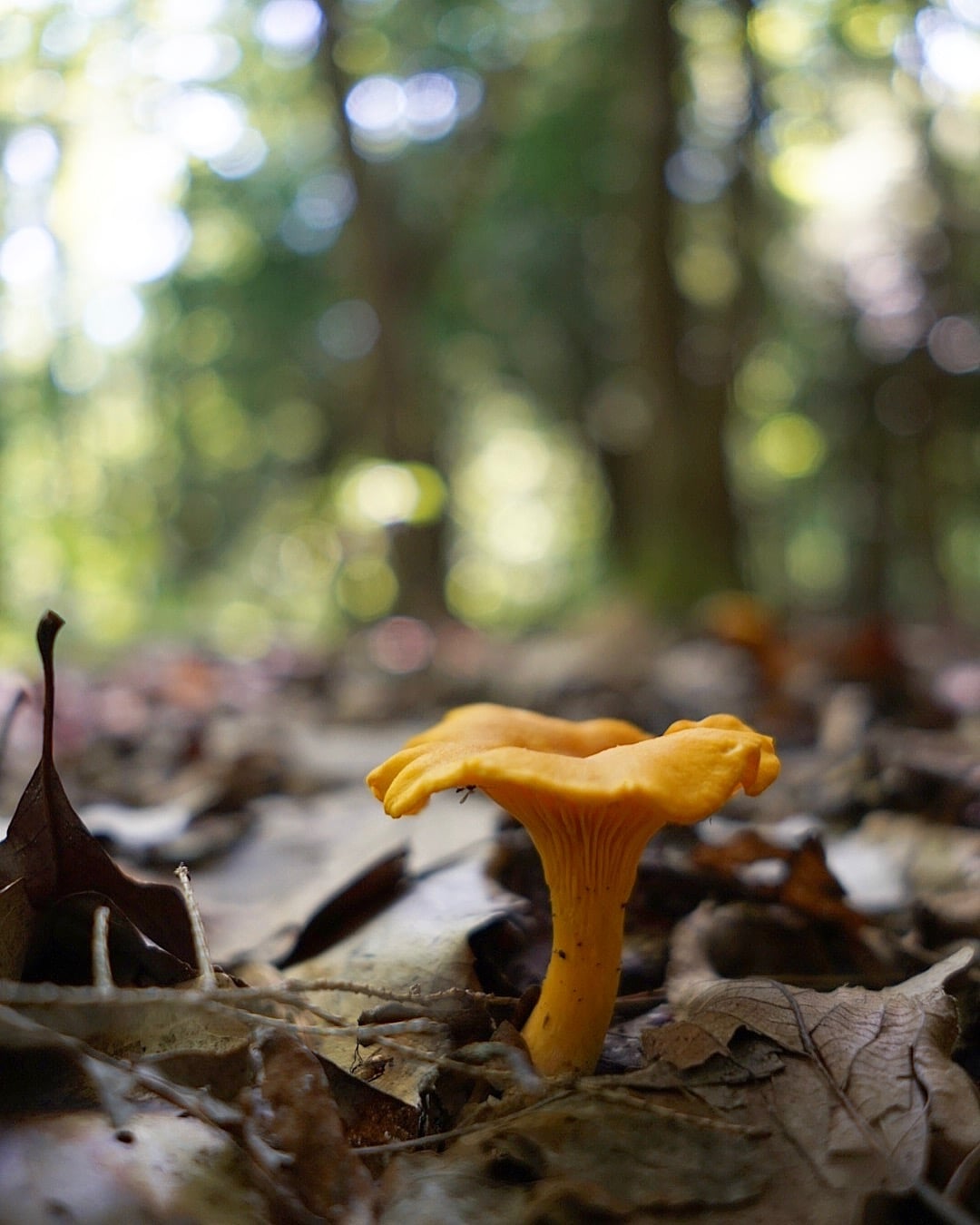
Key takeaways:
- Chanterelle mushroom season in Pennsylvania spans late June to September, peaking in July and August.
- Check promising habitat after soaking rains, then revisit it as conditions change; there is no fixed rain-to-mushroom countdown.
- Warm, moist summer conditions are a useful cue, not a reliable temperature formula.
- Look for suitable habitat in mature oak, beech and other hardwood forests.
- State forest land allows personal-use foraging without a permit.
When to Forage Chanterelles in Pennsylvania: The Season
Plan on looking from roughly June through September, with summer usually the main event. Timing changes with species, elevation, moisture and the year. The Western Pennsylvania Mushroom Club’s September–October 2021 newsletter, for example, reported abundant chanterelles in early summer—a useful reminder that local observations matter more than rigid dates.
Some years start earlier or later. A dry June pushes the first flush back. A wet, warm one can bring golden chanterelles Pennsylvania foragers out before the Fourth of July. Treat the calendar as a rough guide, never a guarantee.
What Triggers a Chanterelle Flush?
Chanterelles need moisture, but one heavy rain does not promise a flush on a particular day. Check suitable woods over the days that follow a soaking rain, and revisit them while the ground stays moist. A prolonged dry spell can mean a disappointing trip even during the usual peak months.
Warmth, shade, soil moisture and the condition of the patch all play a part. Watch the weather, but do not rule a day in or out because it misses a narrow temperature range.
Do not give up after one empty walk. A return visit can tell you more than a weather forecast, and established patches can fruit repeatedly when conditions cooperate.
Where to Look for Chanterelles in Pennsylvania
Look in mature oak, beech and other hardwood forests. Chanterelles partner with living tree roots rather than fruiting directly from dead logs. Moss, leaf litter and shaded slopes can help you recognize promising habitat, but none guarantees a harvest.
Pennsylvania’s state forest rules allow gathering edible wild plants or parts for personal or family use, subject to protected-species restrictions. State park rules allow edible fungi in reasonable amounts for personal or family consumption. Check with the specific land manager for closures or additional restrictions, and get permission on private property. National forest rules are separate; do not assume a Pennsylvania state-land rule applies everywhere. Collecting for sale is a different matter and requires checking both land-use and food-safety requirements.
South-facing slopes dry out faster after rain. If you are chasing an early flush, start on north-facing slopes, where moisture lingers longer. Once the season is in full swing, both tend to produce.
Building Your Own PA Mushroom Foraging Calendar
A general season window helps, but your own PA mushroom foraging calendar built from local rain will outperform it. Note the date of each significant summer rain. Then plan a trip for about a week later, and log what you find at that spot.
Over a season or two, this personal record beats generic guidance, because chanterelle timing depends on your specific forest, elevation and microclimate. Keep the log simple: date of rain, date you checked, what you found. Patterns show up fast.
Check the same patch of hardwood forest you scouted in a dry spell, now about a week after a soaking rain. Note whether the ground has stayed moist and what you actually find; do not dig into or disturb the patch to check it.
What Should You Do With an Early or Late Flush?
A flush outside the typical July-to-August window is not a sign you misjudged the season. It usually means the rain pattern ran early or late that year. Go out again about a week after any significant summer rain, right through September, instead of stopping the day the “peak” window closes on paper.
Confirm your identification every time before you pick, even in a patch you have harvested before. The site’s guide to foraging wild chanterelle mushrooms covers the false gills, solid flesh and growth habit that separate true chanterelles from look-alikes. Never eat a mushroom you identified from one feature or a single photo.
Pack a basket or paper bag, not plastic, so the mushrooms do not sweat on the walk back. Brush off debris in the woods, and leave young, unopened caps behind so the patch keeps producing. Once confirmed, recipes like chanterelle herb biscuits with pine nuts and chanterelle mushroom fondue put the harvest to use while it is freshest.
Once you bring a confirmed harvest home, my fresh chanterelle storage guide will help you decide what to refrigerate and what to preserve. Find more seasonal guides and recipes in the foraging hub.
FAQ
What month do chanterelles peak in Pennsylvania?
Chanterelles in Pennsylvania generally peak in July and August, after warm, humid weather and steady rain. Some years see a strong flush into early September if rain continues through the month.
Can you find chanterelles in Pennsylvania in June?
Yes. An early June flush happens if the month brings enough rain and warm days, though most of the state’s chanterelles show up from late June onward. Check suitable hardwood habitat after soaking rain and revisit while conditions stay moist.
Do you need a permit to forage mushrooms in Pennsylvania?
Personal-use gathering is generally allowed on Pennsylvania state forest land, and state parks permit reasonable amounts of edible fungi for personal or family consumption. Always check current rules and restrictions with the specific land manager. Private property, national forests and collecting for sale have separate requirements.
How long after rain do chanterelles appear in Pennsylvania?
There is no dependable fixed number of days. Start checking suitable habitat over the days following a soaking rain, then revisit it. Species, previous soil moisture, temperature and the length of any dry spell all affect what appears.
What does a chanterelle look like compared to a jack-o’-lantern mushroom?
True chanterelles have blunt, forked false ridges, not true gills, and grow singly or in loose groups from the ground near living hardwoods. The jack-o’-lantern mushroom is a toxic look-alike with true gills that often grows in tight clusters.
This article is general foraging information, not medical advice, and does not replace in-person identification by an experienced forager or mycologist before you eat any wild mushroom.