Healthy Stinging Nettle Soup Recipe
Spring greens are abundant. You don’t need to buy expensive spinach at the store. You might just need to step into your backyard. Stinging nettles are an iron-rich wild food hiding in plain sight. Making stinging nettle soup is the perfect way to enjoy them for free. It yields a comforting, nutrient-dense bowl that easily fits a low-carb diet.
Important safety note: Positively identify stinging nettles before harvesting and wear gloves while handling fresh plants. Harvest away from sprayed or contaminated areas, and cook or blanch nettles thoroughly to neutralize their sting. When uncertain, leave the plant in place.
Key takeaways:
- Steaming nettles, rather than boiling them in a large pot, keeps maximum flavor in your bowl.
- Wearing thick gloves is non-negotiable when harvesting to avoid the plant’s sting.
- You can easily adapt traditional recipes into a keto-friendly meal by skipping the potatoes and using rich bone broth.
What Is Stinging Nettle Soup?
This traditional spring dish has roots in Scandinavia and Northern Europe. For centuries, people have gathered young nettle buds to create a vibrant green broth. It tastes remarkably similar to an earthy spinach soup.
If the name makes you nervous, do not worry. The cooking process neutralizes the plant’s sting. Drying, soaking, or cooking the leaves removes the irritants entirely. Once steamed or sautéed, nettles behave exactly like any other tender leafy green.
(Image: a pot of bright green steamed nettles ready to be blended into broth, alt: ‘steamed stinging nettles in a cast iron pot’)
Impressive Nettle Soup Benefits for Your Health
Wild foods naturally pack serious nutrition. When you look at nettle soup benefits, the profile is impressive. Fresh nettles are rich in iron, vitamin A, and vitamin C. Traditional 18th-century medical books even noted their use for stopping hemorrhages and promoting urine flow.
Beyond basic vitamins, they act as a natural antihistamine. Many people with seasonal allergies find nettles help reduce their hay fever symptoms. Replacing standard greens with wild nettles delivers a massive boost of bioavailable nutrients. They also contain zero added carbohydrates. If you follow an anti-inflammatory protocol, adding these wild greens to your rotation makes sense.
Foraging Nettles Safely in Your Backyard
Gathering your own food is deeply rewarding. Foraging nettles just requires a bit of preparation to avoid the sting.
Always wear thick rubber or gardening gloves and long sleeves. Harvest the young, tender tops of the plants in early spring. Snip off just the first three to four inches. Avoid any hard stalks or roots. You must also harvest them before they go to seed. The seeds produce an irritant that can bother some folks.
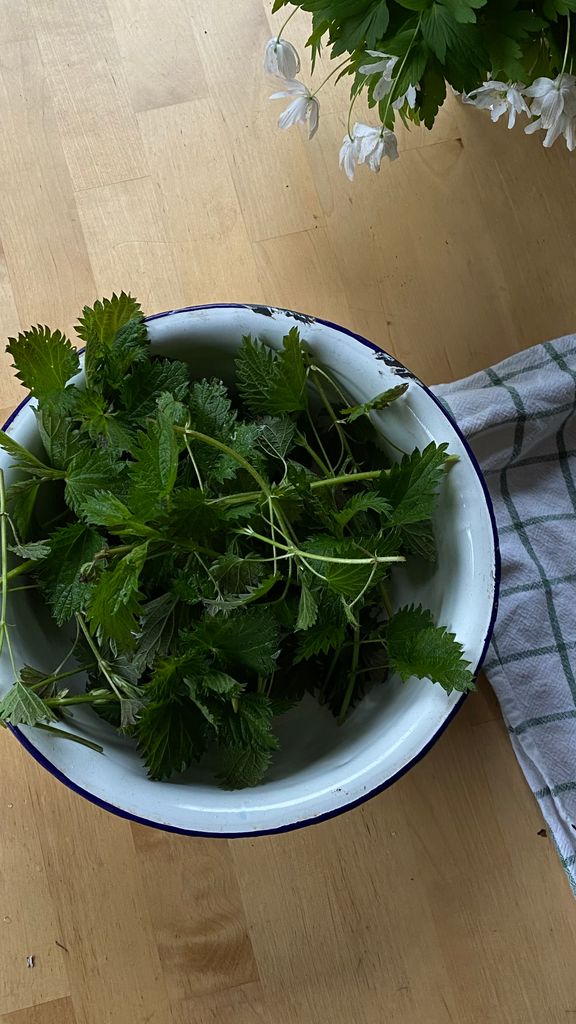
Look for them in areas of recently disturbed ground. They often grow low down and close to water. Old farmland is a classic place to spot them. To learn more about identifying other backyard superfoods, check out our guide to Dandelion and Other Wild Edible Plants. You can also try our Delicious Keto Dandelion Greens Recipe once your basket is full.
How to Make a Comforting Keto Nettle Soup
Traditional European recipes usually rely on potatoes or rice to thicken the broth. To make a thick keto nettle soup, we use healthy fats instead.
Start with a rich chicken or beef bone broth. In a heavy pot, sauté half a cup of diced onions in butter or ghee. Cook them until translucent. Add your young, washed nettle tops directly to the pot.
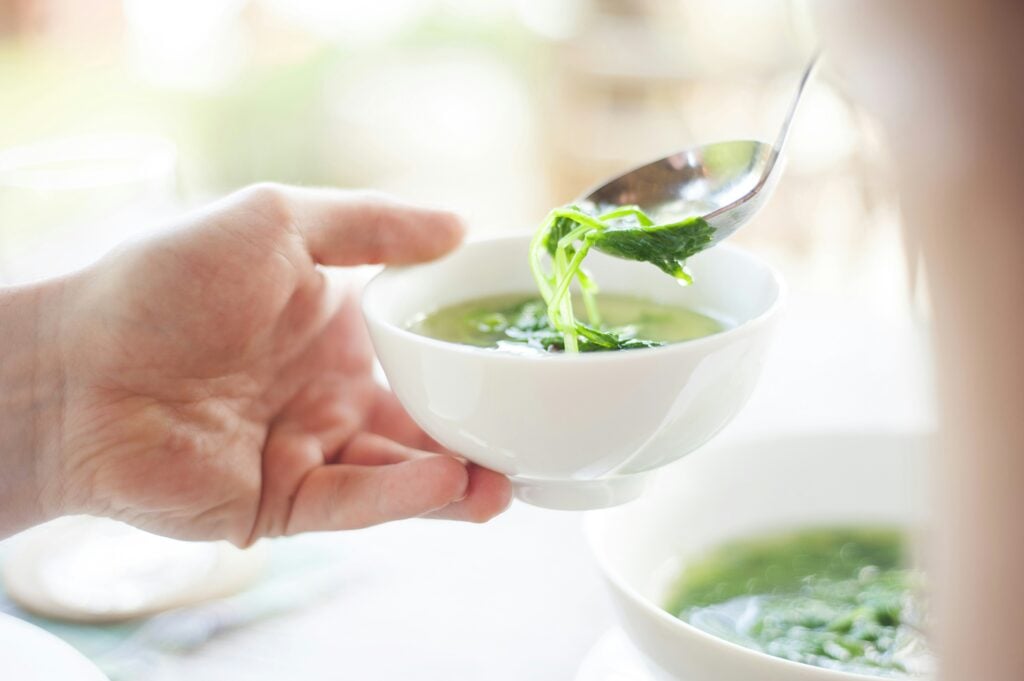
Pour in four cups of bone broth. Simmer everything gently for about ten minutes until the greens are tender. Use an immersion blender to puree the mixture into a smooth texture.
To thicken this low-carb soup without grains, grab a small bowl. Whisk two pasture-raised egg yolks, then temper them with a ladle of hot broth. Stir the warmed yolks back into the pot. This creates a creamy finish without a single gram of starch.
Common Mistakes When Preparing Wild Greens
Many older recipes instruct cooks to blanch nettles in boiling water, then shock them in ice. This is a mistake.
According to foraging expert Alan Bergo at Forager Chef, blanching leeches out the plant’s flavor. Instead, steam the nettles quickly in a tiny splash of water. You can also sauté them directly in butter. This ensures every bit of flavor stays in your bowl.
Another frequent error is trying to process tough, late-season stems. Stems harvested after May are often fibrous. No amount of blending will make them pleasant to eat. Stick to the tender tops for a smooth texture.
FAQ
Can You Freeze Fresh Stinging Nettles?
Yes. Wash the fresh nettles carefully with gloves on. Steam them for two minutes to remove the sting. Then, pack them tightly into freezer-safe containers. They work perfectly in soups all winter long.
What Does Stinging Nettle Soup Taste Like?
It tastes very similar to a deep, earthy spinach or kale soup. The grassy flavor pairs beautifully with rich bone broth, garlic, and onions.
Can I Eat Stinging Nettles Raw?
Technically yes, but only if you neutralize the sting first. You can achieve this by drying the leaves thoroughly. Soaking them in water or blending them also removes the sting.
How Long Does the Soup Last in the Fridge?
Store your homemade wild green soup in an airtight glass container. It will stay fresh in the refrigerator for up to four days. Reheat it gently on the stove over low heat.