Large Batch Basil Pesto Recipe for Freezing
There’s something about that first frost warning every fall that sends me into a last-minute garden harvesting frenzy. One minute I’m casually picking fresh herbs for dinner, and the next I’m looking at the weather forecast, realizing I have just a few days to do something with everything that’s still growing!
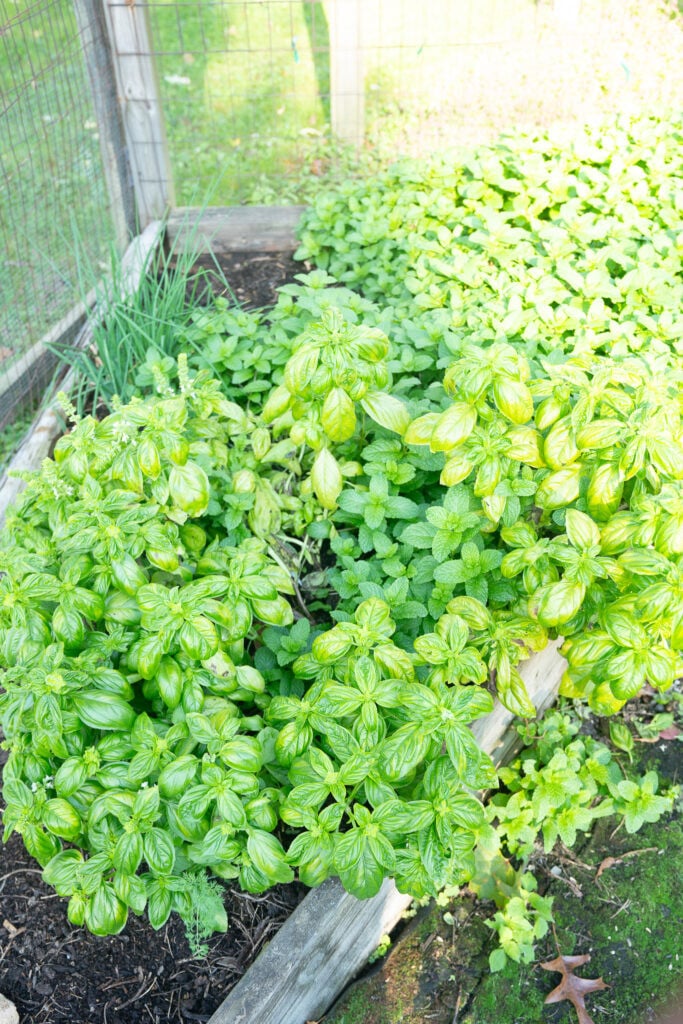
This year, my basil plants are absolutely beautiful, and there’s no way I’m letting all those gorgeous leaves go to waste. So today, I’m harvesting the last of our garden basil and turning it into a big batch of homemade pesto to tuck away in the freezer for winter.
Making basil pesto for freezing has become one of my favorite ways to preserve our garden harvest. It takes just a handful of ingredients, a food processor, and a little time spent washing and preparing the basil. Plus, nothing compares to homemade pesto made with fresh basil, real Parmesan cheese, garlic, pine nuts, and good olive oil.
And unlike many recipes that recommend leaving the cheese out until you’re ready to serve, I make my pesto completely finished before freezing. I’ve been doing it this way for years, and it works beautifully for us.
Why I Make a Large Batch of Pesto Every Fall
During the summer, having fresh basil growing right outside is such a luxury. I can grab a handful whenever I need it for a recipe, and there’s usually more than enough to share. But as the growing season comes to an end, I inevitably find myself with far more basil than we could possibly use fresh.
Basil is one of those plants that really doesn’t tolerate cold weather. Even chilly temperatures above freezing can damage the leaves, and once we get our first hard frost here in Pennsylvania, that’s pretty much the end of it.
Rather than letting the remaining basil go to waste, I harvest everything worth saving and preserve it for later. We’ve used several methods over the years, including dehydrating, freeze-drying, and freezing fresh herbs, but homemade pesto is definitely one of my favorites.
I love having containers of pesto ready to pull out whenever we want a quick pasta dinner, a flavorful addition to roasted vegetables, or something delicious to spread on chicken or fish. It’s one of those little things that makes cooking during the winter feel a bit more like summer.
For the rest of your harvest, here are my 5 ways to preserve fresh basil before the first frost.
How Much Basil Do You Need to Make a Large Batch of Pesto?
Most homemade pesto recipes call for just 2 cups of fresh basil. That’s perfectly fine if you’re making pesto for dinner tonight, but when you’re staring at a garden full of basil that needs to be harvested before the frost, a small batch isn’t going to accomplish much!
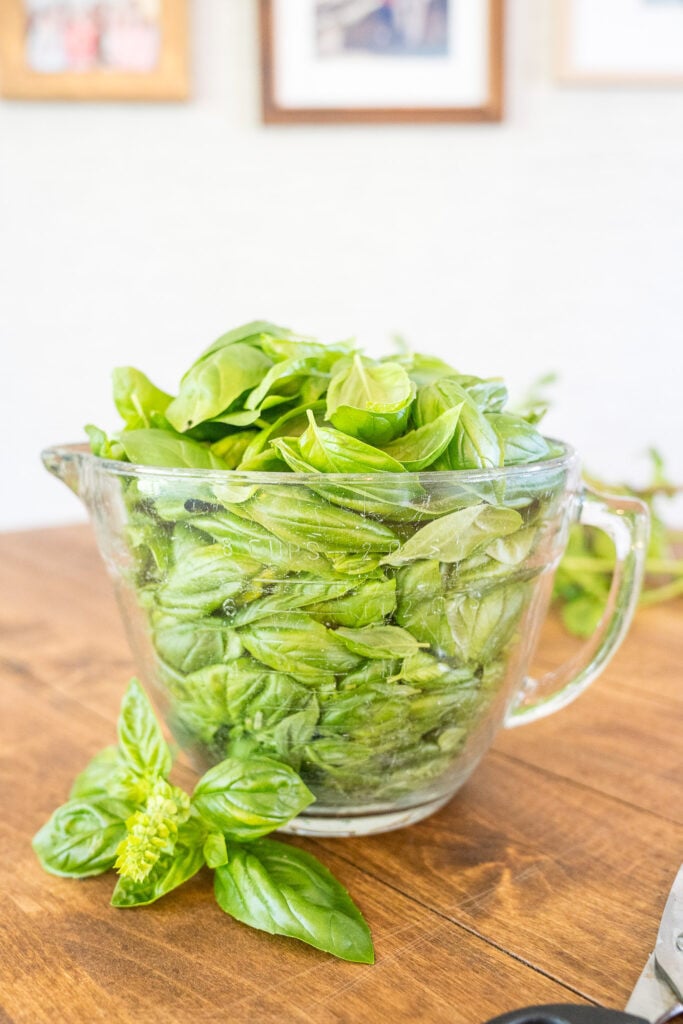
My large batch pesto recipe starts with approximately 8 cups of fresh basil leaves, loosely packed. That might sound like an enormous amount, but once everything is processed with the olive oil, pine nuts, garlic, and Parmesan, it reduces considerably. Depending on the amount of olive oil you use and how densely your basil is packed, this recipe should make approximately 3 to 4 cups of finished pesto.
That’s enough for roughly six to eight ½-cup freezer portions, which is a wonderful little stash to have waiting in the freezer.
Harvesting Fresh Basil Before the First Frost
When I’m harvesting basil specifically for pesto, I don’t worry about delicately picking a few leaves here and there. At this point in the season, I’m usually cutting entire healthy stems and bringing them inside to process.
Once everything is indoors, I remove the leaves from the thicker stems and sort through them, discarding anything that’s damaged, discolored, or looking a little past its prime. Also discard any tops that went to flower.
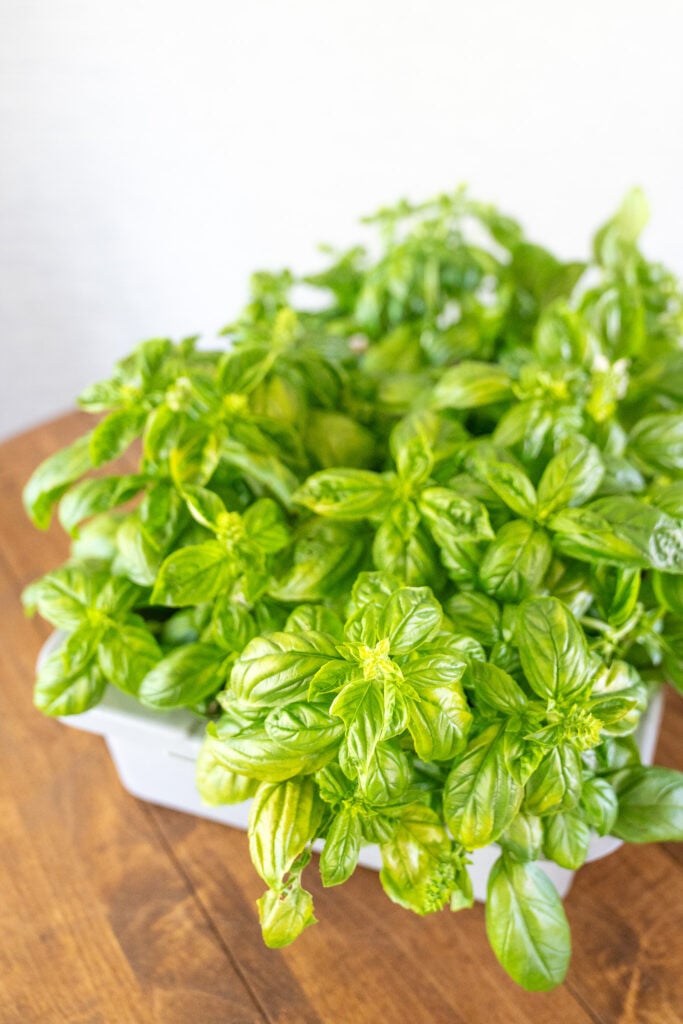
I prefer harvesting before the temperature drops too low because cold-damaged basil can quickly turn dark and lose that beautiful fresh flavor. If you grow your own herbs, I definitely recommend keeping an eye on the nighttime forecast as fall approaches. You don’t necessarily need to wait for an official frost warning to start preserving your basil.
And if pesto isn’t your thing, there are several other ways to preserve your fresh basil harvest for later use.
How I Wash and Dry Fresh Garden Basil
One thing I never skip when making pesto from our homegrown basil is giving the leaves a thorough cleaning. Even when the plants look perfectly clean, there’s usually a little dirt, pollen, or the occasional tiny bug hiding among the leaves.
I start by removing the leaves from the stems and rinsing them gently in cool water. You don’t need to scrub or aggressively handle the leaves; a gentle rinse and swish through clean water is usually enough to remove any garden debris. After washing, I transfer the basil to my salad spinner to remove as much excess moisture as possible.
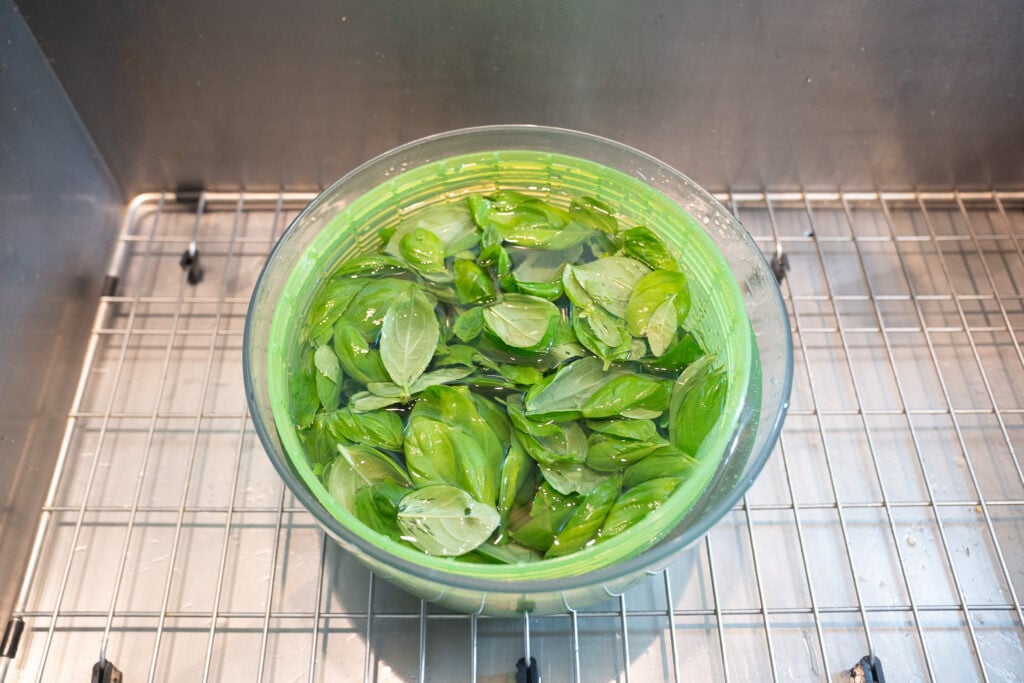
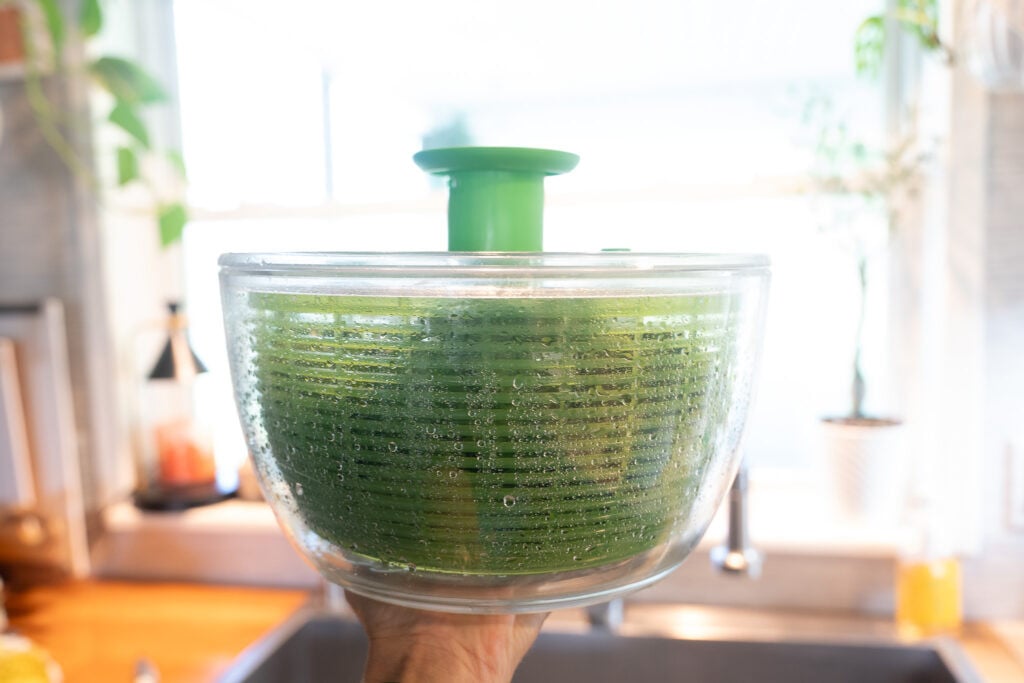
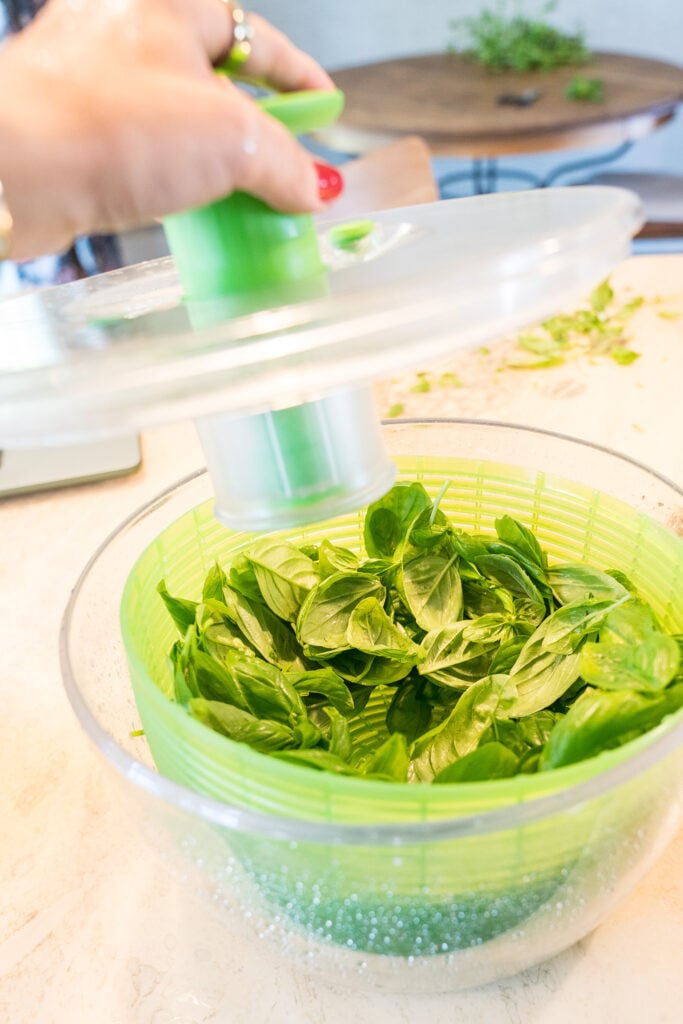
Getting the basil thoroughly dry is important, especially when you’re making pesto to freeze. Too much water can dilute the flavor and affect the texture of the finished pesto. A salad spinner makes this process so much easier when you’re working with several cups of fresh herbs. After spinning, I’ll sometimes spread the leaves on clean kitchen towels to absorb any remaining moisture before adding them to the food processor.
It takes a few extra minutes, but it’s worth it.
Ingredients for Homemade Basil Pesto
One of the things I love most about homemade pesto is how simple the ingredients are. There really isn’t anything complicated here, which is exactly why I think using quality ingredients makes such a difference.
Fresh Basil
Obviously, fresh basil is the star of this recipe. I use sweet basil from our garden, but you can make this recipe with fresh basil from your local farmers market or grocery store, too. You’ll need approximately 8 cups of loosely packed leaves for this large batch. Don’t worry about getting the measurement absolutely perfect; pesto is surprisingly forgiving, and you can adjust the other ingredients to suit your taste.
Pine Nuts
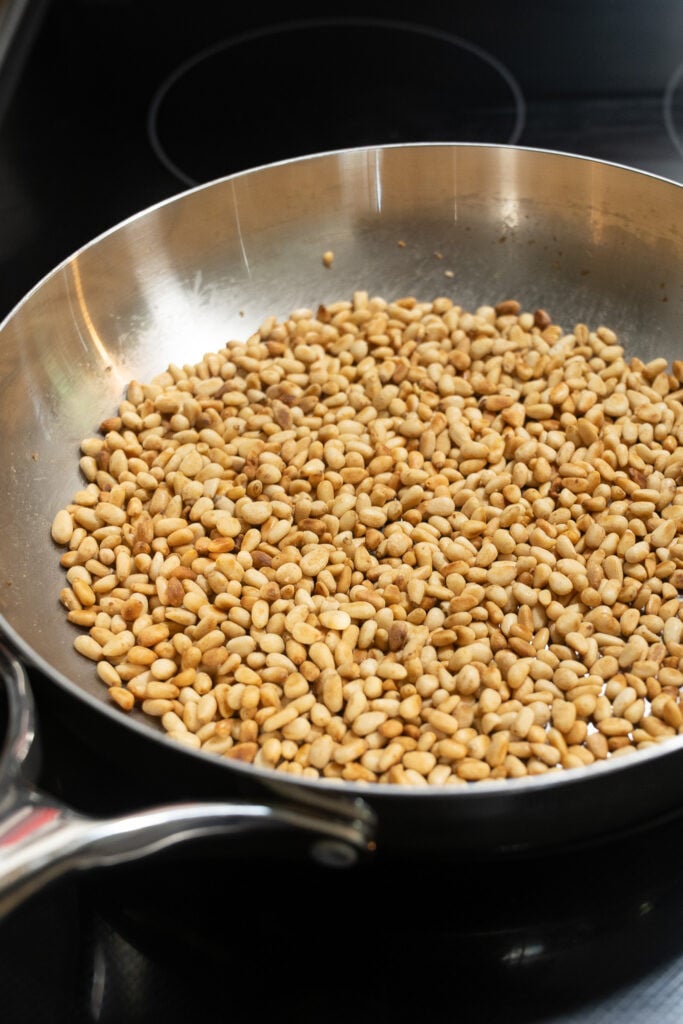
Traditional basil pesto gets its rich, nutty flavor from pine nuts, and they’re absolutely worth using if you can get them. For this large batch, I’m starting with approximately 5 to 6 ounces of pine nuts. I prefer lightly toasting them before adding them to the food processor because it brings out their natural flavor.
Just keep a close eye on them! Pine nuts are expensive, and they can go from perfectly golden to burned in what feels like seconds.
Freshly Grated Parmesan Cheese
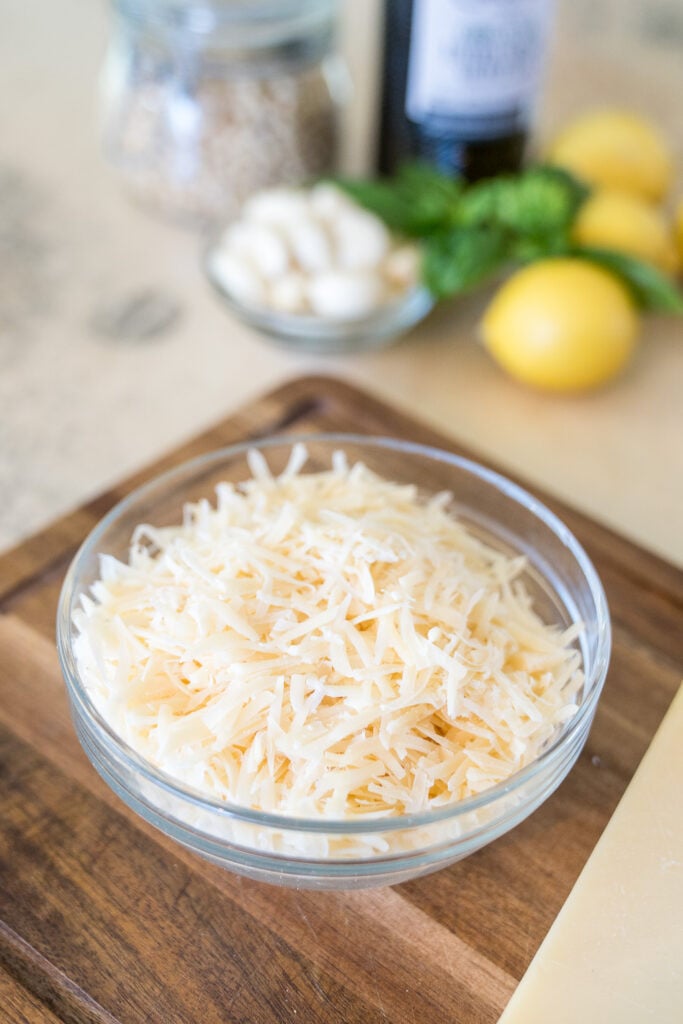
Please don’t use that powdered Parmesan cheese in the green container. And while we’re at it, I’d skip the bags of pre-shredded Parmesan, too. I always recommend buying a block of good-quality Parmesan and grating it fresh. Not only does freshly grated Parmesan taste better, but you also avoid the anti-caking ingredients commonly added to packaged grated cheeses.
I’m using 8 ounces of freshly grated Parmesan for this recipe, adjusting the amount based on the flavor and consistency of the finished pesto. You can use authentic Parmigiano-Reggiano if you want to keep things traditional, but a good-quality block of Parmesan works beautifully, too.
Fresh Garlic
I love garlic, but there’s definitely a balance when making pesto. Since the garlic is raw, its flavor can be pretty assertive, especially after the pesto has had a chance to sit.
My recipe uses 8 large garlic cloves, but you can start with 6 if you prefer a milder pesto. Depending on the size and strength of your garlic, you may find that you prefer a little less or a little more.
Extra Virgin Olive Oil
Olive oil is another ingredient where quality really matters. Because pesto isn’t cooked, you’ll taste the olive oil in the finished sauce. I recommend using an extra virgin olive oil that you enjoy the flavor of on its own. Something fruity and slightly peppery works beautifully with the fresh basil and Parmesan.
Since I’m making this batch specifically for freezing, I don’t want the pesto to be overly thin or oily. I’ll start with approximately 1 cup of olive oil and add more as needed, usually ending up somewhere between 1 and 1½ cups. You can always add more olive oil later when you’re ready to serve it.
Fresh Lemon Juice
I like the brightness of fresh lemon juice in this batch. Juice one medium lemon and add it to taste; it can help slow browning, but it does not make homemade pesto safe for pantry storage.
Salt
Between the Parmesan and the other flavorful ingredients, you may not need as much salt as you think. I prefer tasting the finished pesto before adding additional salt, then adjusting as necessary.
How to Make Large Batch Basil Pesto in a Food Processor
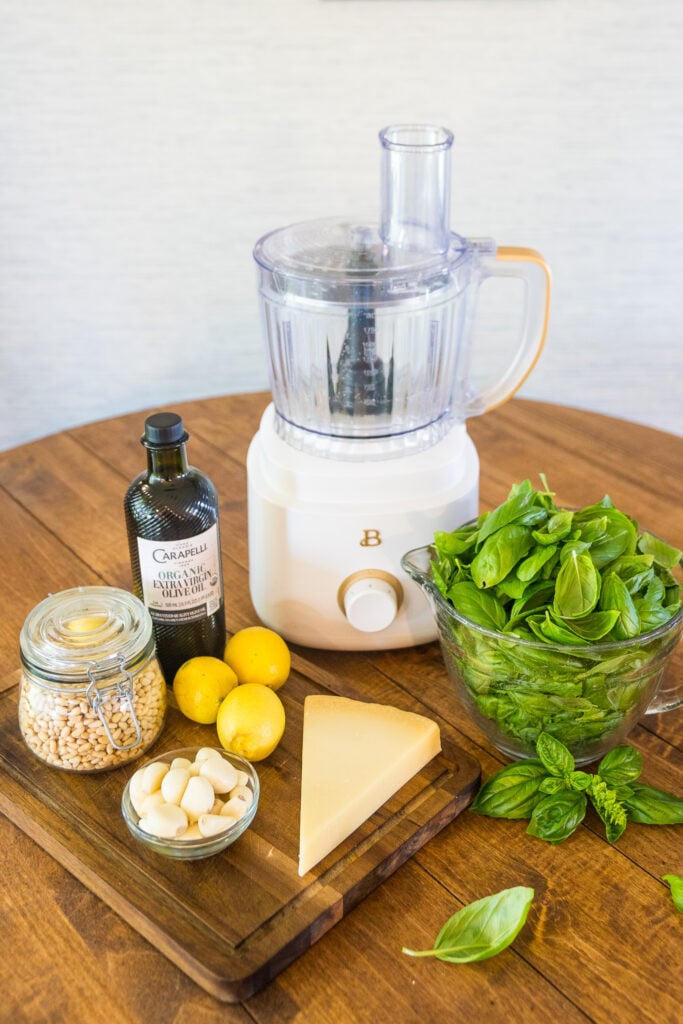
While traditional pesto is made with a mortar and pestle, I’m definitely not standing in my kitchen grinding 8 cups of basil by hand! For this recipe, I’m using my Beautiful by Drew Barrymore food processor, which makes quick work of preparing homemade pesto.
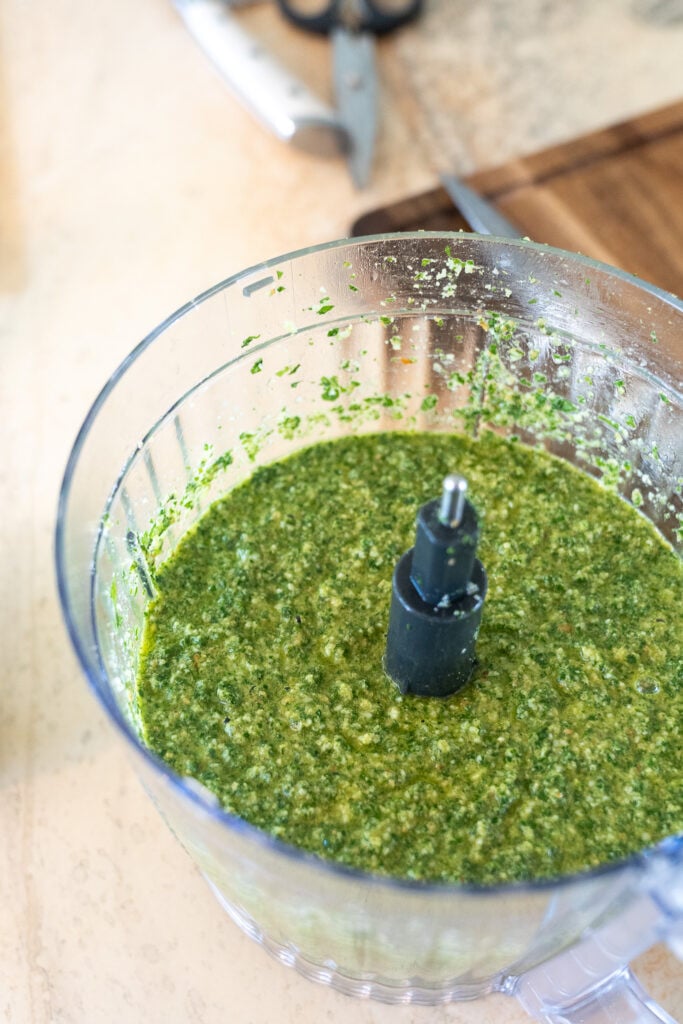
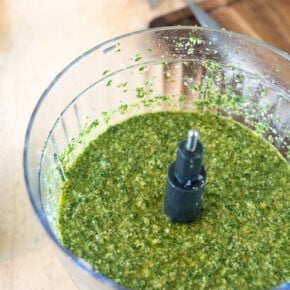
One thing to remember when using a food processor is that you don’t want to blend everything into a completely smooth green purée. I prefer pesto that still has a little texture, with tiny pieces of basil, pine nuts, and Parmesan throughout.
Preparing the Pine Nuts and Garlic
I start by lightly toasting the pine nuts in a dry skillet over medium-low heat, stirring frequently until they’re fragrant and just beginning to turn golden. Once toasted, I transfer them to a plate to cool completely. Adding hot pine nuts to fresh basil isn’t ideal when you’re trying to preserve that beautiful green color.
Next, I add the garlic and cooled pine nuts to the food processor and pulse until finely chopped.
Adding the Fresh Basil
Next comes the basil! With 8 cups of fresh leaves, you’ll probably need to add the basil in batches, depending on the capacity of your food processor. I add a few handfuls at a time, pulsing just enough to break down the leaves before adding more.
There’s no need to run the food processor continuously. Short pulses give you much more control over the texture and help prevent the ingredients from becoming unnecessarily warm.
Adding the Parmesan and Olive Oil
Once the basil has been roughly chopped, I add the freshly grated Parmesan and begin incorporating the olive oil. I like to add the olive oil gradually rather than dumping it all in at once. This makes it easier to control the consistency, especially since I’m preparing this batch for the freezer. Continue pulsing until everything is well combined, scraping down the sides of the processor as necessary.
The finished pesto should be thick but spoonable, with a slightly textured consistency. Give it a taste and adjust the Parmesan, garlic, olive oil, or salt until you’re happy with the flavor. This is when I add my freshly squeezed lemon juice, to taste. And don’t be afraid to make it your own. Pesto isn’t something that requires laboratory-level precision!
Can You Freeze Pesto with Parmesan Cheese?
YES! And this is one of those things where I do what has worked for me over the years, even though plenty of recipes recommend doing it differently. If you search for instructions on freezing homemade pesto, you’ll find lots of recommendations to leave out the Parmesan and add it after thawing. The reasoning is that cheese can sometimes change texture during freezing and thawing.
While that’s certainly possible, I’ve always made my pesto with the Parmesan already mixed in before freezing, and I’ve been happy with the results. I love the convenience of having completely finished pesto ready to use. There’s no need to grate additional cheese or mix in more ingredients when I’m trying to get dinner on the table.
For us, freezing pesto with Parmesan included is simply easier, and I haven’t found a compelling reason to change what works.
The Best Way to Freeze Homemade Basil Pesto
After making a large batch of pesto, the next step is portioning it out for the freezer. While you’ll see plenty of recommendations for freezing pesto in ice cube trays, that’s not my preferred method. Instead, I use Rubbermaid Brilliance ½-cup food storage containers.
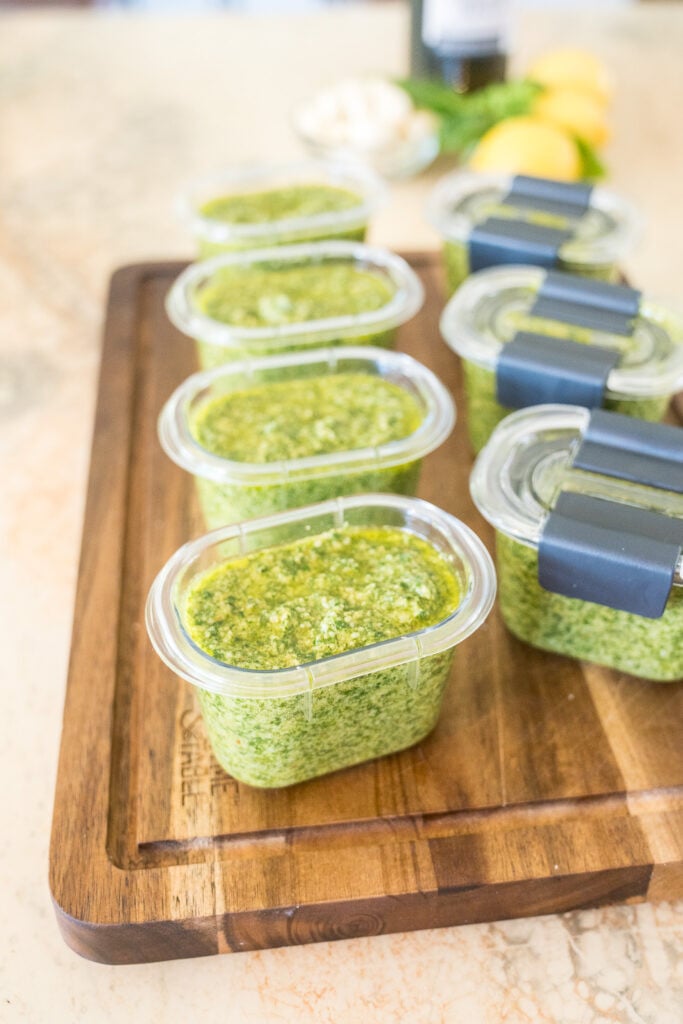
I love these little containers because they’re reusable, easy to stack, and have secure lids that help limit exposure to air. The half-cup size also happens to be incredibly convenient for the way we use pesto. Ice cube trays certainly work, especially if you want tiny portions, but I prefer keeping my pesto sealed in individual containers rather than dealing with open trays or transferring frozen cubes into bags.
Of course, properly packaged frozen pesto cubes can also maintain excellent quality. The important thing is minimizing air exposure and keeping everything securely frozen.
Portioning Pesto for the Freezer
Once the pesto is finished, I divide it evenly between my clean, freezer-safe ½-cup containers. I leave a little room at the top for expansion during freezing, then smooth out the surface of the pesto. If desired, you can add a very thin layer of olive oil over the top to help reduce contact with oxygen and minimize browning.
After sealing the containers, I label them with the date and transfer them directly to the freezer. That’s it! No blanching, no canning, and no complicated preservation process.
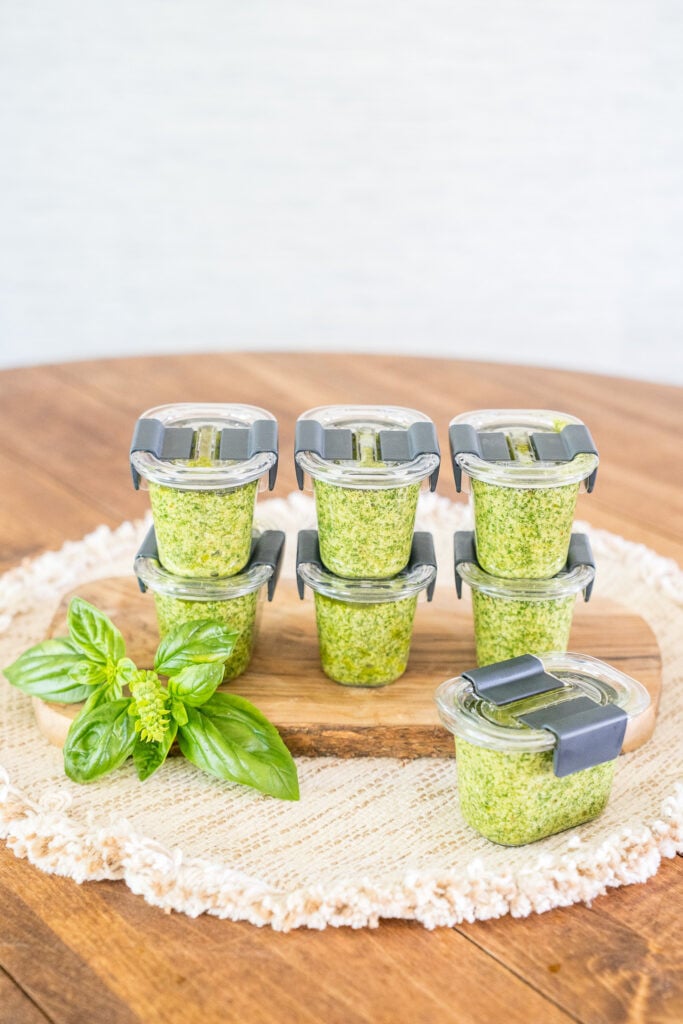
Important: Homemade pesto contains fresh garlic and herbs in oil, so it should never be stored at room temperature. Refrigerate it promptly at 40°F or below and use within four days, or freeze promptly for longer storage. There is no research-tested home-canning process for pesto.
How Long Does Homemade Pesto Last in the Freezer?
For the best flavor and quality, I recommend using homemade frozen pesto within approximately 3 to 6 months. Properly packaged pesto that’s kept continuously frozen at 0°F can remain safe longer, but its fresh basil flavor and beautiful green color may gradually decline over time. That’s another reason I like freezing pesto in small portions. I can thaw only what we need while leaving the remaining containers undisturbed.
How to Thaw Frozen Basil Pesto
When I’m ready to use a container of homemade pesto, I simply transfer it from the freezer to the refrigerator and allow it to thaw. If I’m planning ahead, I’ll move a container into the refrigerator the night before. Keep thawed pesto refrigerated and use it within four days.
Once thawed, the olive oil may separate slightly from the other ingredients. That’s completely normal, and a quick stir usually brings everything back together. If the pesto seems too thick, I add a little extra olive oil or, when making pasta, a splash of warm pasta cooking water. I don’t recommend aggressively heating pesto, since prolonged high heat can dull the fresh basil flavor and affect the texture of the cheese.
For pasta, I prefer tossing the pesto with freshly cooked noodles off the heat, adding a little pasta water until everything is nicely coated. And just like that, we have a little taste of summer in the middle of winter.
My Favorite Ways to Use Frozen Basil Pesto
Of course, pasta is probably the first thing most people think of when it comes to pesto, but there are so many other delicious ways to use it. I love stirring a spoonful into soups, spreading it over grilled chicken, or adding it to roasted vegetables. It’s also delicious with fresh mozzarella and tomatoes, mixed into a creamy dressing, or spread onto a sandwich.
Pesto is particularly wonderful with roasted potatoes, seafood, and just about anything that could use a little extra garlic and fresh herb flavor. And because I’ve already portioned it into convenient ½-cup containers, I can easily thaw exactly what I need for whatever we’re making.
Can You Make Pesto Without Pine Nuts?
Absolutely. While pine nuts are traditional, they’re also one of the more expensive ingredients in homemade pesto. If you’re making several batches, the cost can add up pretty quickly. Walnuts are probably my favorite alternative, but you can also experiment with almonds, pistachios, or sunflower seeds. Each will give the pesto a slightly different flavor and texture, so keep that in mind when making substitutions.
For this particular recipe, I’m sticking with pine nuts because I love their delicate flavor with fresh basil and Parmesan.
Why Does Homemade Basil Pesto Turn Brown?
If you’ve ever made fresh pesto and noticed the beautiful bright green color becoming darker, you’re not alone. Basil contains compounds that react with oxygen after the leaves are cut or bruised, which can cause browning. This is completely normal, but there are a few things you can do to help preserve that fresh green color.
I start with healthy basil leaves, dry them thoroughly after washing, and avoid overprocessing them in the food processor. Keeping the ingredients relatively cool also helps. Once the pesto is finished, I portion and freeze it promptly rather than leaving it sitting on the kitchen counter. A thin layer of olive oil on top can help limit oxygen exposure, although it won’t completely prevent color changes.
I add fresh lemon juice to taste in this recipe for a little brightness and to help slow browning. Even with lemon, pesto still needs prompt refrigeration or freezing. A little darkening can be oxidation, but color and smell cannot tell you whether pesto is safe. Follow the storage times above, and discard pesto that has been mishandled.
Frequently Asked Questions About Freezing Basil Pesto
Do I need to blanch basil before making pesto?
No, blanching isn’t necessary for this recipe. I use fresh, thoroughly washed and dried basil leaves straight from our garden. Blanching is sometimes used to help preserve the color of basil, but I prefer the fresh flavor of uncooked leaves in homemade pesto.
Can I freeze pesto in glass jars?
Yes, but make sure you’re using jars specifically designed for freezer use. Leave adequate headspace for expansion, and avoid using decorative or narrow-shouldered glass jars that aren’t intended for freezing.
Can I freeze pesto without olive oil?
You can freeze chopped basil without oil, but that produces something quite different from traditional pesto. Olive oil contributes to pesto’s flavor and consistency, so I wouldn’t leave it out of this particular recipe.
Can I make pesto with frozen basil?
Yes, although the texture and color may be different from pesto made with freshly harvested leaves. If you already have frozen basil, it’s generally best to use it without fully thawing first, since thawed basil becomes soft and releases moisture.
How much pesto should I freeze per container?
That depends on how you plan to use it. I prefer ½-cup portions because they’re convenient for our household, but you might prefer smaller containers if you’re usually adding pesto to individual servings or using it as a condiment.
Can I double this large batch pesto recipe?
Absolutely! In fact, if you have a garden full of basil to use before the first frost, you may end up making several batches. I recommend processing the ingredients in manageable batches rather than overcrowding your food processor.
Preserving the Last of Our Garden Basil
There’s always something a little bittersweet about harvesting the last of the garden before winter. As much as I enjoy the slower pace that comes when gardening season is over, I’m never quite ready to say goodbye to all those fresh herbs and vegetables we’ve enjoyed throughout the summer. Making a big batch of homemade basil pesto is one of my favorite ways to stretch the harvest just a little longer.
And come January, when there’s snow on the ground and the garden is completely dormant, I’ll be especially happy to have a few containers of our homegrown basil pesto waiting in the freezer. If you’re looking for more ways to preserve your garden harvest, be sure to check out my other food preservation recipes and tutorials, including dehydrating and freeze-drying.
RELATED READING:
- 5 Reasons Freeze Drying Is the Healthiest Way to Preserve Food at Home
- How to Make Dehydrated Celery and Celery Salt
- Basil Lime Vinaigrette
Large Batch Basil Pesto Recipe for Freezing
Equipment
Ingredients
- 8 cups fresh basil leaves loosely packed, washed and thoroughly dried
- 1 cup pine nuts lightly toasted (5-6 ounces)
- 8 ounces Parmesan cheese freshly grated
- 8 large cloves fresh garlic peeled
- 1.5 cups extra virgin olive oil or as needed
- 1 medium Lemon, juiced
- Sea salt to taste

Instructions
- Prepare the basil. Remove the basil leaves from the stems and discard any damaged leaves. Rinse thoroughly in cool water and dry completely using a salad spinner and clean kitchen towels.
- Toast the pine nuts. Add the pine nuts to a dry skillet over medium-low heat. Toast for approximately 3–5 minutes, stirring frequently, until lightly golden and fragrant. Remove from the heat and allow to cool completely.
- Process the nuts and garlic. Add the cooled pine nuts and peeled garlic cloves to a food processor. Pulse several times until finely chopped.
- Add the basil. Working in batches as needed, add the fresh basil leaves and pulse until roughly chopped. Scrape down the sides of the food processor between additions.
- Add the Parmesan. Add the freshly grated Parmesan cheese and pulse briefly to combine.
- Incorporate the olive oil. With the food processor running on low or using short pulses, gradually add approximately 1 cup of olive oil. Continue adding more as needed until the pesto reaches your desired consistency.
- Season to taste. Add the freshly squeezed lemon juice gradually, then taste and adjust the garlic, Parmesan, olive oil and salt as desired. Pulse briefly to combine.
- Portion for freezing. Divide the pesto between clean, freezer-safe ½-cup airtight containers, leaving a little room for expansion. Smooth the surface and optionally add a very thin layer of olive oil to limit exposure to air.
- Freeze. Seal tightly, label with the date, and freeze promptly. For the best flavor and quality, use within 3–6 months.
- To serve. Thaw overnight in the refrigerator. Stir well before using, adding extra olive oil or a splash of warm pasta cooking water if desired. Keep refrigerated at 40°F or below and use within four days after thawing.