Oyster Mushroom Foraging: Identification & Recipes
Oyster mushroom foraging is about more than spotting a pretty cluster on a log. Before anything goes into the basket, you need to identify the mushroom, the wood it is growing on and the lookalikes in your area. Once that work is done, oysters are a wonderfully versatile mushroom to bring into the kitchen.
Important Foraging Safety Notice
Foraging mistakes can cause serious illness or death. This post shares educational information and personal experience. It does not identify your finds or confirm they are safe to eat.
You are responsible for what you harvest, prepare, eat, and serve. Have all wild foods identified and confirmed edible by a qualified local expert before consuming them. Never eat anything you cannot reliably identify.
Read the full Foraging Safety & Disclaimer before using this post.
This guide covers the familiar gray, tan and pale oyster mushrooms in the Pleurotus group, with identification details to study and ideas for cooking an expertly confirmed harvest. For the bigger picture, start with our foraging guides and wild-food recipes.
The short version:
- Check the entire mushroom and its substrate, not just a photograph or cap color.
- Pale gills running down the stem are a useful clue, not proof of identity.
- Angel wings and other shelf-like fungi deserve particular attention.
- Oyster mushroom season depends on the species, region and weather.
- Have unfamiliar finds checked by a qualified local mushroom expert before cooking them.
Oyster Mushroom Foraging: How to Identify Them in the Wild
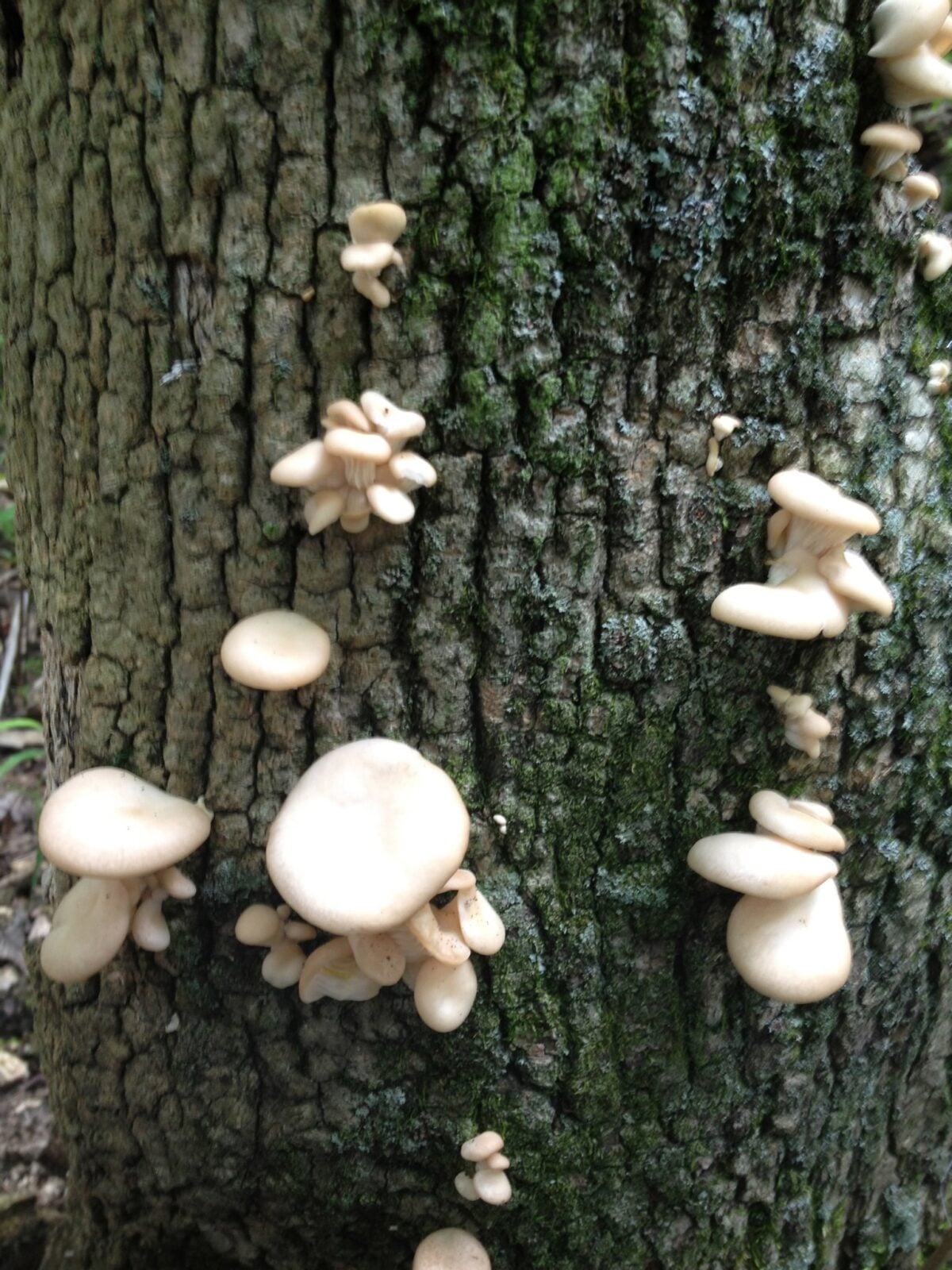
Oyster mushrooms often form overlapping shelves on logs, stumps and tree trunks. Caps may be fan-shaped or more rounded, with thick, pale flesh and a short, off-center stem. A stem can also be nearly absent. The Missouri Department of Conservation’s oyster mushroom guide describes these features for P. ostreatus and P. pulmonarius.
Turn the mushroom over. The underside should have gills rather than pores or teeth. In typical specimens, those gills continue down the stem; that attachment is called decurrent. Take photographs of the cap, underside, whole stem and host wood before removing a specimen for expert review.
A spore print is another piece of the puzzle: oyster prints are generally whitish to pale lilac. It does not establish edibility by itself. Smell is also variable, so a faint anise-like odor is not an identification test. Michael Kuo’s description of Pleurotus ostreatus explains why closely related oysters can overlap in appearance.
Don’t use this list as permission to eat a find. Check several reliable regional references and get an in-person identification from someone qualified to identify the species.
Oyster Mushroom Lookalikes to Know Before You Pick
The University of Florida’s oyster mushroom guide highlights several lookalike groups. They are more useful to learn than a blanket rule about color.
- Angel wings (Pleurocybella porrigens): pale, shelf-like mushrooms with thinner flesh that can resemble oysters. They have been associated with fatal poisonings. Do not collect them for the table.
- Crepidotus species: small, wood-growing mushrooms that may look oyster-like but produce brown spore prints.
- Other shelf-like fungi: some Hohenbuehelia, Lentinus and other genera can be confusing. Texture, gills and microscopic features may be needed to separate them.
Smell and color are clues, not yes-or-no safety tests. Mushroom color, size and shape vary. A mushroom doesn’t become safe because it fits one appealing detail, and cooking will not make an unidentified mushroom safe.
When Is Oyster Mushroom Season?
There isn’t one oyster season for every species. P. ostreatus is associated with cooler weather, while the often-paler P. pulmonarius can appear in warmer months. Moisture, local climate and the species matter more than a fixed calendar date.
Here in Pennsylvania, oysters belong on the list of mushrooms to learn for cool-weather walks. Our fall foraging guide puts them alongside other autumn finds. Take notes about the date, recent weather and host tree, but don’t let the season stand in for identification.
How Should You Harvest Oyster Mushrooms?
First, check that collecting is permitted and get the identification settled. Take only what you can use, leave some mushrooms behind and avoid damaging the wood. A basket or breathable container keeps a harvest from being crushed on the walk home.
Choose fresh, firm specimens. Leave slimy, moldy, badly insect-damaged or deteriorating mushrooms where they are. Skip contaminated sites and flood-affected harvest areas; a mushroom’s appearance cannot establish that the site is clean.
Brush off loose debris and trim the tough attachment point. Check between the gills for insects. Keep different collections separate until each has been identified, and refrigerate your edible harvest promptly.
What Are the Best Wild Oyster Mushroom Recipes?
A hot skillet is a good place to start. Trim away tough bases and tear or slice the tender portions into manageable pieces. Cook in batches rather than piling everything into one crowded pan; that gives moisture room to evaporate before the mushrooms brown.
Butter or olive oil, garlic and a little salt are plenty for a simple preparation. Cook the mushrooms thoroughly, not just until the outside takes on color. Try a small portion the first time you eat a correctly identified species, since even edible mushrooms can disagree with someone.
For more ways to use the harvest:
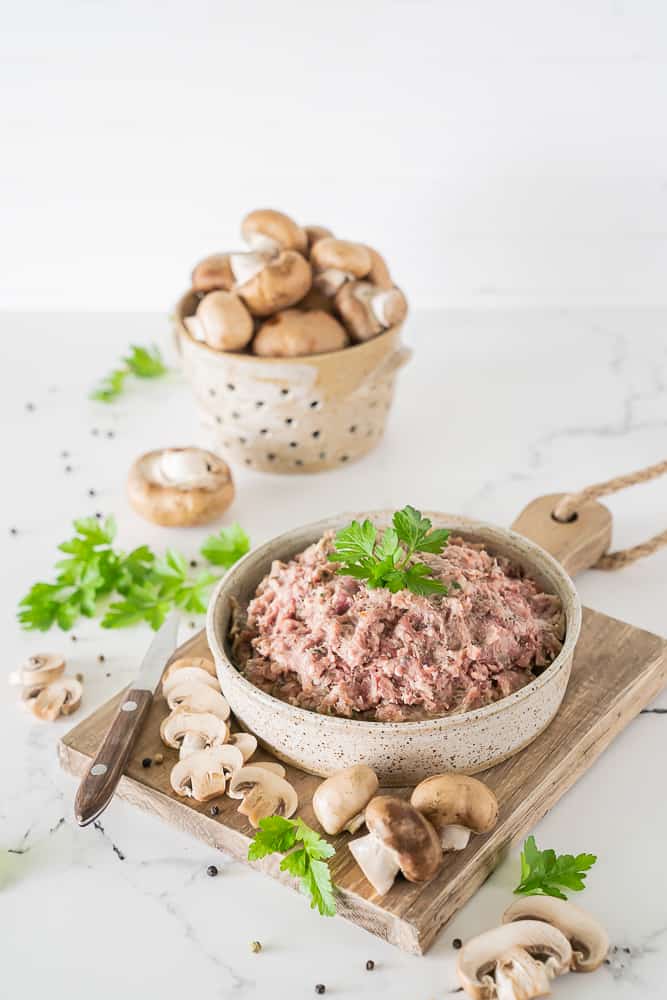
- All-purpose mushroom meat mixture works with a variety of edible culinary mushrooms. Follow its preparation instructions and use it for meatballs, meatloaf or stuffed peppers.
- Wild mushroom broth is a useful destination for properly dried edible mushrooms. Use only correctly identified edible culinary species in your cooking-mushroom mix.
These are adaptable mushroom recipes, not recipes that require oysters exclusively. Keep the mushroom’s texture in mind when making substitutions.
How to Store a Fresh Oyster Mushroom Harvest
Store cleaned, unwashed mushrooms in a paper bag or another suitable breathable container in the refrigerator. Avoid trapping wet mushrooms in a sealed plastic bag. Check them regularly and discard any that develop mold, slime or an off odor.
For longer storage, cook the mushrooms before freezing, or dry them thoroughly using appropriate equipment. Label the species and date. Our winter storage guide for foraged foods covers keeping a useful, organized pantry. Drying or freezing is not a substitute for correct identification.
Oyster Mushroom Foraging FAQ
Does an anise smell prove a mushroom is an oyster?
No. Odor varies and cannot establish identity or edibility. Consider the entire specimen and get qualified local confirmation.
Are all white mushrooms growing on logs edible oysters?
No. Several unrelated fungi share that appearance. White color, wood growth and descending gills are not enough to identify a mushroom safely.
Can oyster mushrooms grow in summer?
Yes. Some oyster species fruit in warmer weather. A summer find still needs a complete identification; it shouldn’t be labeled P. ostreatus just because it resembles a winter oyster.
Can you eat wild oyster mushrooms raw?
Cook a correctly identified harvest thoroughly. If identification is uncertain, don’t eat it raw or cooked.