What to Forage for in Fall: Maitake, Lion’s Mane, Puffballs & Autumn Wild Edibles
By September, our Pennsylvania woods begin changing again. The mornings are cooler, the humidity finally backs off and the first falling leaves make it easier to see what is growing around the bases of old trees.
Fall is maitake season, but Hen of the Woods is only the beginning. This is also the time to watch for puffballs, Lion’s Mane, oyster mushrooms, late black trumpets, nuts and wild fruit.
Below are the autumn wild foods most useful to readers of Health Starts in the Kitchen, plus the recipes and preservation guides that will help you make something worthwhile with them.
Before you put dried mushrooms or fruit away for the season, read my winter pantry storage guide. It covers containers, moisture checks and when oxygen absorbers are appropriate, so a good fall harvest stays in good condition.
A Necessary Wild-Food Safety Reminder
Do not eat a wild mushroom or plant based on a photograph, app, common name or one identifying feature. Confirm several characteristics, including habitat and host tree, and learn the possible lookalikes found in your region. If anything does not match, leave it in place and ask a qualified local expert. Cook wild mushrooms thoroughly and try only a small portion the first time.
Maitake Mushrooms (Hen of the Woods)
Maitake is the mushroom most closely associated with fall on this site. It grows in large, overlapping clusters at the base of hardwood trees—especially mature oaks—and productive trees can fruit again in later years.
The gray-brown fronds branch from a shared base and have a pore surface underneath rather than gills. Black-staining polypore is one possible source of confusion, but no unfamiliar clustered polypore should be assumed edible. Check the frond shape, pores, bruising or staining response, growth pattern, host tree and local species together.
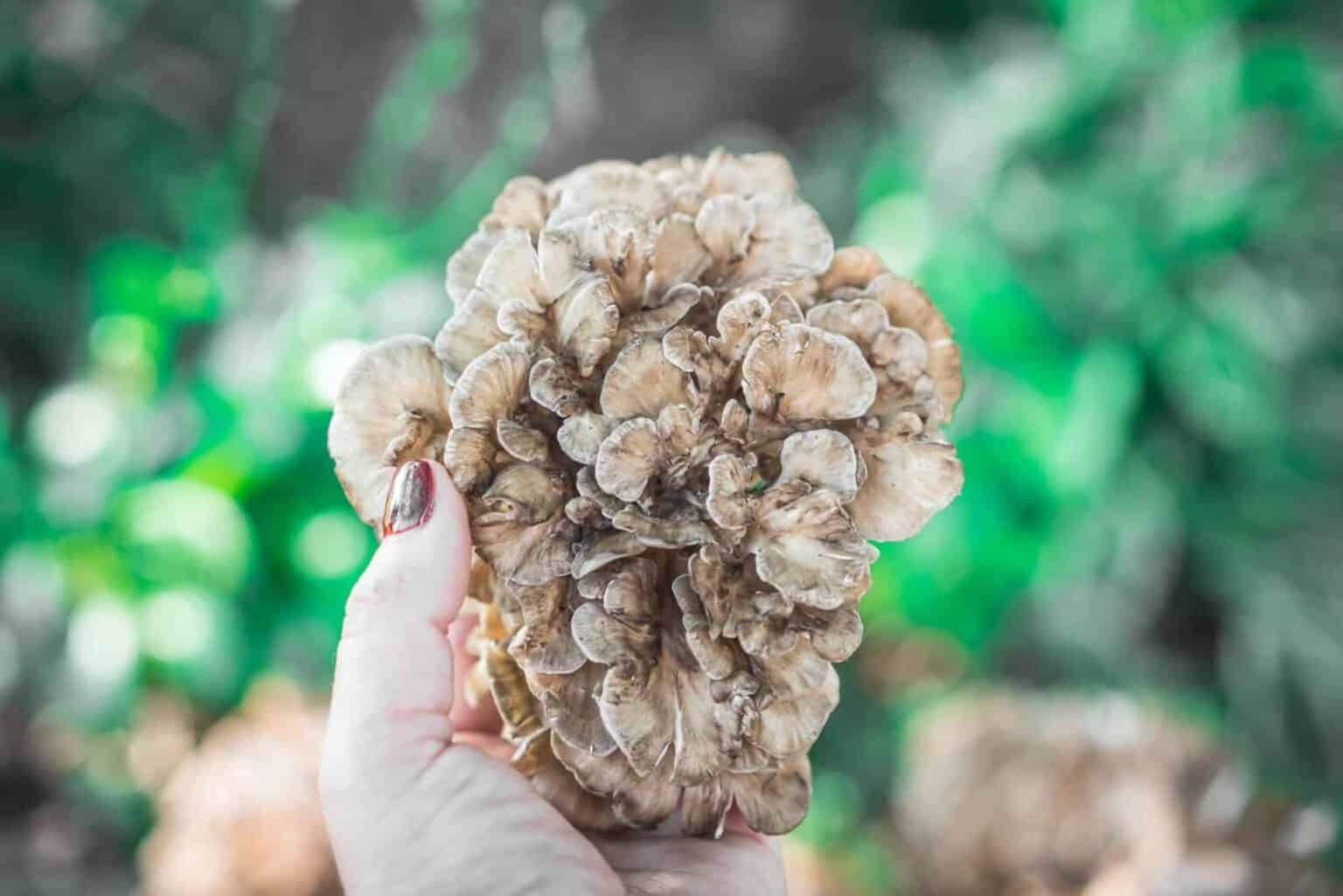
Young, clean fronds are tender enough to cook fresh. Older portions may be tougher or full of insects, so trim carefully and process a large mushroom promptly.
Everything you need for a maitake harvest is here:
- 5 Ways to Preserve Maitake Mushrooms
- Sautéed Maitake Mushrooms
- Maitake Mushroom Chowder with Potatoes and Bacon
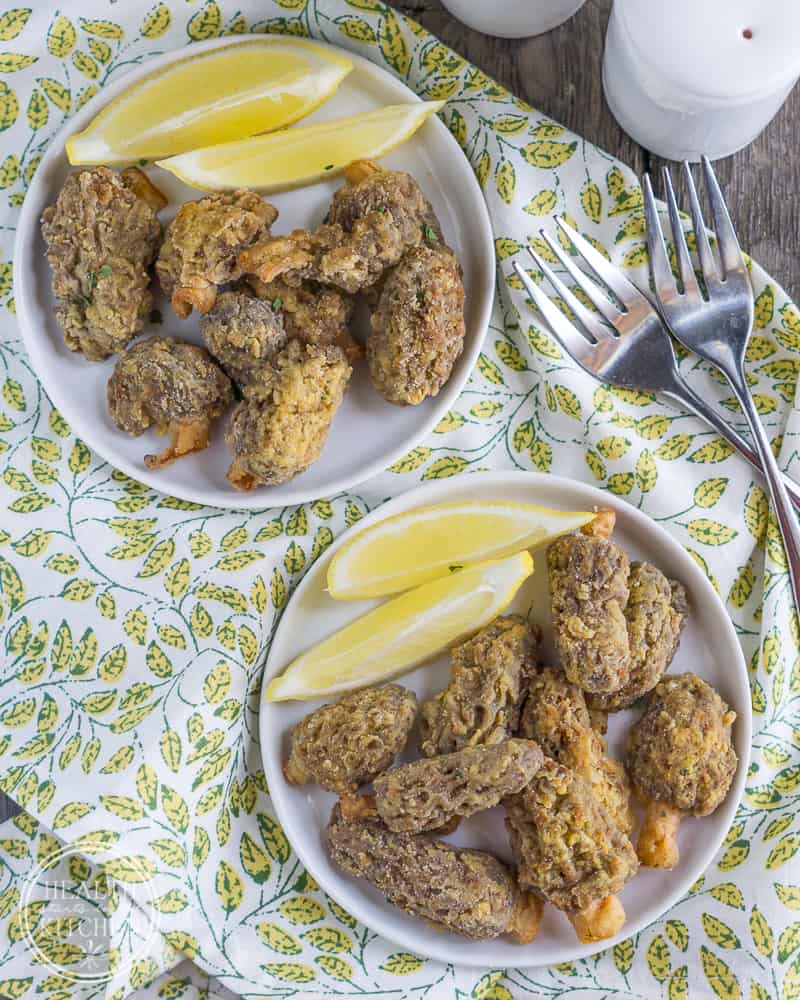
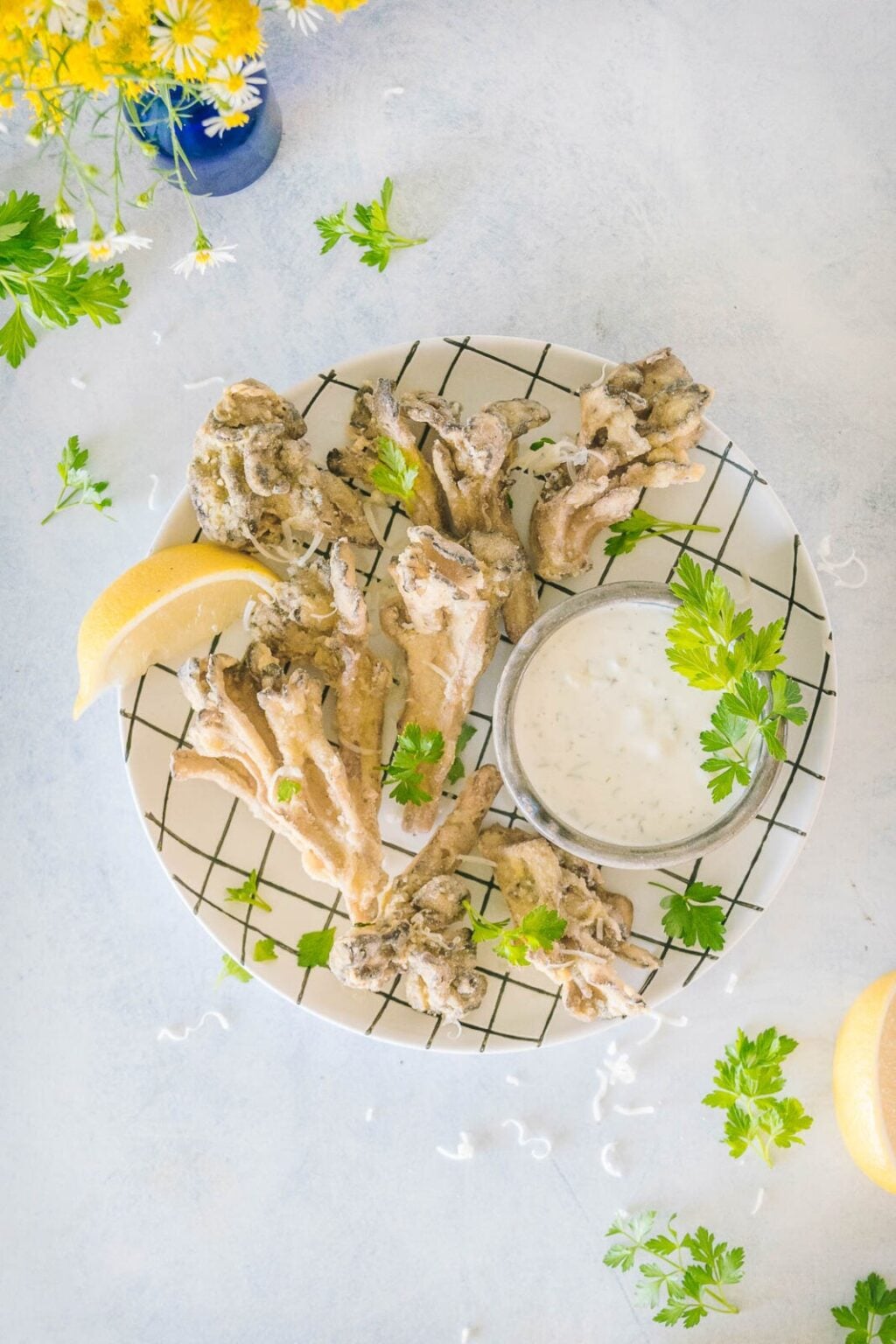
- The Best Fried Maitake Mushrooms
- Pickled Maitake Mushrooms
- How to Can Maitake Mushrooms
- Swedish Maitake Mushroom Meatballs
- 7 Health Benefits of Maitake Mushrooms
Puffball Mushrooms
Giant puffballs can appear quickly after rain and range from grapefruit-sized to enormous. Before considering one for the kitchen, cut the entire mushroom vertically from top to bottom.
The interior must be uniformly solid, firm and pure white with no outline of a developing cap, stem or gills. Any internal mushroom structure can indicate an immature Amanita or another gilled mushroom. Yellow, green, brown, purple, soft or powdery interiors are past their edible stage or may be a different fungus entirely. When uncertain, do not eat it.
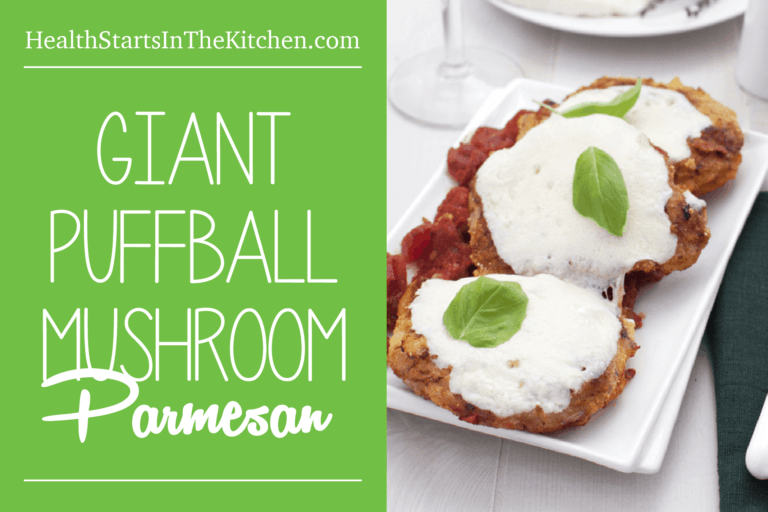
Puffballs are mild and absorb other flavors easily. Thick slices can be breaded, grilled or layered into a dish. My favorite example on the site is Puffball Mushroom Parmesan.
Lion’s Mane and Other Hericium Mushrooms
Lion’s Mane and related Hericium species grow on wood and produce hanging white teeth rather than caps with gills. Depending on the species, they may form one rounded mass or branch into clusters.
They are distinctive, but that does not eliminate the need for a complete identification. Note the shape and length of the teeth, branching pattern, host wood, condition of the mushroom and species known in your area. Fresh specimens should be white to cream; yellowing and browning usually indicate age.
The texture works well when torn into pieces, pressed gently in a hot skillet and browned in butter. Keep the preparation simple the first time so you can judge the mushroom itself.
Oyster Mushrooms
Cool, wet fall weather can bring another flush of oyster mushrooms on dead or dying hardwood. They generally grow in overlapping shelves with pale caps and gills that run down toward a short, off-center stem.
Oysters do have lookalikes, and the growth on wood or pale color alone does not confirm them. Check the gill attachment, cap texture, stem placement, spore print, substrate, odor and regional species. Do not treat them as automatically beginner-safe.
Late Black Trumpets and Mixed Wild Mushrooms
Depending on the weather, black trumpets may continue into early fall. They are worth drying because their flavor becomes concentrated and a small amount can season an entire pot of broth or sauce.
Use dried, positively identified mushrooms in:
- Wild Black Trumpet Mushroom Spread
- Wild Mushroom Vegetarian Paella
- Wild Mushroom Seasoned Salt
- Instant Pot Wild Mushroom Broth

Black Walnuts, Hickory Nuts and Acorns
Fall is not limited to mushrooms. Black walnuts and hickory nuts begin dropping as the leaves turn, and acorns can be gathered and processed into flour.
Wild nuts take work. Black walnut hulls stain nearly everything they touch, hickory shells vary dramatically by species, and acorns must be correctly identified and thoroughly leached to remove bitter tannins before use. Avoid moldy, insect-damaged or roadside nuts.
If acorns are abundant where you live, my guide to making acorn flour at home walks through the complete process.
Wild Persimmons
American persimmons become soft, sweet and richly flavored when fully ripe. An unripe fruit is extremely astringent, so this is not something to rush. Ripe fruit often becomes soft enough to look overripe and may fall from the tree.
Confirm the tree and fruit, inspect everything for spoilage and remove the seeds before using the pulp in breads, puddings, sauces or desserts.
Pawpaws
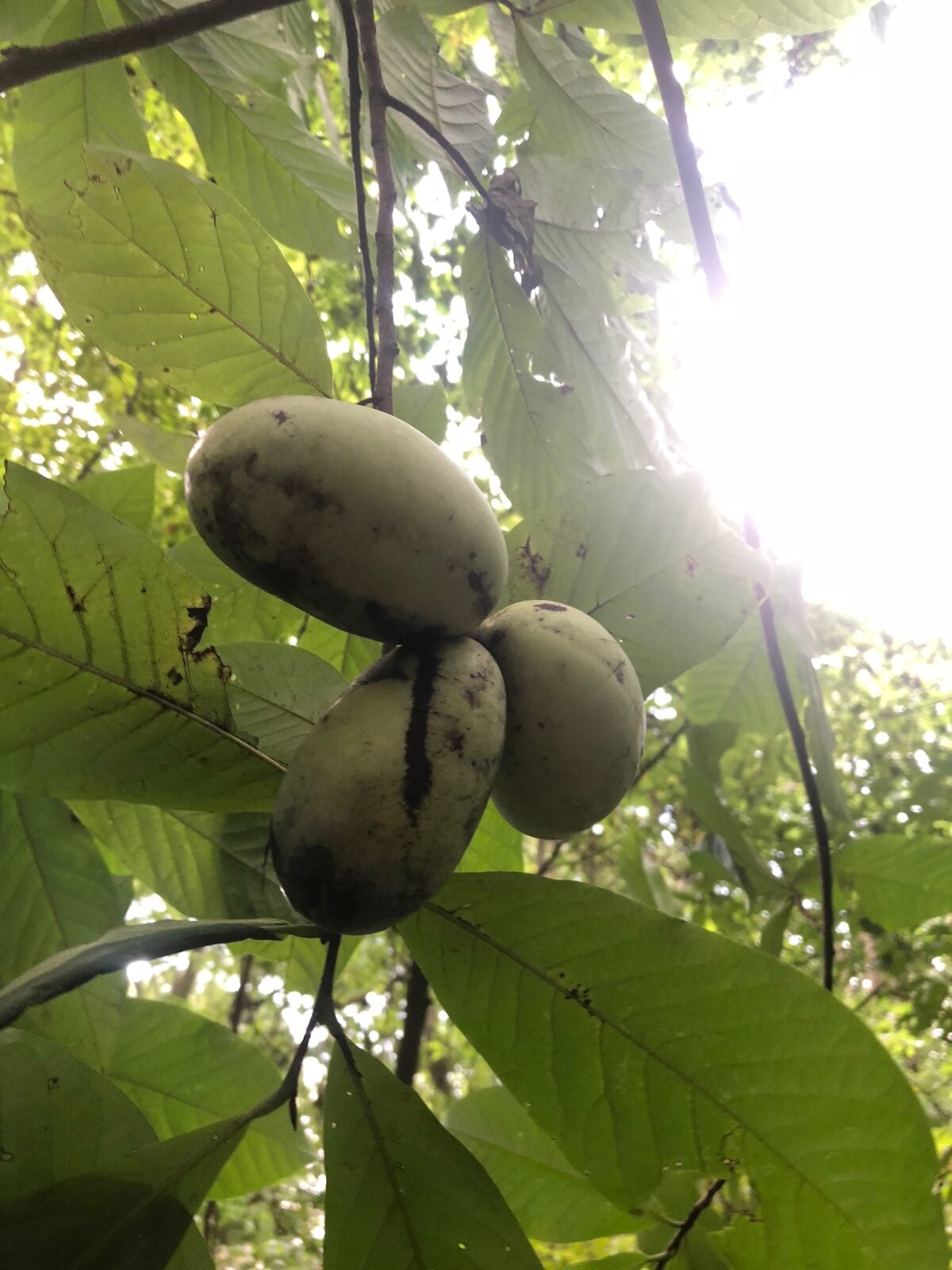
Pawpaws bring a surprising tropical flavor to the Pennsylvania woods. Look for the large, drooping leaves of this small understory tree and clusters of green fruit that soften and become fragrant as they ripen. Start with my pawpaw identification and foraging guide, then use the pawpaw ripening guide to time your harvest.
Use only the soft pulp and discard every seed and the skin. Ripe fruit is highly perishable, so refrigerate it for short-term use or puree and freeze it in measured portions. A good harvest is the perfect excuse to make my pawpaw chiffon pie.
Fall Foraging Tips
- Learn the trees. Oak is especially important when searching for maitake, and host wood is part of mushroom identification.
- Return after rain. Cooler wet weather can trigger a significant mushroom flush.
- Carry a sturdy basket and knife. A mature maitake is heavier than a handful of summer chanterelles.
- Process the harvest promptly. Large fall mushrooms often contain insects and deteriorate quickly indoors.
- Record the location. Maitake and some other fungi may fruit near the same tree in future years.
Continue Through the Foraging Seasons
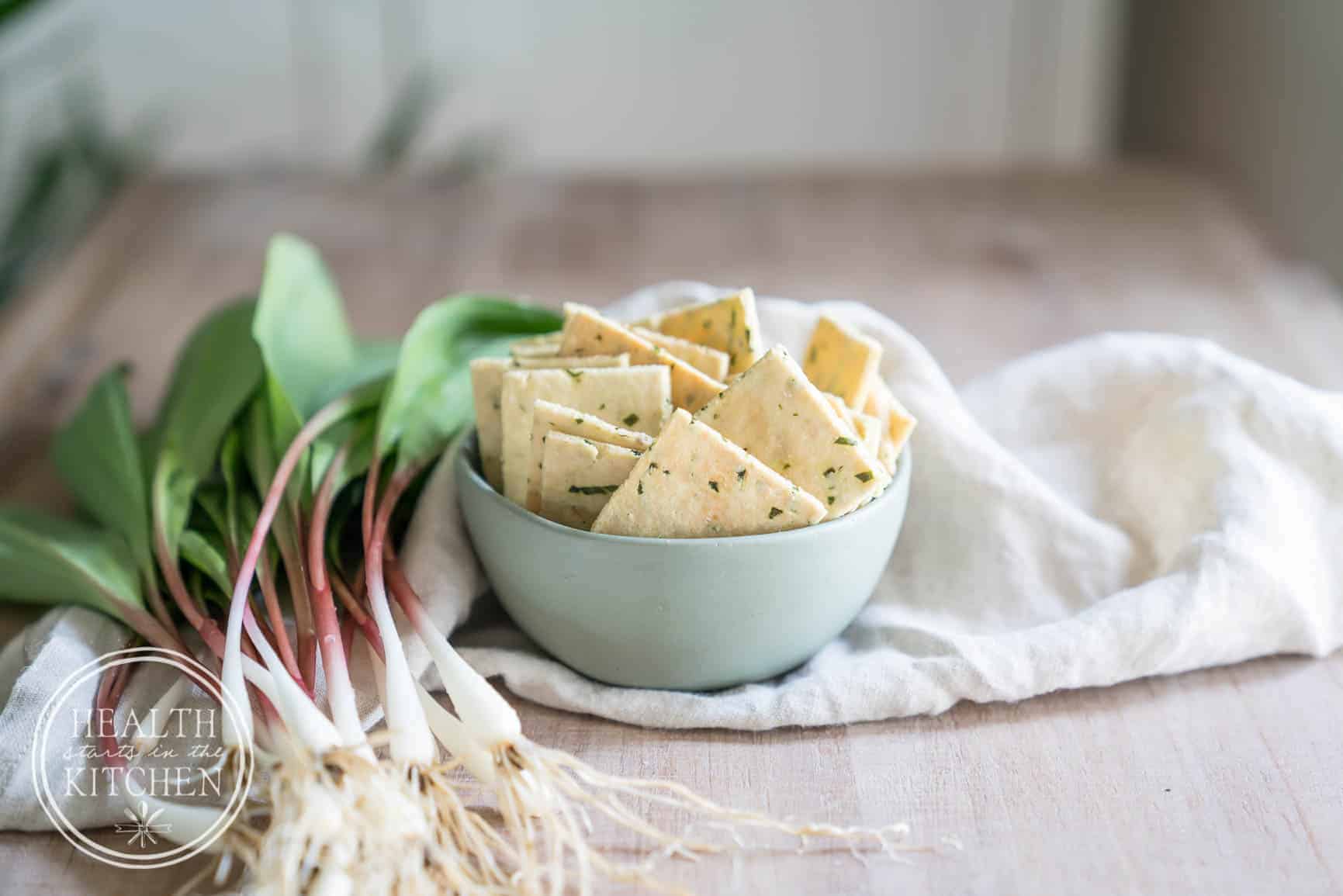
Begin with spring morels and ramps, continue into the Summer guide for chanterelles and berries, and use the complete Pennsylvania foraging guide to find every related article and recipe on the site.
Two more fall favorites belong on your list: my puffball mushroom guide and recipe collection, plus everything you need to know about foraging American persimmons in Pennsylvania and cooking with the ripe fruit.