What Is Sumac: Flavor, History & Culinary Uses
Sumac is the tart, deep-red seasoning that makes food taste brighter without adding liquid. The jarred spice used in Middle Eastern cooking is usually made from Rhus coriaria; here in Pennsylvania, our native staghorn and smooth sumacs are related edible species with the same pleasantly sour character.
Important Foraging Safety Notice
Foraging mistakes can cause serious illness or death. This post shares educational information and personal experience. It does not identify your finds or confirm they are safe to eat.
You are responsible for what you harvest, prepare, eat, and serve. Have all wild foods identified and confirmed edible by a qualified local expert before consuming them. Never eat anything you cannot reliably identify.
Read the full Foraging Safety & Disclaimer before using this post.
Keto, Low-Carb & Carnivore: Start Here
Looking for your next meal or a place to begin? Explore my Keto and low-carb recipes, beginner guides, and meal inspiration, and find ideas that fit your own approach.
The short version: Culinary sumac tastes lemony and tangy. Properly identified staghorn and smooth sumac can be gathered for drinks and seasoning, but poison sumac is a different plant and must be avoided.
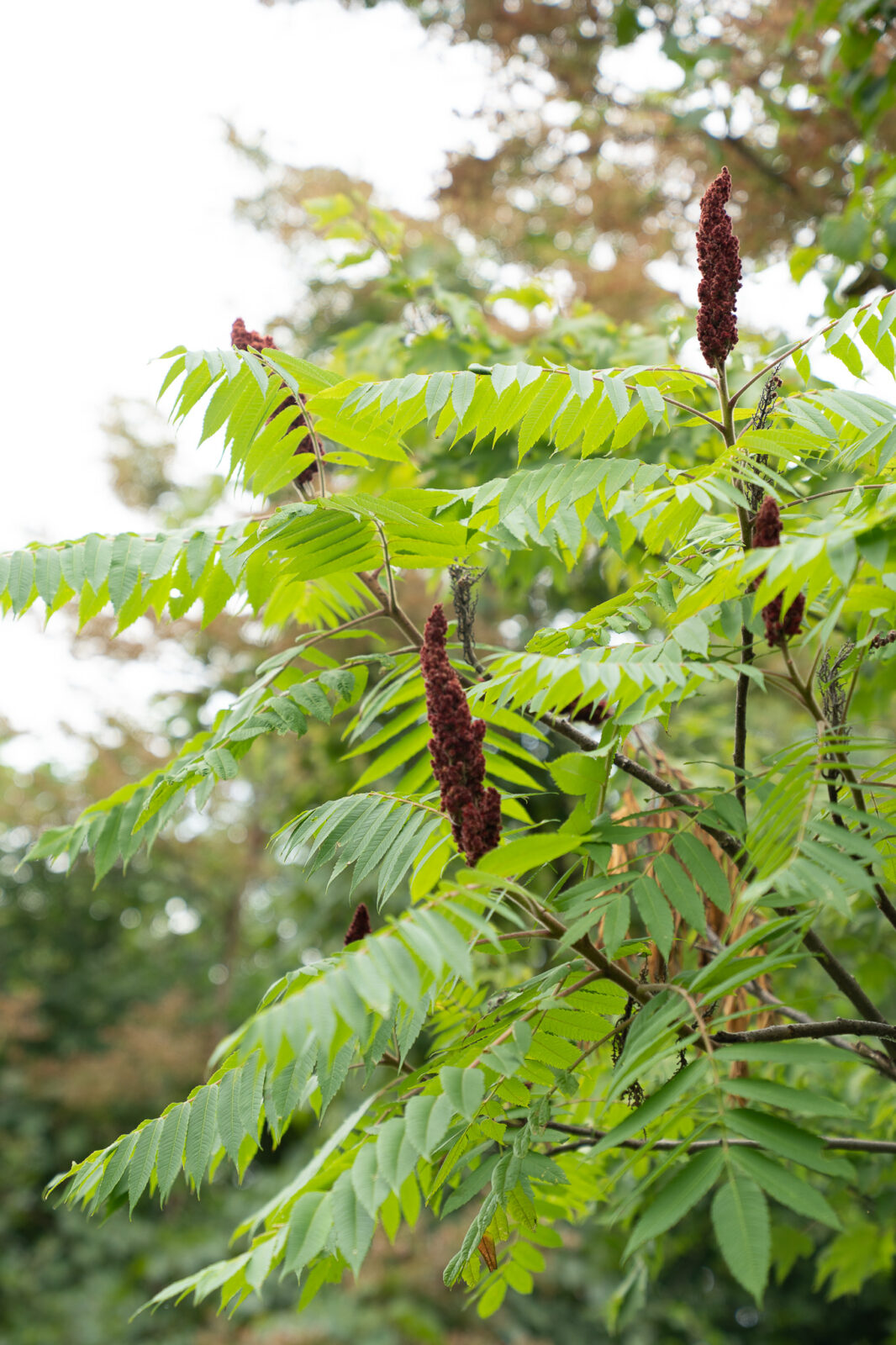
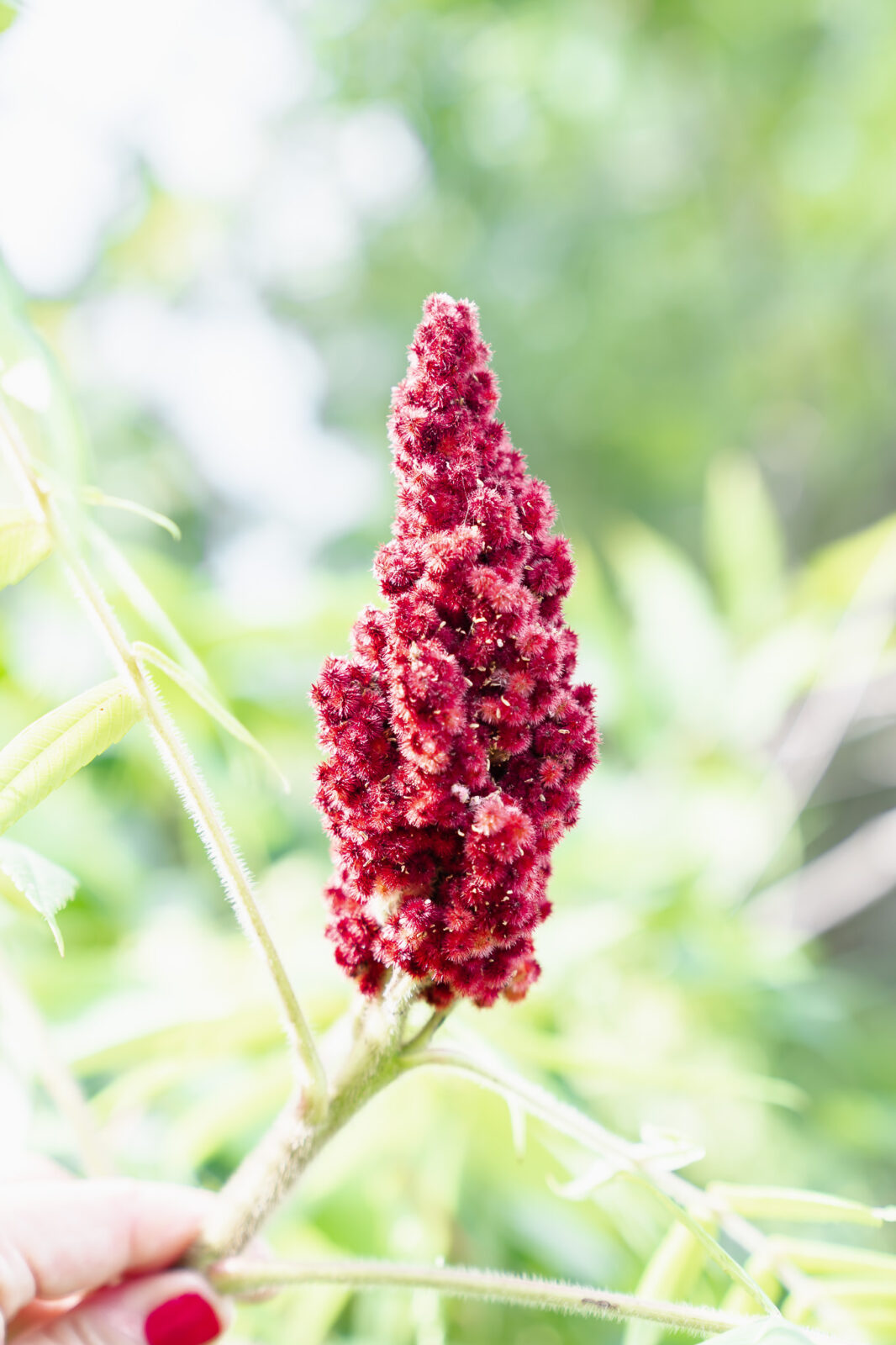
My first real introduction to sumac happened on our homestead while Ray and I were looking for elderberries. I had always assumed anything called sumac was poisonous. Learning the difference opened the door to one of my favorite wild flavors. You can read that story in my Sumac-ade recipe.
This guide is part of my foraging resource hub and pairs naturally with my summer foraging guide.
What Is Sumac: A Definition
Sumac (Rhus coriaria) is a spice made from the dried and ground berries of the sumac shrub, native to the Mediterranean and Middle East. Unlike table salt, sumac brings a sharp, citrusy tang that home cooks have relied on for centuries.
The berries grow in deep burgundy clusters, then get dried and finely ground into powder. What makes sumac distinct is that it delivers acidity without liquid. Lemon juice changes the texture of delicate dishes, vinegar can overpower, but sumac seasons and brightens all at once. A pinch is enough, the flavor is concentrated.
The Flavor Profile and Taste of Sumac
Sumac tastes tart and lemony, but more balanced than a squeeze of fresh lemon. It’s slightly fruity, never harsh, and carries no heat or bitterness. Imagine the bright tang of lemon as a gentle, dry powder.
This profile makes sumac incredibly versatile. On roasted vegetables, it cuts through richness. On grilled meat, it adds complexity without competing with char and smoke. Sprinkle it over grain bowls, scatter it on eggs, or mix it into yogurt for a quick condiment. Unlike lemon juice, sumac lets you season without making dishes watery.
Many cooks encountering sumac for the first time are surprised by how naturally it works. It’s not exotic or intimidating, it just tastes like what home cooking should be when brightness matters.
What Sumac Can—and Cannot—Do
Sumac berries contain plant compounds such as polyphenols, but a sprinkle of seasoning is still a culinary ingredient, not a treatment for blood sugar, heart disease, or any other condition. I use sumac because it tastes wonderful and can make simple food more interesting.
How to Use Sumac in Your Kitchen
Start simple. Sumac works anywhere you’d reach for lemon juice or bright acid. Roasted cauliflower, Brussels sprouts, grilled chicken, fish, salmon, or lamb all benefit from a light dusting. Stir it into salad dressings, sprinkle it over grain bowls, whisk it into scrambled eggs, or add it to avocado toast.
One easy entry: make a simple spice blend. Combine sumac with dried herbs, parsley, thyme, or oregano, for a finishing spice you can keep in a small jar. Mix sumac into wild mushroom seasoned salt for a low-sodium umami bomb, or blend it into a dry rub for beef or pork before grilling.
The key is restraint. A quarter teaspoon is often enough for a dish serving four. Taste as you go, sumac’s flavor deepens over time.
Using Sumac When You Want Less Salt
Sumac does not taste salty, but its acidity can make food feel more lively when you are reducing sodium. Think of it as another layer of flavor rather than a one-for-one salt substitute. Add a small pinch, taste, and keep salt within the limits recommended for you.
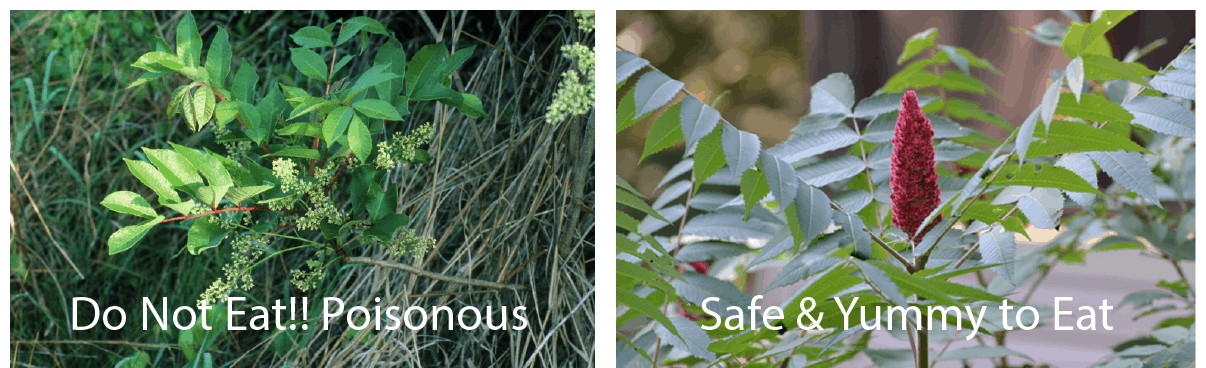
How to Tell Edible Sumac From Poison Sumac
Staghorn and smooth sumac hold fuzzy or velvety red fruit in dense, upright clusters at the ends of branches. Poison sumac grows in wet, swampy ground and bears loose clusters of pale white or gray berries that hang from the stems. Its leaflets have smooth edges and the stems are not fuzzy. Use multiple field marks and a trusted regional field guide; if the identification is not certain, do not harvest it. The Penn State Extension sumac guide is a useful Pennsylvania reference.
FAQ
Can I Use Sumac If I Have a Nut Allergy?
Sumac is botanically related to cashews and mangoes, so consult your doctor first if you have a tree nut or mango allergy. Most people with these allergies tolerate sumac without issue, but it’s worth checking with a healthcare provider before your first use.
What’s the Best Sumac Spice Substitute If I Can’t Find It?
If sumac isn’t available locally, combine equal parts lemon zest with a tiny pinch of salt. You can also use a mix of lemon juice and a small amount of za’atar (though this adds other herbs). The flavor won’t be identical, but it approximates the brightness. For consistent results, order organic sumac online, it’s inexpensive and keeps well in an airtight container for months.
How Should I Store Sumac to Keep It Fresh?
Keep sumac in an airtight container away from direct light and heat, just like any ground spice. Properly stored, it stays flavorful for six months or longer. Some people keep theirs in the freezer to extend shelf life.
Is Sumac the Same as Poison Sumac?
No. The edible sumac used in cooking (Rhus coriaria) is entirely different from toxic poison sumac (Toxicodendron vernix). Always buy sumac from reputable spice suppliers or grocery stores, never forage or harvest it yourself unless you’re absolutely certain of the species.
Ready to add sumac to your spice rack? Start with a quarter teaspoon on your next roasted vegetable or grilled protein, and you’ll quickly see why this spice deserves a permanent home in your kitchen.