How Long Does Kombucha Last in the Fridge?
How long kombucha lasts in the fridge depends on the brand, whether the bottle is opened, and how it was brewed. Follow the bottle’s refrigeration and use-after-opening instructions. Homemade kombucha has no universal safe storage period. Keep it at 40°F or below and remember that fermentation, alcohol and bottle pressure can continue changing even in the fridge.
Key takeaways:
- For unopened store-bought kombucha, follow the label’s date and storage instructions.
- Follow the maker’s use-after-opening window; flavor and fizz change after opening.
- Homemade and fruit-flavored batches need a reliable brewing process; no single storage time fits them all.
- A sour taste or normal appearance does not establish that a batch is safe.
- Mold, sliminess, or a rotten smell mean it’s time to toss the batch.
How Long Does Unopened Kombucha Last in the Fridge?
For an unopened commercial bottle, use the manufacturer’s date and refrigeration instructions. Raw and pasteurized products are different, and their shelf lives are established by their producers. Keep refrigerated products cold during transport and storage.
A best-by date generally describes quality, but it does not cancel the need for proper refrigeration. Do not assume a bottle is safe beyond its date just because it smells normal. Ask the producer when the label is unclear.
How Long Does Opened Kombucha Last in the Fridge?
Once opened, follow the producer’s directions for how soon to finish the bottle. Carbonation usually fades and flavor changes, but those changes alone cannot tell you whether a drink is safe.
Recap the bottle tightly after every pour. Keep it upright on a fridge shelf instead of the door, where temperatures swing more. A loosely capped bottle loses its fizz within a couple of days. Flavor is not a safety test. Discard a bottle with suspected contamination, a damaged seal or an unknown storage history.
How Long Does Homemade Kombucha Last in the Fridge?
A homemade batch’s storage life depends on the brewing process, acidity, added ingredients and bottling conditions. Pennsylvania’s brewing and bottling guidance notes that refrigeration alone does not stop all fermentation. Do not apply a blanket one-to-three-month storage rule to every home batch.
Storing homemade kombucha well starts with clean glass bottles, a tight seal, and a steady fridge temperature between 34°F and 40°F. Colder, steadier temperatures slow fermentation and extend kombucha shelf life. Our kombucha second fermentation guide covers how bottling time and sugar level affect how long the fizz lasts. A flat second ferment usually points to timing, not spoiled kombucha. Our kombucha not fizzy troubleshooting post walks through the common causes.
Does Kombucha Go Bad, and How Can You Tell?
Kombucha can become contaminated or develop unsafe alcohol or pressure levels, depending on its process and storage. Fuzzy growth, a rotten odor or an unusual change in texture are reasons to discard it. Normal appearance and smell do not prove safety; never taste a questionable batch to test it.
Brown, stringy strands floating in the bottle aren’t a problem. Those are yeast strands, a normal part of fermentation in both store-bought and homemade kombucha. Mold is the clearest red flag, usually showing up as green, black, or white fuzzy spots on the surface or the SCOBY. If you see mold, throw out the whole batch rather than scooping around it. A vinegary taste can result from continued fermentation, but sourness does not establish that a batch is safe.
How to Store Kombucha So It Lasts Longer?
Good storage habits add real time to kombucha, whether it came from a store or your own counter.
- Refrigerate kombucha as soon as you bring it home or finish bottling a homemade batch.
- Keep bottles sealed tightly between pours to hold onto carbonation.
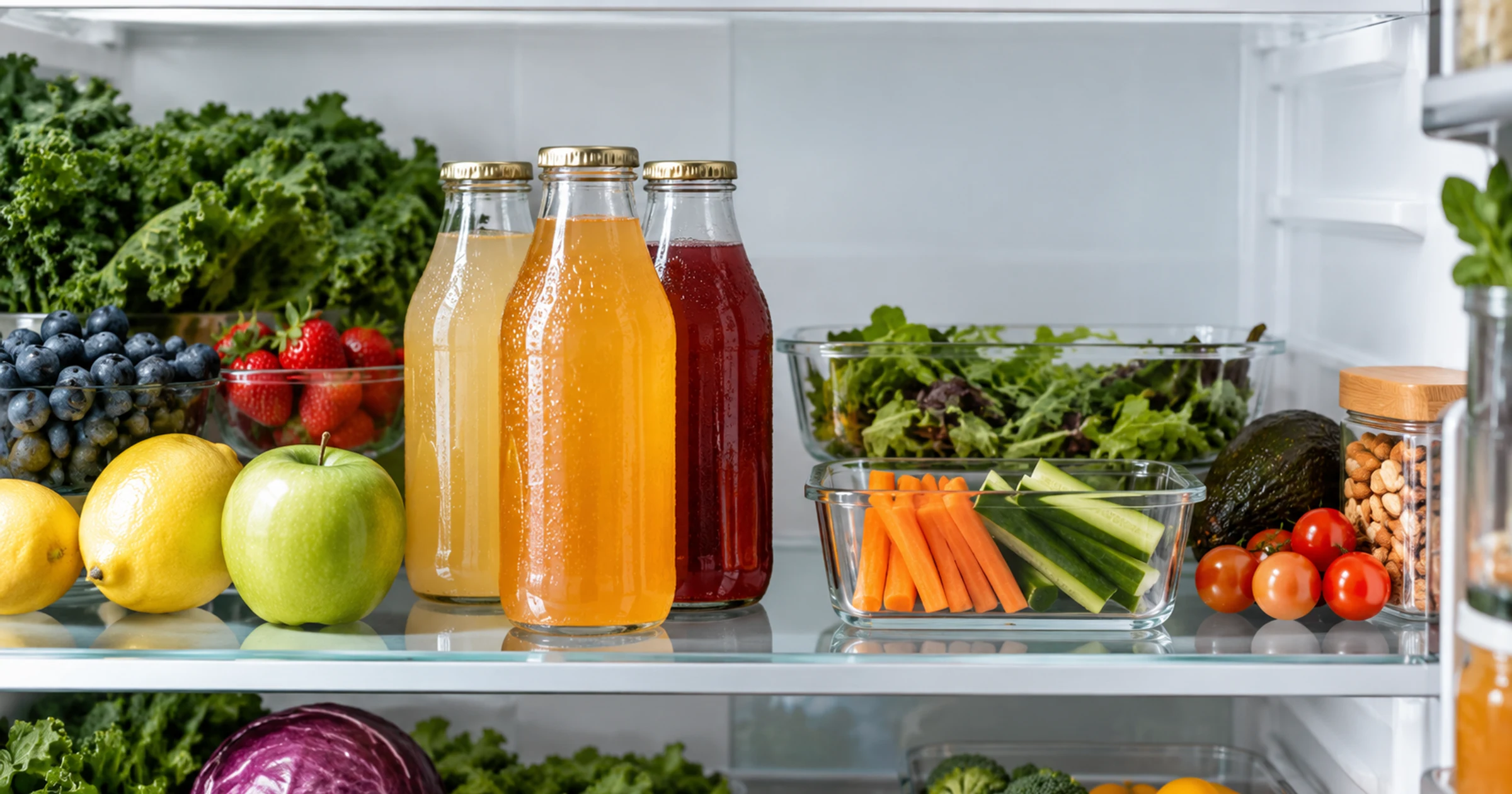
- Store bottles upright on a fridge shelf, away from the door, where temperature swings are smaller.
- Keep the fridge between 34°F and 40°F to slow fermentation without freezing the culture.
- Avoid shaking bottles. Open chilled bottles slowly, away from your face; shaking can make them foam or spray.
Use only properly brewed and stored kombucha in recipes such as kombucha gummy bears or apple pie kombucha. Cooking or adding flavor does not make a suspect batch safe.
FAQ
How long does kombucha last in the fridge after the expiration date?
There is no universal extension past the printed date. Follow the maker’s guidance and discard bottles with suspected contamination or uncertain refrigeration. Appearance and smell alone cannot establish safety.
How long does opened kombucha last in the fridge?
Follow the manufacturer’s use-after-opening directions. Keep it refrigerated at 40°F or below, and do not treat a general seven-to-fourteen-day estimate as a safety guarantee.
Can you freeze kombucha to make it last longer?
You can freeze kombucha, but freezing kills off much of the carbonation and some live cultures. The texture changes once thawed, so it suits smoothies or cooking better than drinking it straight.
Why does my homemade kombucha taste more sour over time?
A more sour, vinegary taste means the bacteria and yeast are still converting sugar. That continues even in the fridge, just more slowly. It’s a normal part of aging kombucha, not a sign it has gone bad.
This article is for general information only and is not medical advice; talk to a healthcare provider with questions about fermented foods and your own health.