How to Make Acorn Flour at Home
Fall brings a massive bounty of wild food right to our yards. You probably step on them daily, ignoring the free, nutritious harvest oak trees drop every single year. Knowing how to make acorn flour completely changes the way you look at these fallen nuts. It turns a backyard nuisance into a premium baking staple that tastes incredible.
Important safety note: Use sound, correctly identified acorns and discard any that are moldy, insect-damaged, or rancid. Raw acorns contain high levels of bitter tannins and must be thoroughly leached before eating. Dry the finished meal completely before storage to reduce spoilage risk.
Key takeaways:
- Gather mature, cap-free acorns that have no tiny bug holes.
- Crack the shells and grind the nut meat into a coarse meal.
- Soak the meal in cold water daily to leach out bitter tannins.
- Dry the leached meal thoroughly before grinding it into a fine powder for baking.
What Is Acorn Flour?
Acorn flour is a wild-foraged flour made from the nuts of oak trees. It has a sweet, earthy, and distinctly nutty flavor similar to chestnuts. It has been feeding people since prehistorical times, and it serves as a fantastic ingredient for baking.
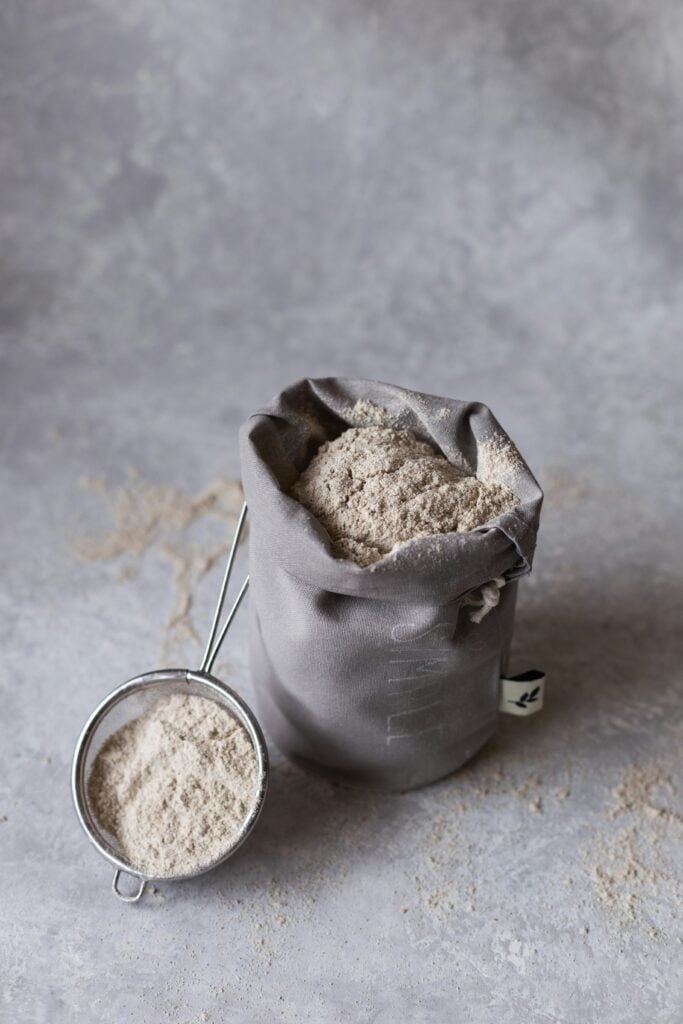
Foraging acorns for food connects you to a traditional, sustainable food source that our ancestors relied on heavily. Unlike heavily processed commercial flours, this wild edible has built up the bodies of our ancestors in these lands. Acorn flour acts as a versatile flour substitute and adds incredible depth of flavor to baked goods.
Foraging and Selecting the Best Acorns
Not all acorns are worth your time. White oak acorns generally have lower tannin levels than red oak acorns, meaning they require less time to process. However, both are entirely edible and delicious once prepared correctly.
Selective gathering saves you hours of frustration. When you head out to collect your harvest, leave any acorns with their caps still attached on the ground. Trees drop underdeveloped or damaged acorns early, and the attached cap is a clear sign the tree rejected it.
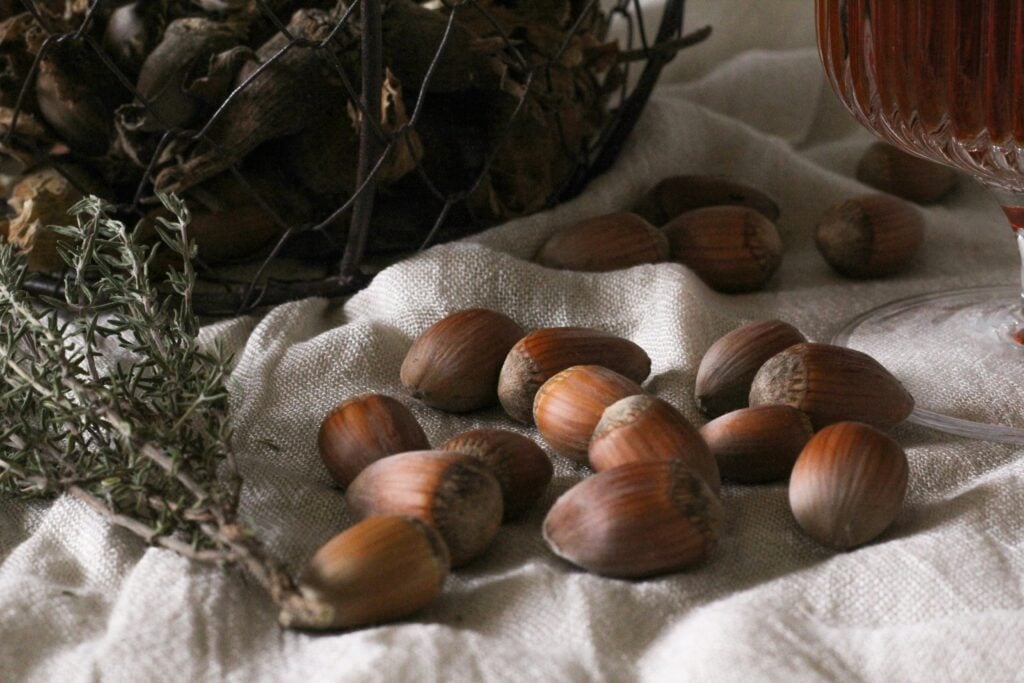
Avoid picking up any acorns with tiny pinholes in the shell. These holes mean grubs have already moved in and eaten the nut meat. Only collect heavy, smooth, cap-free acorns with unblemished shells.
(Image: a handful of perfect, unblemished acorns next to one with a weevil hole for comparison, alt: ‘healthy acorns vs bug-damaged acorns for making flour’)
Processing Wild Acorns: Shelling and Grinding
Processing wild acorns starts with cracking the tough outer shells. You can use a heavy nutcracker, a hammer, or even two rocks if you want to keep things primitive. Crack the shell and pull out the inner nut meat.
Inspect the meat as you go. Toss out any pieces that look dark, fuzzy, or moldy. You only want the clean, light-colored nut pieces.
Once shelled, drain the nuts and transfer them to a high-speed blender or food processor. Add just enough fresh water to keep things moving. Blend the nuts into a fine, watery slurry. Grinding the acorns before leaching exposes more surface area, dramatically speeding up the tannin removal process.
The Cold Leaching Method for Perfect Flour
Raw acorns contain high levels of tannins. Tannins make the nuts incredibly bitter and can cause stomach upset if consumed in large quantities. You must remove them through a process called leaching.
While you can boil whole acorns to remove tannins, hot water cooks the starches. If you want your final flour to bind together for baking, cold leaching is the only way to go. Pour your blended acorn slurry into a large glass jar and fill the rest of the jar with cold tap water. Give it a good stir, cover it, and place it in the refrigerator.
The ground acorns will settle to the bottom, and the water will turn a dark brown as the tannins leach out. Every day, carefully pour off the brown water, leaving the acorn meal at the bottom. Refill the jar with fresh cold water, stir, and return it to the fridge.
Repeat this daily water change until the water remains clear and the meal tastes completely bland. Depending on the oak species, cold leaching takes several days.
Once the bitterness is entirely gone, pour the meal into a cheesecloth or a fine-mesh nut milk bag. Squeeze out as much water as physically possible. Spread the damp meal out in a very thin layer on a baking sheet. Dry it in a dehydrator or an oven on its lowest setting until completely brittle. Run the dried meal through a blender or spice grinder one last time to create a fine, fluffy powder.
You can use your finished product in a variety of acorn recipes. It makes fantastic hearty breads, cakes, and pancakes. You can even swap a portion of the almond flour in our Easy Gluten Free Brownies Recipe – Super Fudgy – Health Starts in the Kitchen for a wild, earthy twist. Or, pair it with savory meals after exploring our Guide to Foraging Wild Chanterelle Mushrooms for a true homestead harvest.
FAQ
Can You Eat Acorns Without Leaching Them?
No, raw acorns contain high levels of tannic acid. This makes them extremely bitter, unpalatable, and capable of causing digestive distress if you eat them before leaching.
How Long Does Acorn Flour Last?
Store your finished flour in a cool place to keep it fresh and ready for baking.
Why Did My Acorn Flour Turn Out Grainy?
If your flour feels like coarse sand, you likely dried it without grinding it fine enough beforehand. Always run the fully dried, leached meal through a high-quality blender or spice grinder to achieve a soft, powdery texture.