What to Forage for in Summer: Chanterelles, Chicken of the Woods, Black Trumpets & Wild Berries
April gets most of the attention because everyone is waiting for morels and ramps, but summer is when our woods in Pennsylvania really fill in. By June the bare, muddy forest floor is green again, the humidity is back, and a good stretch of rain can completely change what is growing from one week to the next.
This is the season for chanterelles, Chicken of the Woods, black trumpets, wild berries and staghorn sumac. Some are easy to spot from a distance. Others can be right beside your boot and remain practically invisible until your eyes adjust.
This guide covers the summer wild foods I feature most often here on Health Starts in the Kitchen, along with the recipes and identification articles that will help you use what you bring home.
Before You Eat Any Wild Mushroom or Plant
A photograph, app or single identifying feature is never enough to determine that a wild food is safe to eat. Confirm several characteristics, learn the possible lookalikes in your region and, when you are uncertain, leave it in place and ask a qualified local expert. Cook wild mushrooms thoroughly and try only a small portion the first time.
For chanterelles in particular, start with my wild chanterelle guide and the comparison of Jack-O’-Lantern and chanterelle mushrooms.
Chanterelle Mushrooms
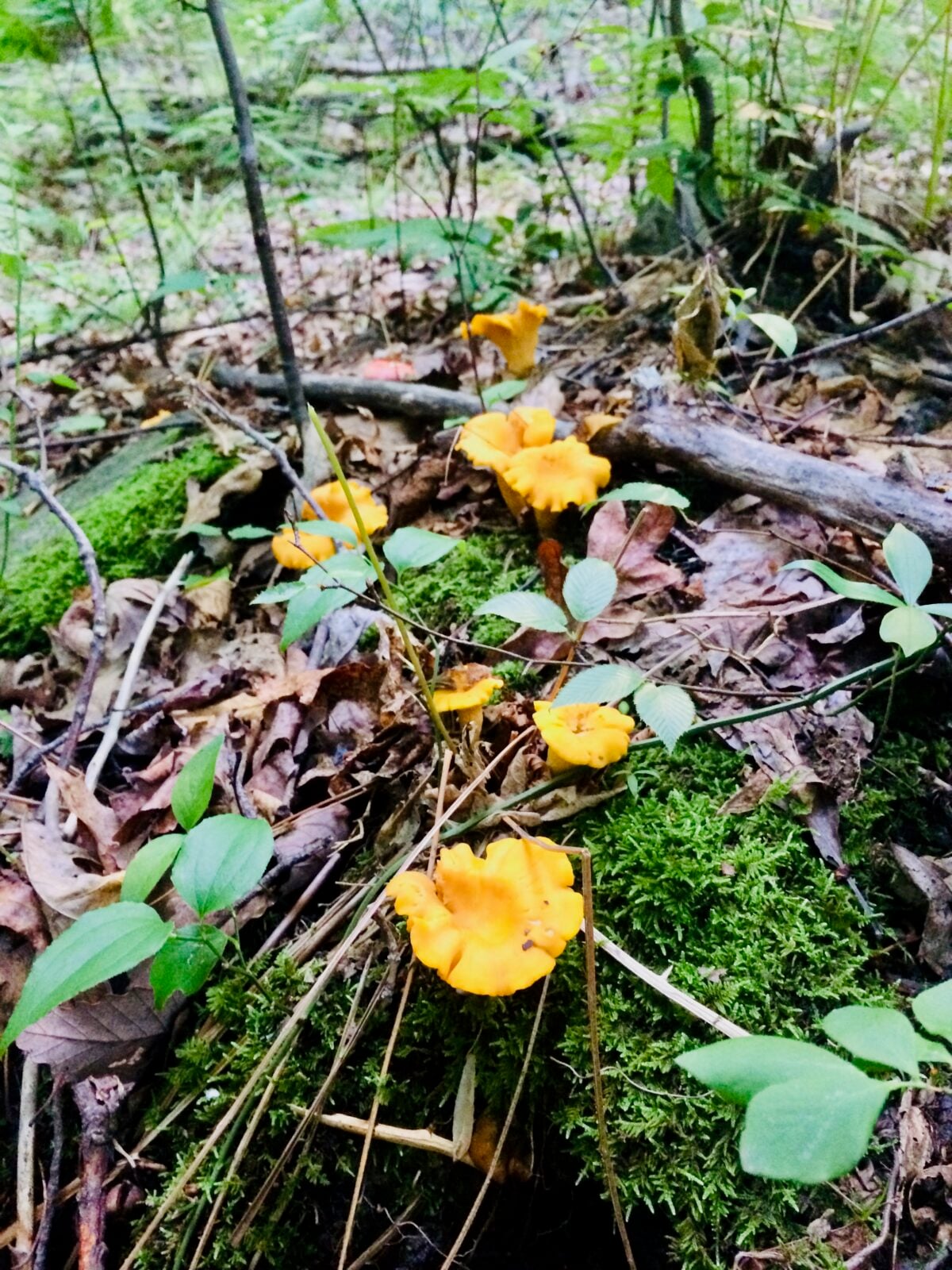
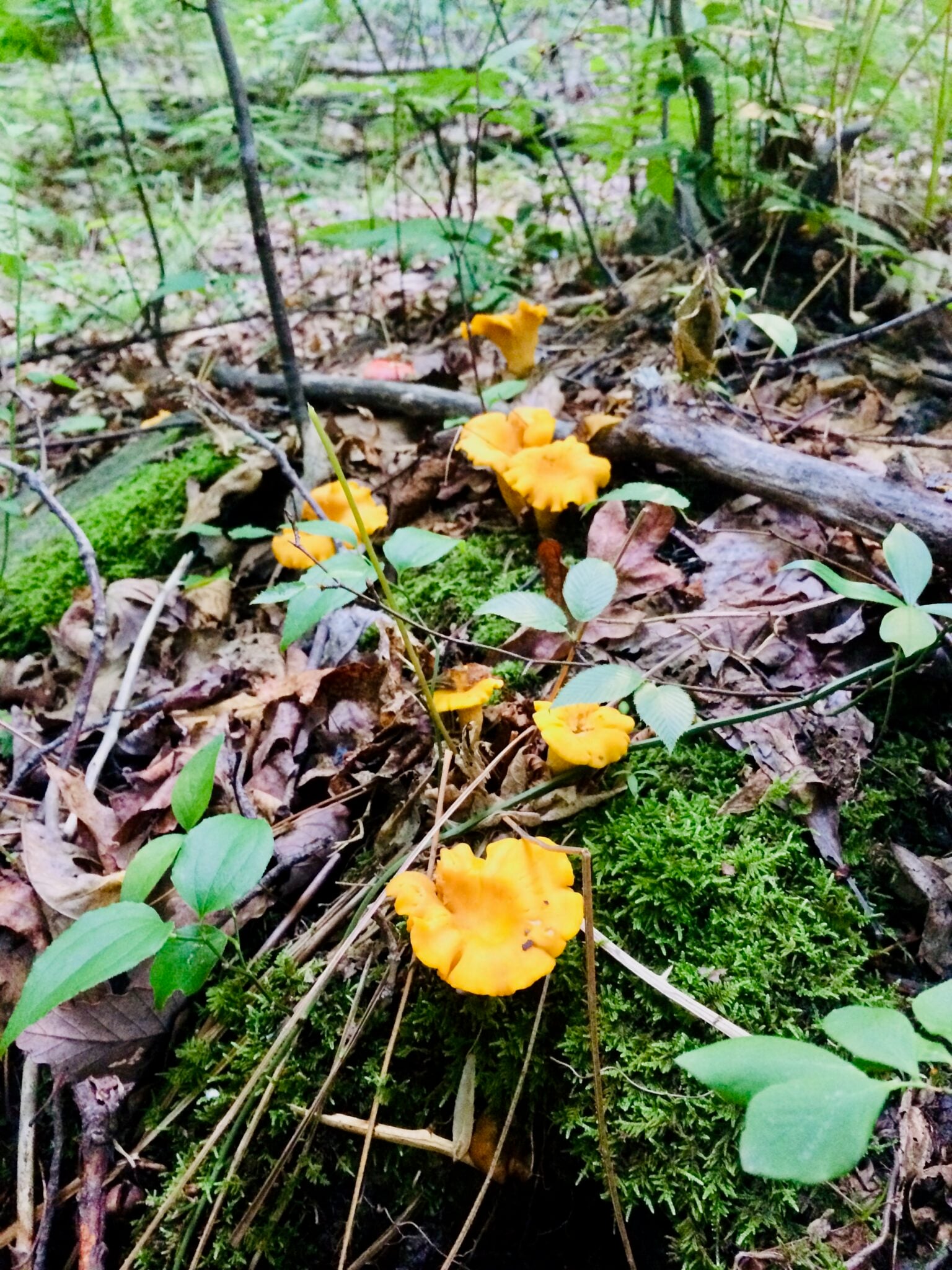
Chanterelles begin appearing after warm rain and humid weather, often starting in June and continuing through summer. They grow from the ground in association with trees rather than directly from wood. In our area, hardwood forests with oak and beech are good places to pay attention.
True chanterelles have blunt, forked ridges that run down the stem instead of thin, blade-like true gills. Their flesh is solid and pale inside, and many have a light fruity aroma. Those features need to be considered together; color alone is not an identification.
Once positively identified, chanterelles are one of the easiest wild mushrooms to use in the kitchen. They are excellent with butter, eggs, cream, corn, seafood and summer vegetables.
Use your harvest in:
- Chanterelle Mushroom Fondue
- Stuffed Zucchini Boats with Chanterelle Mushrooms
- Chanterelle Mushroom Chowder with Crab and Corn
- Chanterelle Herb Biscuits with Pine Nuts
- Savory Chanterelle Mushroom Pancakes
- 10 Best Chanterelle Mushroom Recipes
Chicken of the Woods
Chicken of the Woods is hard to miss when a fresh orange cluster is growing on a tree or fallen log. The youngest, tender edges have the best texture; older portions become dry, woody and insect damaged.
Do not identify it by orange color or a photograph alone. Confirm its shelf-like growth, pore surface, texture, host tree and the species found in your region. Host tree matters, and some people experience gastrointestinal reactions even from a correctly identified specimen. Cook it thoroughly and begin with a small serving.
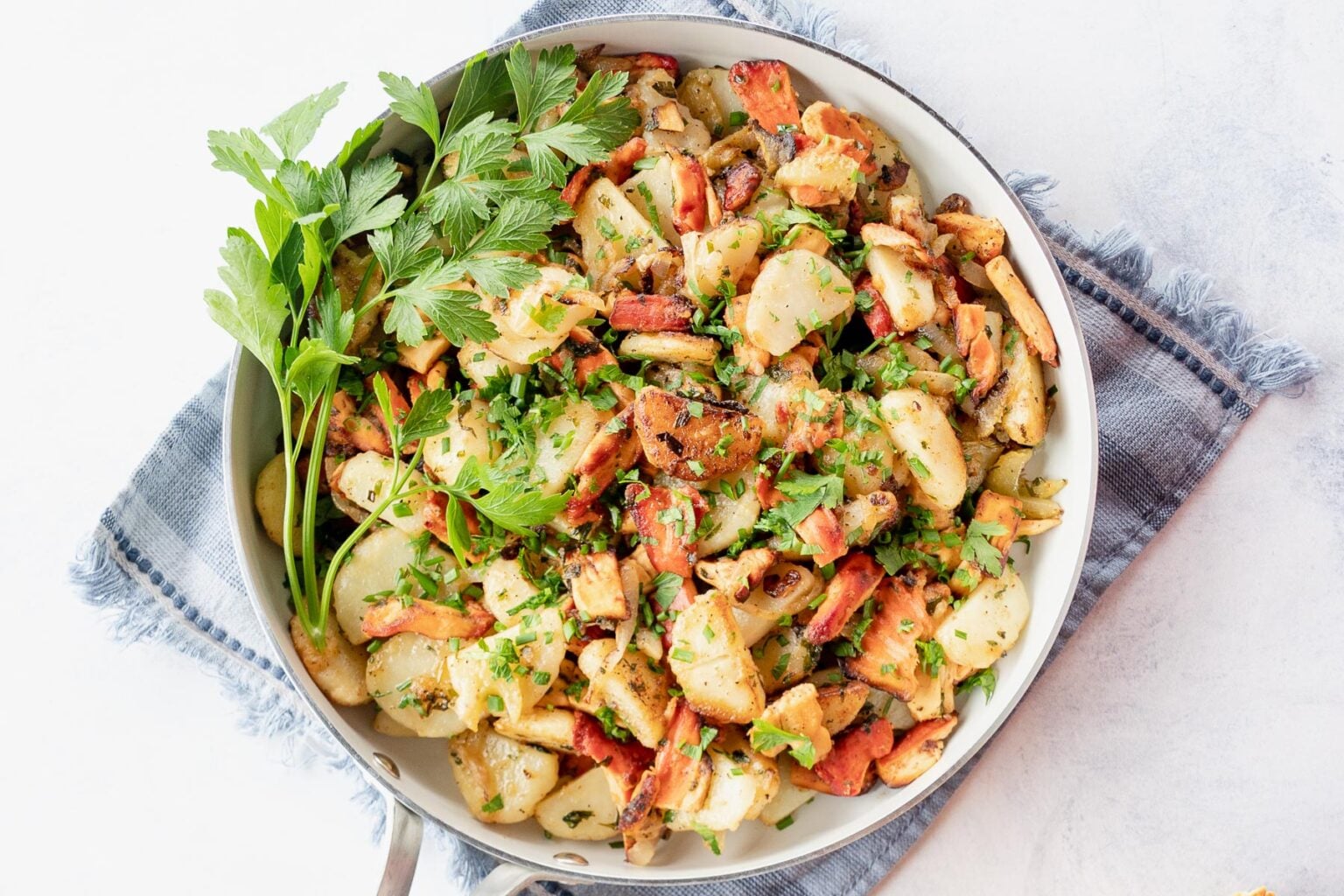
I use Chicken of the Woods in two recipes that really show off that texture:
Black Trumpet Mushrooms
Black trumpets are the opposite of Chicken of the Woods: small, dark and ridiculously good at disappearing into leaf litter. Once you find one, stop and look carefully before taking another step. There are often more nearby.
They have thin, funnel-shaped bodies and no true gills. The color can range from charcoal gray to nearly black. As with every wild mushroom, confirm all identifying features and local lookalikes before harvesting.
Black trumpets have a concentrated, smoky flavor and dry beautifully. I like them in dishes where that flavor will not get lost:
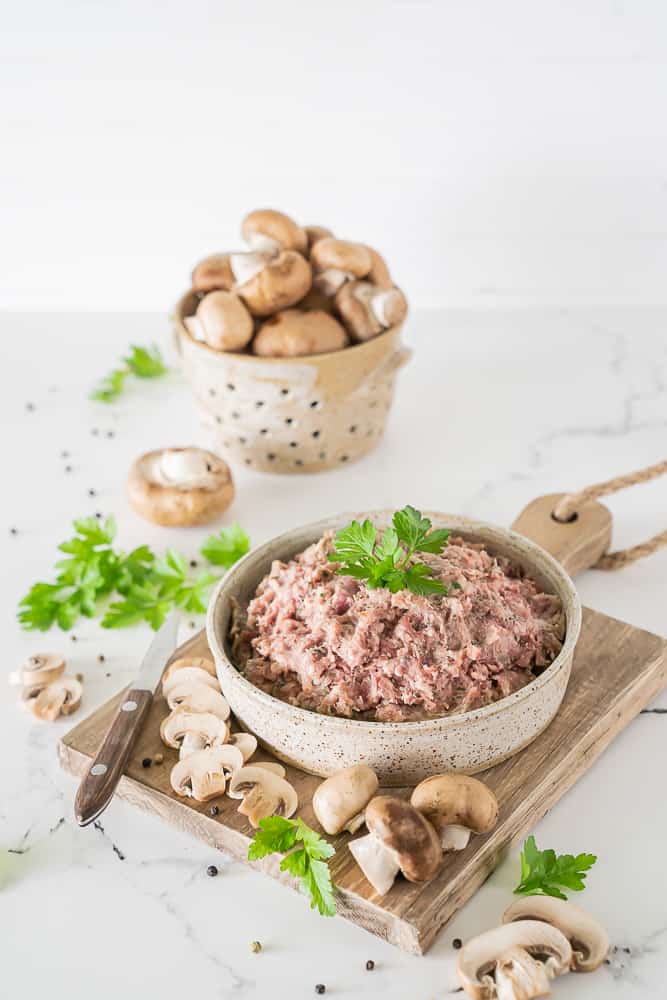
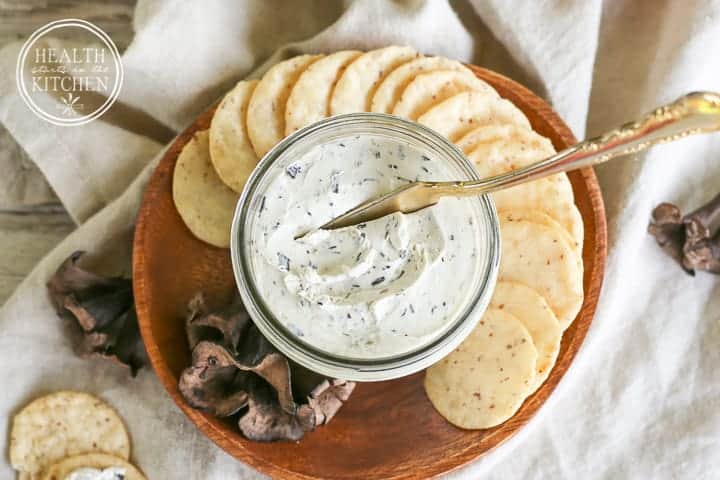
- Wild Foraged Black Trumpet Mushroom Spread
- Wild Mushroom Vegetarian Paella
- Wild Mushroom Seasoned Salt
- Instant Pot Wild Mushroom Broth
Wild Mulberries, Black Raspberries and Blackberries
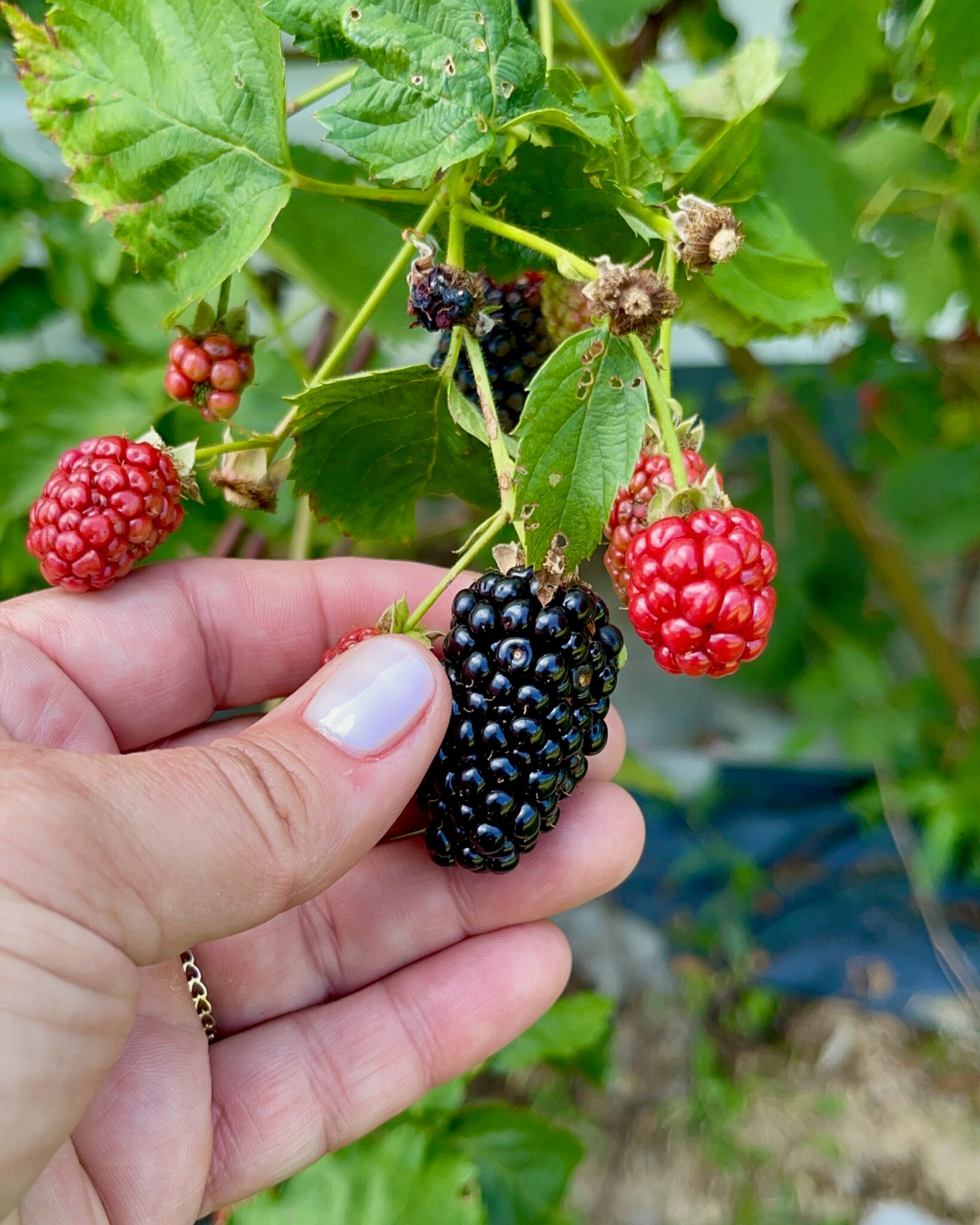
Black raspberries generally ripen first, followed by blackberries later in summer. Black raspberries separate from the receptacle when picked, leaving a hollow center. Blackberries keep their solid center. Both grow on thorny canes, and both are much easier to collect in shallow containers than in one deep bucket that crushes the bottom layers.
Mulberries ripen on trees rather than thorny canes and can range from red to deep purple-black when mature. Pick only fruit you have confidently identified from an unsprayed tree. When the harvest is more than you can eat fresh, use it in my easy sugar-free mulberry chia jam, which is made for the refrigerator or freezer.
Wear long sleeves, expect scratches and check the patch for poison ivy before reaching in. Birds and wildlife depend on these berries too, so harvest what you will actually use and leave plenty behind.
My guide to foraging wild blackberries covers the season, habitat, harvesting and storage in more detail.
Staghorn Sumac
Staghorn sumac is one of the easiest summer wild foods to turn into something familiar. The red fruit clusters have a tart, lemony flavor that can be steeped in cool water for a refreshing drink.
Do not confuse red-berried edible sumacs with poison sumac, which grows in wetland habitats and has loose clusters of pale gray or white berries. Confirm the plant before using it, and avoid harvesting along treated roadsides or anywhere that may have been sprayed.
See exactly how I prepare it in Sumac-ade: A Natural Alternative to Kool-Aid.
Summer Foraging Tips
- Watch the rain. Warm rain followed by humidity can trigger a flush of mushrooms.
- Carry separate containers. Berries, delicate chanterelles and a heavy Chicken of the Woods cluster should not all be piled together.
- Bring water. Pennsylvania woods can be brutally humid in July and August.
- Check for ticks. Wear appropriate clothing, use the repellent that works for you and do a thorough tick check afterward.
- Photograph before harvesting. Habitat, host tree and growth pattern can all help with identification, and they are easy to lose once a specimen is removed.
Continue Through the Foraging Seasons
Summer is only one part of the year. Start with what to forage in spring, continue with the complete Pennsylvania foraging guide, and come back for the fall guide when maitake, puffballs and autumn wild foods begin appearing.
A few more summer finds to explore: make lemon balm tea, learn how to identify and use sumac, turn the berries into homemade sumac spice, or browse my ground cherry recipes.