Sumac Spice: How to Make It and Use It in Cooking
Sumac spice is the deep-red, tangy powder I reach for when food needs brightness but not more liquid. It is lemony, a little fruity, and especially good on roasted vegetables, eggs, chicken, fish, yogurt sauces, and salads.
Important Foraging Safety Notice
Foraging mistakes can cause serious illness or death. This post shares educational information and personal experience. It does not identify your finds or confirm they are safe to eat.
You are responsible for what you harvest, prepare, eat, and serve. Have all wild foods identified and confirmed edible by a qualified local expert before consuming them. Never eat anything you cannot reliably identify.
Read the full Foraging Safety & Disclaimer before using this post.
The short version: Buy pure sumac without added salt, or make it from properly identified staghorn or smooth sumac. Dry it thoroughly, separate the sour coating from the hard seeds, and store the finished spice away from heat and light.
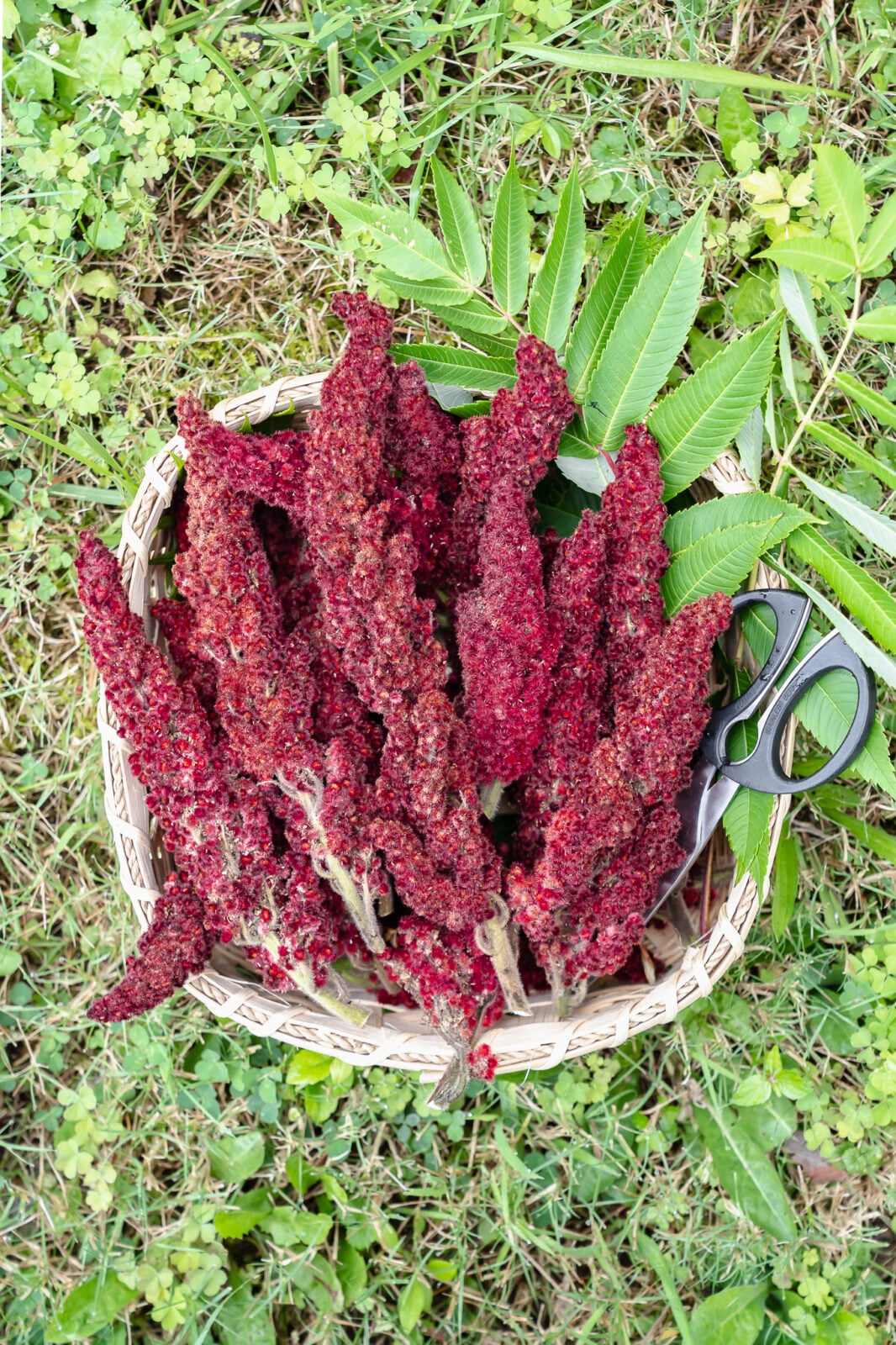
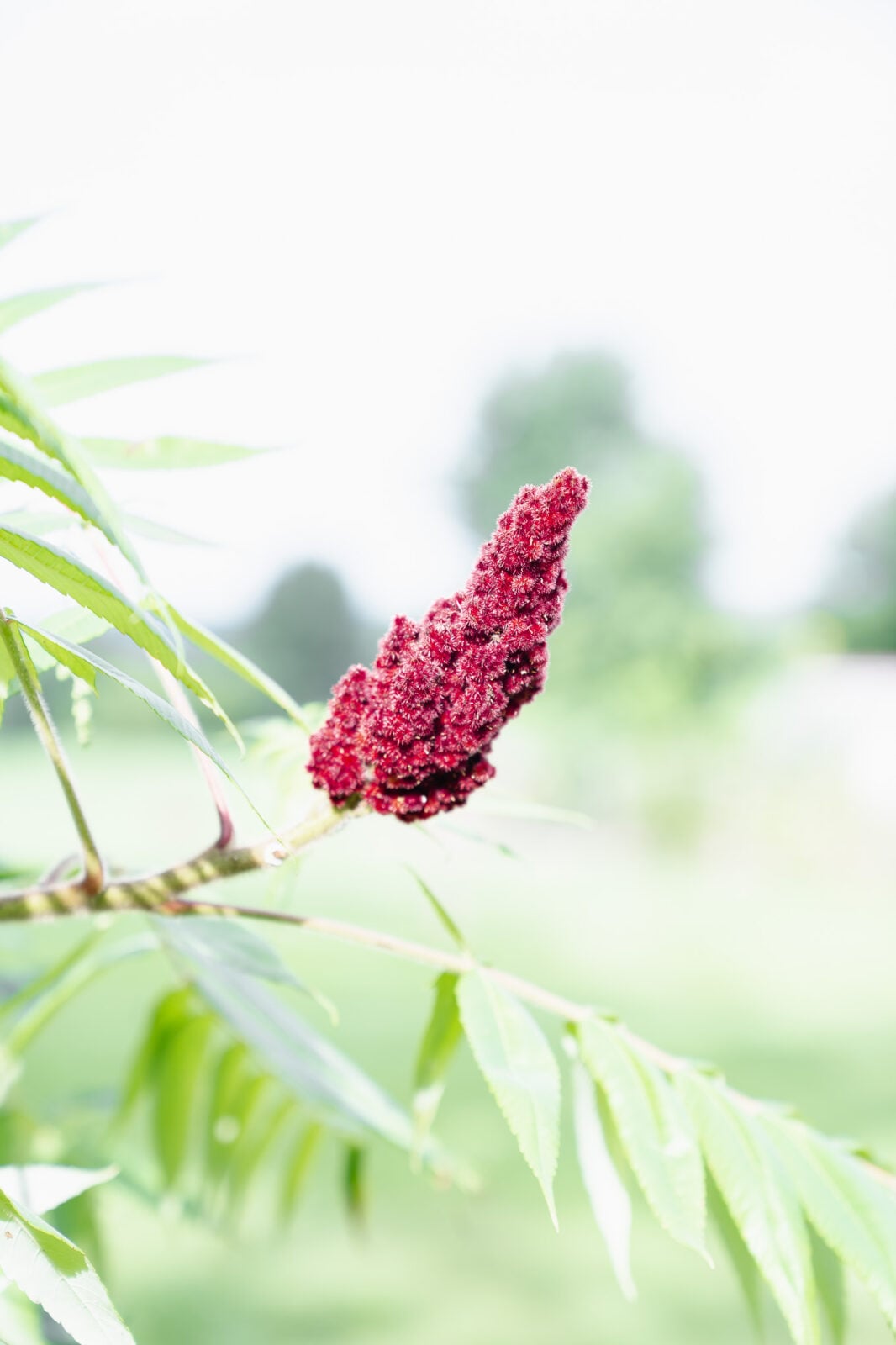
New to the plant itself? Begin with my guide to what sumac is and how to identify edible species. You will also find sumac in my summer foraging guide and complete foraging hub.
What Is Sumac Spice?
Sumac is a ground powder made from the dried berries of the Rhus coriaria shrub. It grows wild in Mediterranean plateau regions like Sicily, Turkey, and Iran. The berries are harvested when fully ripe, dried, and ground into a coarse powder. The result is a tart, lemony seasoning with virtually no calories and genuine umami depth.
This spice is safe to use. It’s entirely different from poisonous sumac varieties. The culinary berries are bright red and unmistakable. Poisonous sumac bears white berries and grows in very different climates. When you buy from a reputable source, you’re getting a clean, well-established culinary ingredient.
The flavor sits somewhere between lemon zest and subtle tang. Unlike citrus juice, which adds moisture, this powder contributes sourness as a dry ingredient. This makes it invaluable for dry rubs and finishing touches where you want acid without liquid.
Pure Sumac vs. Salt-Added Blends: What to Look For
Here’s where most home cooks get blindsided. Many commercial products contain added salt as a preservative or filler. This shifts the entire flavor profile and defeats the purpose of choosing sumac as a salt alternative.
Read the ingredient label carefully. You should see one word: sumac. If salt appears, you’re holding a blend, not the pure product. This matters especially if you’re cooking keto, managing sodium, or controlling seasoning with precision.
The easiest way to spot pure sumac is to read the ingredient list. Pure varieties list only sumac itself. Some specialty suppliers grind this powder in small batches with no additives, preservatives, or anti-caking agents. Others add salt openly on the front label, which is honest but limits your flexibility.
When buying, prioritize sources that emphasize purity. Words like “freshly ground,” “no preservatives,” and “no fillers” signal you’re getting the real thing. A small 2-ounce bag from a quality source lasts months in an airtight container and costs less than fancy finishing salts, making it economical.
How to Make Sumac Spice From Foraged Berries
Only work with sumac you have confidently identified as an edible Rhus species. Harvest dry, deep-red clusters away from sprayed roadsides, then check them carefully for insects and damage. Avoid washing unless necessary because water removes some of the tart coating; if you do rinse them, dry them completely before proceeding.
- Break the clusters into smaller pieces and air-dry them in a warm, well-ventilated place or use a dehydrator on a low setting until crisp.
- Rub or pulse the dried berries just enough to release the red coating. Do not grind the hard seeds into powder.
- Pass the mixture through a fine sieve and store the tart red powder in an airtight jar away from heat and light.
Sumac contains naturally occurring polyphenols and other plant compounds, but culinary amounts are not a treatment for weight, blood sugar, or heart disease. Its biggest everyday benefit is flavor.
Uses in Everyday Cooking
The versatility of this powder often surprises new users. It’s not a heavy hitter like cumin or turmeric. Instead, it’s a finisher, the ingredient that lands last and lifts everything before it.
Scatter it over roasted vegetables like cauliflower, Brussels sprouts, or zucchini right after they leave the oven. The heat opens up its citrus notes. On keto salads, a light pinch replaces lemon juice and brings brightness without diluting dressing. Over grilled meats like steak, chicken, or pork, it cuts richness and adds complexity that salt alone cannot deliver.
This ingredient forms the backbone of za’atar, the Middle Eastern spice blend that combines it with sesame seeds, thyme, and oregano. For homesteaders making their own seasoning blends, this powder achieves commercial-quality results at home.
Try it on roasted fish, scattered over grain bowls, or as a dry rub base for lamb or beef. It’s especially effective where you want acid but not moisture, and where color matters, its vibrant red is visually striking on a plate.
Recipe Ideas & Applications
Start simple: make a salt-free finishing blend by mixing one tablespoon of pure sumac with half a teaspoon of garlic powder, a quarter teaspoon of onion powder, and a pinch of white pepper. Store it in a small jar and use it to finish any protein or roasted vegetable.
For a quick keto salad, toss greens with olive oil, red wine vinegar, and a pinch of this powder instead of lemon. The tartness is identical, the flavor is more complex, and you’ve kept everything dry.
If you forage or grow wild herbs, this spice pairs beautifully as a finishing touch. Think of the seasonal approach outlined in guides like foraging wild garlic in spring. Its tartness complements the earthiness of foraged greens without competing.
Blend it into Greek yogurt with honey for a tangy dip. Dust it over avocado. Use a quarter teaspoon in a dry marinade for grilled lamb meatballs. The dose is flexible: start with a teaspoon per serving and adjust to taste. Because it’s pure sour with no salt, you won’t overshoot as easily as with seasoning salts.
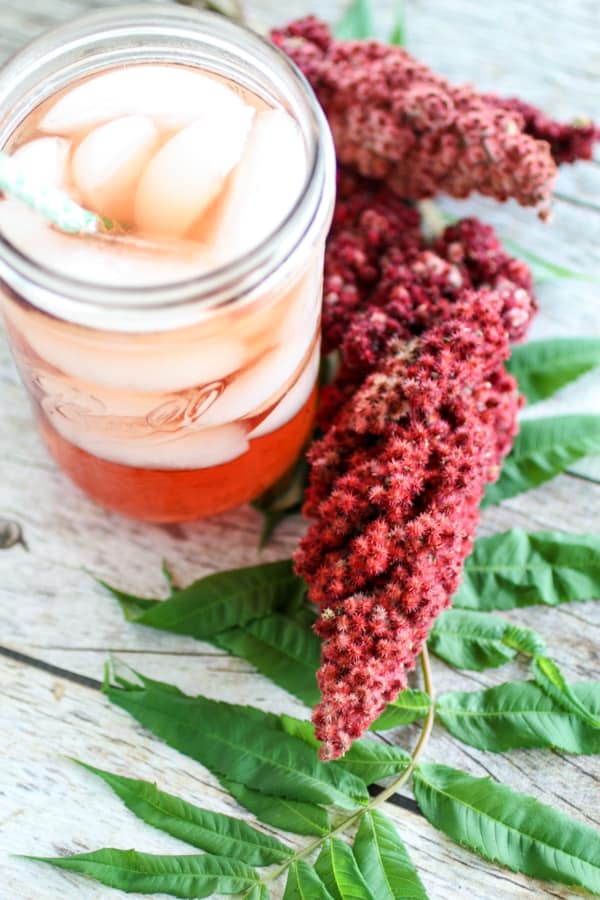
For the simplest place to start, steep the whole clusters into my bright, tart homemade Sumac-ade.
FAQ
Does Sumac Spice Contain Added Salt?
Many commercial products do contain salt as a preservative or filler. Always read the ingredient label. Pure varieties should list only sumac. If salt is listed, you’re buying a blend, not the pure ingredient.
Can I Use Sumac Spice as a Salt Substitute?
Yes, it delivers tartness and brightness without sodium, making it an excellent salt-free seasoning. Use it as a finishing touch on salads, roasted vegetables, grilled meats, and grain bowls. A quarter to half teaspoon per serving is a good starting point.
How Much Sumac Spice Should I Use in a Recipe?
Start with 1-2 teaspoons per dish, depending on size and tartness preference. Because it is a finishing agent, less is often more. Add it at the end so its bright flavor doesn’t get buried by long cooking.
How Do I Store Sumac Spice to Keep It Fresh?
Store pure sumac in an airtight container away from heat and direct light. It will stay fresh for several months. Many specialty suppliers pack it in resealable bags, which work well for preservation and convenience.
Start with a small pinch on roasted vegetables, grilled meat, eggs, or a yogurt sauce. Taste, then add more. Sumac should make a dish feel brighter, not bury everything else.