Foraging Wild Blueberries: Identification & Picking Season
Foraging wild blueberries starts with learning the whole plant, not just spotting a handful of blue fruit. This guide focuses on lowbush blueberries, including Vaccinium angustifolium, and covers habitat, summer picking, identification cautions and what to do with a confirmed harvest. A dusty bloom or a little crown on a berry is a clue—not permission to eat it.
Important Foraging Safety Notice
Foraging mistakes can cause serious illness or death. This post shares educational information and personal experience. It does not identify your finds or confirm they are safe to eat.
You are responsible for what you harvest, prepare, eat, and serve. Have all wild foods identified and confirmed edible by a qualified local expert before consuming them. Never eat anything you cannot reliably identify.
Read the full Foraging Safety & Disclaimer before using this post.
Key takeaways:
- Identify the whole plant; color and a berry crown are not safety tests.
- Lowbush blueberries favor acidic soil and may grow in sunny openings or partial shade.
- Ripening dates vary; use local conditions rather than a fixed calendar.
- Harvest only where permitted and leave fruit for wildlife.
- Keep confirmed fruit cool, wash before use and freeze extra berries promptly.
Where to Find Wild Blueberries
Foraging wild blueberries starts with reading the ground. Lowbush blueberries grow in acidic, well-drained soil, often in open woodland, rocky areas and old fields. Sunny openings can be productive, but these plants also grow in partial shade. The NC State lowbush blueberry profile is a useful starting reference for the plant and its habitat.
Look for suitable habitat rather than assuming every blue-fruited shrub is the same species. Lowbush blueberries are native to the northeastern United States and parts of Canada, including Pennsylvania. Other blueberries and huckleberries occur in the region too, so a different shrub height or leaf does not make a plant safe—or identify it as lowbush blueberry.
Habitat helps you decide where to look. It cannot tell you what is safe to eat.
When to Pick Wild Blueberries
Wild blueberry season varies with species, elevation, weather and location. Lowbush blueberries generally mature in mid- to late summer. Maine’s commercial wild-blueberry harvest often runs from late July into early September, but that is not a fixed Pennsylvania picking calendar. Watch the actual plants and local conditions instead of planning around one date. The University of Maine lowbush blueberry fact sheet describes the seasonal changes to watch.
Once you have a confidently identified patch and permission to harvest, visit again as the fruit ripens. Leave immature berries and plenty of ripe fruit for wildlife. Bring shallow containers so the bottom layer does not get squashed. My summer foraging guide puts blueberries alongside the other wild foods to look for during the warmer months.
Wild Blueberry Identification: What to Look For
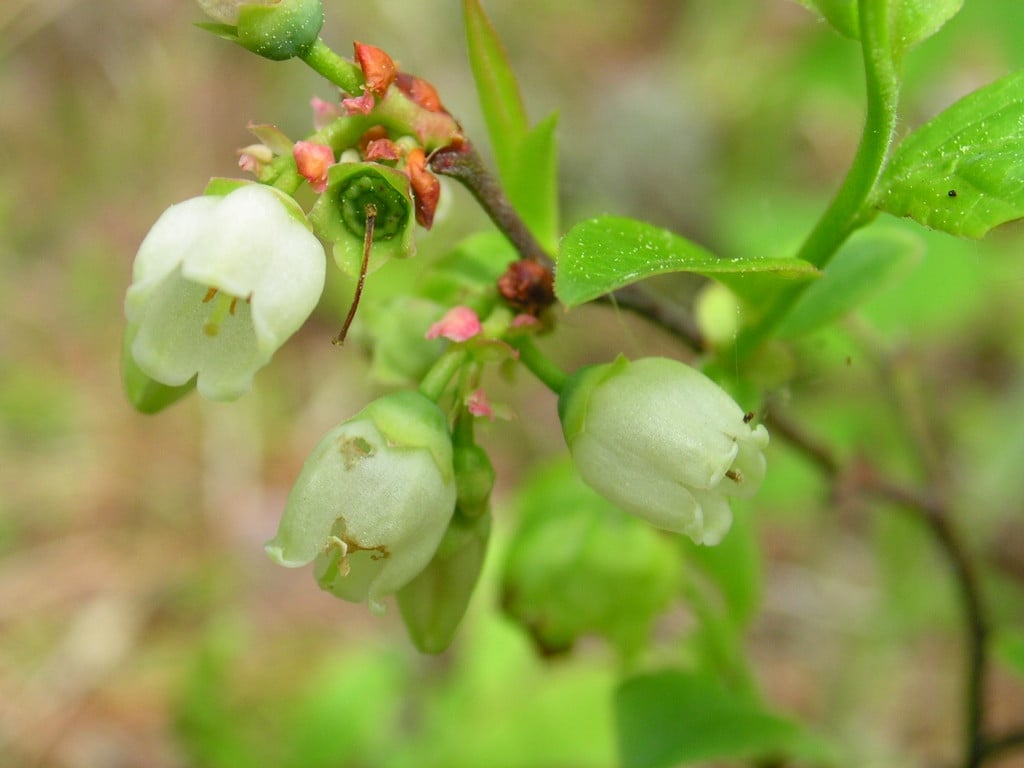
For lowbush blueberry identification, study the woody growth habit, alternate simple leaves, leaf margins, flowers and fruit together. Vaccinium angustifolium is a low shrub that can spread into patches; its small flowers are bell-shaped and white to pinkish. Compare a complete specimen with a reliable regional botanical reference and have unfamiliar finds confirmed by a qualified local expert before eating.
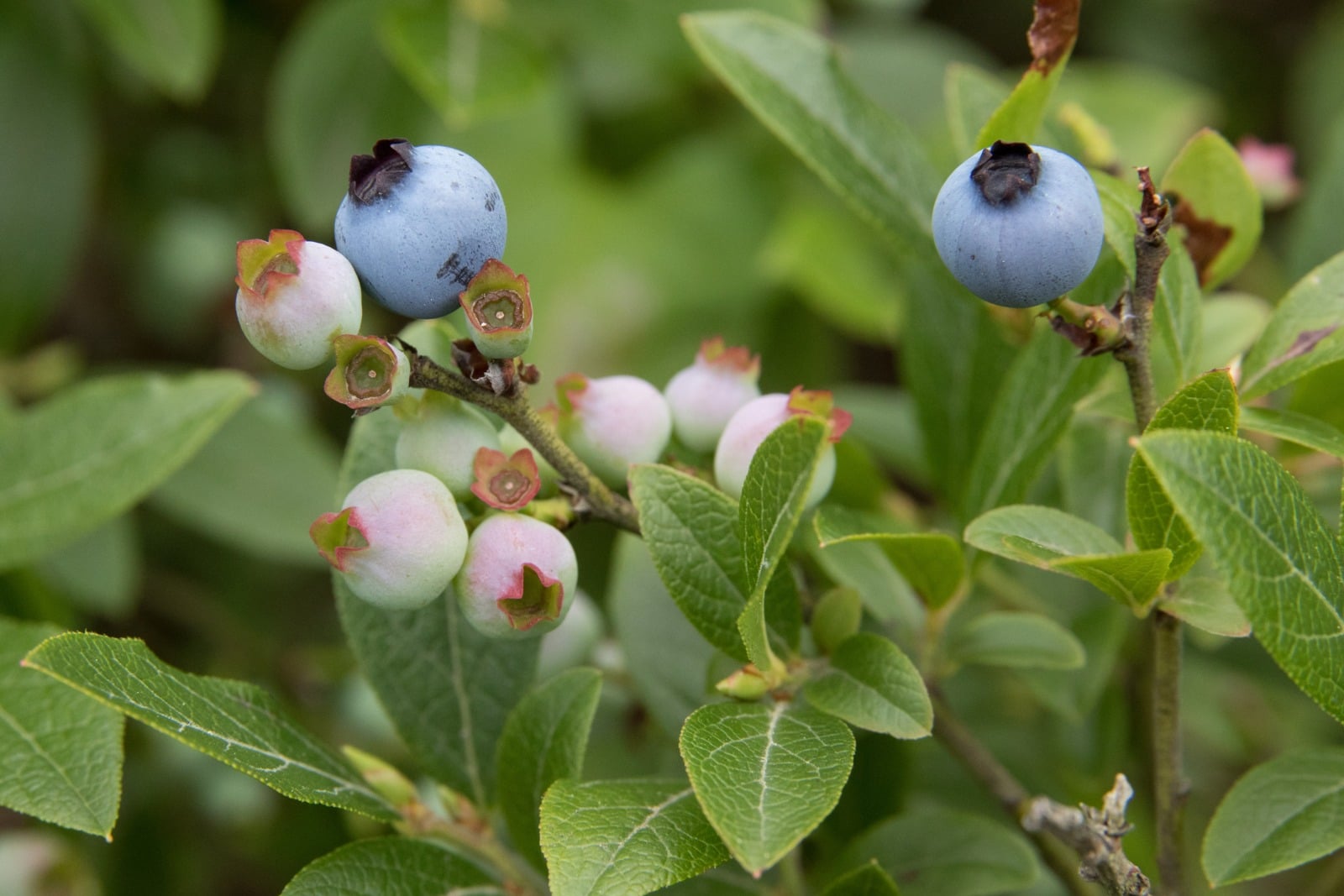
Blue fruit may have a pale, waxy bloom and a persistent flower-end crown opposite the stem. Neither feature is unique to edible blueberries. Do not use berry color, a crown, a phone app or a photograph as a stand-alone identification test.
Leave unidentified berries alone. Serviceberries and huckleberries are different plants, and other dark-fruited plants may be harmful. Do not turn a short list of edible lookalikes into a rule that similar fruit is safe. Identify the plant itself, including the leaves, stems and fruit arrangement, before considering a harvest.
Wild Blueberries vs Cultivated: What Actually Differs
Lowbush blueberries are often smaller than cultivated highbush berries, but size and flavor vary. Cultivated and wild-growing are not opposite botanical categories: some commercial wild-blueberry crops come from managed stands of native lowbush plants. Flesh color is not a reliable safety test or a substitute for identifying the species.
For cooking, pay attention to the berries in front of you. A small, intensely flavored berry may work beautifully in muffins, pancakes or a sauce; another batch may be juicier or sweeter. Taste confirmed edible fruit and adjust the recipe to suit your harvest.
Choose the recipe to suit the harvest. Berry size and moisture affect baking, so follow the recipe’s guidance for fresh or frozen fruit rather than assuming every wild berry behaves the same way.
Tips for Foraging Wild Blueberries Safely
Pick only ripe fruit from plants whose identity has already been confirmed. Leave green or pink immature fruit on the plant; do not taste unknown berries to decide whether they are blueberries. Avoid damaged, moldy or animal-contaminated fruit.
Site selection matters just as much as ripeness. Stay away from patches beside busy roads, industrial land, golf courses, or orchards that might see spray drift. Before foraging anywhere you do not own, confirm it is public land open to personal harvesting, or get the landowner’s permission first.
Keep the harvest cool and refrigerate it promptly. Wait to wash until you are ready to eat or process the fruit, then rinse gently under cool running water and dry well. University of Minnesota Extension explains safe produce washing; soap and bleach do not belong on your berries. For another summer harvest, see my wild blackberry foraging guide.
For a larger harvest, wash and dry the confirmed berries, freeze them in a single layer, then transfer them to freezer-safe containers. Label the date and keep frozen. Use an independently tested, blueberry-specific process if you want to can them; do not improvise a shelf-stable preserve from a freezer-jam recipe. You can explore more seasonal guides in my foraging library.
FAQ
How do you identify wild blueberries?
Use several features of the whole plant and a reliable regional reference. Low growth, alternate leaves, bell-shaped flowers and blue fruit can help with a lowbush blueberry identification, but no one feature confirms edibility. Ask a qualified local expert to check unfamiliar plants.
When is wild blueberry season?
Lowbush blueberries generally ripen in mid- to late summer. Exact timing depends on the species, weather, elevation and location. Maine harvest dates should not be treated as a universal calendar.
Are wild blueberries better than cultivated blueberries?
Both can be delicious. Flavor, size and moisture vary with the plant and growing conditions, so choose the berries that suit your taste and recipe. Wild berries are not automatically a healthier choice.
Can you eat berries that look like wild blueberries?
No. A similar color or flower-end crown does not establish identity or safety. Leave unfamiliar fruit in place and get the complete plant identified before eating it.
Where is it legal to forage wild blueberries?
Check the current rules for the exact property before picking, including access, plant collection and harvest limits. Public access does not automatically include permission to harvest. Obtain the owner’s permission on private land.
This article is for general information only and is not medical advice.